Rising geopolitical tensions, domestic competition, and global mobility concerns are driving a surge in demand for Hong Kong’s higher education sector
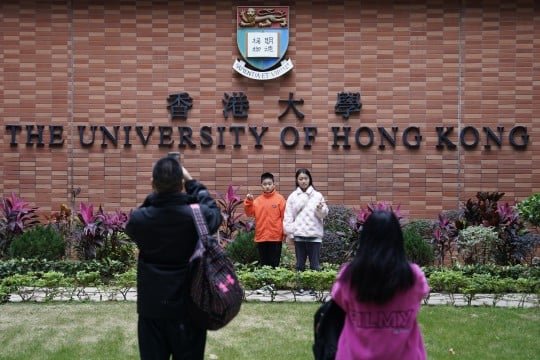
China’s higher education and mobility system is driving a growing shift among mainland families toward Hong Kong universities, as structural pressures at home and barriers abroad reshape long-standing study pathways.
What is confirmed is a sustained increase in applications from mainland Chinese students to Hong Kong’s top universities, alongside expanding recruitment efforts by those institutions.
The change is not driven by a single event but by converging forces: intense domestic competition, tightening geopolitical conditions affecting overseas study, and Hong Kong’s unique positioning as both part of China and an international academic hub.
The mechanism begins with China’s national university entrance exam, the gaokao, which remains the dominant gateway to higher education.
Admission to elite mainland institutions is highly restricted, with acceptance rates among the lowest globally.
Even strong students face limited chances of entering top-tier universities, pushing families to consider alternatives that offer comparable prestige and better long-term prospects.
At the same time, traditional study destinations such as the United States, the United Kingdom, and Australia have become more complex and, in some cases, less predictable for Chinese students.
Visa scrutiny, geopolitical tensions, and concerns about safety and post-graduation work opportunities have altered risk calculations.
These changes have not eliminated overseas study but have reduced its certainty as a default pathway.
Hong Kong has emerged as a strategic middle ground.
Its universities operate under internationally recognized academic systems, use English as a primary language of instruction, and maintain strong global rankings.
Degrees are widely accepted by employers and graduate programs abroad, while students remain geographically and culturally close to mainland China.
Policy design reinforces this appeal.
Hong Kong institutions actively recruit mainland students through separate admission tracks that do not rely solely on gaokao scores, allowing more flexibility in evaluating candidates.
Scholarships and financial incentives have expanded, further lowering barriers for middle-class families seeking alternatives to both domestic and Western education routes.
The political and legal environment also plays a role.
Since the introduction of Hong Kong’s national security framework, the city has tightened its governance structure, aligning more closely with Beijing while maintaining distinct educational and financial systems.
For many mainland families, this combination reduces perceived political risk compared to Western countries, while still preserving access to international networks.
Demand pressure is already reshaping Hong Kong’s higher education sector.
Universities are expanding capacity, increasing cross-border partnerships, and investing in research programs designed to attract talent from mainland China.
This influx strengthens Hong Kong’s role as a regional education hub but also intensifies competition for local students and raises questions about resource allocation.
The economic implications extend beyond education.
Students trained in Hong Kong often move into finance, technology, and professional services sectors that connect China with global markets.
Their presence reinforces the city’s function as an intermediary between mainland capital and international systems, particularly as other channels face geopolitical friction.
There are trade-offs.
The surge in mainland enrollment has prompted debate within Hong Kong about identity, language use, and access to public resources.
Universities must balance internationalization goals with local expectations, while maintaining academic standards under growing demand.
The key issue is not simply where students study, but how education pathways are being reconfigured under geopolitical and economic pressure.
Hong Kong’s rise as a preferred destination reflects a broader recalibration in how Chinese families manage risk, opportunity, and global exposure.
The immediate consequence is clear: Hong Kong universities are becoming a central node in China’s outward-facing education system, absorbing demand that once flowed more heavily to Western countries and reshaping regional talent dynamics in the process.
What is confirmed is a sustained increase in applications from mainland Chinese students to Hong Kong’s top universities, alongside expanding recruitment efforts by those institutions.
The change is not driven by a single event but by converging forces: intense domestic competition, tightening geopolitical conditions affecting overseas study, and Hong Kong’s unique positioning as both part of China and an international academic hub.
The mechanism begins with China’s national university entrance exam, the gaokao, which remains the dominant gateway to higher education.
Admission to elite mainland institutions is highly restricted, with acceptance rates among the lowest globally.
Even strong students face limited chances of entering top-tier universities, pushing families to consider alternatives that offer comparable prestige and better long-term prospects.
At the same time, traditional study destinations such as the United States, the United Kingdom, and Australia have become more complex and, in some cases, less predictable for Chinese students.
Visa scrutiny, geopolitical tensions, and concerns about safety and post-graduation work opportunities have altered risk calculations.
These changes have not eliminated overseas study but have reduced its certainty as a default pathway.
Hong Kong has emerged as a strategic middle ground.
Its universities operate under internationally recognized academic systems, use English as a primary language of instruction, and maintain strong global rankings.
Degrees are widely accepted by employers and graduate programs abroad, while students remain geographically and culturally close to mainland China.
Policy design reinforces this appeal.
Hong Kong institutions actively recruit mainland students through separate admission tracks that do not rely solely on gaokao scores, allowing more flexibility in evaluating candidates.
Scholarships and financial incentives have expanded, further lowering barriers for middle-class families seeking alternatives to both domestic and Western education routes.
The political and legal environment also plays a role.
Since the introduction of Hong Kong’s national security framework, the city has tightened its governance structure, aligning more closely with Beijing while maintaining distinct educational and financial systems.
For many mainland families, this combination reduces perceived political risk compared to Western countries, while still preserving access to international networks.
Demand pressure is already reshaping Hong Kong’s higher education sector.
Universities are expanding capacity, increasing cross-border partnerships, and investing in research programs designed to attract talent from mainland China.
This influx strengthens Hong Kong’s role as a regional education hub but also intensifies competition for local students and raises questions about resource allocation.
The economic implications extend beyond education.
Students trained in Hong Kong often move into finance, technology, and professional services sectors that connect China with global markets.
Their presence reinforces the city’s function as an intermediary between mainland capital and international systems, particularly as other channels face geopolitical friction.
There are trade-offs.
The surge in mainland enrollment has prompted debate within Hong Kong about identity, language use, and access to public resources.
Universities must balance internationalization goals with local expectations, while maintaining academic standards under growing demand.
The key issue is not simply where students study, but how education pathways are being reconfigured under geopolitical and economic pressure.
Hong Kong’s rise as a preferred destination reflects a broader recalibration in how Chinese families manage risk, opportunity, and global exposure.
The immediate consequence is clear: Hong Kong universities are becoming a central node in China’s outward-facing education system, absorbing demand that once flowed more heavily to Western countries and reshaping regional talent dynamics in the process.