Potential listing signals strategic push into electrification while tapping capital markets to fund growth
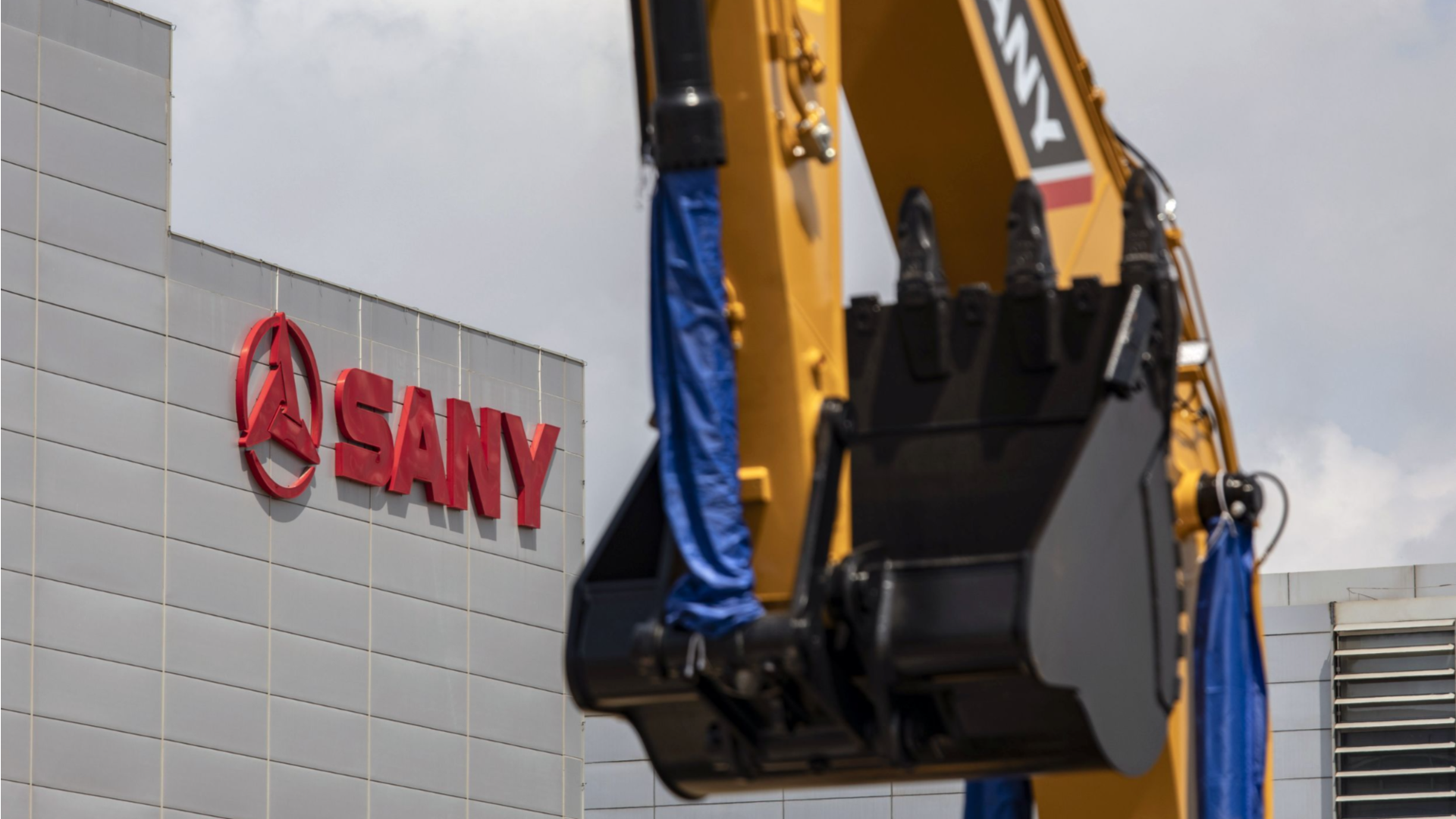
Sany Heavy Industry, one of China’s largest construction machinery manufacturers, is considering an initial public offering in Hong Kong for its electric-focused business unit, reflecting a broader strategic shift toward new energy technologies and a need for dedicated capital to scale that transition.
What is confirmed is that the company is evaluating a listing of its electric division, which develops battery-powered heavy equipment and related technologies.
The plan has not been finalized, and key details including timing, valuation, and offering size remain under consideration.
The move would separate the electric business financially and operationally from Sany’s traditional diesel-based machinery operations.
The mechanism behind the proposed IPO is straightforward: raising capital specifically earmarked for the development and expansion of electric construction equipment.
Electrification in heavy industry requires significant upfront investment in research, battery systems, charging infrastructure, and supply chains.
By listing the unit independently, Sany would be able to attract investors focused on clean energy growth rather than conventional industrial cycles.
The timing reflects structural changes in both policy and market demand.
Governments, particularly in China, have been pushing for lower emissions across industrial sectors, including construction and mining equipment.
At the same time, large contractors and infrastructure developers are increasingly under pressure to reduce carbon footprints, creating a growing market for electric alternatives.
Sany’s electric unit is positioned to compete in an emerging segment that remains technically challenging.
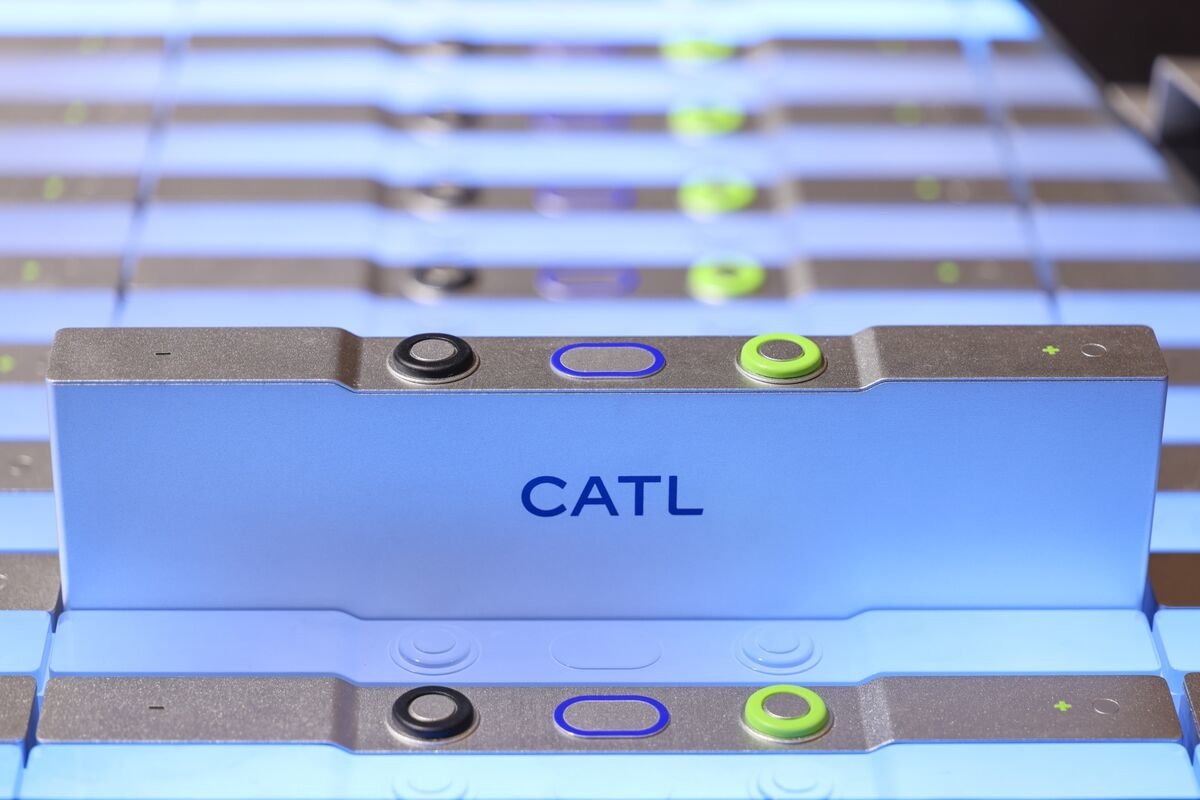
Heavy machinery requires large batteries, durable components, and reliable performance under demanding conditions.
This raises costs and limits margins in the early stages of adoption.
The IPO would provide funding to address these constraints, including improving battery efficiency and scaling manufacturing capacity.
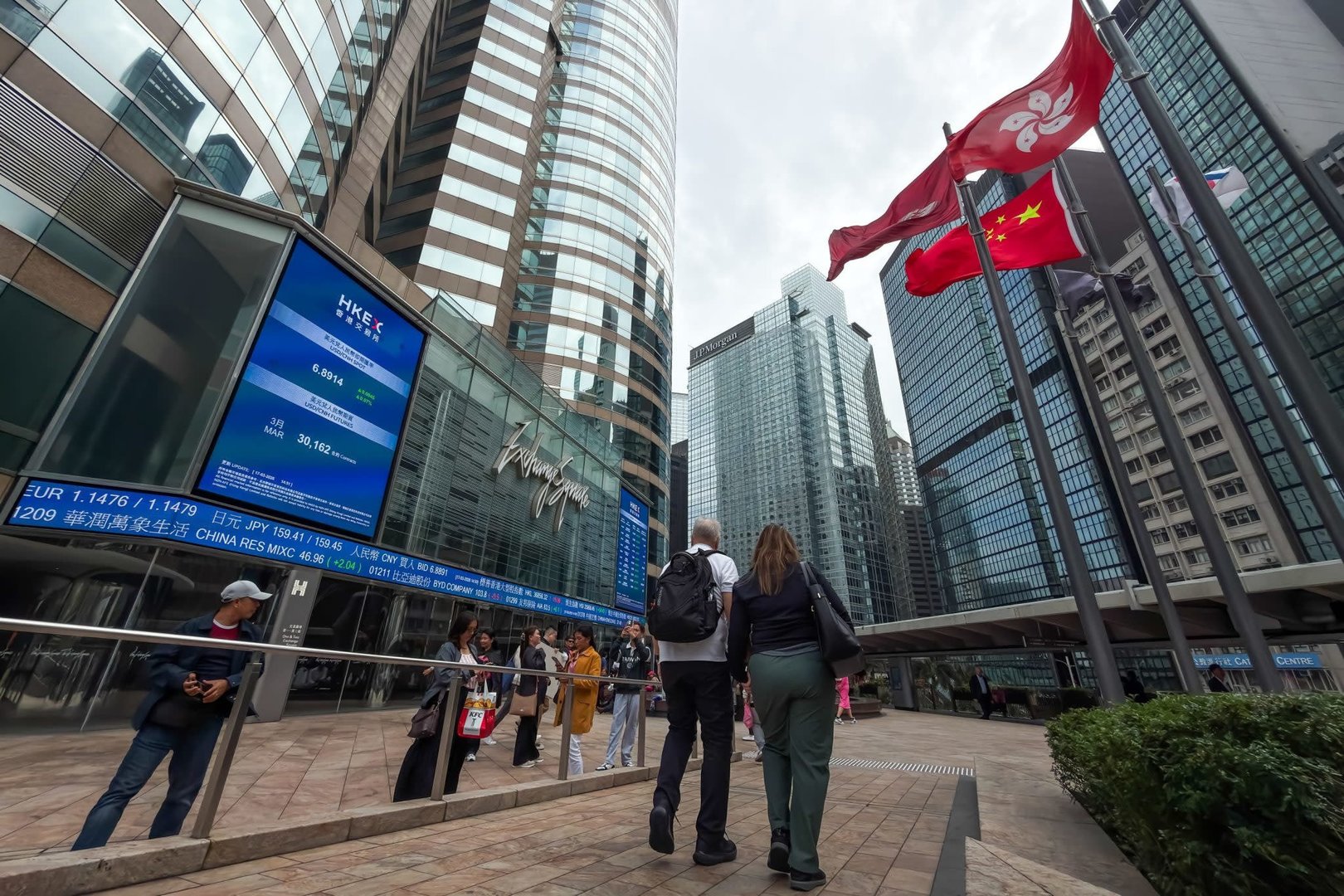
Hong Kong is being considered as the listing venue due to its role as a key financial gateway for Chinese companies seeking international investors.
A successful offering would allow Sany to diversify its funding sources and potentially achieve a higher valuation for its electric business than if it remained embedded within the parent company.
The stakes extend beyond Sany.
A successful IPO could serve as a benchmark for other industrial firms seeking to spin off and monetize clean energy divisions.
It would also test investor appetite for electrification in sectors traditionally seen as difficult to decarbonize.
However, the plan carries risks.
Investor sentiment toward new listings has been uneven, and valuations for clean technology companies have faced pressure amid rising interest rates and more cautious capital markets.
There is also execution risk: the electric unit must demonstrate commercial viability, not just technological promise, to sustain investor confidence.
The proposal remains under active evaluation, but its direction is clear.
Sany is moving to position electrification as a standalone growth engine, using capital markets to accelerate a transition that is increasingly being driven by regulation, customer demand, and competition.
If the IPO proceeds, it would mark a concrete step in the industrial sector’s shift toward low-emission technologies, with capital allocation increasingly tied to the pace and credibility of that transition.
What is confirmed is that the company is evaluating a listing of its electric division, which develops battery-powered heavy equipment and related technologies.
The plan has not been finalized, and key details including timing, valuation, and offering size remain under consideration.
The move would separate the electric business financially and operationally from Sany’s traditional diesel-based machinery operations.
The mechanism behind the proposed IPO is straightforward: raising capital specifically earmarked for the development and expansion of electric construction equipment.
Electrification in heavy industry requires significant upfront investment in research, battery systems, charging infrastructure, and supply chains.
By listing the unit independently, Sany would be able to attract investors focused on clean energy growth rather than conventional industrial cycles.
The timing reflects structural changes in both policy and market demand.
Governments, particularly in China, have been pushing for lower emissions across industrial sectors, including construction and mining equipment.
At the same time, large contractors and infrastructure developers are increasingly under pressure to reduce carbon footprints, creating a growing market for electric alternatives.
Sany’s electric unit is positioned to compete in an emerging segment that remains technically challenging.
Heavy machinery requires large batteries, durable components, and reliable performance under demanding conditions.
This raises costs and limits margins in the early stages of adoption.
The IPO would provide funding to address these constraints, including improving battery efficiency and scaling manufacturing capacity.
Hong Kong is being considered as the listing venue due to its role as a key financial gateway for Chinese companies seeking international investors.
A successful offering would allow Sany to diversify its funding sources and potentially achieve a higher valuation for its electric business than if it remained embedded within the parent company.
The stakes extend beyond Sany.
A successful IPO could serve as a benchmark for other industrial firms seeking to spin off and monetize clean energy divisions.
It would also test investor appetite for electrification in sectors traditionally seen as difficult to decarbonize.
However, the plan carries risks.
Investor sentiment toward new listings has been uneven, and valuations for clean technology companies have faced pressure amid rising interest rates and more cautious capital markets.
There is also execution risk: the electric unit must demonstrate commercial viability, not just technological promise, to sustain investor confidence.
The proposal remains under active evaluation, but its direction is clear.
Sany is moving to position electrification as a standalone growth engine, using capital markets to accelerate a transition that is increasingly being driven by regulation, customer demand, and competition.
If the IPO proceeds, it would mark a concrete step in the industrial sector’s shift toward low-emission technologies, with capital allocation increasingly tied to the pace and credibility of that transition.