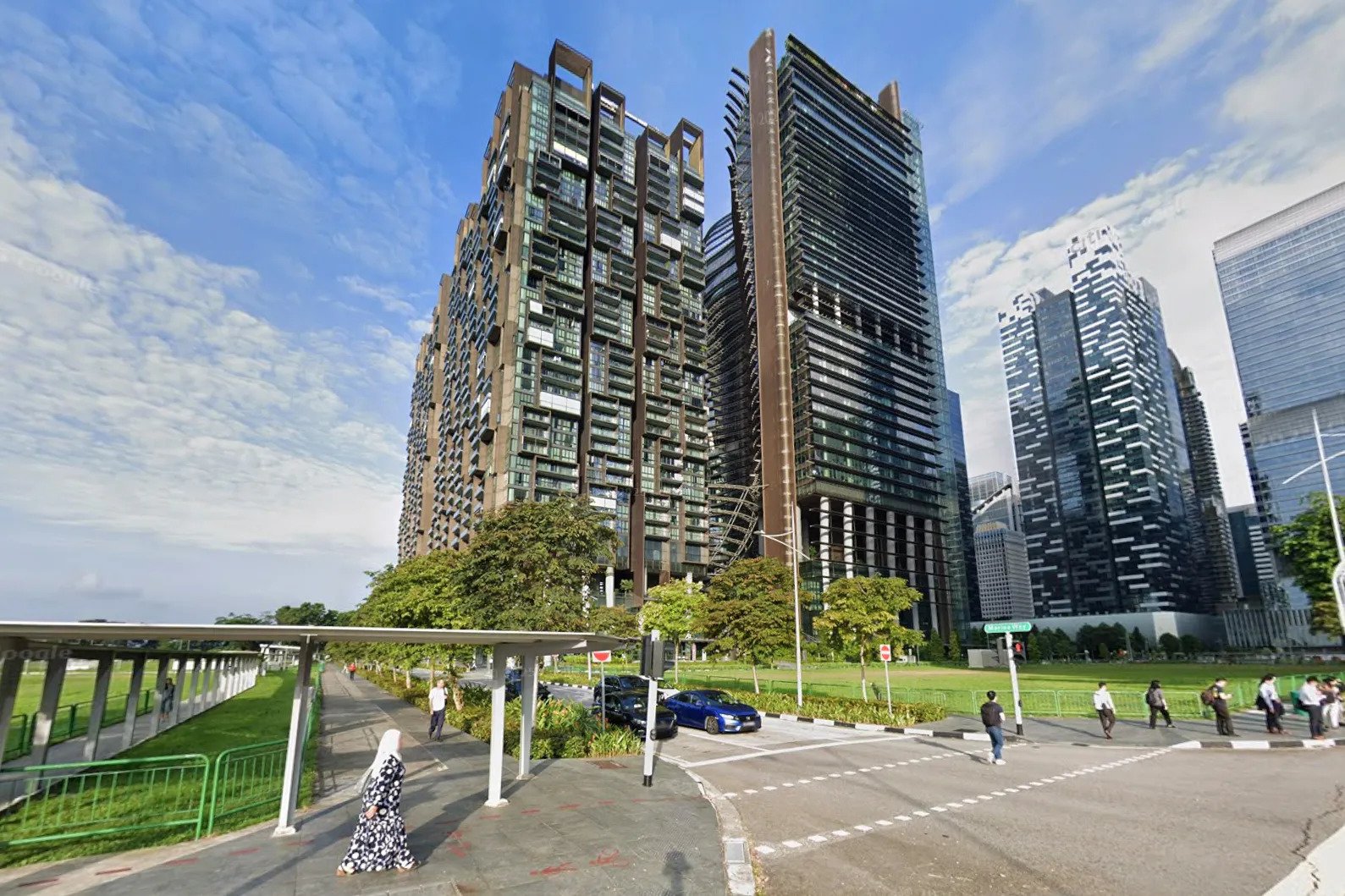
Prime Grade A office assets in Singapore’s Marina Bay district are drawing renewed attention from major property groups amid a broader reassessment of Asia’s commercial real estate market.
SYSTEM-DRIVEN forces in Singapore’s commercial real estate market—shaped by interest rate cycles, post-pandemic office demand recovery, and the repositioning of global capital toward high-quality Asian assets—are driving renewed attention toward Marina One, a major integrated development in the Marina Bay financial district.
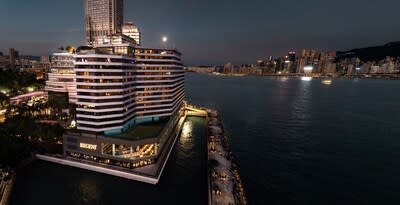
What is confirmed is that Marina One, a large mixed-use office and residential complex in Singapore’s central business district, has attracted reported interest from major property players including CapitaLand and Hongkong Land.
These firms are among Asia’s most established real estate investors and developers, with long-standing exposure to Singapore’s premium office market.
Marina One is positioned in one of Singapore’s most strategically important commercial zones, adjacent to key financial institutions, government offices, and multinational headquarters.
Its office component is part of a broader integrated development that includes residential towers and retail space, designed to function as a self-contained urban hub within the Marina Bay district.
The reported interest comes at a time when Singapore’s Grade A office sector is experiencing a recalibration in valuations and leasing dynamics.
After a period of pandemic-driven disruption, office occupancy in prime districts has stabilised, supported by multinational firms consolidating regional headquarters in Singapore.
However, the sector is also contending with structural questions around hybrid work, space efficiency, and rising financing costs.
CapitaLand, one of Asia’s largest diversified real estate groups, has extensive exposure to Singapore’s commercial property sector through both development and investment holdings.
Hongkong Land, a long-established developer and landlord with deep roots in prime Asian office markets, similarly focuses on high-end central business district assets, particularly in Singapore and Hong Kong.
The interest in Marina One is therefore consistent with broader institutional strategies targeting stabilised, income-generating office assets in resilient financial hubs.
Such assets are increasingly attractive to long-term investors seeking predictable rental streams in markets perceived as politically and economically stable.
The mechanism driving this renewed attention is a combination of capital reallocation and valuation reset.
Higher global interest rates over the past period have pressured real estate valuations, but they have also created opportunities for well-capitalised buyers to acquire or reposition premium assets at more attractive yields.
Singapore’s regulatory stability and strong rule of law continue to make it a preferred destination for such capital flows.
Marina One itself is part of a generation of large-scale integrated developments that reflect Singapore’s urban planning strategy of combining residential, commercial, and lifestyle components within dense, transit-linked districts.
Its proximity to key transport infrastructure and financial institutions enhances its long-term appeal as a Grade A office location.
For the broader market, renewed institutional attention to assets like Marina One signals a potential stabilisation phase in Singapore’s top-tier office segment.
While secondary office locations continue to face pressure from remote work trends and corporate downsizing, prime assets in core districts are showing greater resilience due to limited supply and sustained demand from multinational tenants.
If interest from major property groups translates into transactions or strategic stakes, it would reinforce the view that Singapore’s core office market remains a defensive asset class within global real estate portfolios.
The outcome will influence pricing benchmarks for comparable Grade A developments across the Marina Bay and central business district corridor.
What is confirmed is that Marina One, a large mixed-use office and residential complex in Singapore’s central business district, has attracted reported interest from major property players including CapitaLand and Hongkong Land.
These firms are among Asia’s most established real estate investors and developers, with long-standing exposure to Singapore’s premium office market.
Marina One is positioned in one of Singapore’s most strategically important commercial zones, adjacent to key financial institutions, government offices, and multinational headquarters.
Its office component is part of a broader integrated development that includes residential towers and retail space, designed to function as a self-contained urban hub within the Marina Bay district.
The reported interest comes at a time when Singapore’s Grade A office sector is experiencing a recalibration in valuations and leasing dynamics.
After a period of pandemic-driven disruption, office occupancy in prime districts has stabilised, supported by multinational firms consolidating regional headquarters in Singapore.
However, the sector is also contending with structural questions around hybrid work, space efficiency, and rising financing costs.
CapitaLand, one of Asia’s largest diversified real estate groups, has extensive exposure to Singapore’s commercial property sector through both development and investment holdings.
Hongkong Land, a long-established developer and landlord with deep roots in prime Asian office markets, similarly focuses on high-end central business district assets, particularly in Singapore and Hong Kong.
The interest in Marina One is therefore consistent with broader institutional strategies targeting stabilised, income-generating office assets in resilient financial hubs.
Such assets are increasingly attractive to long-term investors seeking predictable rental streams in markets perceived as politically and economically stable.
The mechanism driving this renewed attention is a combination of capital reallocation and valuation reset.
Higher global interest rates over the past period have pressured real estate valuations, but they have also created opportunities for well-capitalised buyers to acquire or reposition premium assets at more attractive yields.
Singapore’s regulatory stability and strong rule of law continue to make it a preferred destination for such capital flows.
Marina One itself is part of a generation of large-scale integrated developments that reflect Singapore’s urban planning strategy of combining residential, commercial, and lifestyle components within dense, transit-linked districts.
Its proximity to key transport infrastructure and financial institutions enhances its long-term appeal as a Grade A office location.
For the broader market, renewed institutional attention to assets like Marina One signals a potential stabilisation phase in Singapore’s top-tier office segment.
While secondary office locations continue to face pressure from remote work trends and corporate downsizing, prime assets in core districts are showing greater resilience due to limited supply and sustained demand from multinational tenants.
If interest from major property groups translates into transactions or strategic stakes, it would reinforce the view that Singapore’s core office market remains a defensive asset class within global real estate portfolios.
The outcome will influence pricing benchmarks for comparable Grade A developments across the Marina Bay and central business district corridor.