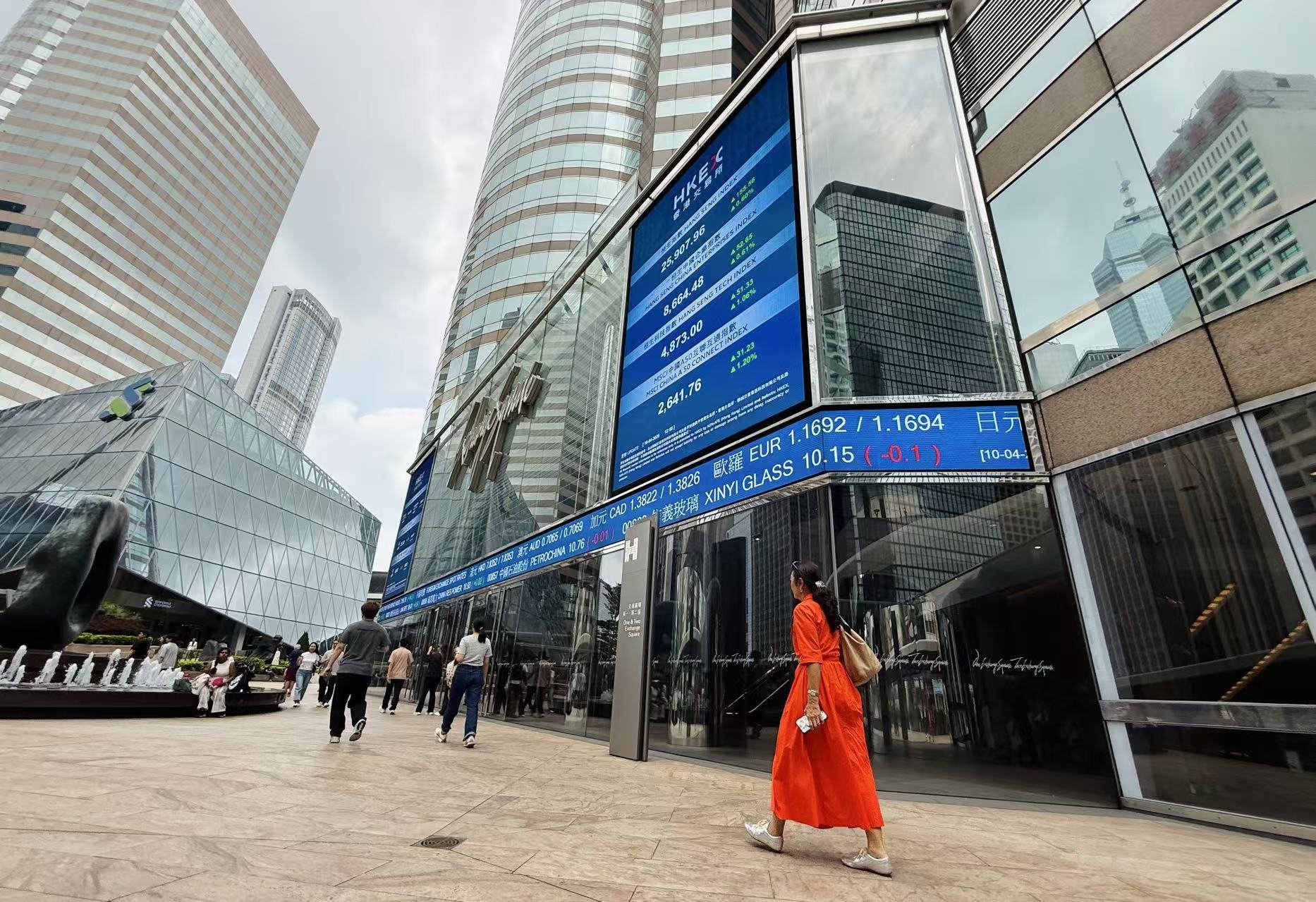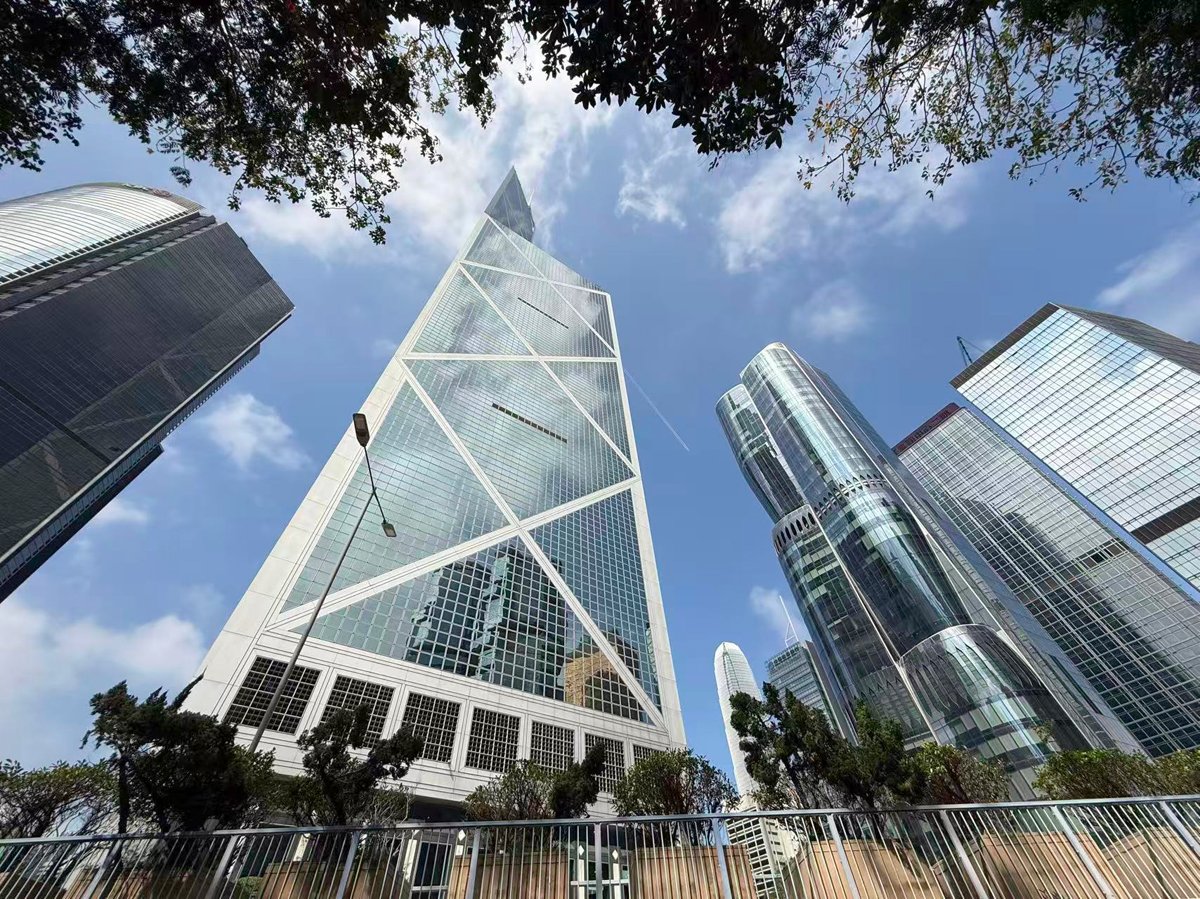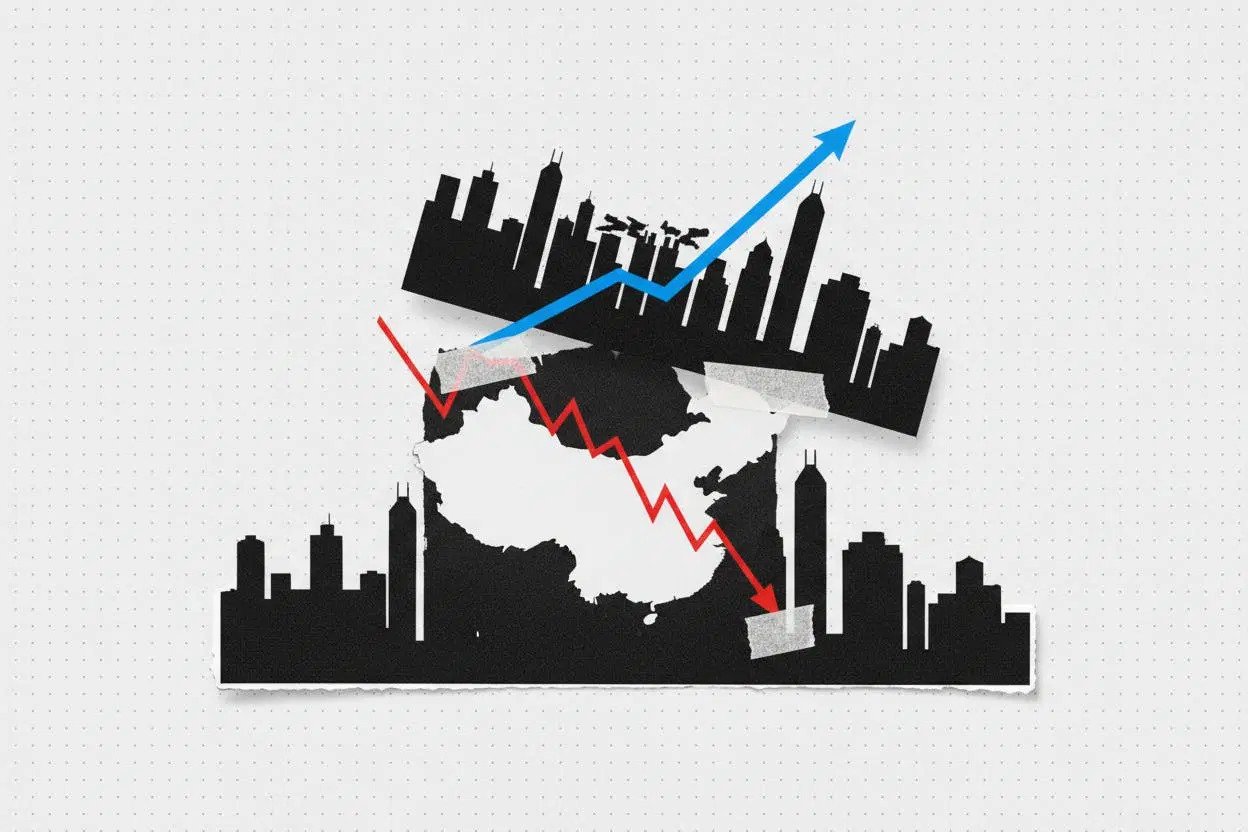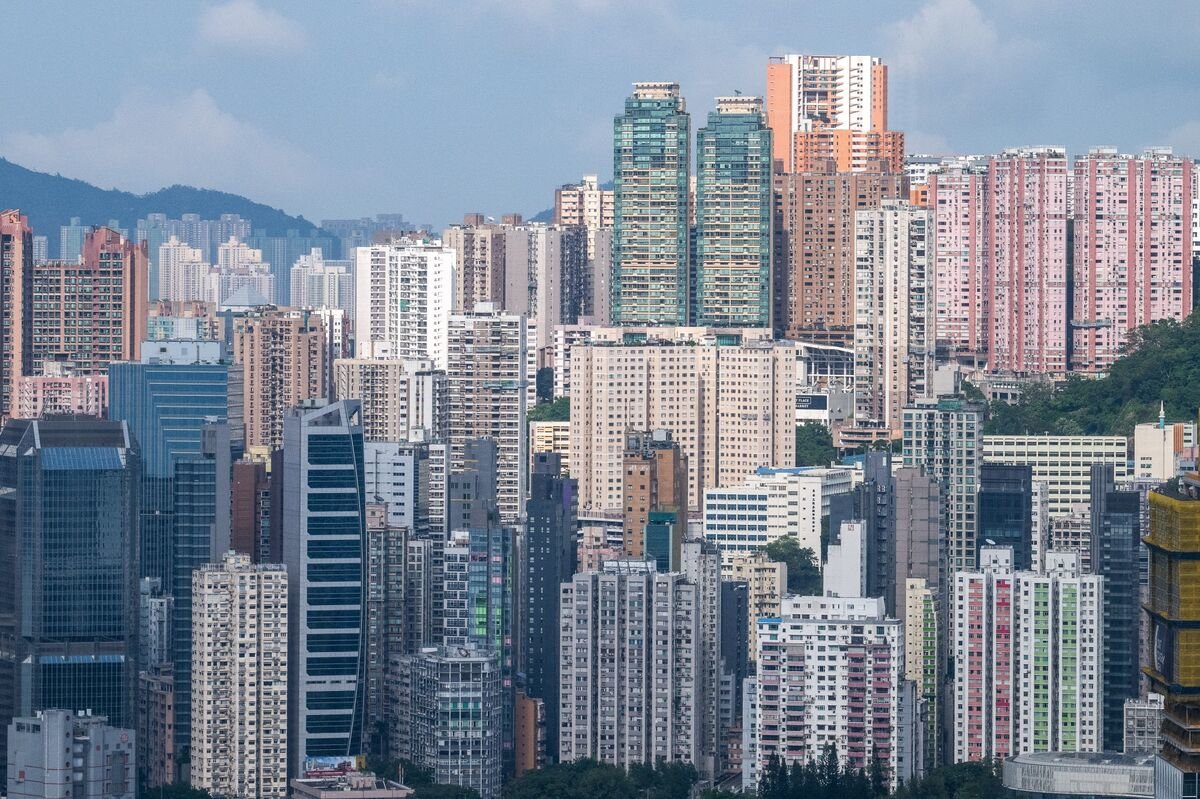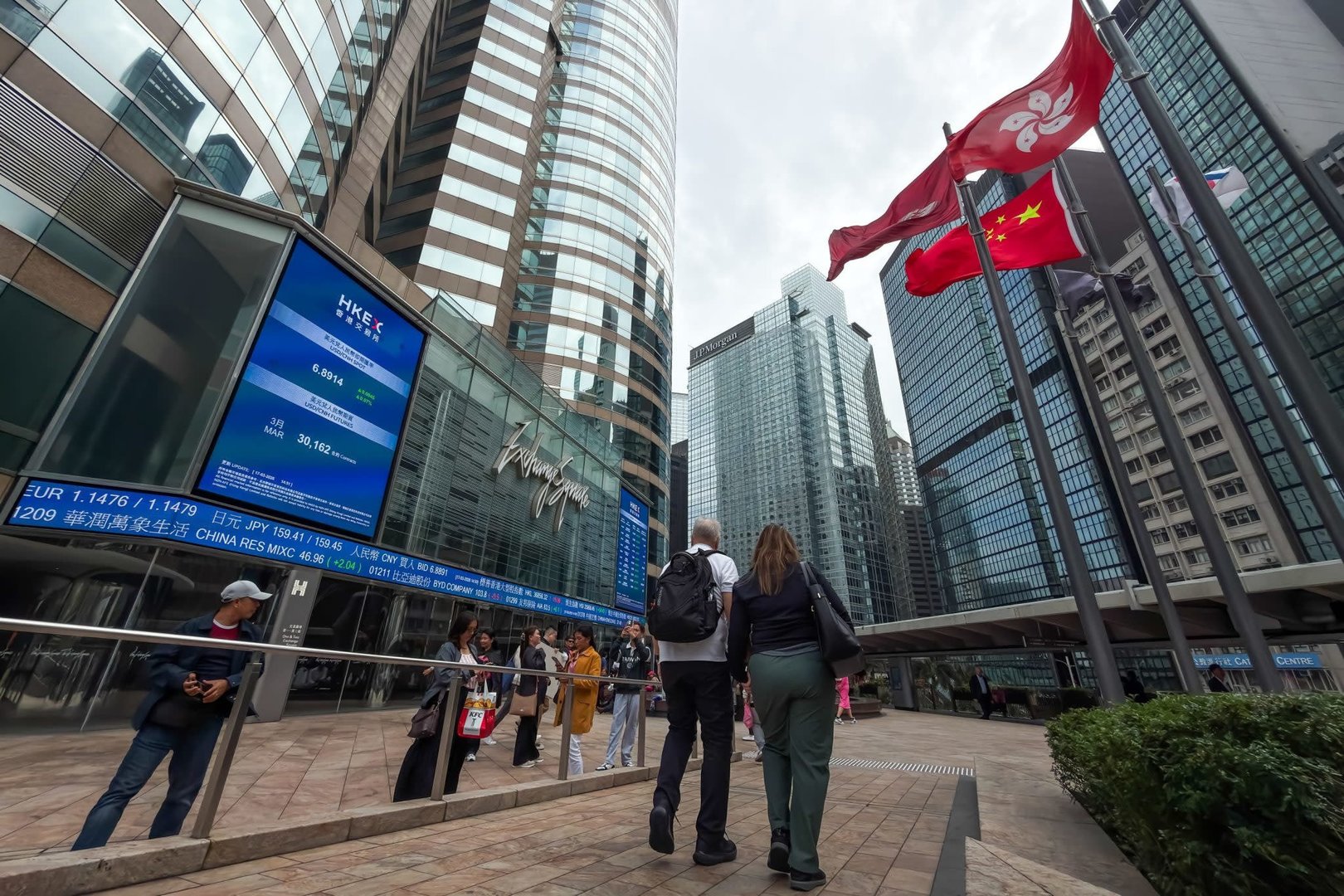
Strong issuance, rising offshore demand, and continued capital inflows are reinforcing Hong Kong’s role as a major financing hub despite geopolitical pressure and higher global interest rates.
SYSTEM-DRIVEN
Hong Kong’s expanding bond market is being driven by the resilience of the city’s financial architecture, particularly the credibility of the Hong Kong dollar peg, the depth of its capital markets, and its function as the primary offshore financing gateway for mainland China.
The recent surge in bond activity reflects growing institutional confidence that Hong Kong dollar assets remain stable, liquid, and strategically important despite years of political tension and global market volatility.
What is confirmed is that Hong Kong has recorded strong growth in bond issuance across multiple categories, including government bonds, offshore yuan bonds, green finance products, and corporate debt.
The city’s debt market has continued attracting international investors even as higher interest rates globally have tightened financing conditions.
The key issue is trust in the currency and settlement system.
Hong Kong operates under a linked exchange rate regime that pegs the Hong Kong dollar to the US dollar within a fixed trading band.
Maintaining confidence in that system is essential because the peg underpins banking liquidity, cross-border capital flows, and Hong Kong’s status as an international financial center.
Recent market activity suggests investors continue treating Hong Kong dollar assets as reliable instruments for capital preservation and regional financing.
Bond demand has remained supported by institutional investors seeking yield stability, access to Asian credit markets, and exposure to Chinese issuers operating through Hong Kong’s legal and financial framework.
The mechanism behind the market’s expansion is partly structural.
Mainland Chinese companies and local governments increasingly use Hong Kong to raise offshore funding because the city provides international legal standards, global investor access, convertible currency settlement, and deep secondary-market liquidity.
At the same time, foreign investors continue using Hong Kong as the main entry point into Chinese fixed-income assets.
Government issuance has also played a central role.
Hong Kong authorities have expanded bond programs tied to infrastructure financing, green transition projects, and institutional market development.
The city has issued multi-currency debt products, including digital bond offerings and green bonds, to strengthen its position in emerging financial sectors.
The offshore yuan, or renminbi, market is another critical factor.
Hong Kong remains the world’s largest offshore renminbi hub, and yuan-denominated bond issuance has continued to grow as Beijing promotes gradual internationalization of the Chinese currency.
That gives Hong Kong a dual role: a dollar-linked financial center and the leading offshore platform for Chinese currency financing.
The stakes extend beyond bond trading itself.
A healthy debt market reinforces banking activity, supports wealth management services, strengthens foreign exchange turnover, and broadens financing options for corporations and governments.
It also helps Hong Kong compete against regional financial centers such as Singapore in attracting international capital.
The expansion comes despite persistent external pressure.
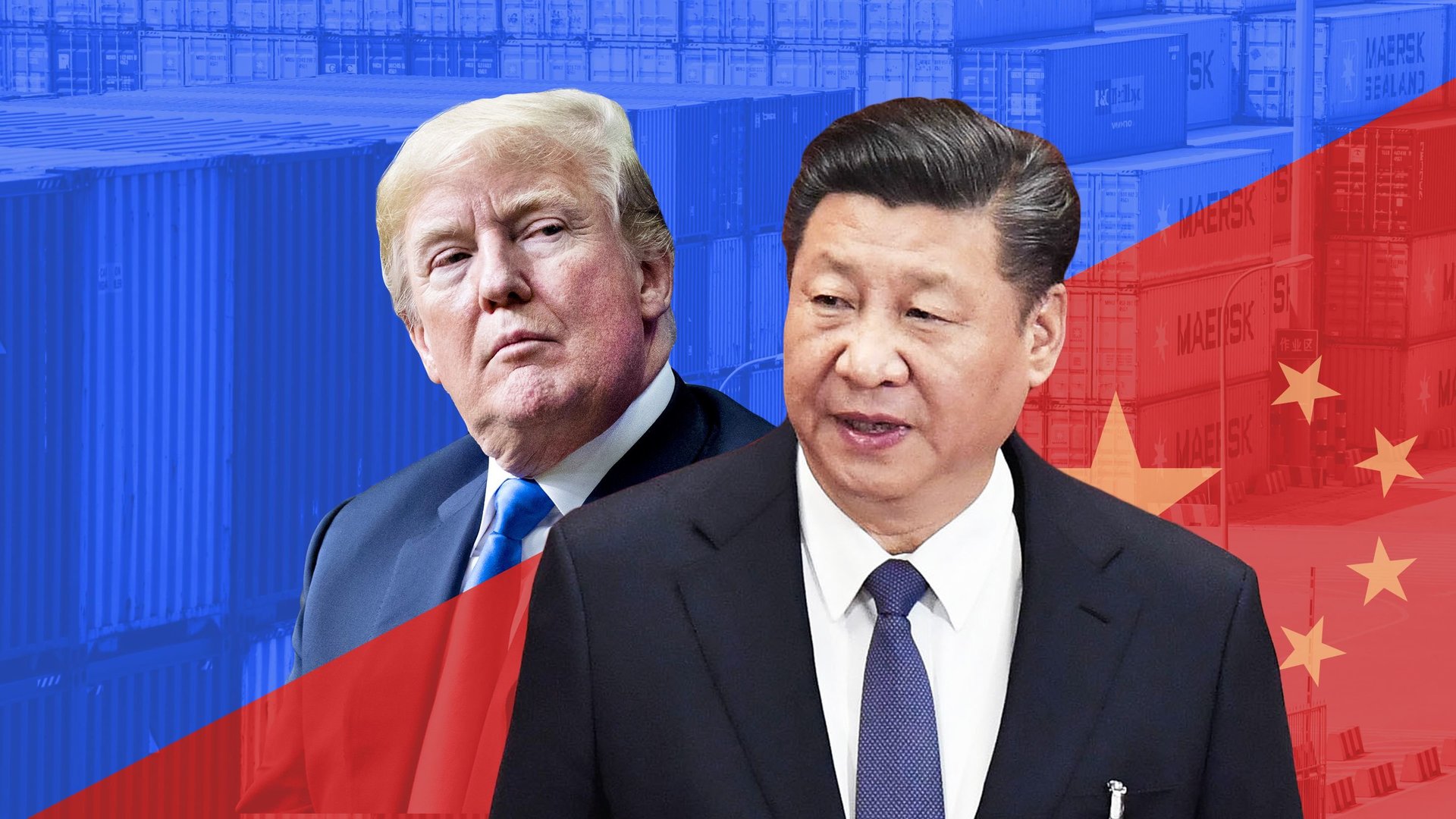
Hong Kong has faced concerns tied to geopolitical tensions between China and the United States, changes in the city’s political environment, and elevated global borrowing costs following aggressive interest-rate tightening by major central banks.
Those factors led some investors and multinational firms to reassess exposure to Hong Kong in recent years.
However, financial market behavior has not matched predictions of systemic capital flight.
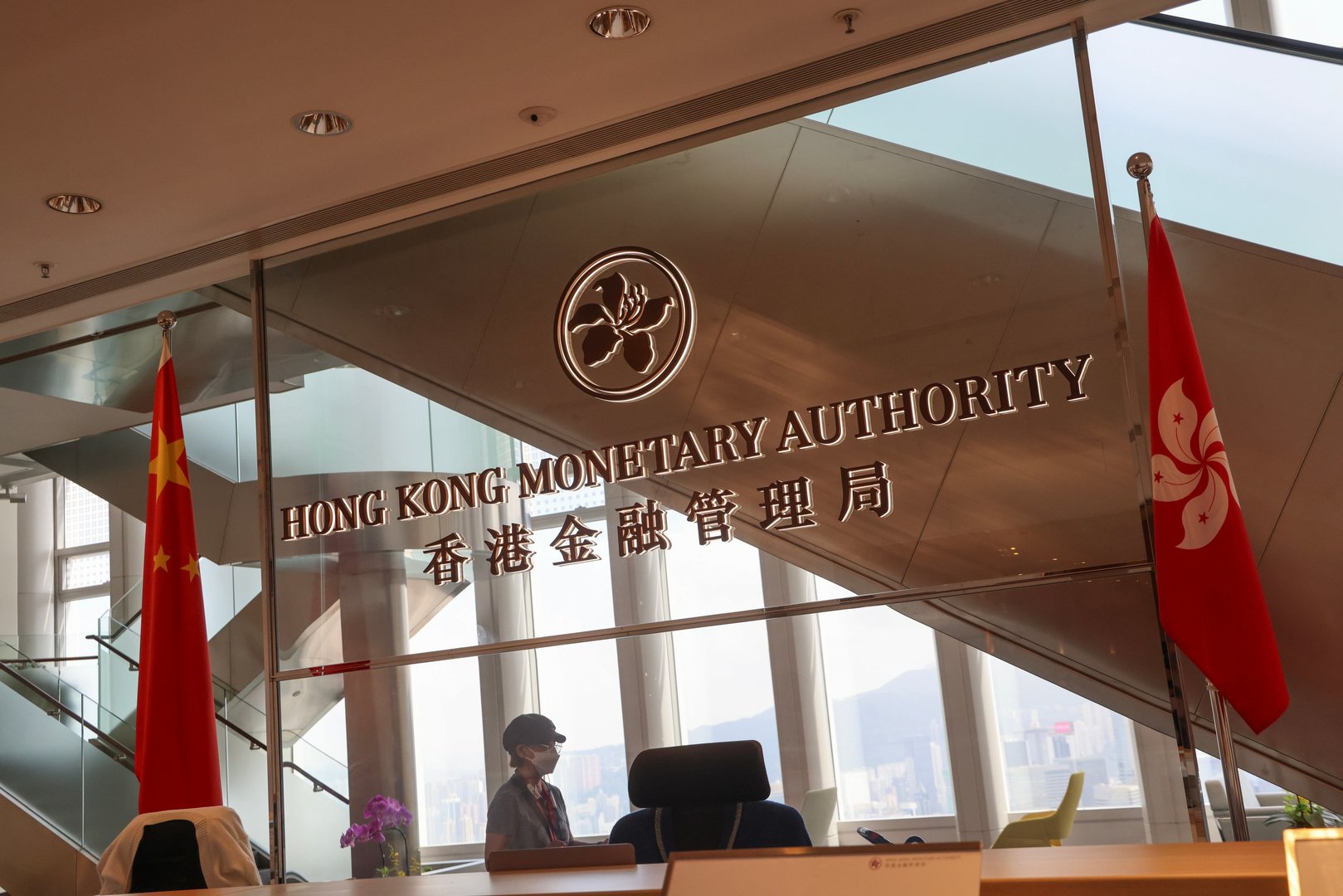
The Hong Kong Monetary Authority has continued defending the currency peg through established mechanisms, and the banking system has remained highly capitalized with substantial foreign exchange reserves.
At the same time, the composition of market participation is evolving.
Mainland Chinese institutions now play a larger role in Hong Kong’s financial ecosystem, while Middle Eastern and Southeast Asian investors have increased activity in bond issuance and investment partnerships.
The city is adapting by deepening ties with regional capital pools rather than relying exclusively on Western financial flows.
The broader implication is that Hong Kong’s financial model is shifting rather than collapsing.
Political and media debates about the territory often focus on governance and civil liberties, but global capital markets continue to evaluate the city primarily through liquidity, legal enforceability, currency stability, and access to China.
Bond investors ultimately care about repayment certainty, convertibility, and market functioning.
The continued expansion of Hong Kong’s debt market indicates that institutional investors still view the city as capable of delivering all three, reinforcing the central role of Hong Kong dollar assets in Asian and global finance.
Hong Kong’s expanding bond market is being driven by the resilience of the city’s financial architecture, particularly the credibility of the Hong Kong dollar peg, the depth of its capital markets, and its function as the primary offshore financing gateway for mainland China.
The recent surge in bond activity reflects growing institutional confidence that Hong Kong dollar assets remain stable, liquid, and strategically important despite years of political tension and global market volatility.
What is confirmed is that Hong Kong has recorded strong growth in bond issuance across multiple categories, including government bonds, offshore yuan bonds, green finance products, and corporate debt.
The city’s debt market has continued attracting international investors even as higher interest rates globally have tightened financing conditions.
The key issue is trust in the currency and settlement system.
Hong Kong operates under a linked exchange rate regime that pegs the Hong Kong dollar to the US dollar within a fixed trading band.
Maintaining confidence in that system is essential because the peg underpins banking liquidity, cross-border capital flows, and Hong Kong’s status as an international financial center.
Recent market activity suggests investors continue treating Hong Kong dollar assets as reliable instruments for capital preservation and regional financing.
Bond demand has remained supported by institutional investors seeking yield stability, access to Asian credit markets, and exposure to Chinese issuers operating through Hong Kong’s legal and financial framework.
The mechanism behind the market’s expansion is partly structural.
Mainland Chinese companies and local governments increasingly use Hong Kong to raise offshore funding because the city provides international legal standards, global investor access, convertible currency settlement, and deep secondary-market liquidity.
At the same time, foreign investors continue using Hong Kong as the main entry point into Chinese fixed-income assets.
Government issuance has also played a central role.
Hong Kong authorities have expanded bond programs tied to infrastructure financing, green transition projects, and institutional market development.
The city has issued multi-currency debt products, including digital bond offerings and green bonds, to strengthen its position in emerging financial sectors.
The offshore yuan, or renminbi, market is another critical factor.
Hong Kong remains the world’s largest offshore renminbi hub, and yuan-denominated bond issuance has continued to grow as Beijing promotes gradual internationalization of the Chinese currency.
That gives Hong Kong a dual role: a dollar-linked financial center and the leading offshore platform for Chinese currency financing.
The stakes extend beyond bond trading itself.
A healthy debt market reinforces banking activity, supports wealth management services, strengthens foreign exchange turnover, and broadens financing options for corporations and governments.
It also helps Hong Kong compete against regional financial centers such as Singapore in attracting international capital.
The expansion comes despite persistent external pressure.
Hong Kong has faced concerns tied to geopolitical tensions between China and the United States, changes in the city’s political environment, and elevated global borrowing costs following aggressive interest-rate tightening by major central banks.
Those factors led some investors and multinational firms to reassess exposure to Hong Kong in recent years.
However, financial market behavior has not matched predictions of systemic capital flight.
The Hong Kong Monetary Authority has continued defending the currency peg through established mechanisms, and the banking system has remained highly capitalized with substantial foreign exchange reserves.
At the same time, the composition of market participation is evolving.
Mainland Chinese institutions now play a larger role in Hong Kong’s financial ecosystem, while Middle Eastern and Southeast Asian investors have increased activity in bond issuance and investment partnerships.
The city is adapting by deepening ties with regional capital pools rather than relying exclusively on Western financial flows.
The broader implication is that Hong Kong’s financial model is shifting rather than collapsing.
Political and media debates about the territory often focus on governance and civil liberties, but global capital markets continue to evaluate the city primarily through liquidity, legal enforceability, currency stability, and access to China.
Bond investors ultimately care about repayment certainty, convertibility, and market functioning.
The continued expansion of Hong Kong’s debt market indicates that institutional investors still view the city as capable of delivering all three, reinforcing the central role of Hong Kong dollar assets in Asian and global finance.