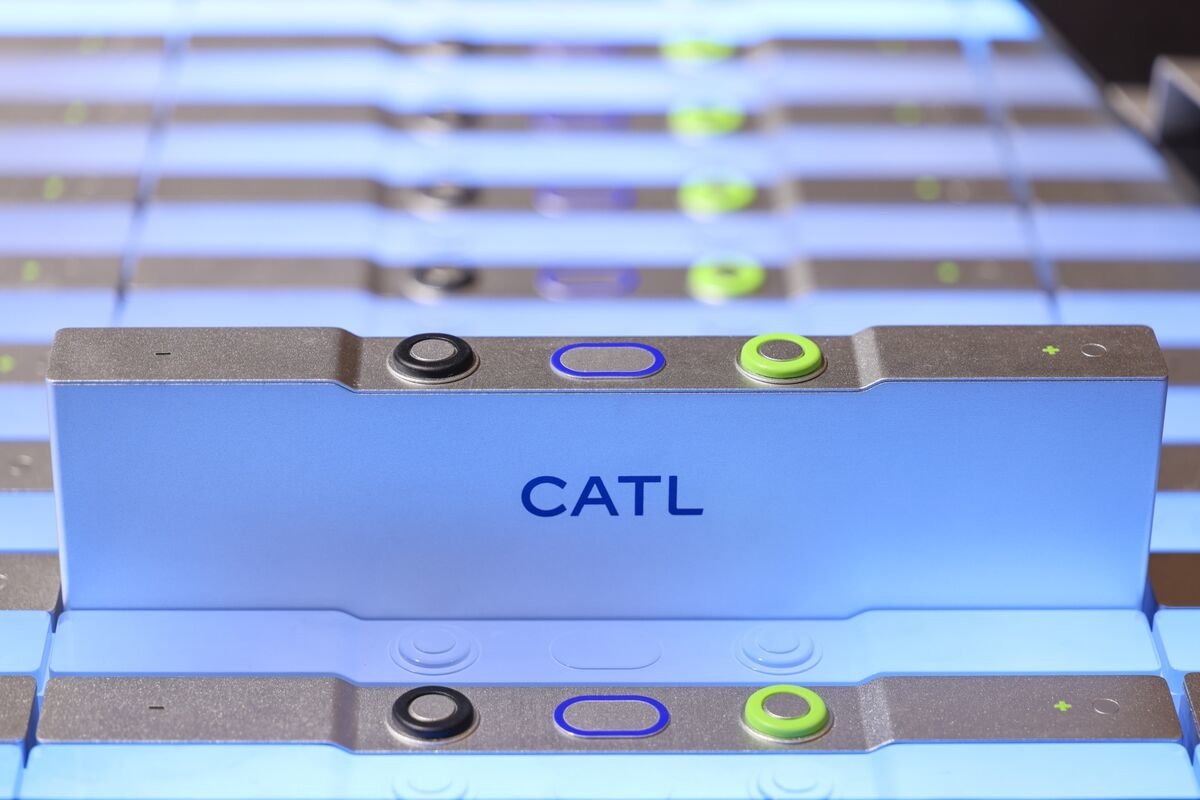
GRST, a Hong Kong-based battery materials company, is expanding commercialization of a PFAS-free water-soluble binder designed to simplify recycling, reduce emissions, and fit into existing lithium-ion battery production lines for electric vehicles.
SYSTEM-DRIVEN
The push to remove toxic fluorinated chemicals from lithium-ion batteries is becoming a major structural issue for the global electric vehicle industry, and Hong Kong-based battery materials company GRST is attempting to position itself at the center of that transition with a water-soluble battery binder aimed at large-scale EV production.
What is confirmed is that GRST has expanded production capacity for its PFAS-free battery binder technology and is actively pursuing partnerships tied to electric mobility applications.
The company says its materials are already being used in battery cells sold into smaller electric mobility markets including scooters, two-wheelers, and stationary energy storage systems, and it is now targeting broader electric vehicle deployment.
The key issue is the role of binders inside lithium-ion batteries.
Binders are chemical materials that hold active battery particles together inside electrodes.
Most commercial lithium-ion batteries currently rely on fluorinated compounds known as PFAS, or perfluoroalkyl and polyfluoroalkyl substances, often described as “forever chemicals” because they resist environmental breakdown and can persist for decades.
These materials are widely used because they provide durability and thermal stability, but they also create major recycling and environmental problems.
Removing PFAS-based materials from batteries often requires energy-intensive chemical processing, high heat, and hazardous solvents.
That raises both the environmental cost and the financial complexity of battery recycling.
GRST’s approach replaces conventional fluorinated binders with water-processable materials designed to dissolve during recycling.
The company argues that this allows batteries to be dismantled using water-based separation methods rather than aggressive chemical treatment.
According to company claims that have not been independently validated at full automotive scale, the process can significantly reduce manufacturing emissions and recycling-related emissions.
The mechanism matters because the electric vehicle industry is entering a phase where battery disposal and recycling are becoming commercially critical rather than theoretical future concerns.
Global EV adoption has accelerated rapidly, meaning large volumes of first-generation EV batteries are now approaching retirement age.
Governments and regulators are simultaneously tightening environmental rules around battery supply chains, recycling standards, and PFAS usage.
The technology also intersects with a broader geopolitical issue.
China dominates much of the global battery manufacturing supply chain, while Western governments are increasingly scrutinizing chemical safety and sustainability standards.
A commercially viable PFAS-free battery system could help manufacturers comply with future environmental regulations while reducing dependence on hazardous processing methods.
GRST says its strategy is designed around compatibility with existing battery production infrastructure.
Instead of requiring entirely new manufacturing systems, the company claims its binder materials can be integrated into current lithium-ion battery production lines with limited modifications.
That is strategically important because battery manufacturers are reluctant to overhaul expensive gigafactory infrastructure unless performance gains are substantial.
The commercial challenge is scale and validation.
Many battery technologies perform well in laboratories or niche applications but fail when exposed to the reliability demands of mass-market electric vehicles.
Automotive batteries must survive years of charging cycles, vibration, temperature variation, and fast-charging stress while meeting strict safety requirements.
The broader battery industry is simultaneously pursuing multiple next-generation technologies including solid-state batteries, dry electrode systems, sodium-ion chemistry, advanced electrolytes, and low-emission recycling methods.
GRST’s binder technology competes within that wider race to reduce battery cost, improve sustainability, and simplify end-of-life recovery.
The company has expanded beyond research operations into manufacturing activity in mainland China and says it now operates production facilities for both battery materials and lithium-ion cells.
It has also publicly stated that it is in discussions with automakers, although no major passenger EV partnership has yet been formally announced.
For Hong Kong, the development reflects an effort to establish a role in higher-value clean technology sectors beyond finance and property.
The territory has recently supported battery recycling, EV infrastructure, and energy-transition projects as part of broader economic diversification efforts tied to green industry development.
The stakes are substantial because battery sustainability is shifting from a branding issue into a regulatory and industrial requirement.
If water-soluble binder systems prove commercially reliable at automotive scale, they could reduce recycling costs, improve material recovery rates, and weaken one of the major environmental criticisms directed at electric vehicle supply chains.
The immediate next phase is commercialization under real automotive operating conditions, where durability, manufacturing consistency, and cost efficiency will determine whether PFAS-free binder systems become a niche environmental product or a mainstream component of the global EV battery industry.
The push to remove toxic fluorinated chemicals from lithium-ion batteries is becoming a major structural issue for the global electric vehicle industry, and Hong Kong-based battery materials company GRST is attempting to position itself at the center of that transition with a water-soluble battery binder aimed at large-scale EV production.
What is confirmed is that GRST has expanded production capacity for its PFAS-free battery binder technology and is actively pursuing partnerships tied to electric mobility applications.
The company says its materials are already being used in battery cells sold into smaller electric mobility markets including scooters, two-wheelers, and stationary energy storage systems, and it is now targeting broader electric vehicle deployment.
The key issue is the role of binders inside lithium-ion batteries.
Binders are chemical materials that hold active battery particles together inside electrodes.
Most commercial lithium-ion batteries currently rely on fluorinated compounds known as PFAS, or perfluoroalkyl and polyfluoroalkyl substances, often described as “forever chemicals” because they resist environmental breakdown and can persist for decades.
These materials are widely used because they provide durability and thermal stability, but they also create major recycling and environmental problems.
Removing PFAS-based materials from batteries often requires energy-intensive chemical processing, high heat, and hazardous solvents.
That raises both the environmental cost and the financial complexity of battery recycling.
GRST’s approach replaces conventional fluorinated binders with water-processable materials designed to dissolve during recycling.
The company argues that this allows batteries to be dismantled using water-based separation methods rather than aggressive chemical treatment.
According to company claims that have not been independently validated at full automotive scale, the process can significantly reduce manufacturing emissions and recycling-related emissions.
The mechanism matters because the electric vehicle industry is entering a phase where battery disposal and recycling are becoming commercially critical rather than theoretical future concerns.
Global EV adoption has accelerated rapidly, meaning large volumes of first-generation EV batteries are now approaching retirement age.
Governments and regulators are simultaneously tightening environmental rules around battery supply chains, recycling standards, and PFAS usage.
The technology also intersects with a broader geopolitical issue.
China dominates much of the global battery manufacturing supply chain, while Western governments are increasingly scrutinizing chemical safety and sustainability standards.
A commercially viable PFAS-free battery system could help manufacturers comply with future environmental regulations while reducing dependence on hazardous processing methods.
GRST says its strategy is designed around compatibility with existing battery production infrastructure.
Instead of requiring entirely new manufacturing systems, the company claims its binder materials can be integrated into current lithium-ion battery production lines with limited modifications.
That is strategically important because battery manufacturers are reluctant to overhaul expensive gigafactory infrastructure unless performance gains are substantial.
The commercial challenge is scale and validation.
Many battery technologies perform well in laboratories or niche applications but fail when exposed to the reliability demands of mass-market electric vehicles.
Automotive batteries must survive years of charging cycles, vibration, temperature variation, and fast-charging stress while meeting strict safety requirements.
The broader battery industry is simultaneously pursuing multiple next-generation technologies including solid-state batteries, dry electrode systems, sodium-ion chemistry, advanced electrolytes, and low-emission recycling methods.
GRST’s binder technology competes within that wider race to reduce battery cost, improve sustainability, and simplify end-of-life recovery.
The company has expanded beyond research operations into manufacturing activity in mainland China and says it now operates production facilities for both battery materials and lithium-ion cells.
It has also publicly stated that it is in discussions with automakers, although no major passenger EV partnership has yet been formally announced.
For Hong Kong, the development reflects an effort to establish a role in higher-value clean technology sectors beyond finance and property.
The territory has recently supported battery recycling, EV infrastructure, and energy-transition projects as part of broader economic diversification efforts tied to green industry development.
The stakes are substantial because battery sustainability is shifting from a branding issue into a regulatory and industrial requirement.
If water-soluble binder systems prove commercially reliable at automotive scale, they could reduce recycling costs, improve material recovery rates, and weaken one of the major environmental criticisms directed at electric vehicle supply chains.
The immediate next phase is commercialization under real automotive operating conditions, where durability, manufacturing consistency, and cost efficiency will determine whether PFAS-free binder systems become a niche environmental product or a mainstream component of the global EV battery industry.