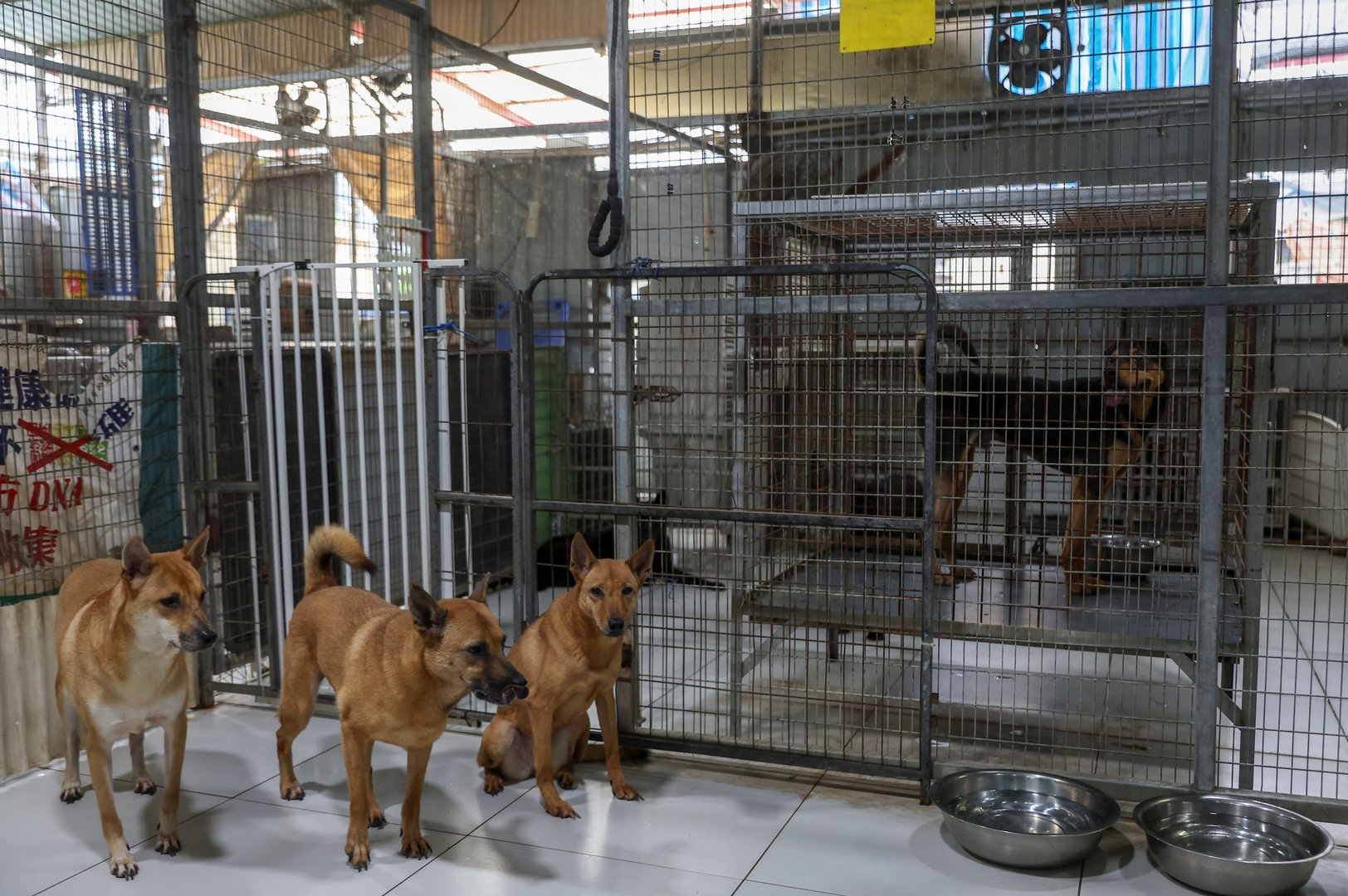
Collisions involving wild and stray animals have surged across Hong Kong’s roads, exposing growing pressure from urban expansion, habitat overlap, and gaps in wildlife management and traffic enforcement.
SYSTEM-DRIVEN
Hong Kong’s sharp increase in traffic accidents involving animals is being driven by structural changes in land use, wildlife movement, transport density, and urban expansion that are forcing more frequent interaction between vehicles and animals on roads built through or alongside natural habitats.
The rise is not tied to a single species or isolated incident but reflects a broader collision between dense infrastructure and expanding ecological overlap.
What is confirmed is that reported traffic accidents involving animals have increased dramatically over the past four years, rising more than elevenfold according to official figures and public safety data reviewed in recent reporting.
The incidents include collisions with wild boars, stray cattle, dogs, monkeys, and other animals moving into residential or roadway areas.
Wild boars have become one of the most visible contributors.
The animals increasingly enter urban districts, parks, roadside corridors, and residential neighborhoods searching for food, often crossing major roads or appearing in high-traffic areas.
Hong Kong’s mountainous terrain and proximity between urban development and country parks create unusually narrow boundaries between wildlife zones and transportation infrastructure.
The mechanism behind the surge is multi-layered.
Road density has expanded, vehicle ownership remains high, and urban development has pushed human activity closer to natural habitats.
At the same time, some wildlife populations have adapted to urban conditions, becoming less fearful of human environments and more dependent on food sources linked to residential waste or direct feeding.
The issue intensified after years of public debate over wild boar management.
Hong Kong authorities shifted policy from capture-and-relocation toward culling after several highly publicized incidents involving injuries and aggressive encounters in urban districts.
Officials argued that feeding by residents had altered animal behavior and increased public safety risks.
Animal welfare groups criticized the culling strategy, arguing that habitat disruption and poor waste control contributed more significantly to the problem than animal population growth alone.
They also warned that fragmented management policies could increase unpredictable wildlife movement rather than reduce it.
The rise in road accidents now adds a transport safety dimension to what had previously been treated mainly as a wildlife management issue.
Collisions involving large animals can cause severe vehicle damage, serious injury, or secondary accidents involving multiple cars or motorcycles.
Motorcyclists are particularly vulnerable because even smaller animals can trigger fatal loss-of-control crashes.
The problem is geographically uneven but increasingly widespread.
Rural districts in the New Territories remain the highest-risk areas because roads frequently cut through forested terrain and undeveloped land.
However, incidents have also spread into suburban and densely populated urban-adjacent districts as wildlife movement patterns evolve.
Stray cattle and buffaloes present a separate challenge.
Some descend from animals abandoned after the decline of traditional farming in Hong Kong.
They often roam near roads in semi-rural districts and can remain difficult to relocate because of legal, logistical, and welfare concerns.
The surge also reflects broader ecological pressures.
Extreme weather, habitat fragmentation, construction activity, and changing food availability can alter animal movement routes.
Heavy rainfall and heat stress may push animals toward populated areas or roadside drainage systems where collisions become more likely.
Authorities have expanded warning signage, roadside barriers, surveillance measures, and public education campaigns in some districts.
Transport officials and wildlife agencies are also studying traffic hotspots to identify areas requiring fencing, speed reduction measures, or ecological crossing infrastructure.
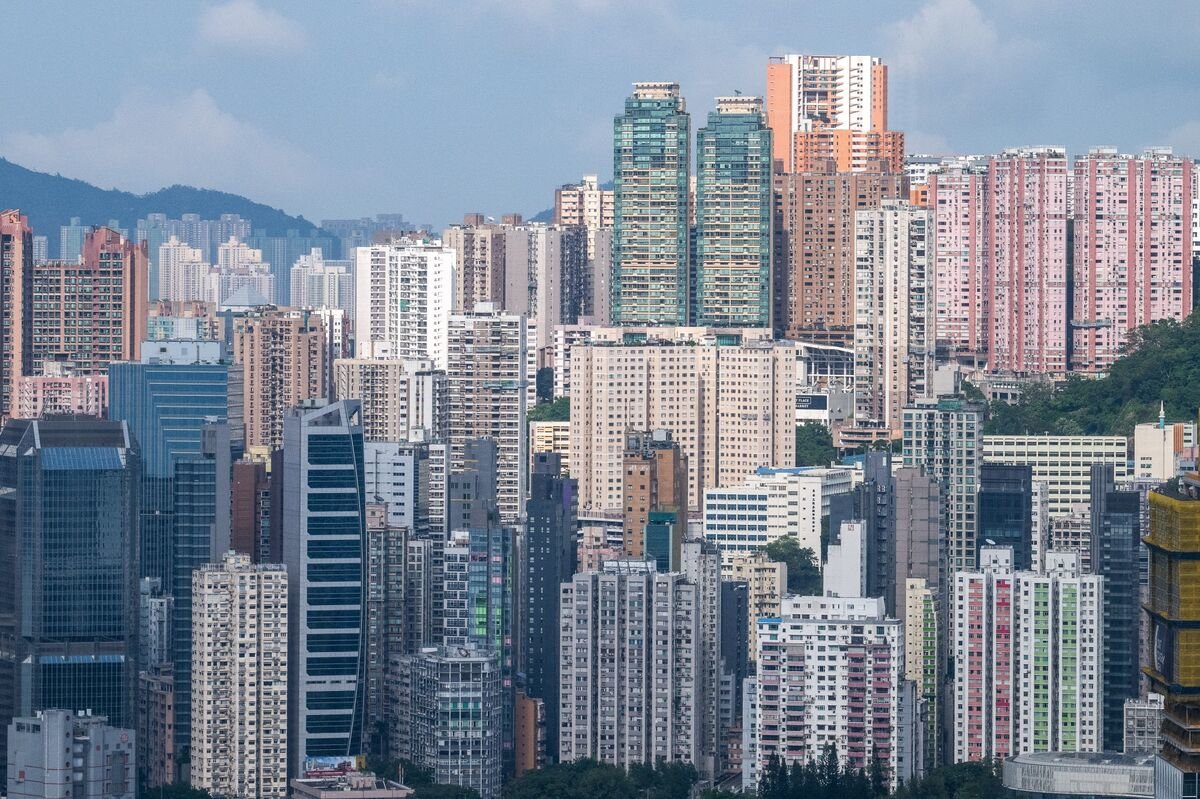
The challenge is particularly complex because Hong Kong combines intense urban density with extensive protected green space.
Roughly forty percent of the territory is designated as country parks or protected land, meaning transport systems and wildlife corridors often exist in close proximity.
The economic and social costs are rising alongside the accident numbers.
Vehicle repair claims, emergency response demands, traffic disruption, and public safety concerns have all increased.
At the same time, wildlife-related incidents can trigger political conflict between conservation advocates, residents, and authorities over how aggressive management policies should become.
The broader implication is that Hong Kong’s transport and environmental systems are no longer operating independently.
Wildlife management, urban planning, road engineering, and public behavior are increasingly interconnected policy areas.
The immediate consequence of the surge is that animal-related traffic risk is now being treated as a sustained infrastructure and public safety issue rather than an isolated wildlife nuisance, forcing authorities to integrate ecological management directly into transport planning and road safety strategy.
Hong Kong’s sharp increase in traffic accidents involving animals is being driven by structural changes in land use, wildlife movement, transport density, and urban expansion that are forcing more frequent interaction between vehicles and animals on roads built through or alongside natural habitats.
The rise is not tied to a single species or isolated incident but reflects a broader collision between dense infrastructure and expanding ecological overlap.
What is confirmed is that reported traffic accidents involving animals have increased dramatically over the past four years, rising more than elevenfold according to official figures and public safety data reviewed in recent reporting.
The incidents include collisions with wild boars, stray cattle, dogs, monkeys, and other animals moving into residential or roadway areas.
Wild boars have become one of the most visible contributors.
The animals increasingly enter urban districts, parks, roadside corridors, and residential neighborhoods searching for food, often crossing major roads or appearing in high-traffic areas.
Hong Kong’s mountainous terrain and proximity between urban development and country parks create unusually narrow boundaries between wildlife zones and transportation infrastructure.
The mechanism behind the surge is multi-layered.
Road density has expanded, vehicle ownership remains high, and urban development has pushed human activity closer to natural habitats.
At the same time, some wildlife populations have adapted to urban conditions, becoming less fearful of human environments and more dependent on food sources linked to residential waste or direct feeding.
The issue intensified after years of public debate over wild boar management.
Hong Kong authorities shifted policy from capture-and-relocation toward culling after several highly publicized incidents involving injuries and aggressive encounters in urban districts.
Officials argued that feeding by residents had altered animal behavior and increased public safety risks.
Animal welfare groups criticized the culling strategy, arguing that habitat disruption and poor waste control contributed more significantly to the problem than animal population growth alone.
They also warned that fragmented management policies could increase unpredictable wildlife movement rather than reduce it.
The rise in road accidents now adds a transport safety dimension to what had previously been treated mainly as a wildlife management issue.
Collisions involving large animals can cause severe vehicle damage, serious injury, or secondary accidents involving multiple cars or motorcycles.
Motorcyclists are particularly vulnerable because even smaller animals can trigger fatal loss-of-control crashes.
The problem is geographically uneven but increasingly widespread.
Rural districts in the New Territories remain the highest-risk areas because roads frequently cut through forested terrain and undeveloped land.
However, incidents have also spread into suburban and densely populated urban-adjacent districts as wildlife movement patterns evolve.
Stray cattle and buffaloes present a separate challenge.
Some descend from animals abandoned after the decline of traditional farming in Hong Kong.
They often roam near roads in semi-rural districts and can remain difficult to relocate because of legal, logistical, and welfare concerns.
The surge also reflects broader ecological pressures.
Extreme weather, habitat fragmentation, construction activity, and changing food availability can alter animal movement routes.
Heavy rainfall and heat stress may push animals toward populated areas or roadside drainage systems where collisions become more likely.
Authorities have expanded warning signage, roadside barriers, surveillance measures, and public education campaigns in some districts.
Transport officials and wildlife agencies are also studying traffic hotspots to identify areas requiring fencing, speed reduction measures, or ecological crossing infrastructure.
The challenge is particularly complex because Hong Kong combines intense urban density with extensive protected green space.
Roughly forty percent of the territory is designated as country parks or protected land, meaning transport systems and wildlife corridors often exist in close proximity.
The economic and social costs are rising alongside the accident numbers.
Vehicle repair claims, emergency response demands, traffic disruption, and public safety concerns have all increased.
At the same time, wildlife-related incidents can trigger political conflict between conservation advocates, residents, and authorities over how aggressive management policies should become.
The broader implication is that Hong Kong’s transport and environmental systems are no longer operating independently.
Wildlife management, urban planning, road engineering, and public behavior are increasingly interconnected policy areas.
The immediate consequence of the surge is that animal-related traffic risk is now being treated as a sustained infrastructure and public safety issue rather than an isolated wildlife nuisance, forcing authorities to integrate ecological management directly into transport planning and road safety strategy.