Crypto momentum faces regional cooling while investor appetite pivots toward high-growth AI listings in Hong Kong
Market-driven shifts in global capital allocation are pushing Bitcoin toward the $80,000 threshold even as a key source of demand in Asia shows signs of weakening, highlighting a divergence between speculative digital assets and surging equity interest in artificial intelligence companies.
What is confirmed is that Bitcoin has recently tested levels close to $80,000, extending a rally fueled by institutional inflows, exchange-traded product demand, and expectations of looser monetary conditions in major economies.
The move places the cryptocurrency near historic highs and underscores its continued sensitivity to global liquidity cycles rather than purely retail-driven enthusiasm.
At the same time, trading data indicates that Asian buying pressure—long a critical driver of crypto price momentum—has moderated.
Regional premiums that typically signal strong demand have narrowed or turned negative, suggesting reduced appetite among traders in key markets such as Hong Kong, South Korea, and parts of mainland China-linked platforms.
This cooling does not signal a collapse in participation but reflects a shift in where speculative capital is being deployed.
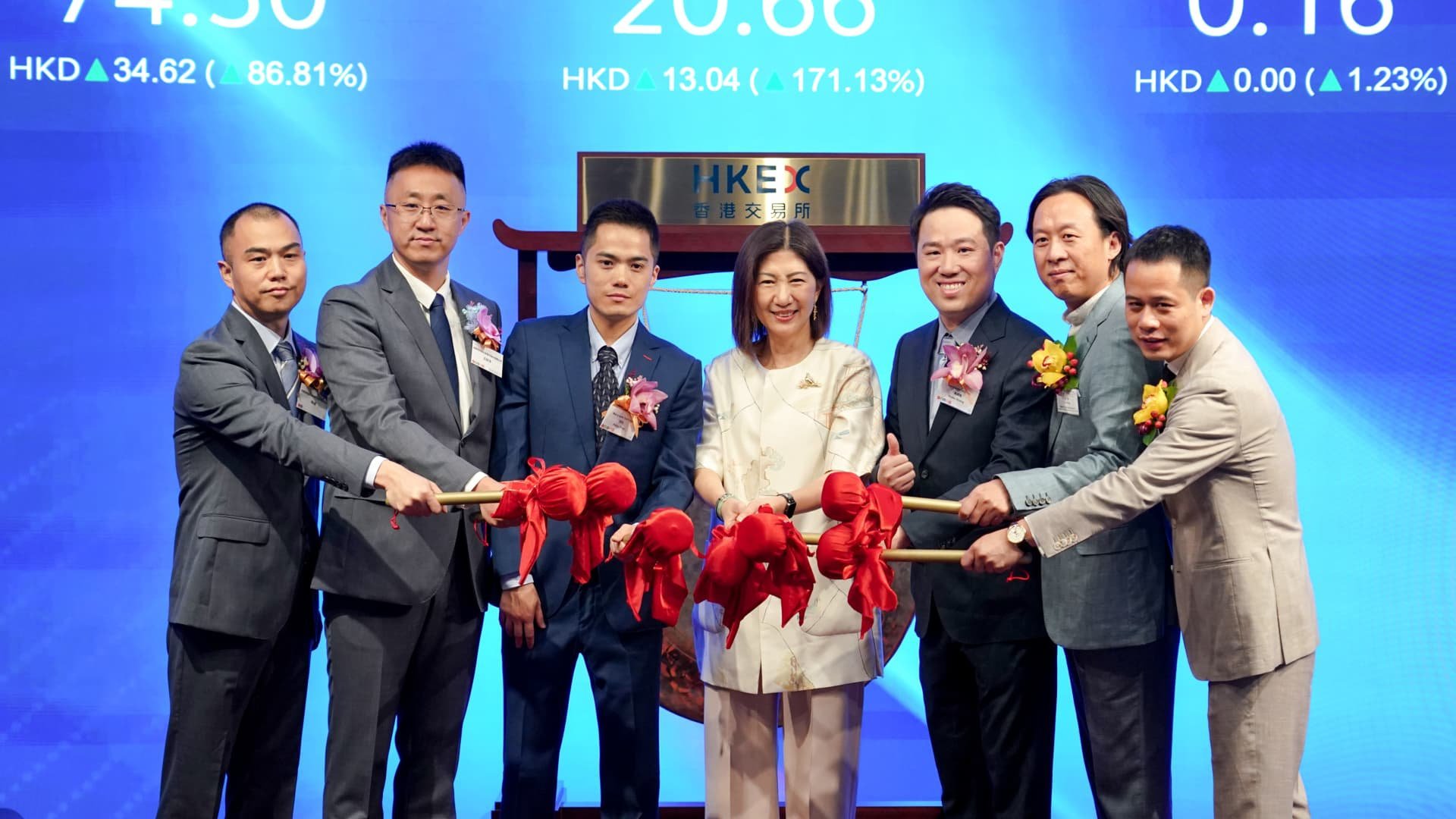
The key issue is the rapid reallocation of investor attention toward equity markets in Hong Kong, where a wave of artificial intelligence-focused initial public offerings has generated outsized returns.
Several newly listed companies tied to AI infrastructure, data services, and semiconductor ecosystems have seen sharp post-listing gains, drawing liquidity away from alternative assets.
The surge has been amplified by policy support for technology financing and a broader effort to position Hong Kong as a capital hub for next-generation industries.
This dynamic is reshaping short-term crypto flows.
Institutional investors, particularly hedge funds and multi-asset managers, are increasingly treating Bitcoin as one component within a broader risk portfolio rather than a standalone speculative trade.
When high-growth equity opportunities emerge with clearer earnings narratives, capital rotates accordingly, dampening marginal demand for digital assets.
Despite softer Asian participation, Bitcoin’s resilience reflects structural changes in its investor base.
Spot-based investment vehicles and regulated market access in the United States and Europe have reduced reliance on offshore retail flows.
This has made price action more stable but also more sensitive to macroeconomic signals such as interest rate expectations and dollar liquidity.
The divergence also highlights a broader competition between asset classes.
Artificial intelligence equities offer exposure to tangible revenue growth and government-backed industrial policy, while cryptocurrencies continue to trade largely on scarcity narratives and macro hedging.
In periods where growth visibility improves, equities tend to attract incremental capital at the expense of more abstract stores of value.
For Hong Kong, the IPO surge represents a strategic shift.
Authorities have actively encouraged listings tied to advanced technology sectors, aiming to revive market activity and compete with mainland exchanges and U.S. capital markets.
The strong debut performance of AI-linked companies signals that global investors are willing to re-engage with the city when compelling sectoral themes align with policy support.
The immediate consequence is a more fragmented global risk environment.
Bitcoin remains elevated and volatile, supported by institutional demand, while regional flows fluctuate based on competing opportunities.
Equity markets tied to artificial intelligence are absorbing a growing share of speculative and growth-oriented capital, particularly in Asia.
This redistribution of capital does not weaken Bitcoin’s long-term positioning but introduces new constraints on momentum.
As long as alternative high-return opportunities persist, especially in policy-backed sectors like AI, crypto rallies are likely to face intermittent headwinds from shifting investor priorities.
The current market reflects a recalibration rather than a reversal, with capital actively rotating between digital assets and equity growth stories depending on relative opportunity.
What is confirmed is that Bitcoin has recently tested levels close to $80,000, extending a rally fueled by institutional inflows, exchange-traded product demand, and expectations of looser monetary conditions in major economies.
The move places the cryptocurrency near historic highs and underscores its continued sensitivity to global liquidity cycles rather than purely retail-driven enthusiasm.
At the same time, trading data indicates that Asian buying pressure—long a critical driver of crypto price momentum—has moderated.
Regional premiums that typically signal strong demand have narrowed or turned negative, suggesting reduced appetite among traders in key markets such as Hong Kong, South Korea, and parts of mainland China-linked platforms.
This cooling does not signal a collapse in participation but reflects a shift in where speculative capital is being deployed.
The key issue is the rapid reallocation of investor attention toward equity markets in Hong Kong, where a wave of artificial intelligence-focused initial public offerings has generated outsized returns.
Several newly listed companies tied to AI infrastructure, data services, and semiconductor ecosystems have seen sharp post-listing gains, drawing liquidity away from alternative assets.
The surge has been amplified by policy support for technology financing and a broader effort to position Hong Kong as a capital hub for next-generation industries.
This dynamic is reshaping short-term crypto flows.
Institutional investors, particularly hedge funds and multi-asset managers, are increasingly treating Bitcoin as one component within a broader risk portfolio rather than a standalone speculative trade.
When high-growth equity opportunities emerge with clearer earnings narratives, capital rotates accordingly, dampening marginal demand for digital assets.
Despite softer Asian participation, Bitcoin’s resilience reflects structural changes in its investor base.
Spot-based investment vehicles and regulated market access in the United States and Europe have reduced reliance on offshore retail flows.
This has made price action more stable but also more sensitive to macroeconomic signals such as interest rate expectations and dollar liquidity.
The divergence also highlights a broader competition between asset classes.
Artificial intelligence equities offer exposure to tangible revenue growth and government-backed industrial policy, while cryptocurrencies continue to trade largely on scarcity narratives and macro hedging.
In periods where growth visibility improves, equities tend to attract incremental capital at the expense of more abstract stores of value.
For Hong Kong, the IPO surge represents a strategic shift.
Authorities have actively encouraged listings tied to advanced technology sectors, aiming to revive market activity and compete with mainland exchanges and U.S. capital markets.
The strong debut performance of AI-linked companies signals that global investors are willing to re-engage with the city when compelling sectoral themes align with policy support.
The immediate consequence is a more fragmented global risk environment.
Bitcoin remains elevated and volatile, supported by institutional demand, while regional flows fluctuate based on competing opportunities.
Equity markets tied to artificial intelligence are absorbing a growing share of speculative and growth-oriented capital, particularly in Asia.
This redistribution of capital does not weaken Bitcoin’s long-term positioning but introduces new constraints on momentum.
As long as alternative high-return opportunities persist, especially in policy-backed sectors like AI, crypto rallies are likely to face intermittent headwinds from shifting investor priorities.
The current market reflects a recalibration rather than a reversal, with capital actively rotating between digital assets and equity growth stories depending on relative opportunity.