Deal, reported by local media and later confirmed by Uber, strengthens the company’s position ahead of upcoming regulatory changes for ride-hailing services in Hong Kong
Uber has agreed to acquire FlyTaxi, a Hong Kong-based taxi-hailing platform, in a move that consolidates its position in one of Asia’s most tightly regulated and strategically sensitive urban transport markets.
The acquisition was first reported by local media and subsequently confirmed through corporate statements, with financial terms not disclosed.
What is confirmed is that FlyTaxi will continue to operate for now under its existing brand and service structure, and users of both Uber and FlyTaxi apps are not expected to see immediate operational changes.
The companies have framed the deal as a technology and market integration effort rather than an immediate platform merger.
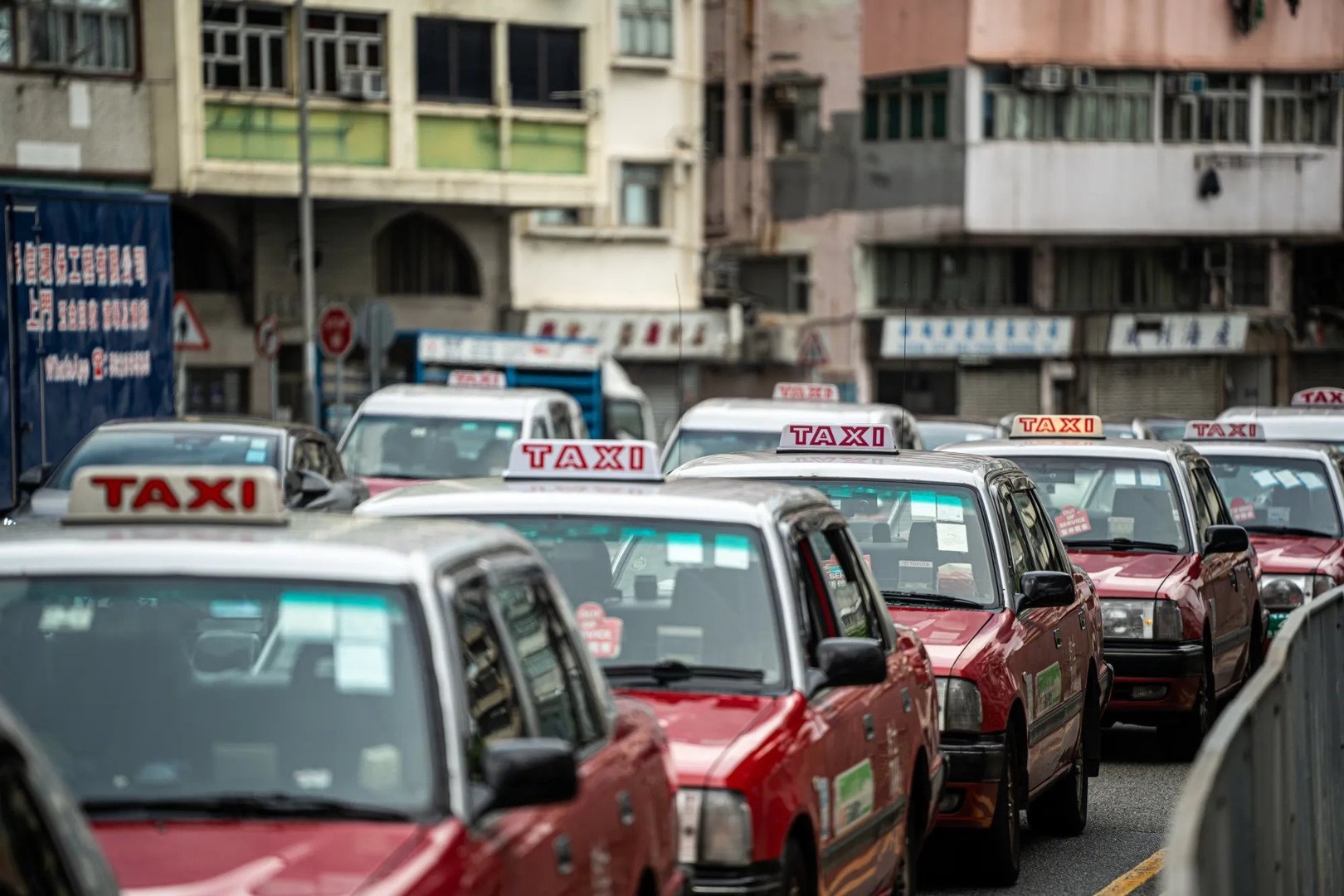
FlyTaxi is a locally developed ride-hailing application that connects passengers with licensed taxis.
It was founded in 2013 and became one of the earliest large-scale digital platforms to formalize taxi booking in Hong Kong.
Its user base expanded as a domestic alternative to Uber, particularly after earlier consolidation in the market, when Uber absorbed competing local services and integrated them into its ecosystem.
The strategic significance of the acquisition lies less in FlyTaxi’s standalone scale and more in timing.
Hong Kong is preparing to introduce a formal licensing regime for ride-hailing platforms, which will impose structured requirements on operators and drivers, including permits, compliance obligations, and vehicle standards.
That regulatory shift is expected to reshape competition by determining which platforms can legally operate at scale.
By acquiring a major local competitor ahead of that framework, Uber is positioning itself to enter the new regime with a stronger integrated base of drivers, data, and market share.
The company has described the move as a way to combine FlyTaxi’s local operational knowledge with its global technology systems, aiming to improve efficiency for drivers and service consistency for passengers.
The deal also reflects a broader pattern in Uber’s international strategy, in which it has increasingly used acquisitions or partnerships to consolidate fragmented urban mobility markets before regulatory transitions or competitive entry points emerge.
In Hong Kong specifically, where taxi services have long been politically and economically sensitive, consolidation reduces the number of independent digital intermediaries in the system.
No details have been disclosed about integration timelines, platform migration plans, or whether FlyTaxi will remain a distinct consumer-facing app over the long term.
For now, both companies are maintaining operational continuity, while the market adjusts to another step toward a more centralized ride-hailing structure in Hong Kong’s transport ecosystem.
The acquisition was first reported by local media and subsequently confirmed through corporate statements, with financial terms not disclosed.
What is confirmed is that FlyTaxi will continue to operate for now under its existing brand and service structure, and users of both Uber and FlyTaxi apps are not expected to see immediate operational changes.
The companies have framed the deal as a technology and market integration effort rather than an immediate platform merger.
FlyTaxi is a locally developed ride-hailing application that connects passengers with licensed taxis.
It was founded in 2013 and became one of the earliest large-scale digital platforms to formalize taxi booking in Hong Kong.
Its user base expanded as a domestic alternative to Uber, particularly after earlier consolidation in the market, when Uber absorbed competing local services and integrated them into its ecosystem.
The strategic significance of the acquisition lies less in FlyTaxi’s standalone scale and more in timing.
Hong Kong is preparing to introduce a formal licensing regime for ride-hailing platforms, which will impose structured requirements on operators and drivers, including permits, compliance obligations, and vehicle standards.
That regulatory shift is expected to reshape competition by determining which platforms can legally operate at scale.
By acquiring a major local competitor ahead of that framework, Uber is positioning itself to enter the new regime with a stronger integrated base of drivers, data, and market share.
The company has described the move as a way to combine FlyTaxi’s local operational knowledge with its global technology systems, aiming to improve efficiency for drivers and service consistency for passengers.
The deal also reflects a broader pattern in Uber’s international strategy, in which it has increasingly used acquisitions or partnerships to consolidate fragmented urban mobility markets before regulatory transitions or competitive entry points emerge.
In Hong Kong specifically, where taxi services have long been politically and economically sensitive, consolidation reduces the number of independent digital intermediaries in the system.
No details have been disclosed about integration timelines, platform migration plans, or whether FlyTaxi will remain a distinct consumer-facing app over the long term.
For now, both companies are maintaining operational continuity, while the market adjusts to another step toward a more centralized ride-hailing structure in Hong Kong’s transport ecosystem.