Extreme oversubscription and sharp first-day gains highlight a speculative wave in Hong Kong’s healthcare and tech listings
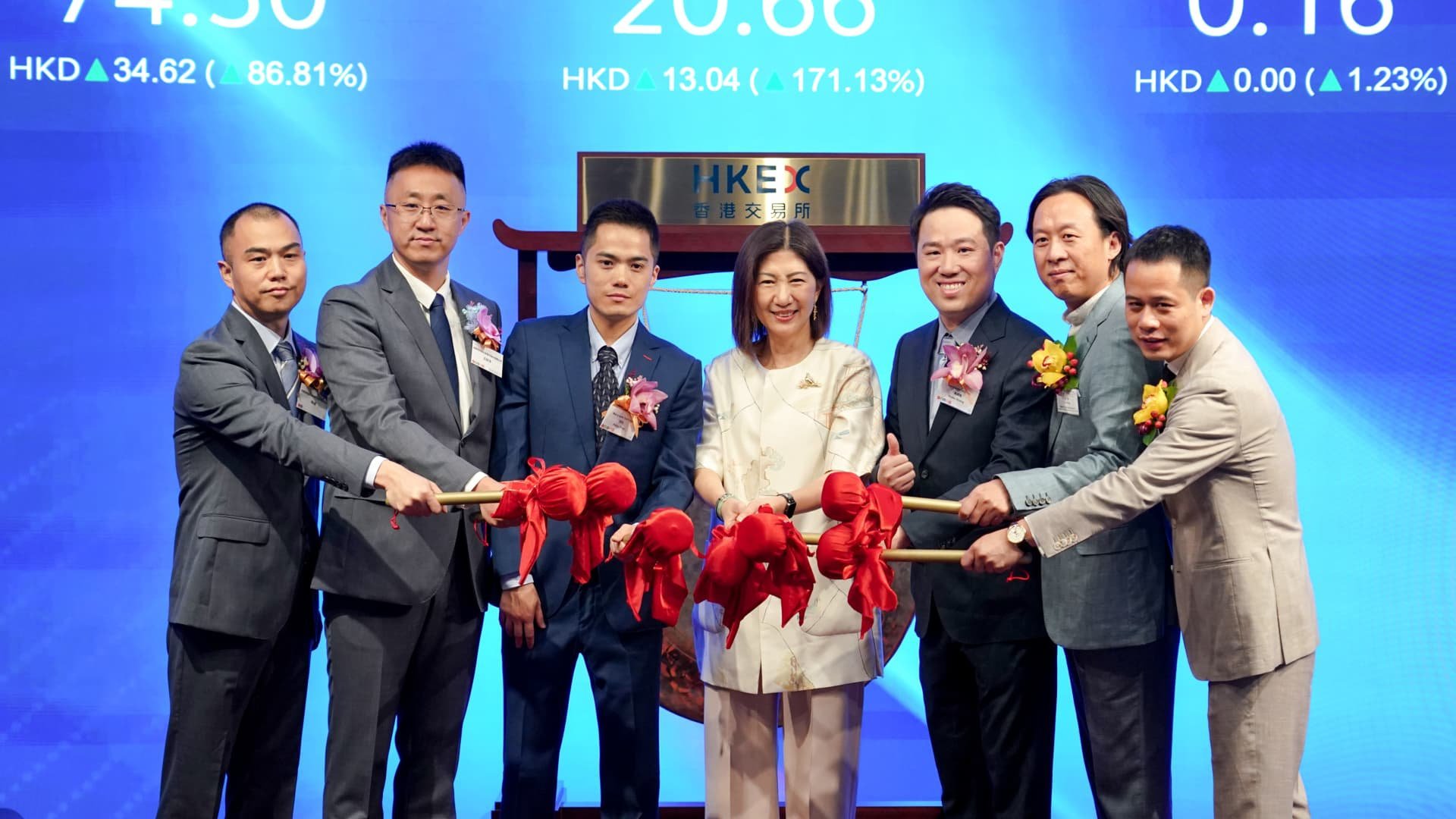
Star Sports Medicine Co. delivered one of the most striking Hong Kong market debuts of the year, with its shares surging as much as 204% above its initial public offering price during the first trading session.
The Beijing-based medical device manufacturer, which focuses on sports-related orthopedic implants and rehabilitation equipment, saw its stock climb from HK$98.50 to intraday levels near HK$299, reflecting intense early demand from investors.
The listing raised approximately HK$829.6 million and was heavily oversubscribed, with retail subscription demand reportedly exceeding available shares by thousands of times.
This imbalance has become a defining feature of recent Hong Kong IPOs, where limited allocations and strong speculative interest frequently lead to sharp post-listing price spikes.
The key issue is not the performance of a single company but the broader structure of Hong Kong’s current IPO environment.
A growing number of new listings are experiencing extreme first-day gains driven by underpriced offerings, constrained float sizes, and concentrated retail participation.
This pattern has been particularly visible in healthcare, technology, and advanced manufacturing sectors.
Star Sports operates in the orthopedic and sports medicine segment, producing surgical devices and rehabilitation products used in joint repair and injury treatment.
Its business reflects a wider push among Chinese healthcare companies to raise capital in Hong Kong, where access to international investors and relative regulatory flexibility make the market attractive for expansion-stage firms.
Market data shows that similar listings in recent months have also recorded triple-digit percentage gains on debut, suggesting that Star Sports is part of a broader cycle rather than an isolated anomaly.
Average first-day gains across new Hong Kong listings have risen significantly, driven by repeated patterns of oversubscription and tight public float structures.
The mechanics of this trend are rooted in IPO pricing strategies.
Offer prices are often set conservatively to ensure full subscription, but limited share availability in retail tranches leads to aggressive buying pressure once trading begins.
This creates rapid repricing in the secondary market as investors compete for scarce shares.
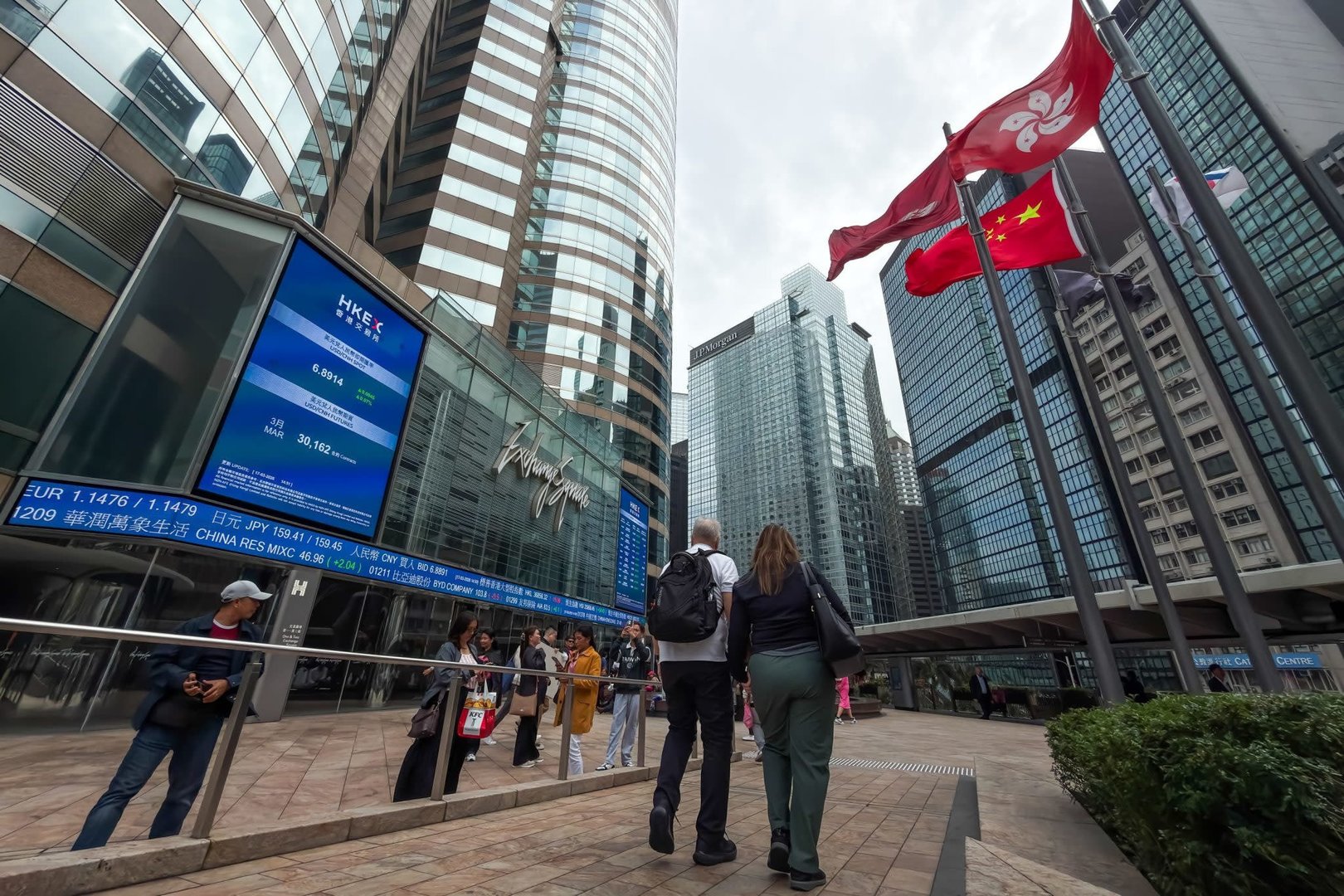
Hong Kong’s role as a primary offshore listing venue for mainland Chinese firms has reinforced this dynamic.
With restricted access to U.S. capital markets for many Chinese companies, Hong Kong has become the central platform for equity fundraising in healthcare and technology sectors seeking global capital exposure.
The result is a market increasingly defined by initial trading volatility rather than gradual price discovery.
While issuers benefit from successful capital raising and strong opening valuations, investors face heightened risk of entering positions after sharp early-stage price inflation.
Star Sports’ debut underscores the persistence of this IPO cycle, where speculative demand, limited supply, and sector-driven enthusiasm combine to produce extreme first-day market moves.
The continuation of this pattern will depend on whether upcoming listings sustain similar levels of investor oversubscription and liquidity concentration.
The Beijing-based medical device manufacturer, which focuses on sports-related orthopedic implants and rehabilitation equipment, saw its stock climb from HK$98.50 to intraday levels near HK$299, reflecting intense early demand from investors.
The listing raised approximately HK$829.6 million and was heavily oversubscribed, with retail subscription demand reportedly exceeding available shares by thousands of times.
This imbalance has become a defining feature of recent Hong Kong IPOs, where limited allocations and strong speculative interest frequently lead to sharp post-listing price spikes.
The key issue is not the performance of a single company but the broader structure of Hong Kong’s current IPO environment.
A growing number of new listings are experiencing extreme first-day gains driven by underpriced offerings, constrained float sizes, and concentrated retail participation.
This pattern has been particularly visible in healthcare, technology, and advanced manufacturing sectors.
Star Sports operates in the orthopedic and sports medicine segment, producing surgical devices and rehabilitation products used in joint repair and injury treatment.
Its business reflects a wider push among Chinese healthcare companies to raise capital in Hong Kong, where access to international investors and relative regulatory flexibility make the market attractive for expansion-stage firms.
Market data shows that similar listings in recent months have also recorded triple-digit percentage gains on debut, suggesting that Star Sports is part of a broader cycle rather than an isolated anomaly.
Average first-day gains across new Hong Kong listings have risen significantly, driven by repeated patterns of oversubscription and tight public float structures.
The mechanics of this trend are rooted in IPO pricing strategies.
Offer prices are often set conservatively to ensure full subscription, but limited share availability in retail tranches leads to aggressive buying pressure once trading begins.
This creates rapid repricing in the secondary market as investors compete for scarce shares.
Hong Kong’s role as a primary offshore listing venue for mainland Chinese firms has reinforced this dynamic.
With restricted access to U.S. capital markets for many Chinese companies, Hong Kong has become the central platform for equity fundraising in healthcare and technology sectors seeking global capital exposure.
The result is a market increasingly defined by initial trading volatility rather than gradual price discovery.
While issuers benefit from successful capital raising and strong opening valuations, investors face heightened risk of entering positions after sharp early-stage price inflation.
Star Sports’ debut underscores the persistence of this IPO cycle, where speculative demand, limited supply, and sector-driven enthusiasm combine to produce extreme first-day market moves.
The continuation of this pattern will depend on whether upcoming listings sustain similar levels of investor oversubscription and liquidity concentration.