Battery giant’s major equity offering reshapes investor positioning as volatility rises in Hong Kong listings market
The trading response in Hong Kong’s equity market following a large-scale share sale by Contemporary Amperex Technology Co. Limited (CATL), one of the world’s dominant electric vehicle battery manufacturers, has reflected a sharp repositioning by investors after a blockbuster fundraising event.
What is confirmed is that CATL completed a major share sale in Hong Kong, attracting substantial institutional participation and marking one of the largest capital market transactions of its kind in the renewable energy and battery sector.
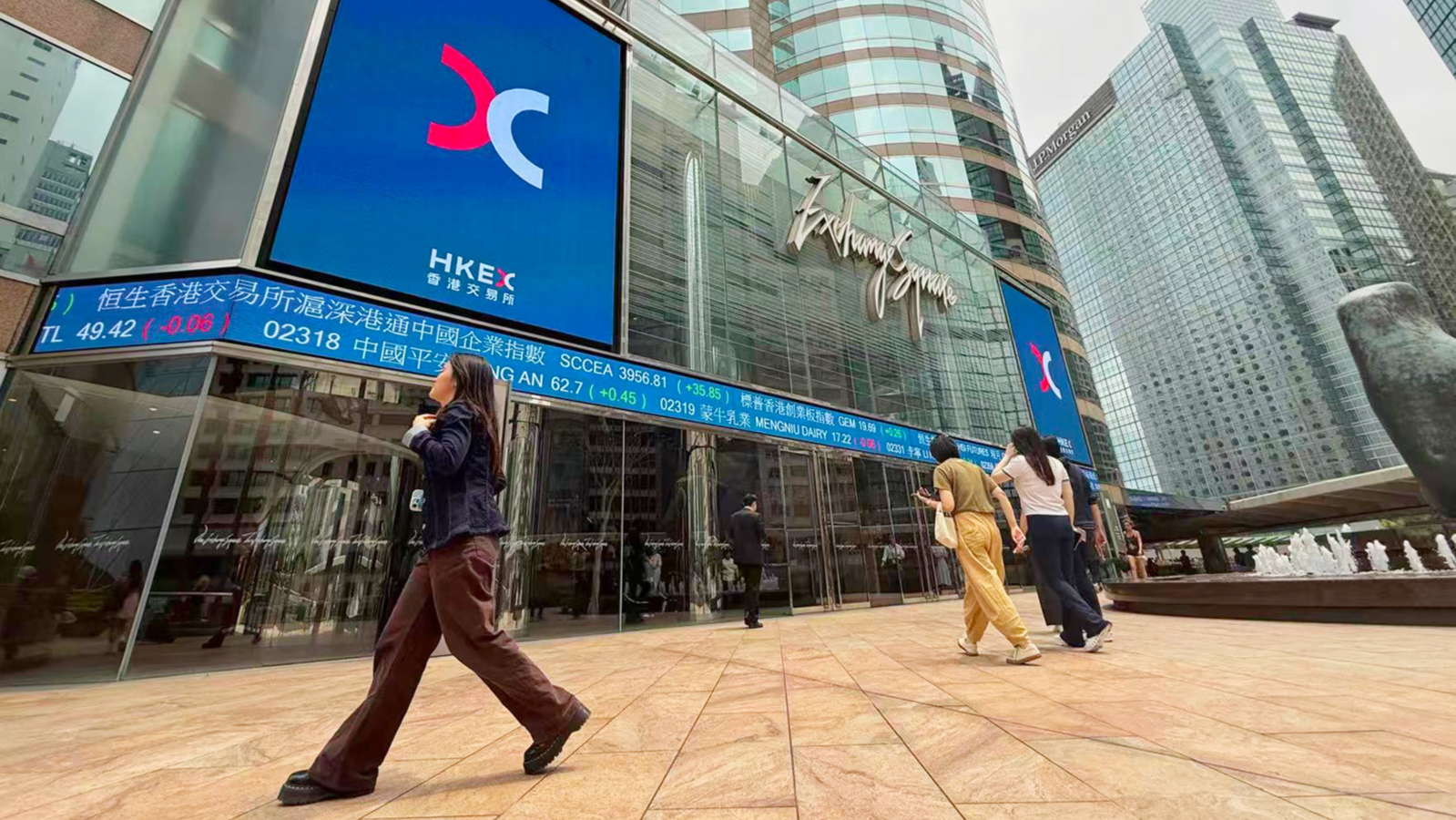
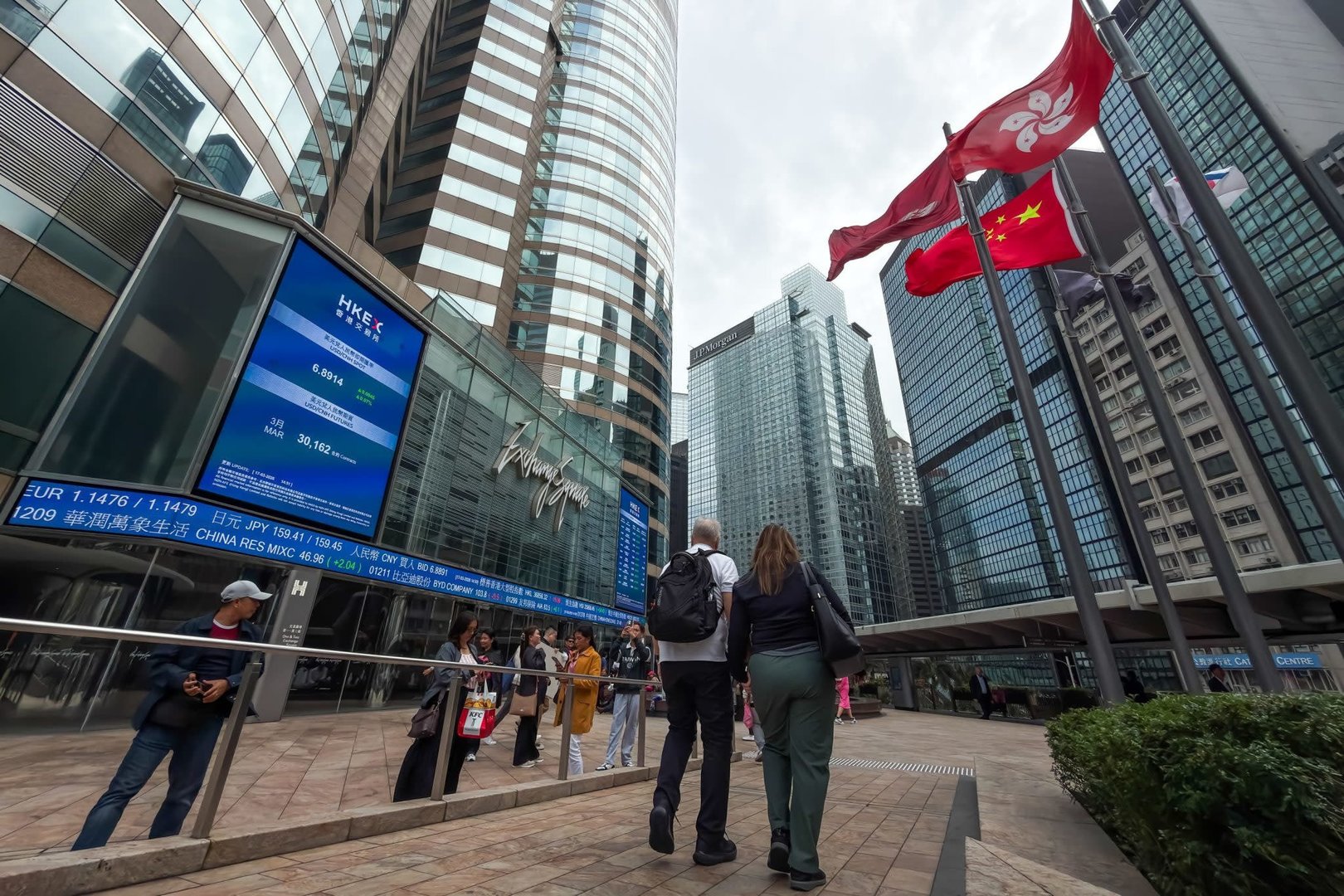
The offering expanded the company’s access to offshore capital and reinforced Hong Kong’s role as a secondary listing and fundraising hub for mainland Chinese technology champions.
The key issue is the post-offering market behavior.
Following the placement, short-term trading patterns indicated a retreat by bearish positions, with some investors reducing exposure after initial volatility.
This reaction is typical in large equity offerings where liquidity shifts, pricing stabilizes, and speculative positioning recalibrates in the days immediately after issuance.
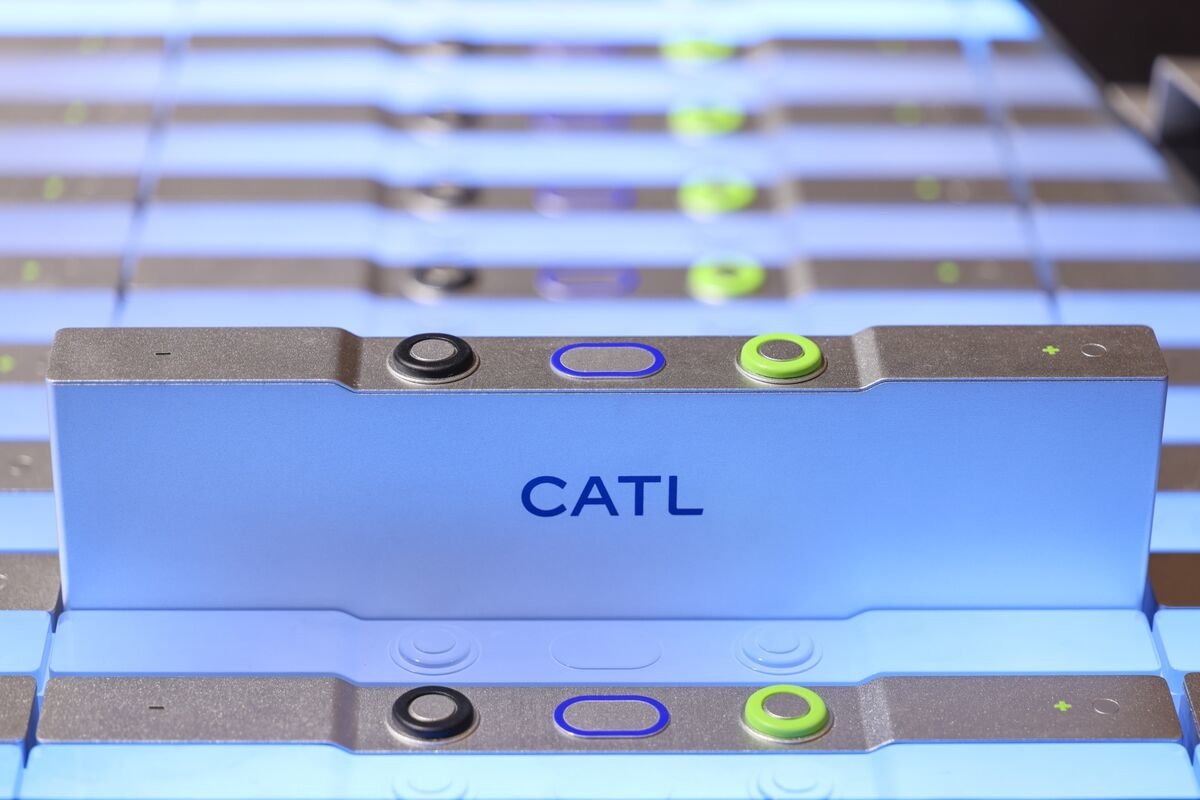
CATL, a critical supplier in the global electric vehicle supply chain, produces lithium-ion batteries used by major automakers worldwide.
Its scale and technological position make its capital market activity closely watched as a proxy for broader demand trends in electric vehicles and energy storage systems.
The share sale itself reflects broader financing dynamics in the sector.
As global competition intensifies and capital-intensive expansion continues, leading battery manufacturers have increasingly turned to equity markets to fund capacity growth, research and development, and overseas expansion.
Hong Kong remains a key venue due to its international investor base and regulatory alignment with mainland issuers.
Investor reaction also reflects shifting sentiment in China-linked equities more broadly.
While long-term structural demand for electric vehicles remains intact, short-term concerns around pricing pressure, industrial overcapacity, and global macroeconomic conditions have contributed to more cautious positioning among hedge funds and trading desks.
Market mechanics following large placements often include temporary price pressure and elevated volatility as new shares are absorbed.
In CATL’s case, the scale of the transaction amplified these effects, drawing attention from global funds that track benchmark-weighted Chinese industrial and technology exposures.
The broader implication is that Hong Kong’s capital markets continue to function as a critical liquidity channel for large-scale industrial issuers, even as investor sentiment fluctuates between long-term thematic optimism and short-term risk management.
The immediate consequence is a rebalancing of positions across derivatives and cash equity markets linked to CATL, with trading activity stabilizing as the post-offering supply shock is absorbed into broader institutional portfolios.
What is confirmed is that CATL completed a major share sale in Hong Kong, attracting substantial institutional participation and marking one of the largest capital market transactions of its kind in the renewable energy and battery sector.
The offering expanded the company’s access to offshore capital and reinforced Hong Kong’s role as a secondary listing and fundraising hub for mainland Chinese technology champions.
The key issue is the post-offering market behavior.
Following the placement, short-term trading patterns indicated a retreat by bearish positions, with some investors reducing exposure after initial volatility.
This reaction is typical in large equity offerings where liquidity shifts, pricing stabilizes, and speculative positioning recalibrates in the days immediately after issuance.
CATL, a critical supplier in the global electric vehicle supply chain, produces lithium-ion batteries used by major automakers worldwide.
Its scale and technological position make its capital market activity closely watched as a proxy for broader demand trends in electric vehicles and energy storage systems.
The share sale itself reflects broader financing dynamics in the sector.
As global competition intensifies and capital-intensive expansion continues, leading battery manufacturers have increasingly turned to equity markets to fund capacity growth, research and development, and overseas expansion.
Hong Kong remains a key venue due to its international investor base and regulatory alignment with mainland issuers.
Investor reaction also reflects shifting sentiment in China-linked equities more broadly.
While long-term structural demand for electric vehicles remains intact, short-term concerns around pricing pressure, industrial overcapacity, and global macroeconomic conditions have contributed to more cautious positioning among hedge funds and trading desks.
Market mechanics following large placements often include temporary price pressure and elevated volatility as new shares are absorbed.
In CATL’s case, the scale of the transaction amplified these effects, drawing attention from global funds that track benchmark-weighted Chinese industrial and technology exposures.
The broader implication is that Hong Kong’s capital markets continue to function as a critical liquidity channel for large-scale industrial issuers, even as investor sentiment fluctuates between long-term thematic optimism and short-term risk management.
The immediate consequence is a rebalancing of positions across derivatives and cash equity markets linked to CATL, with trading activity stabilizing as the post-offering supply shock is absorbed into broader institutional portfolios.