Canberra is expanding bilateral and regional trade agreements to diversify exports, reduce geopolitical exposure, and reinforce a rules-based trade system
SYSTEM-DRIVEN trade policy is reshaping Australia’s global economic positioning as the government intensifies efforts to secure and expand trade agreements in response to rising protectionist risks from the United States and ongoing strategic dependence on China.
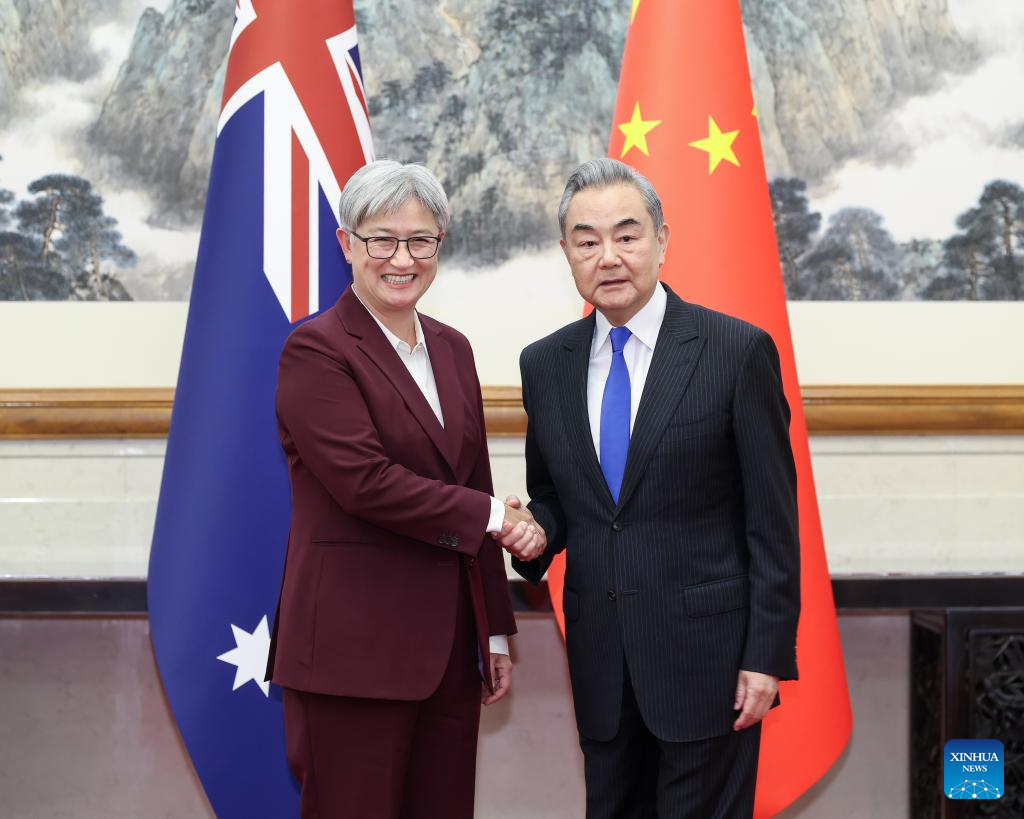
What is confirmed is that Australia has moved aggressively in recent years to broaden its network of free trade agreements and economic partnerships, positioning itself as one of the most active mid-sized economies in pursuing market access through formal trade frameworks.
This strategy is designed to reduce vulnerability to sudden policy shifts by major powers and to stabilize export flows across multiple regions.
The immediate backdrop is a shifting global trade environment.
The United States has signaled a more protectionist approach in several policy areas, including tariffs, industrial subsidies, and domestic manufacturing incentives.
At the same time, China remains Australia’s largest trading partner, creating a structural dependence that has previously exposed Australian exporters to coercive trade restrictions during diplomatic disputes.
Australia’s response has been to deepen engagement with a wide range of partners across Asia, Europe, and the Indo-Pacific.
Existing agreements with Japan, South Korea, and Southeast Asian nations have been expanded, while newer frameworks such as regional trade pacts have increased integration across multiple economies.
Bilateral deals with countries including India and the United Kingdom have also been prioritized to open alternative markets for key exports.
The mechanism is straightforward but strategically significant.
Trade agreements reduce tariffs, align regulatory standards, and provide legal protections for exporters and investors.
By locking in these rules across multiple jurisdictions, Australia aims to ensure continuity of access even if geopolitical tensions disrupt individual bilateral relationships.
The stakes are particularly high given Australia’s export profile.
The economy relies heavily on commodities such as iron ore, coal, and liquefied natural gas, as well as agricultural products and education services.
Concentration in a small number of markets, especially China, has historically amplified the impact of political or economic disruptions.
Recent policy efforts have therefore focused on diversification.
India has emerged as a key target market, with agreements designed to reduce tariffs on Australian goods and expand services trade.
European negotiations aim to secure deeper access for agricultural exports, although progress has been uneven due to disagreements over market protections.
At the same time, Australia has played a visible role in supporting multilateral trade systems and regional agreements that promote open markets.
This includes participation in Indo-Pacific frameworks and continued commitment to comprehensive regional trade deals that include multiple major economies.
The approach reflects a strategic preference for rules-based systems over unilateral arrangements.
The relationship with China remains central but recalibrated.
Trade flows have largely stabilized after a period of disruption, with key exports such as iron ore continuing at high volumes.
However, policymakers are actively reducing overreliance by cultivating alternative buyers and supply chains.
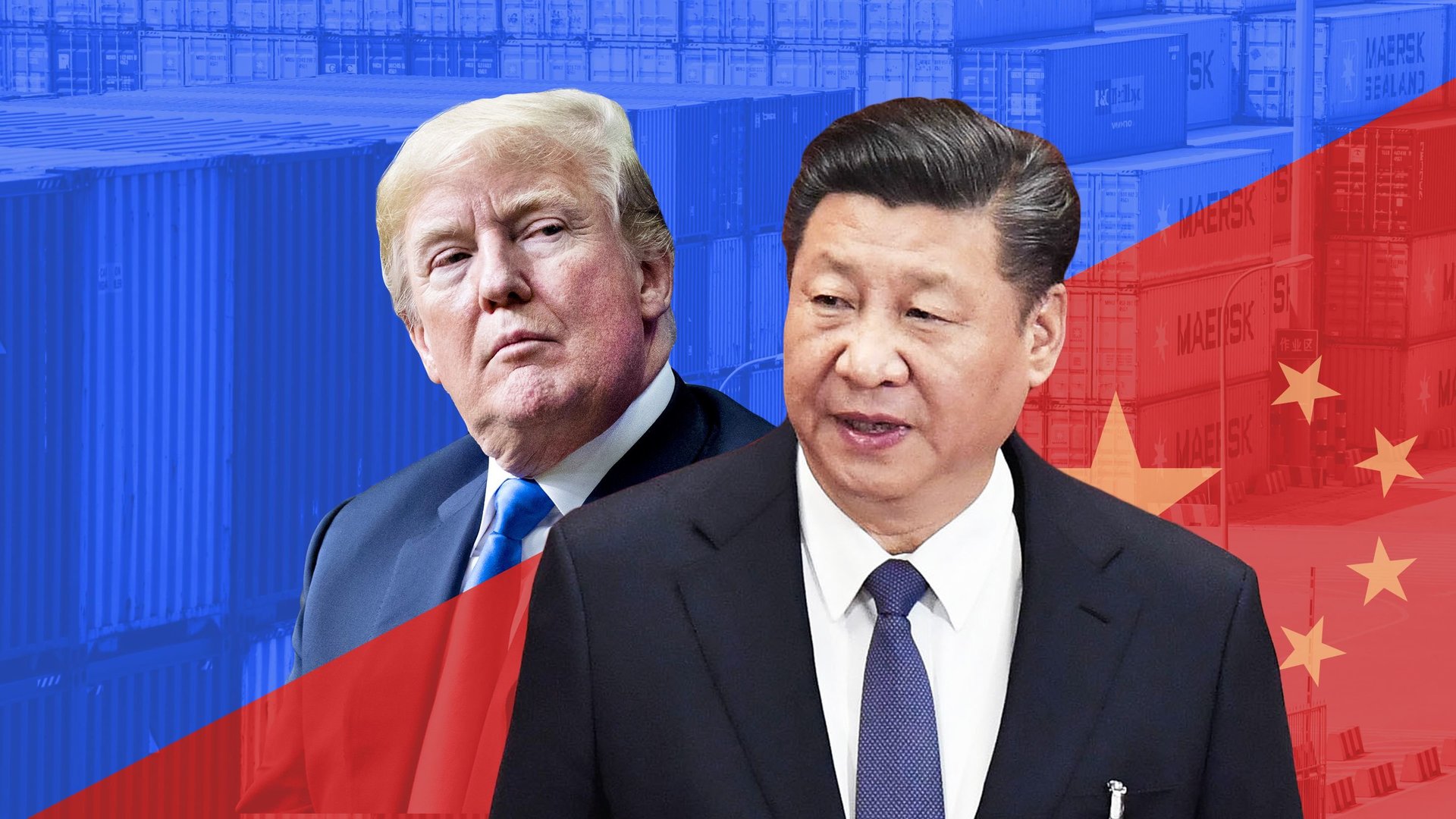
The reference to countering potential policy shifts linked to Donald Trump reflects concerns that a future U.S. administration could further prioritize domestic industry through tariffs or trade restrictions.
While the United States is not Australia’s largest export destination, changes in U.S. trade policy can reshape global demand patterns and supply chains, indirectly affecting Australian exports.
The economic implications of this strategy are long-term.
Expanding trade agreements requires sustained negotiation and regulatory alignment, but once established, they can provide durable frameworks that reduce uncertainty for businesses and investors.
The immediate consequence is that Australia is positioning itself as a proactive architect of trade stability in a fragmented global environment, using agreements as a hedge against both geopolitical risk and economic concentration.
The next phase will involve finalizing pending negotiations and implementing existing agreements, with the objective of translating diplomatic progress into measurable increases in diversified export flows and reduced exposure to single-market shocks.
What is confirmed is that Australia has moved aggressively in recent years to broaden its network of free trade agreements and economic partnerships, positioning itself as one of the most active mid-sized economies in pursuing market access through formal trade frameworks.
This strategy is designed to reduce vulnerability to sudden policy shifts by major powers and to stabilize export flows across multiple regions.
The immediate backdrop is a shifting global trade environment.
The United States has signaled a more protectionist approach in several policy areas, including tariffs, industrial subsidies, and domestic manufacturing incentives.
At the same time, China remains Australia’s largest trading partner, creating a structural dependence that has previously exposed Australian exporters to coercive trade restrictions during diplomatic disputes.
Australia’s response has been to deepen engagement with a wide range of partners across Asia, Europe, and the Indo-Pacific.
Existing agreements with Japan, South Korea, and Southeast Asian nations have been expanded, while newer frameworks such as regional trade pacts have increased integration across multiple economies.
Bilateral deals with countries including India and the United Kingdom have also been prioritized to open alternative markets for key exports.
The mechanism is straightforward but strategically significant.
Trade agreements reduce tariffs, align regulatory standards, and provide legal protections for exporters and investors.
By locking in these rules across multiple jurisdictions, Australia aims to ensure continuity of access even if geopolitical tensions disrupt individual bilateral relationships.
The stakes are particularly high given Australia’s export profile.
The economy relies heavily on commodities such as iron ore, coal, and liquefied natural gas, as well as agricultural products and education services.
Concentration in a small number of markets, especially China, has historically amplified the impact of political or economic disruptions.
Recent policy efforts have therefore focused on diversification.
India has emerged as a key target market, with agreements designed to reduce tariffs on Australian goods and expand services trade.
European negotiations aim to secure deeper access for agricultural exports, although progress has been uneven due to disagreements over market protections.
At the same time, Australia has played a visible role in supporting multilateral trade systems and regional agreements that promote open markets.
This includes participation in Indo-Pacific frameworks and continued commitment to comprehensive regional trade deals that include multiple major economies.
The approach reflects a strategic preference for rules-based systems over unilateral arrangements.
The relationship with China remains central but recalibrated.
Trade flows have largely stabilized after a period of disruption, with key exports such as iron ore continuing at high volumes.
However, policymakers are actively reducing overreliance by cultivating alternative buyers and supply chains.
The reference to countering potential policy shifts linked to Donald Trump reflects concerns that a future U.S. administration could further prioritize domestic industry through tariffs or trade restrictions.
While the United States is not Australia’s largest export destination, changes in U.S. trade policy can reshape global demand patterns and supply chains, indirectly affecting Australian exports.
The economic implications of this strategy are long-term.
Expanding trade agreements requires sustained negotiation and regulatory alignment, but once established, they can provide durable frameworks that reduce uncertainty for businesses and investors.
The immediate consequence is that Australia is positioning itself as a proactive architect of trade stability in a fragmented global environment, using agreements as a hedge against both geopolitical risk and economic concentration.
The next phase will involve finalizing pending negotiations and implementing existing agreements, with the objective of translating diplomatic progress into measurable increases in diversified export flows and reduced exposure to single-market shocks.