Authorities push back against international commentary on the jailed media tycoon as his national security trial continues under close global scrutiny
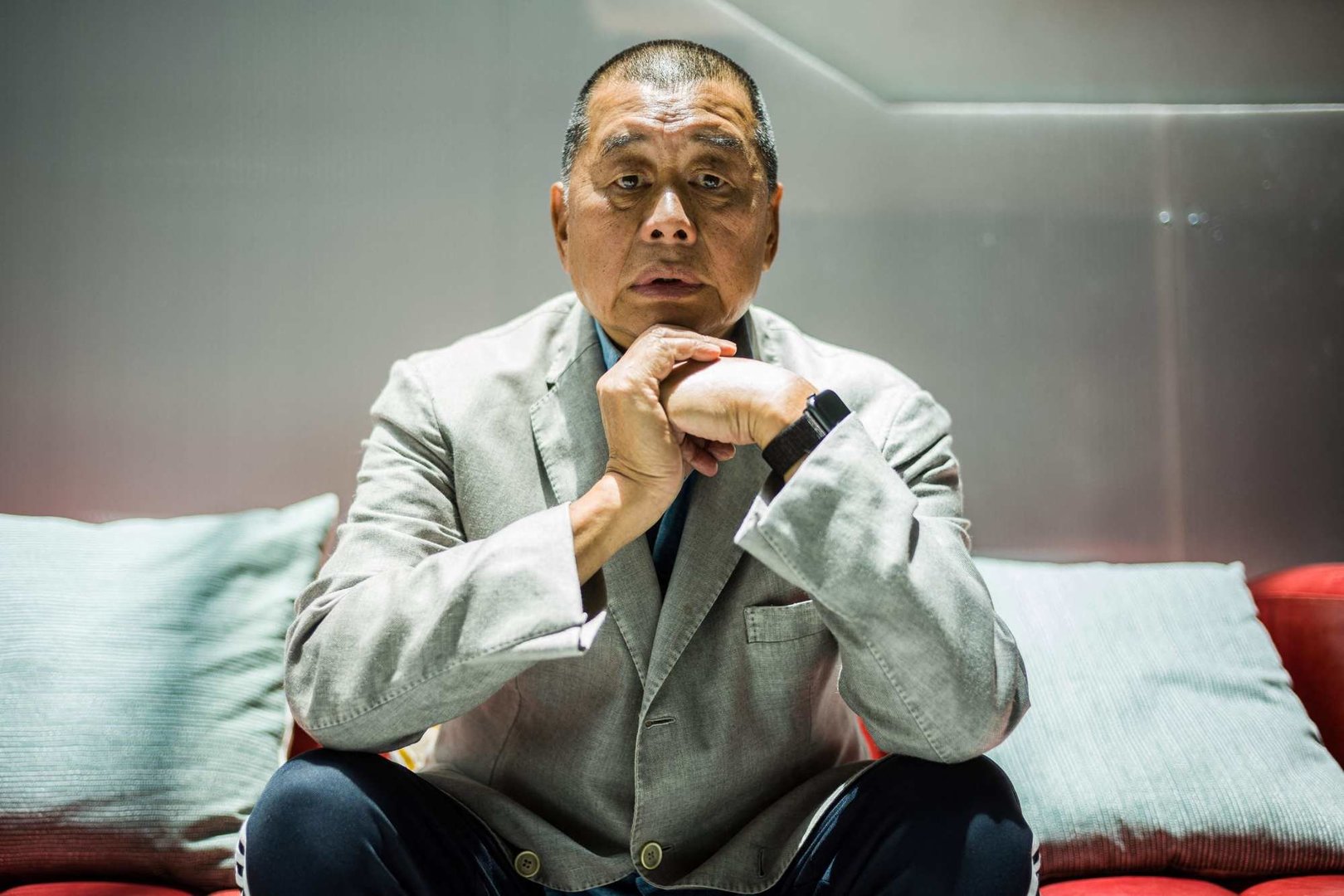
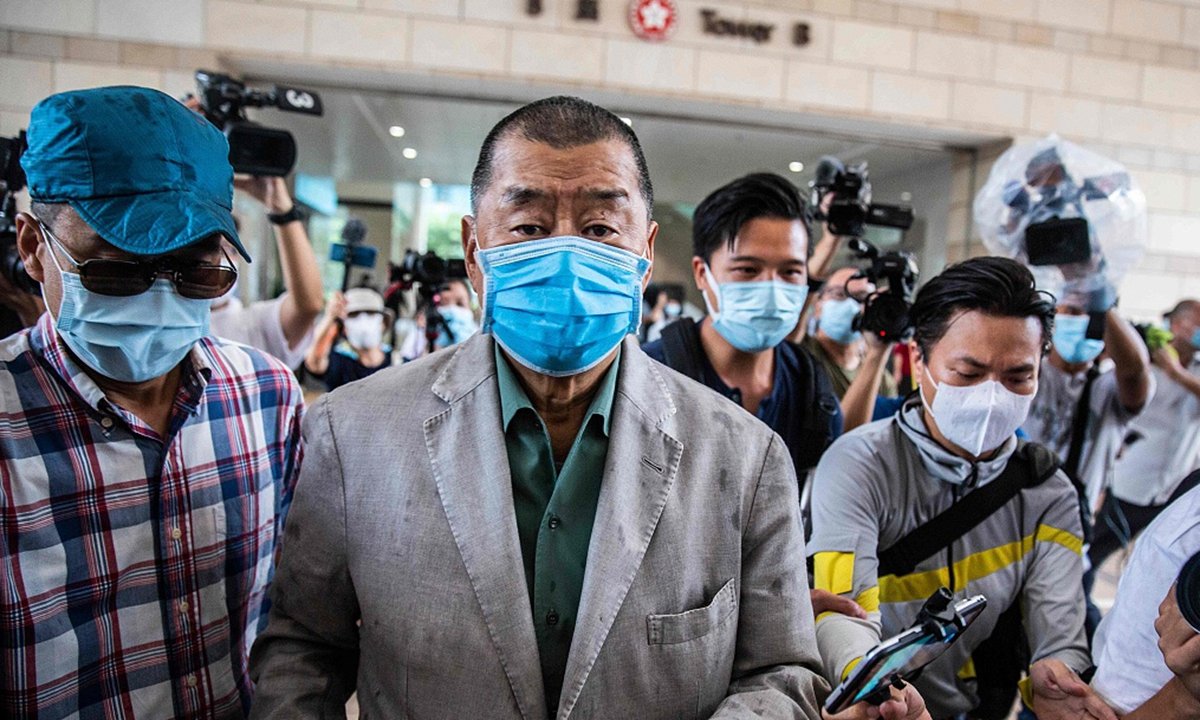
ACTOR-DRIVEN legal and political tensions are intensifying in Hong Kong as the government publicly condemns what it describes as attempts to “whitewash” the case of media tycoon Jimmy Lai, the founder of Apple Daily and a central figure in the city’s national security prosecution framework.
What is confirmed is that Hong Kong authorities have issued statements rejecting external commentary that portrays Jimmy Lai’s prosecution in political terms.
The government maintains that the case is strictly legal in nature and proceeds under the city’s national security legislation, which was introduced in 2020 following widespread protests and has since been used in multiple high-profile prosecutions.
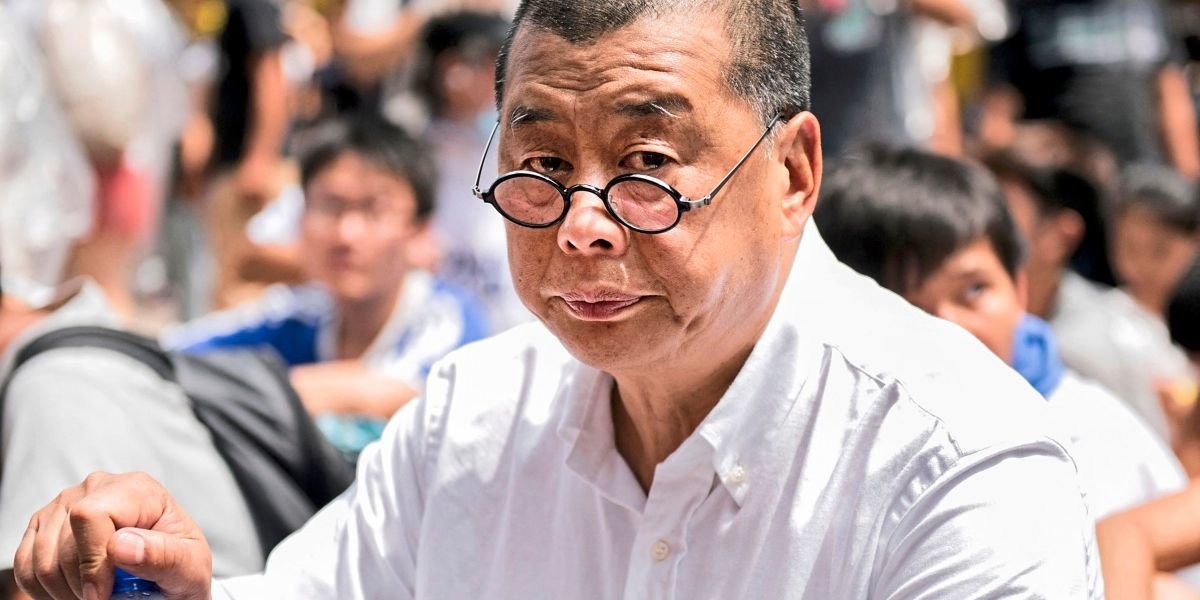
Jimmy Lai, a businessman and pro-democracy advocate, is currently on trial on charges related to alleged collusion with foreign forces and publishing activities deemed to violate national security provisions.
He has been detained for an extended period, and his case is widely regarded as one of the most significant under the new legal framework due to its political visibility and international attention.
The government’s latest response targets what it sees as efforts by foreign politicians, media organizations, and advocacy groups to characterize Lai as a victim of political persecution.
Officials argue that such narratives undermine judicial independence and misrepresent the legal basis of the proceedings.
The broader context is the National Security Law implemented in Hong Kong in 2020, which criminalizes secession, subversion, terrorism, and collusion with foreign forces.
Critics of the law argue that its definitions are broad and can be applied to political expression, while authorities maintain that it is essential for restoring stability after the 2019 protests.
The case has become a focal point in broader geopolitical tensions between China, Hong Kong authorities, and Western governments, many of which have called for Lai’s release and raised concerns about press freedom and judicial transparency in the city.
For Hong Kong’s administration, the stakes are institutional legitimacy and the enforcement of its legal framework.
For critics, the case represents a test of whether political dissent and media activity can be separated from national security enforcement under the current system.
The trial remains ongoing, and its outcome is expected to carry significant implications for Hong Kong’s media environment, legal boundaries for political expression, and international perceptions of the city’s autonomy under the “one country, two systems” arrangement.
The government’s latest statements reinforce a firm position that external interpretations of the case will not alter judicial proceedings, which continue under the established national security legal structure.
What is confirmed is that Hong Kong authorities have issued statements rejecting external commentary that portrays Jimmy Lai’s prosecution in political terms.
The government maintains that the case is strictly legal in nature and proceeds under the city’s national security legislation, which was introduced in 2020 following widespread protests and has since been used in multiple high-profile prosecutions.
Jimmy Lai, a businessman and pro-democracy advocate, is currently on trial on charges related to alleged collusion with foreign forces and publishing activities deemed to violate national security provisions.
He has been detained for an extended period, and his case is widely regarded as one of the most significant under the new legal framework due to its political visibility and international attention.
The government’s latest response targets what it sees as efforts by foreign politicians, media organizations, and advocacy groups to characterize Lai as a victim of political persecution.
Officials argue that such narratives undermine judicial independence and misrepresent the legal basis of the proceedings.
The broader context is the National Security Law implemented in Hong Kong in 2020, which criminalizes secession, subversion, terrorism, and collusion with foreign forces.
Critics of the law argue that its definitions are broad and can be applied to political expression, while authorities maintain that it is essential for restoring stability after the 2019 protests.
The case has become a focal point in broader geopolitical tensions between China, Hong Kong authorities, and Western governments, many of which have called for Lai’s release and raised concerns about press freedom and judicial transparency in the city.
For Hong Kong’s administration, the stakes are institutional legitimacy and the enforcement of its legal framework.
For critics, the case represents a test of whether political dissent and media activity can be separated from national security enforcement under the current system.
The trial remains ongoing, and its outcome is expected to carry significant implications for Hong Kong’s media environment, legal boundaries for political expression, and international perceptions of the city’s autonomy under the “one country, two systems” arrangement.
The government’s latest statements reinforce a firm position that external interpretations of the case will not alter judicial proceedings, which continue under the established national security legal structure.