Equity losses and interest rate shifts weigh on the city’s financial reserves, highlighting structural market strain
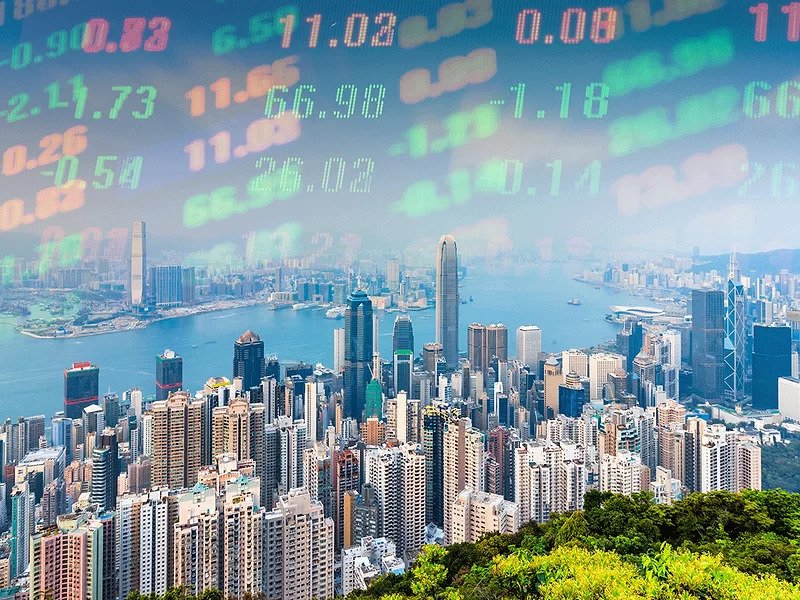
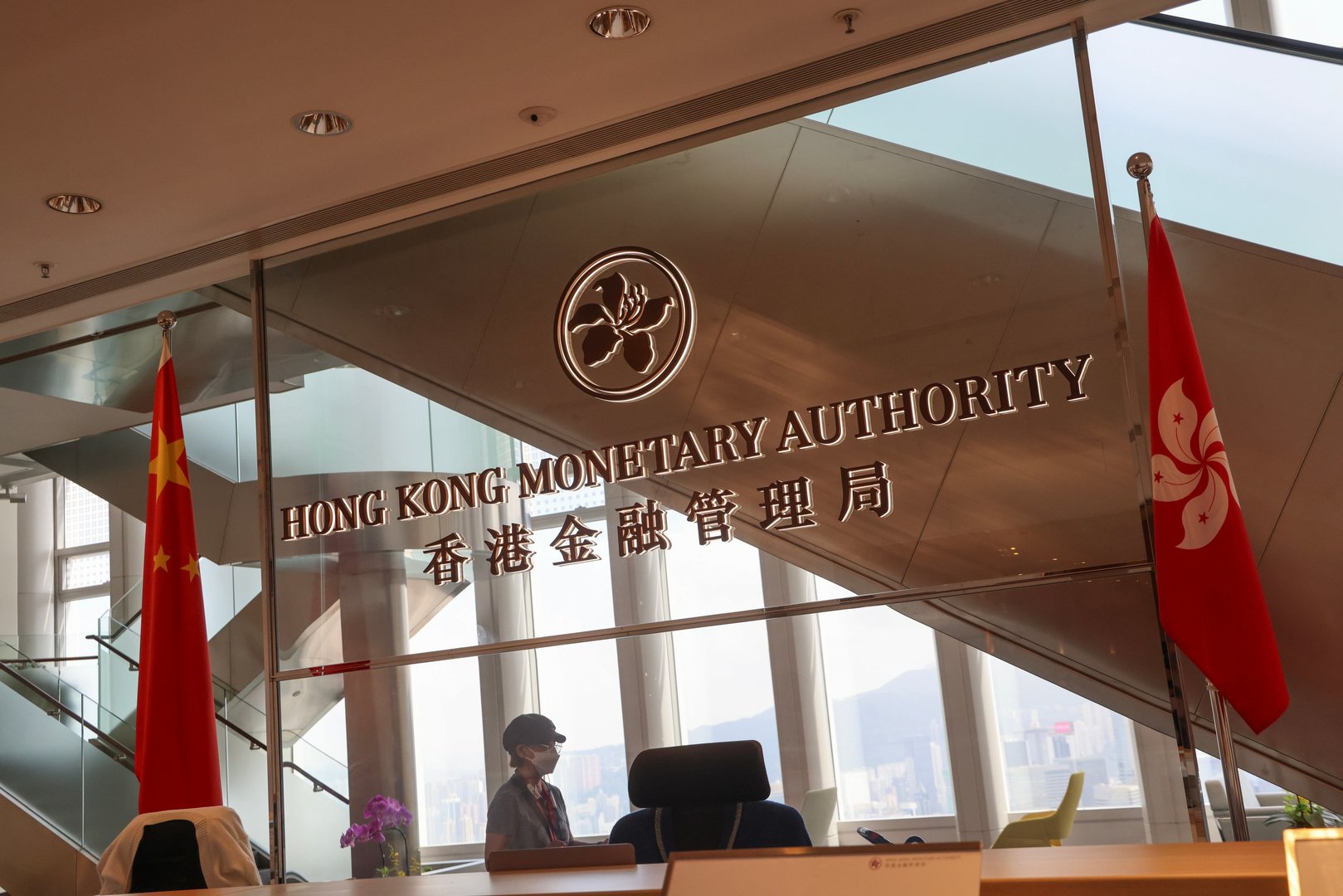
The Hong Kong Exchange Fund, the government-controlled pool of financial assets used to back the city’s currency and stabilize markets, has recorded its smallest gain in five quarters, reflecting sustained pressure across global and local financial markets.
The result marks a clear slowdown after stronger performance in previous periods and signals the limits of recent recovery in Hong Kong’s investment environment.
What is confirmed is that weaker equity market performance was a primary driver of the reduced return.
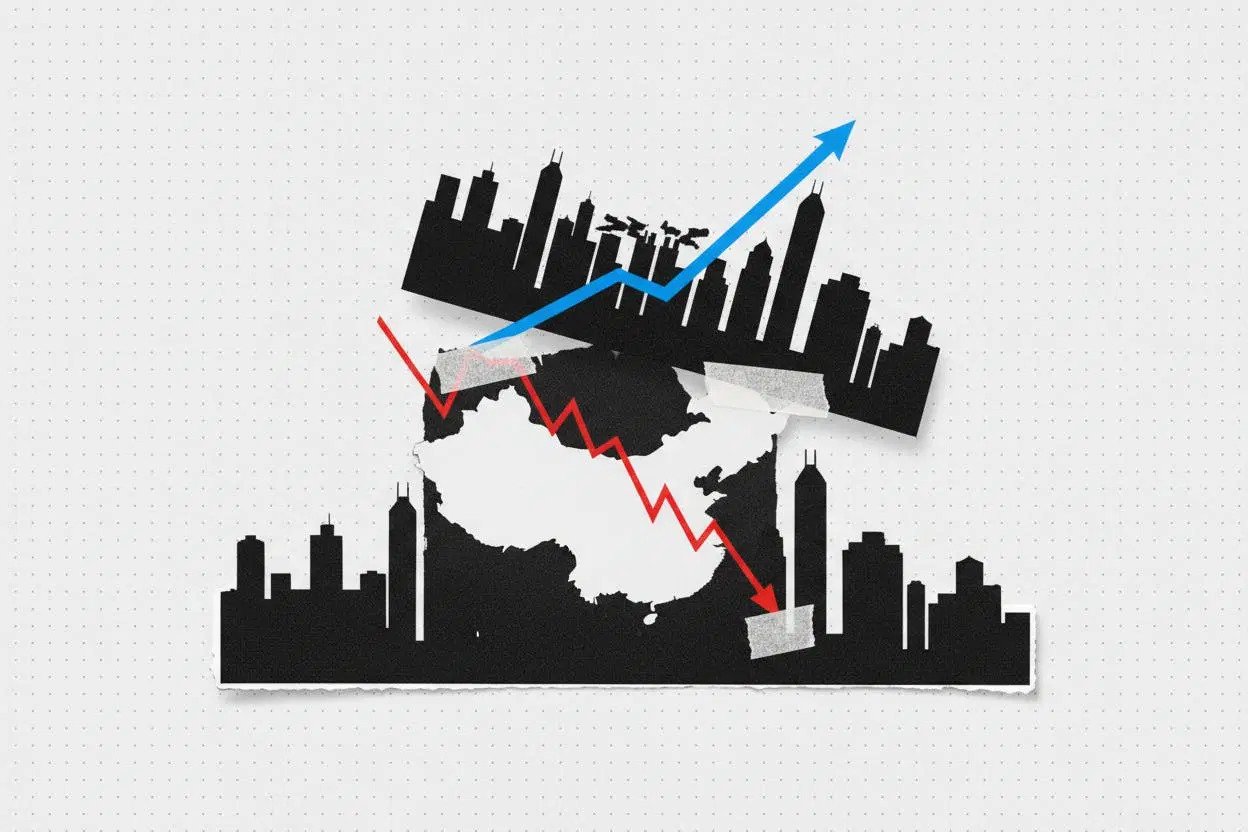
Hong Kong and mainland Chinese stocks have remained volatile, with intermittent rallies failing to offset broader declines.
The fund’s exposure to global equities also faced headwinds from uneven economic growth and shifting investor expectations.
The mechanism behind the decline lies in the Exchange Fund’s diversified portfolio.
It holds a mix of equities, bonds, foreign exchange reserves, and other assets.
When stock markets underperform and bond yields fluctuate due to changing interest rate expectations, overall returns compress.
Recent quarters have seen both factors move in ways that limit upside: equities have struggled to sustain gains, while higher-for-longer interest rate conditions have reduced the value of existing bond holdings.
Currency management adds another layer of complexity.
The fund plays a central role in maintaining Hong Kong’s currency peg to the US dollar.
This requires active intervention when capital flows shift.
Periods of outflow, driven by global monetary tightening or regional economic concerns, can force the fund to deploy resources in defense of the peg, affecting its investment positioning and liquidity.
The broader context is a market still adjusting to structural challenges.
China’s slower economic growth, ongoing property sector weakness, and cautious consumer sentiment continue to weigh on investor confidence.
At the same time, geopolitical tensions and evolving trade dynamics have increased risk premiums for assets linked to the region.
Despite the weaker quarterly outcome, the Exchange Fund remains substantial in size and continues to fulfill its core function of financial stability.
Its long-term strategy emphasizes capital preservation alongside steady returns, meaning short-term fluctuations are expected.
The key issue is not a single quarter’s performance but whether persistent market weakness begins to erode cumulative gains.
The stakes extend beyond portfolio returns.
The Exchange Fund underpins confidence in Hong Kong’s monetary system and financial reputation.
A prolonged period of subdued performance could influence perceptions of the city’s resilience as a global financial hub, particularly as it competes with other regional centers for capital and listings.
What changes next will depend on market stabilization and policy direction.
If equity markets regain consistent momentum and global rate pressures ease, the fund’s returns could recover.
The immediate consequence, however, is clear: Hong Kong’s primary financial reserve has entered a lower-return phase, mirroring the broader constraints facing its markets and economy.
The result marks a clear slowdown after stronger performance in previous periods and signals the limits of recent recovery in Hong Kong’s investment environment.
What is confirmed is that weaker equity market performance was a primary driver of the reduced return.
Hong Kong and mainland Chinese stocks have remained volatile, with intermittent rallies failing to offset broader declines.
The fund’s exposure to global equities also faced headwinds from uneven economic growth and shifting investor expectations.
The mechanism behind the decline lies in the Exchange Fund’s diversified portfolio.
It holds a mix of equities, bonds, foreign exchange reserves, and other assets.
When stock markets underperform and bond yields fluctuate due to changing interest rate expectations, overall returns compress.
Recent quarters have seen both factors move in ways that limit upside: equities have struggled to sustain gains, while higher-for-longer interest rate conditions have reduced the value of existing bond holdings.
Currency management adds another layer of complexity.
The fund plays a central role in maintaining Hong Kong’s currency peg to the US dollar.
This requires active intervention when capital flows shift.
Periods of outflow, driven by global monetary tightening or regional economic concerns, can force the fund to deploy resources in defense of the peg, affecting its investment positioning and liquidity.
The broader context is a market still adjusting to structural challenges.
China’s slower economic growth, ongoing property sector weakness, and cautious consumer sentiment continue to weigh on investor confidence.
At the same time, geopolitical tensions and evolving trade dynamics have increased risk premiums for assets linked to the region.
Despite the weaker quarterly outcome, the Exchange Fund remains substantial in size and continues to fulfill its core function of financial stability.
Its long-term strategy emphasizes capital preservation alongside steady returns, meaning short-term fluctuations are expected.
The key issue is not a single quarter’s performance but whether persistent market weakness begins to erode cumulative gains.
The stakes extend beyond portfolio returns.
The Exchange Fund underpins confidence in Hong Kong’s monetary system and financial reputation.
A prolonged period of subdued performance could influence perceptions of the city’s resilience as a global financial hub, particularly as it competes with other regional centers for capital and listings.
What changes next will depend on market stabilization and policy direction.
If equity markets regain consistent momentum and global rate pressures ease, the fund’s returns could recover.
The immediate consequence, however, is clear: Hong Kong’s primary financial reserve has entered a lower-return phase, mirroring the broader constraints facing its markets and economy.