Surge in exports and services drives recovery as city regains momentum after prolonged economic strain
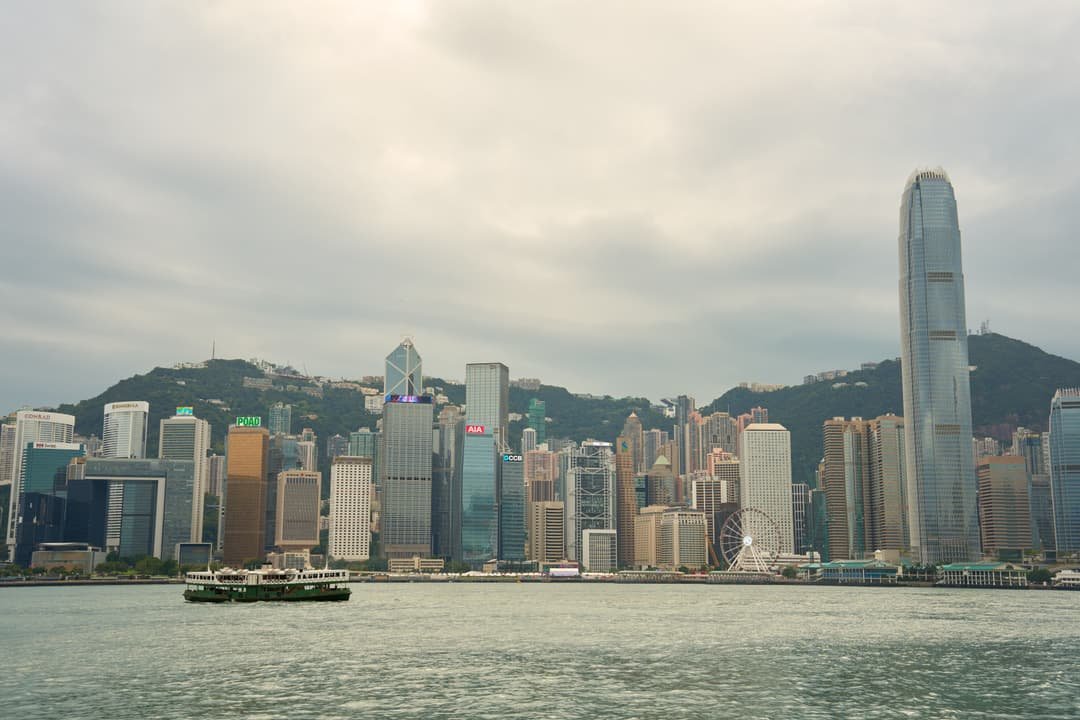
Hong Kong’s economic expansion, driven by a rebound in external demand and services activity, has accelerated to its fastest pace in nearly five years, signaling a significant shift in the city’s post-pandemic recovery trajectory.
What is confirmed is that gross domestic product growth has strengthened markedly in the latest reporting period, supported by a combination of rising exports, improved financial market activity, and a gradual return of tourism and consumer spending.
The acceleration follows several years of subdued or volatile performance caused by pandemic restrictions, weak global demand, and structural adjustments in the regional economy.
The key issue is the composition of the rebound.
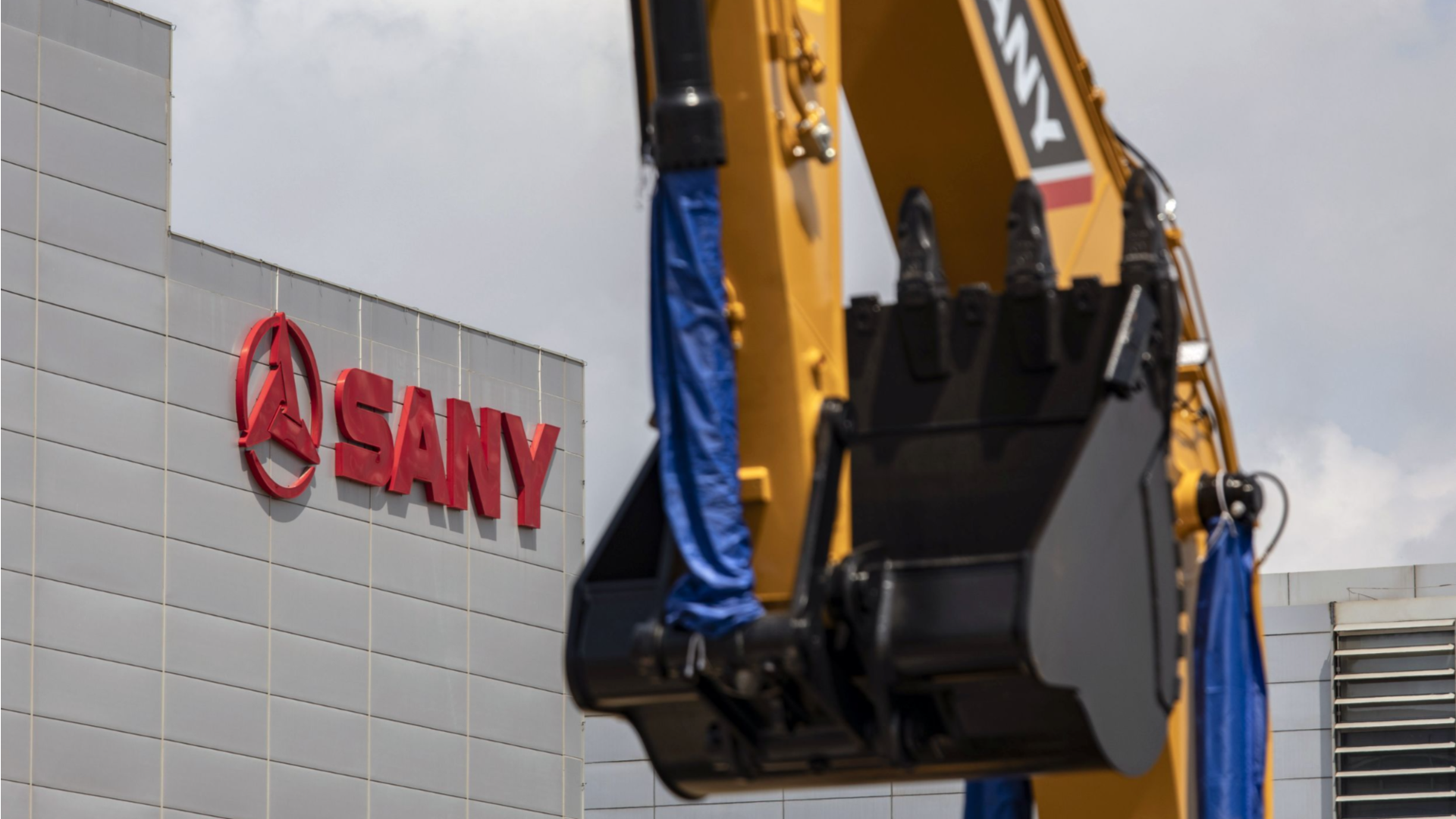
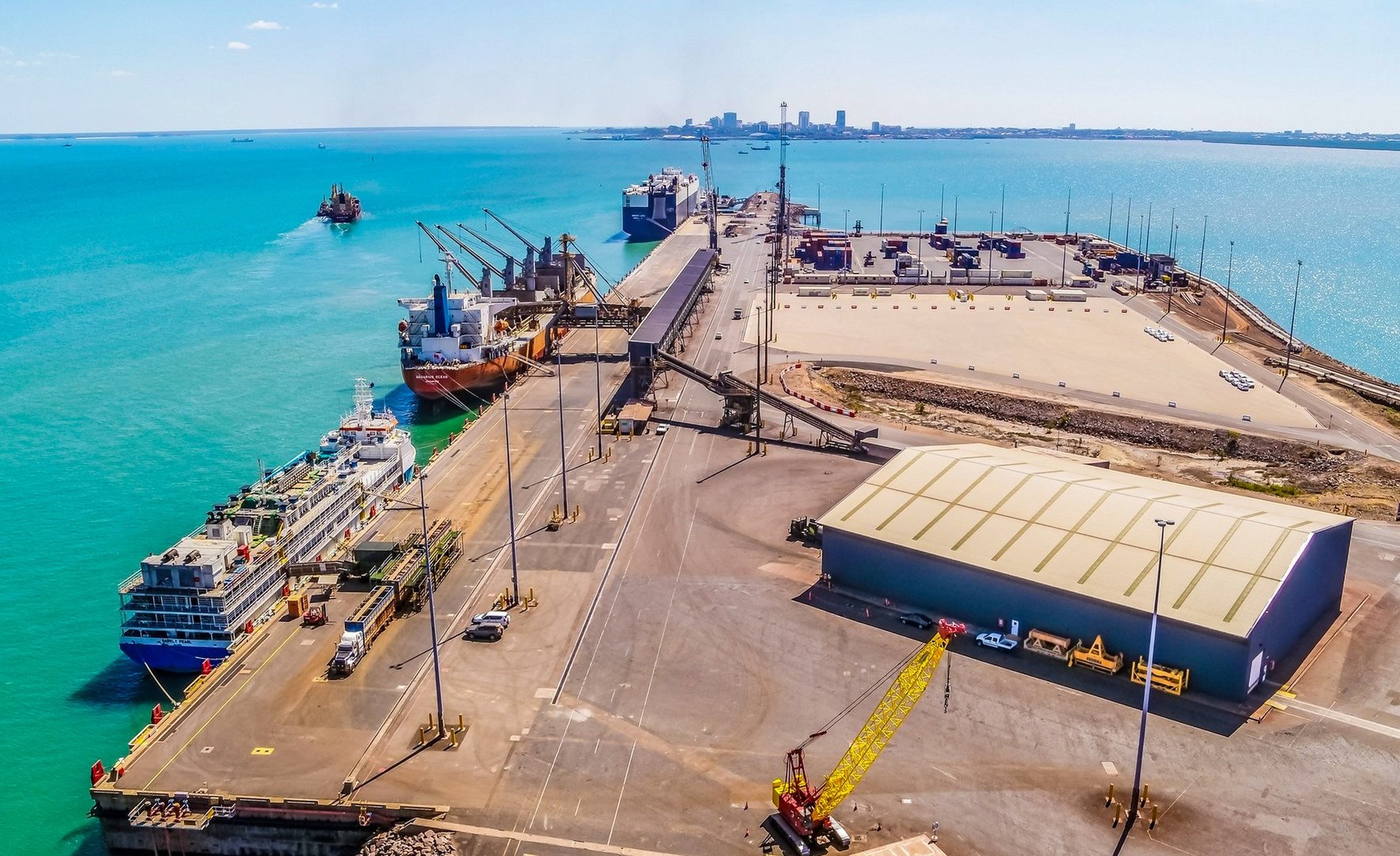
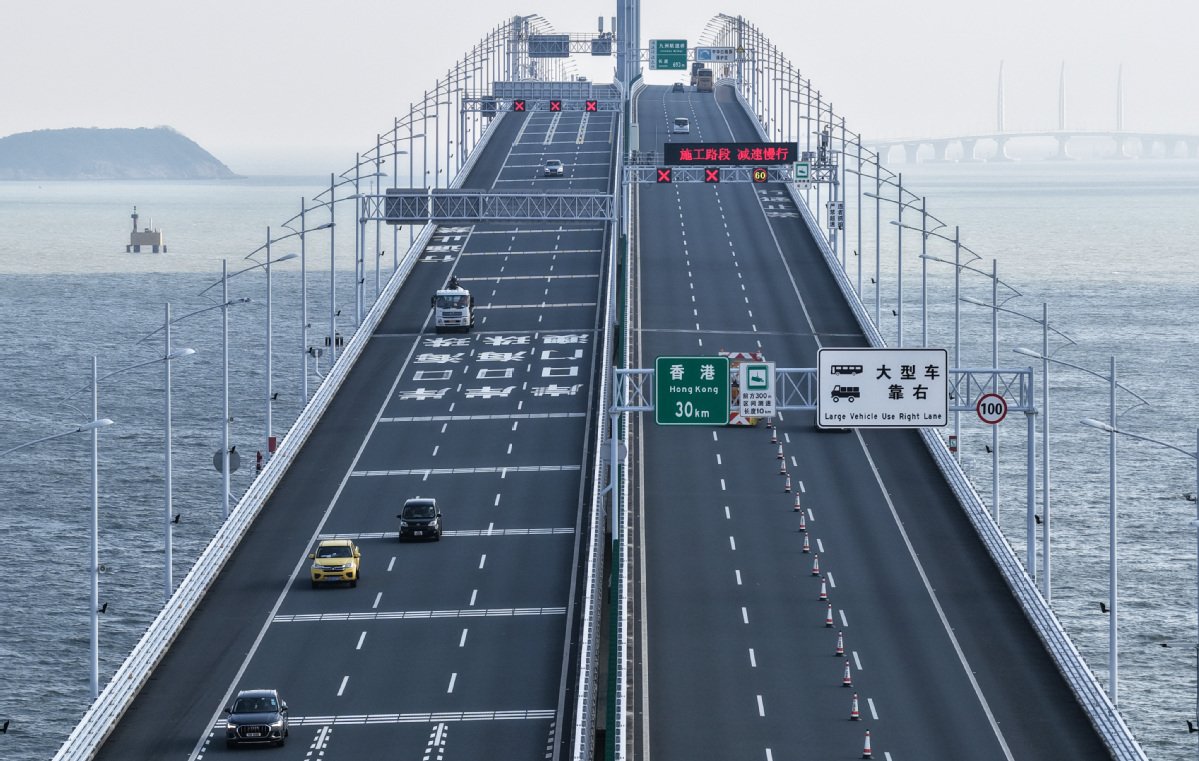
External trade has been a primary engine, with goods exports benefiting from improving global demand cycles and stabilization in key trading partners.
At the same time, services exports—particularly financial services, logistics, and tourism-related sectors—have contributed to growth as cross-border flows normalize.
Domestic demand is also showing signs of recovery, though at a more measured pace.
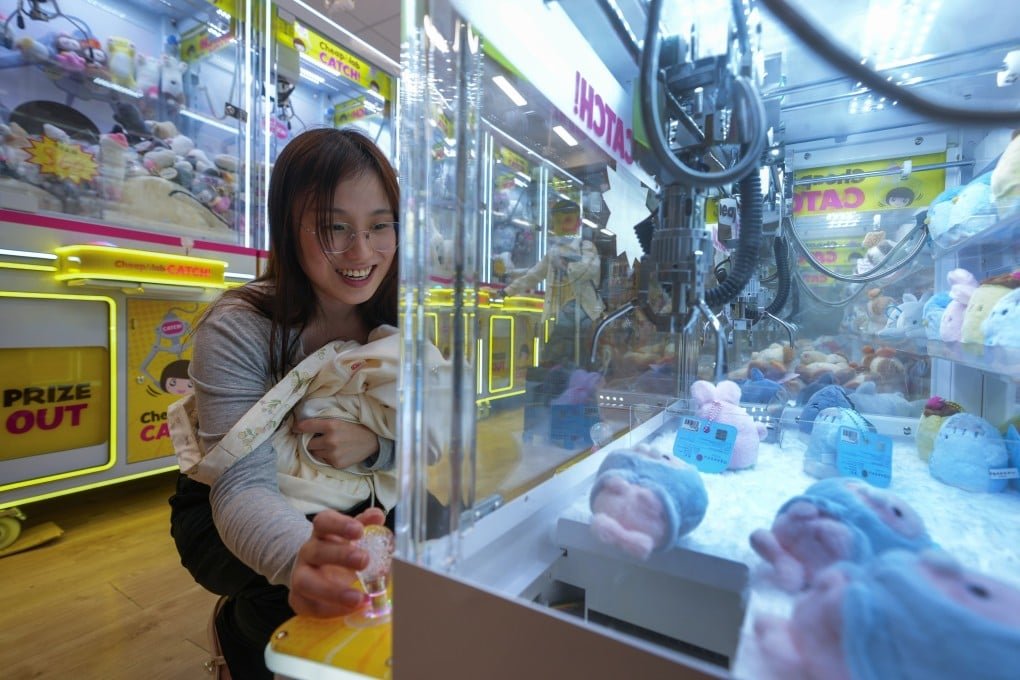
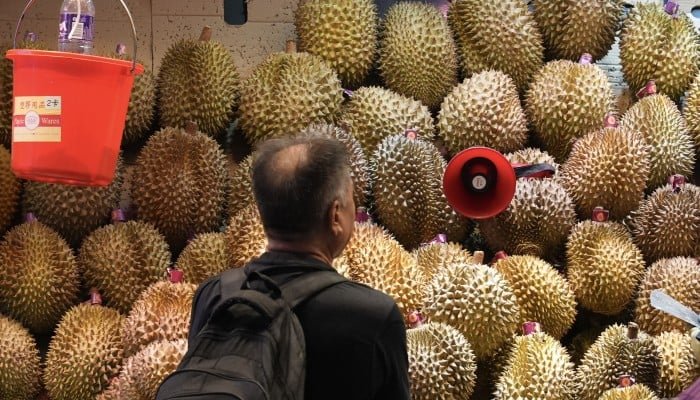
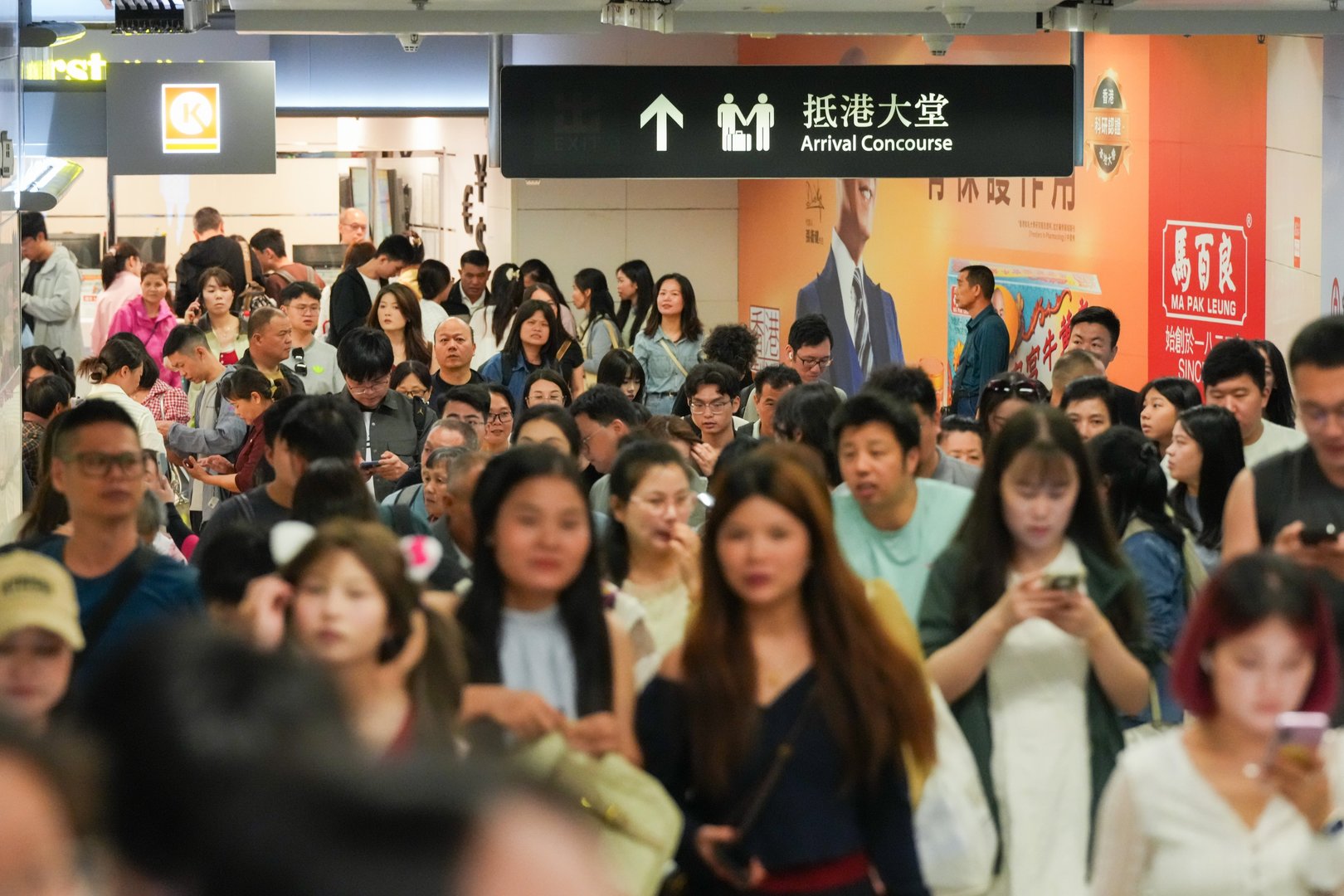
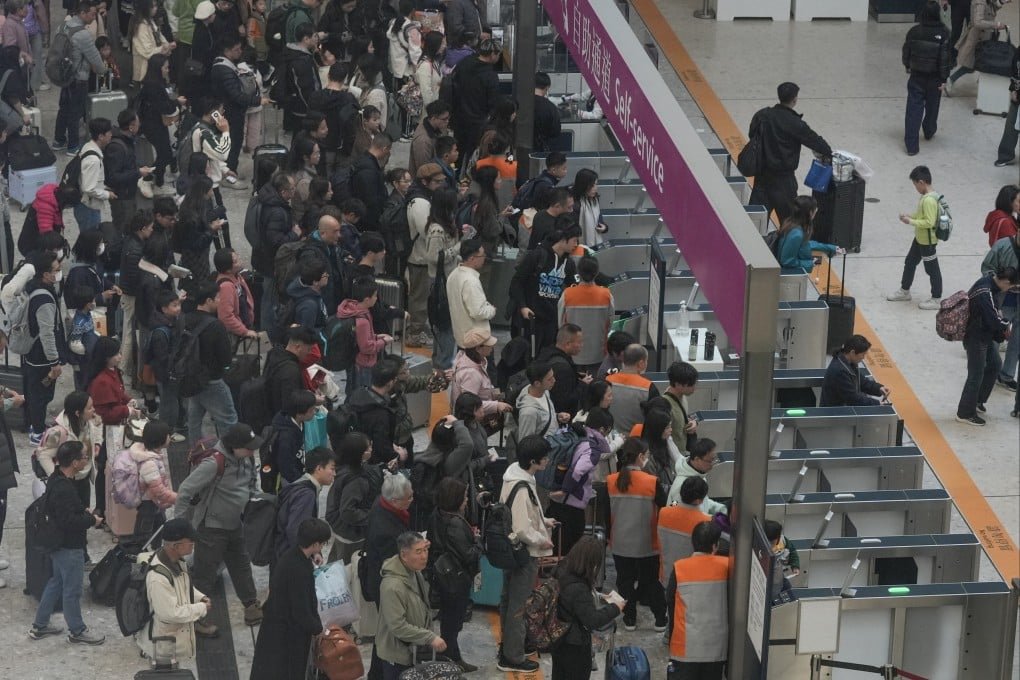
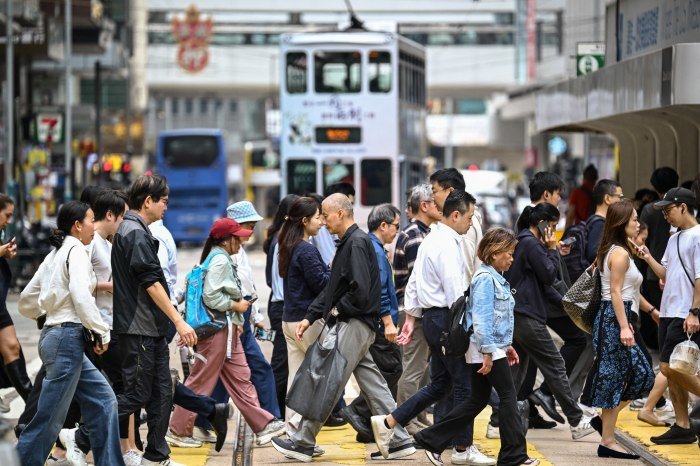
Private consumption has improved as employment conditions stabilize and inbound visitor numbers rise, supporting retail, hospitality, and transport sectors.
However, consumer confidence remains sensitive to interest rates and property market conditions, both of which continue to exert pressure on household spending.
Investment activity presents a mixed picture.
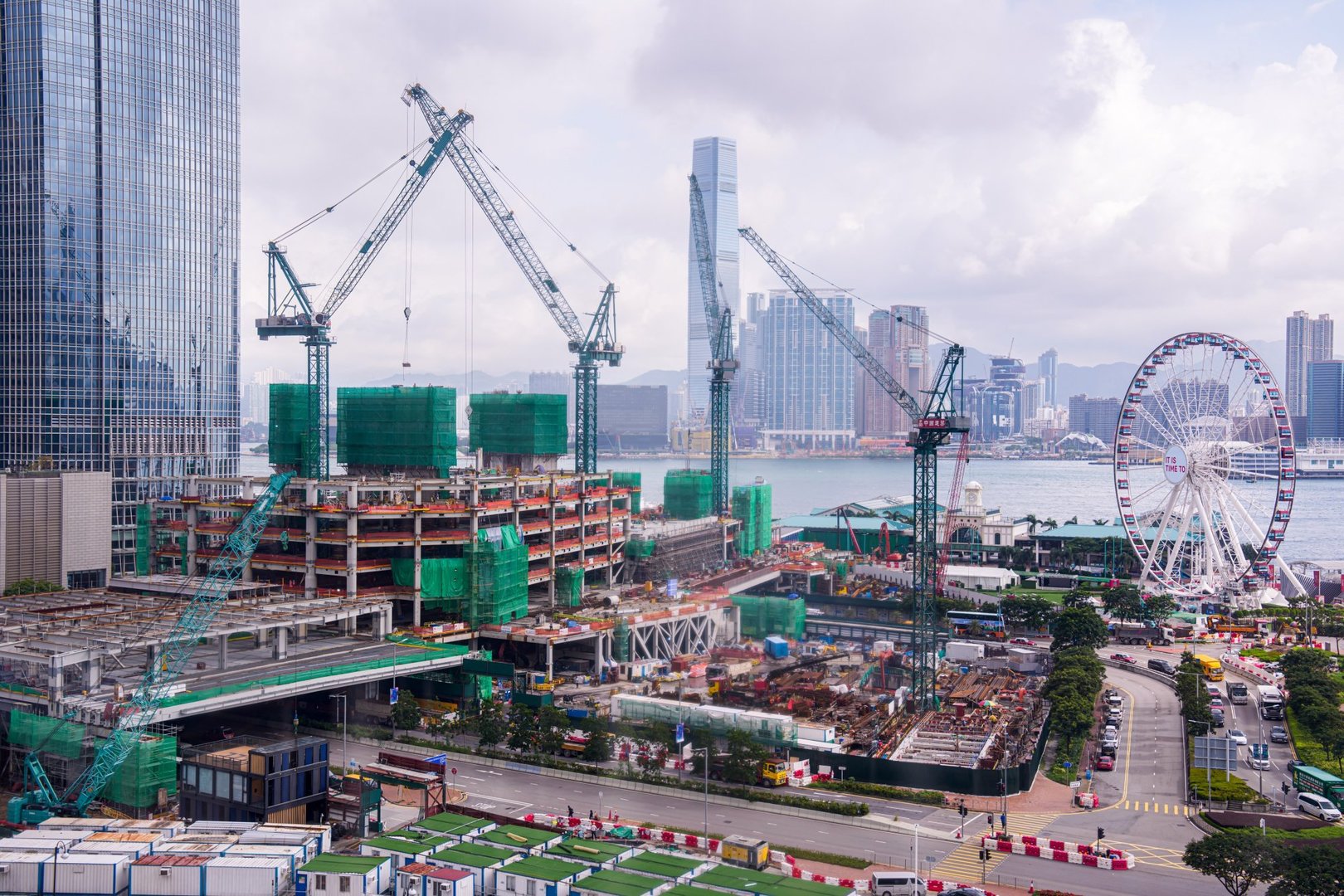
While some sectors, particularly finance and infrastructure, are seeing renewed capital flows, higher borrowing costs and global uncertainty have tempered broader business investment.
The property sector, a critical pillar of Hong Kong’s economy, continues to face downward pressure from elevated interest rates and cautious buyer sentiment.
The broader regional context is central to understanding the rebound.
Hong Kong’s economy is deeply integrated with mainland China and global trade networks.
Stabilization in mainland economic activity and improved cross-border movement have directly supported services demand, while global supply chain adjustments have influenced export performance.
Financial markets have played a stabilizing role.
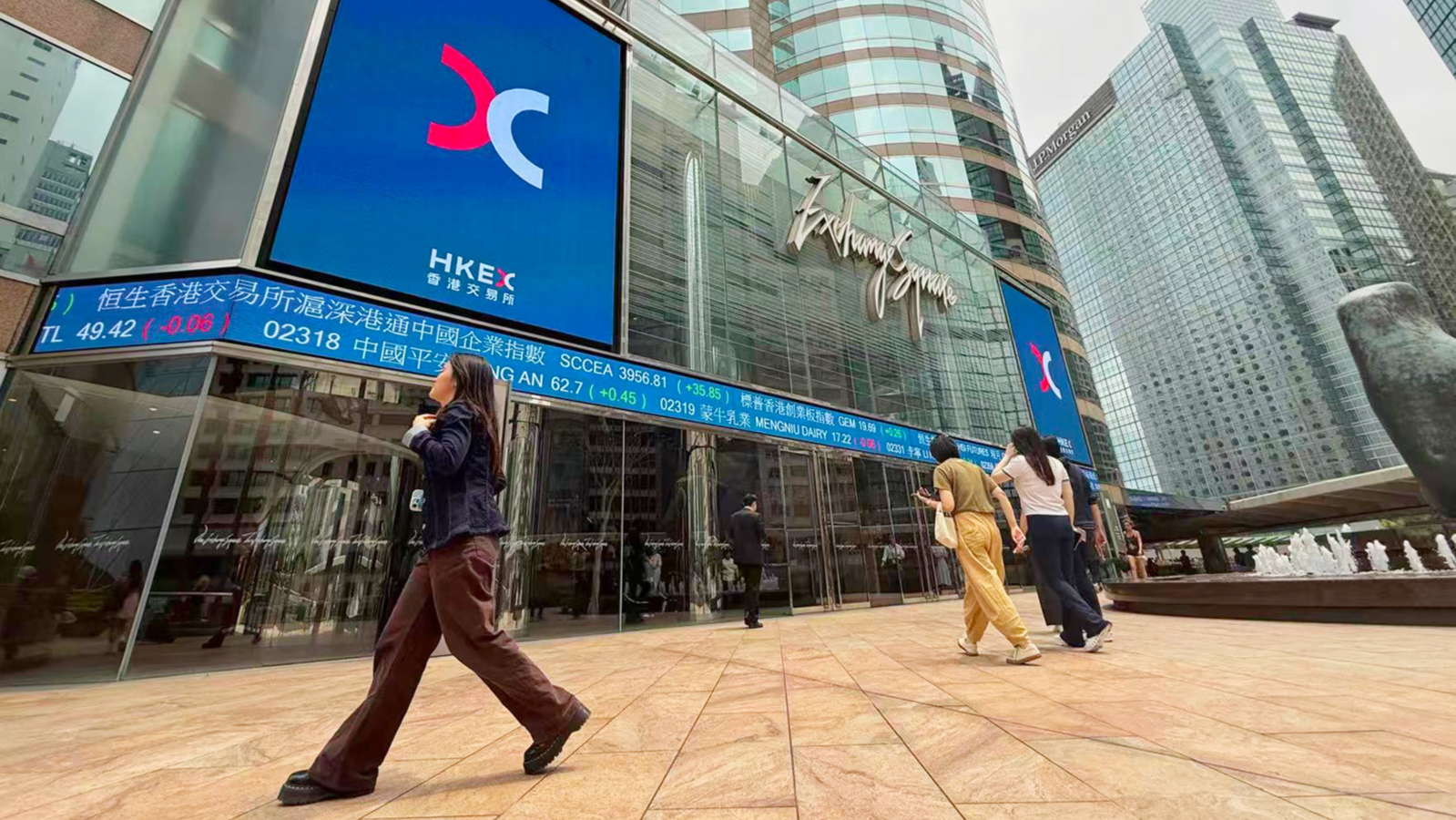
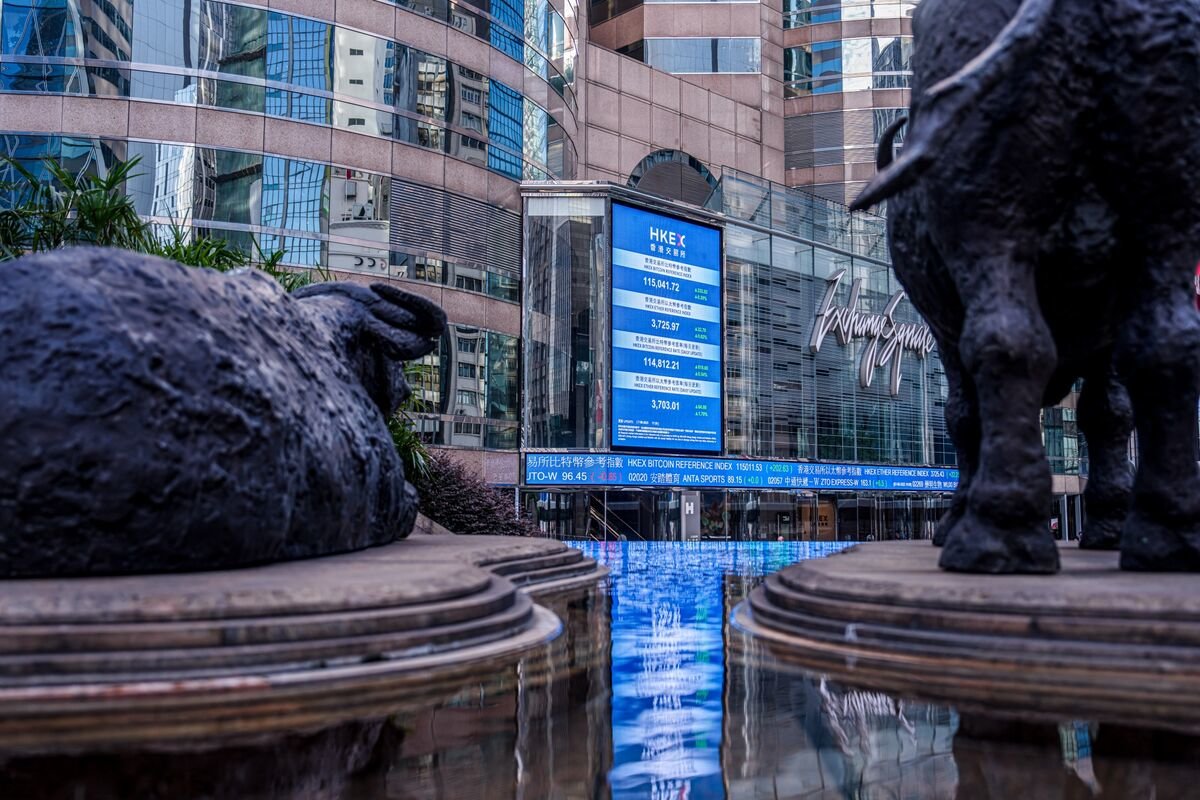
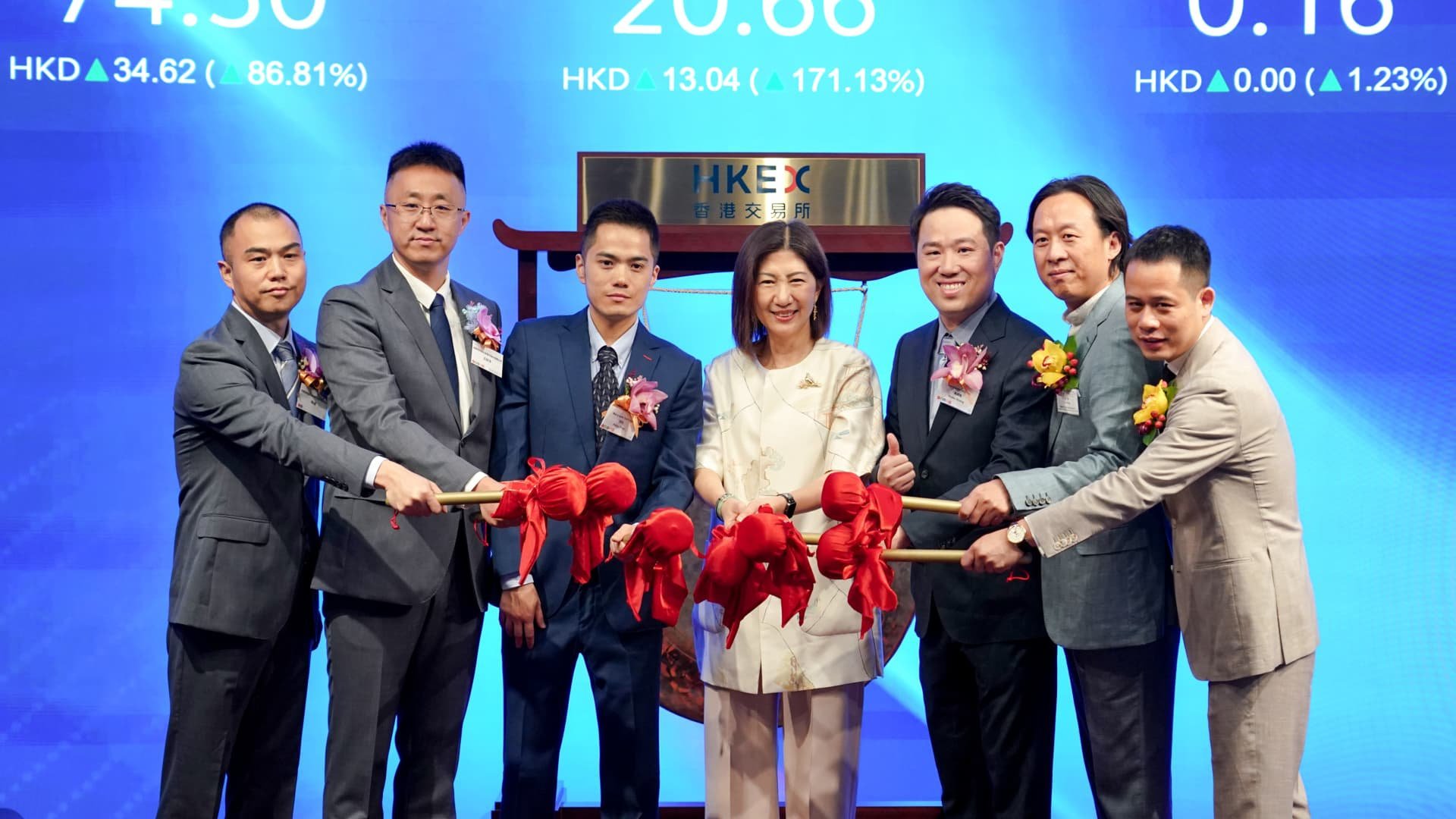
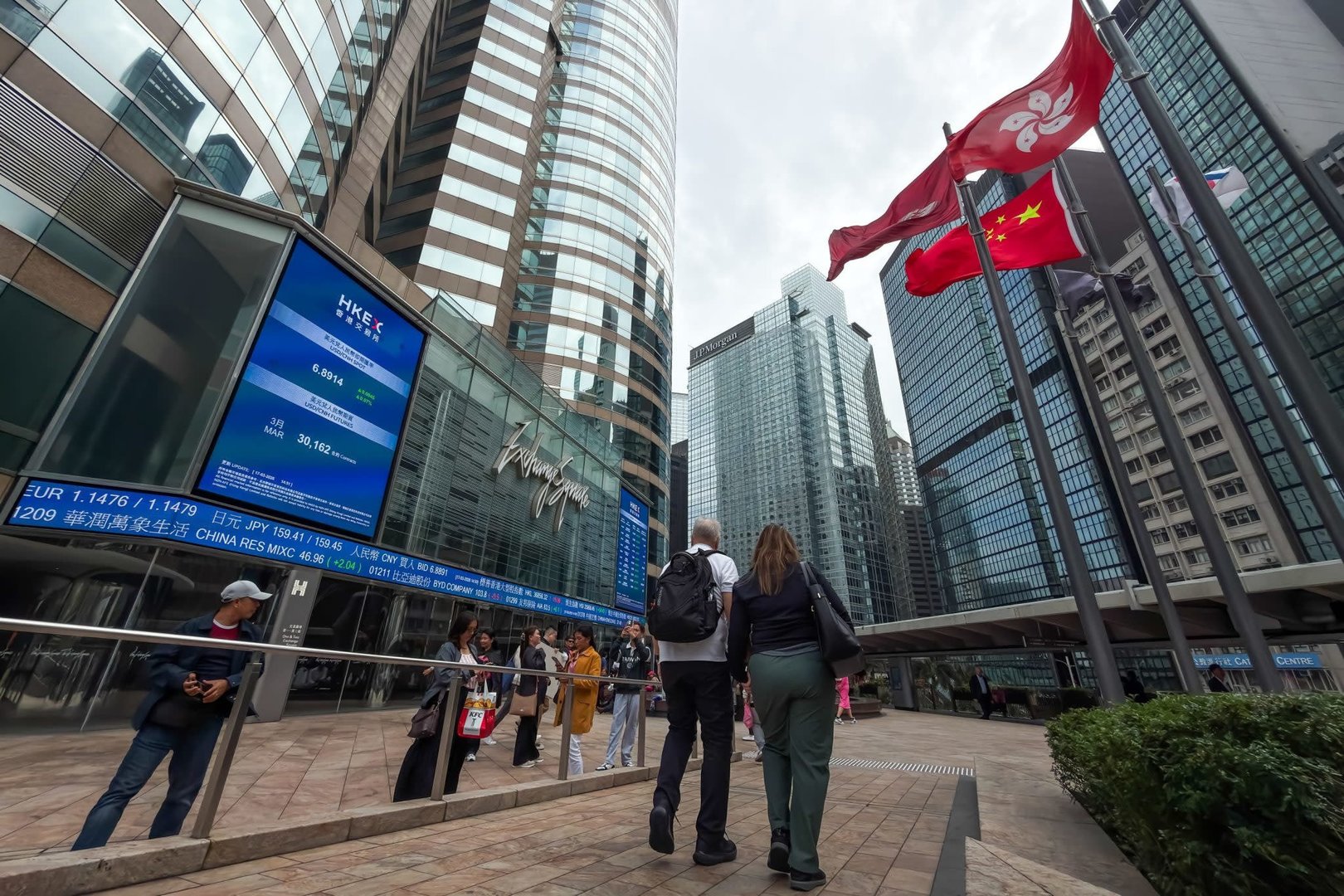
As a major international financial center, Hong Kong has benefited from increased capital market activity and renewed investor engagement.
This has supported related services sectors and reinforced the city’s role as a gateway between China and global markets.
Despite the stronger headline growth, structural challenges remain.
Competition from other regional hubs, shifts in global trade patterns, and ongoing geopolitical tensions continue to shape the operating environment.
The recovery is therefore uneven, with strong external-facing sectors offset by more constrained domestic segments.
The immediate implication is that Hong Kong has entered a more sustained phase of recovery, with growth now broadening beyond initial reopening effects.
Policymakers are likely to focus on maintaining momentum through support for key industries, while managing financial stability risks tied to property and interest rates.
The current trajectory places Hong Kong on firmer economic footing, with recent growth data reinforcing its capacity to rebound as global and regional conditions stabilize.
What is confirmed is that gross domestic product growth has strengthened markedly in the latest reporting period, supported by a combination of rising exports, improved financial market activity, and a gradual return of tourism and consumer spending.
The acceleration follows several years of subdued or volatile performance caused by pandemic restrictions, weak global demand, and structural adjustments in the regional economy.
The key issue is the composition of the rebound.
External trade has been a primary engine, with goods exports benefiting from improving global demand cycles and stabilization in key trading partners.
At the same time, services exports—particularly financial services, logistics, and tourism-related sectors—have contributed to growth as cross-border flows normalize.
Domestic demand is also showing signs of recovery, though at a more measured pace.
Private consumption has improved as employment conditions stabilize and inbound visitor numbers rise, supporting retail, hospitality, and transport sectors.
However, consumer confidence remains sensitive to interest rates and property market conditions, both of which continue to exert pressure on household spending.
Investment activity presents a mixed picture.
While some sectors, particularly finance and infrastructure, are seeing renewed capital flows, higher borrowing costs and global uncertainty have tempered broader business investment.
The property sector, a critical pillar of Hong Kong’s economy, continues to face downward pressure from elevated interest rates and cautious buyer sentiment.
The broader regional context is central to understanding the rebound.
Hong Kong’s economy is deeply integrated with mainland China and global trade networks.
Stabilization in mainland economic activity and improved cross-border movement have directly supported services demand, while global supply chain adjustments have influenced export performance.
Financial markets have played a stabilizing role.
As a major international financial center, Hong Kong has benefited from increased capital market activity and renewed investor engagement.
This has supported related services sectors and reinforced the city’s role as a gateway between China and global markets.
Despite the stronger headline growth, structural challenges remain.
Competition from other regional hubs, shifts in global trade patterns, and ongoing geopolitical tensions continue to shape the operating environment.
The recovery is therefore uneven, with strong external-facing sectors offset by more constrained domestic segments.
The immediate implication is that Hong Kong has entered a more sustained phase of recovery, with growth now broadening beyond initial reopening effects.
Policymakers are likely to focus on maintaining momentum through support for key industries, while managing financial stability risks tied to property and interest rates.
The current trajectory places Hong Kong on firmer economic footing, with recent growth data reinforcing its capacity to rebound as global and regional conditions stabilize.