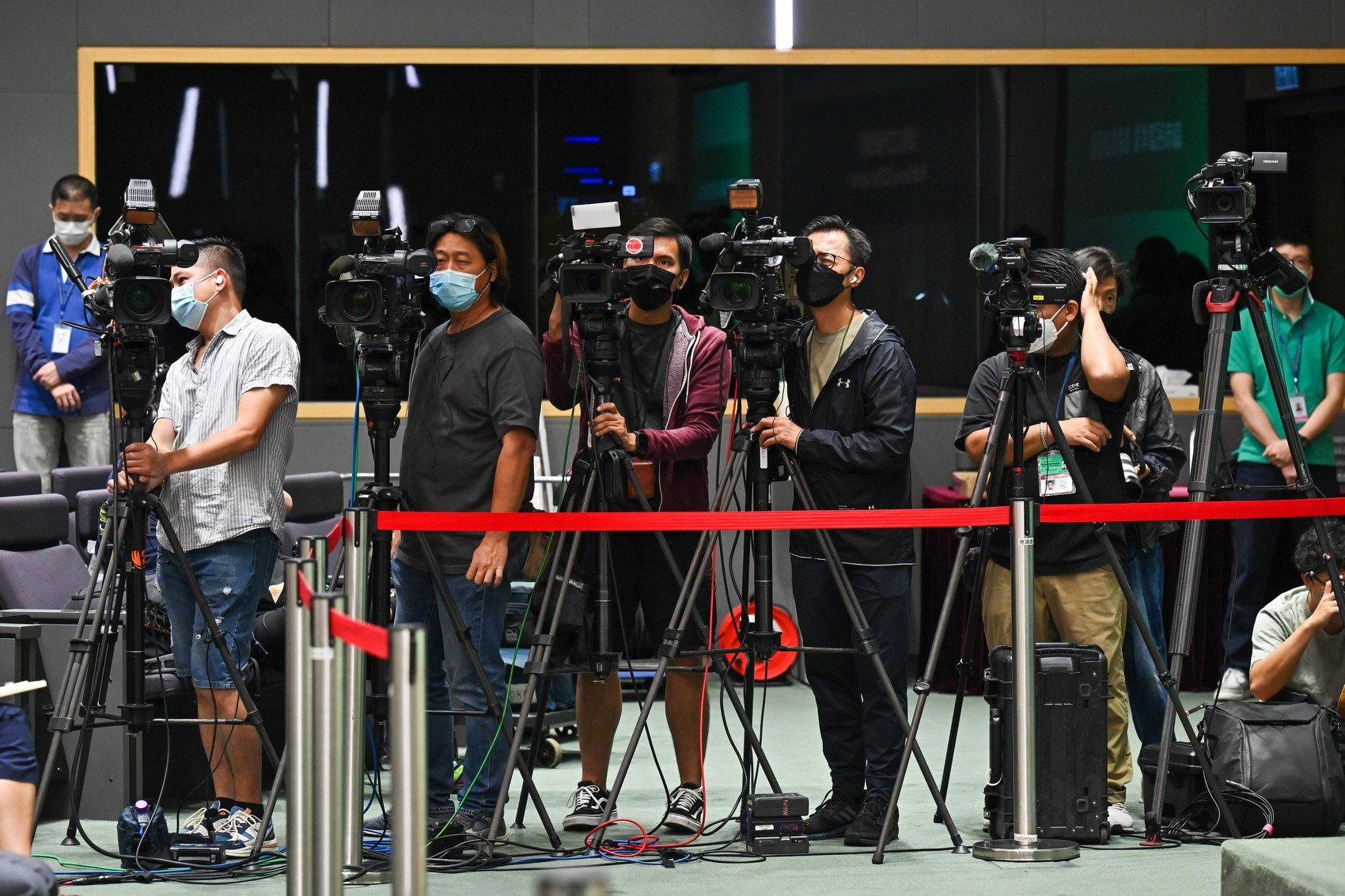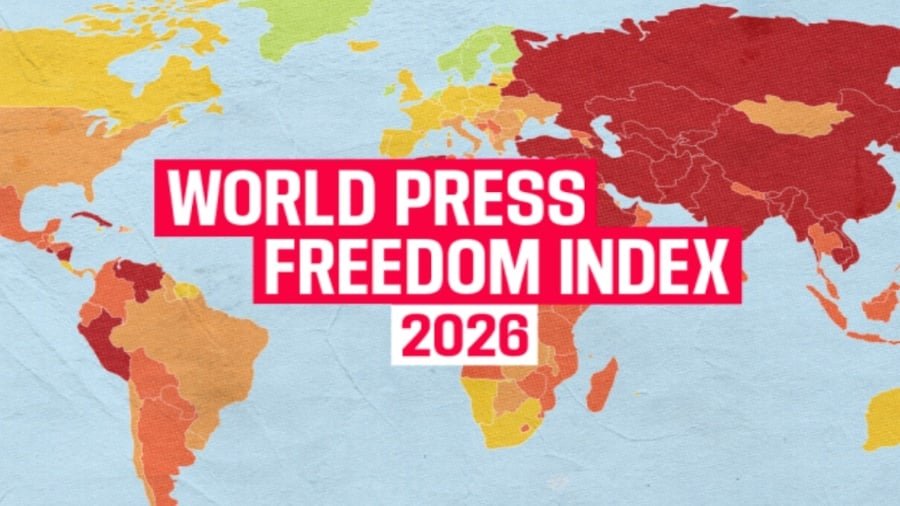
The city’s latest position in the World Press Freedom Index places it between Rwanda and Syria, reflecting years of political restructuring, newsroom closures, arrests, and tighter state oversight under the national security framework.
SYSTEM-DRIVEN
Hong Kong’s sharp decline in the World Press Freedom Index is the result of a structural transformation in the city’s political and legal environment following the imposition of the national security law and a broader reorganization of media regulation, public speech, and political control.
The latest ranking places Hong Kong at 140th globally, a position that marks one of the steepest long-term deteriorations among major international financial centers.
The ranking reflects accumulated developments rather than a single event.
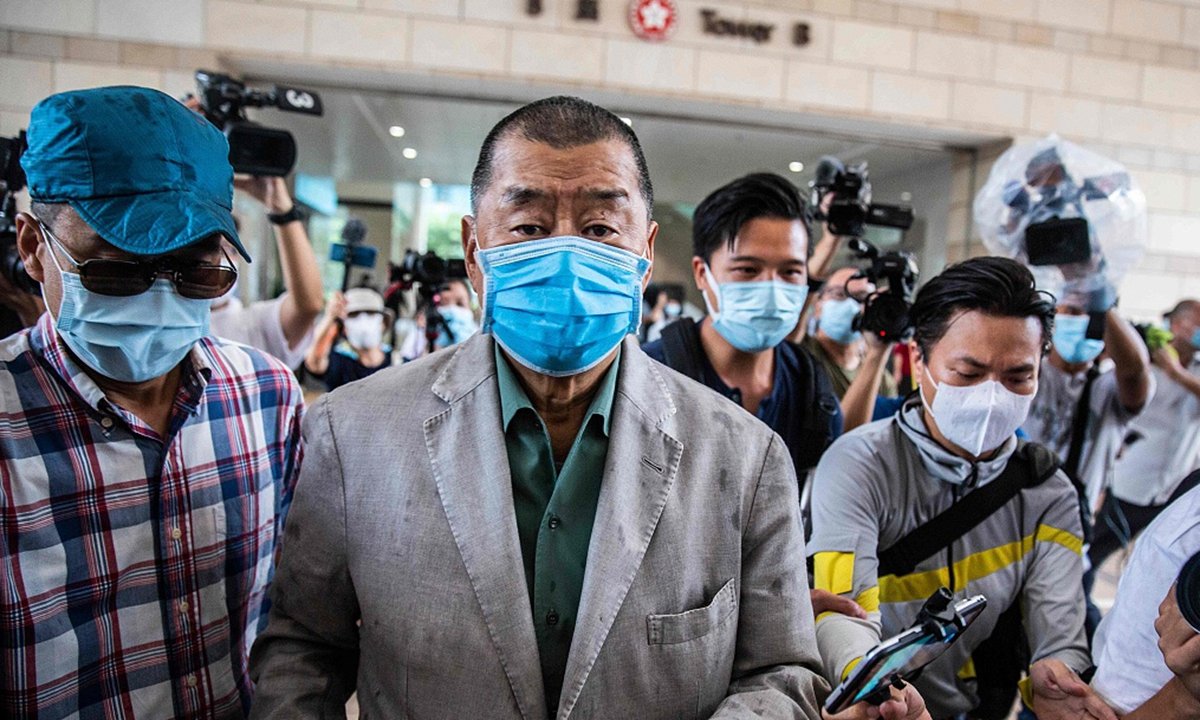
Over the past several years, independent news organizations in Hong Kong have closed, senior editors and media executives have been arrested or prosecuted, journalists have reported increased self-censorship, and government scrutiny of reporting standards has intensified.
The practical effect has been a narrowing of the operational space for adversarial journalism.
What is confirmed is that multiple prominent media outlets that once played a central role in Hong Kong’s public discourse have either shut down or significantly reduced operations after legal pressure, asset freezes, arrests, or security-related investigations.
Newsrooms that remain active have increasingly adjusted editorial practices to avoid potential violations tied to sedition, national security, or public order laws.
The key issue is not only direct prosecution.
The broader mechanism is institutional pressure.
Journalists, publishers, academics, and media owners now operate within a legal environment where broadly framed security offenses carry severe penalties and where the distinction between political commentary and alleged national security risk has become far narrower than in the past.
Authorities in Hong Kong and Beijing argue that the legal changes restored stability after the large-scale protests and unrest of 2019. Officials maintain that press freedom remains protected under Hong Kong law and that only activities deemed unlawful are targeted.
The government has repeatedly rejected claims that media freedom is being dismantled, arguing instead that the city continues to support responsible journalism within the boundaries of national security legislation.
Critics, including media rights groups and former journalists from closed outlets, argue that the cumulative effect of arrests, prosecutions, licensing pressure, and political signaling has fundamentally altered the city’s media ecosystem.
They point to the departure of international correspondents, the relocation of some regional media operations, and the disappearance of openly oppositional local publications as evidence of systemic contraction.
The ranking itself has become politically sensitive.
Hong Kong and Chinese officials have challenged the methodology and credibility of international press freedom measurements, arguing that they reflect ideological bias and fail to account for public order concerns or legal differences between jurisdictions.
However, the city’s decline has been consistent across multiple independent assessments tracking civil liberties, judicial independence, and media openness.
The economic implications are increasingly part of the discussion.
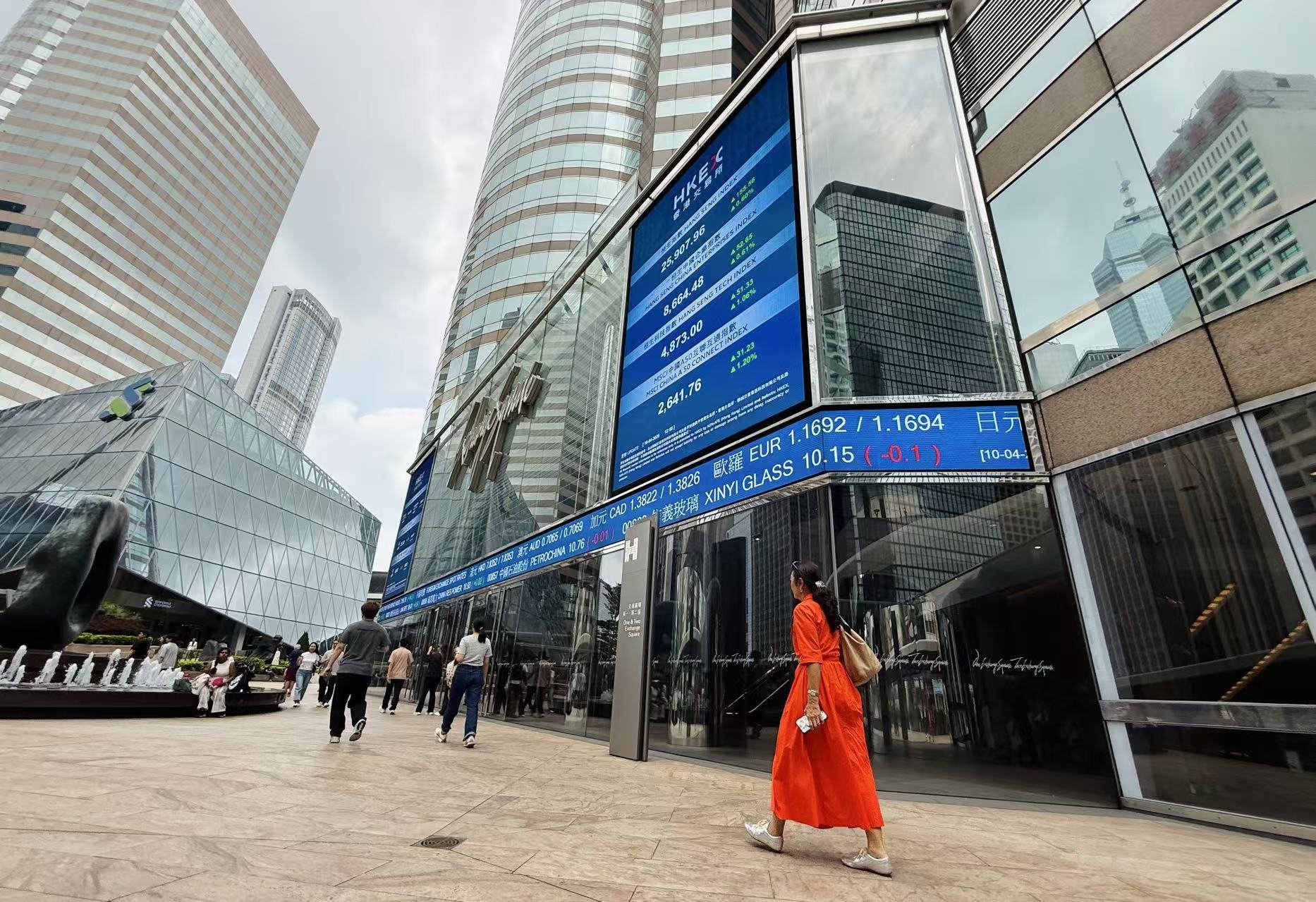
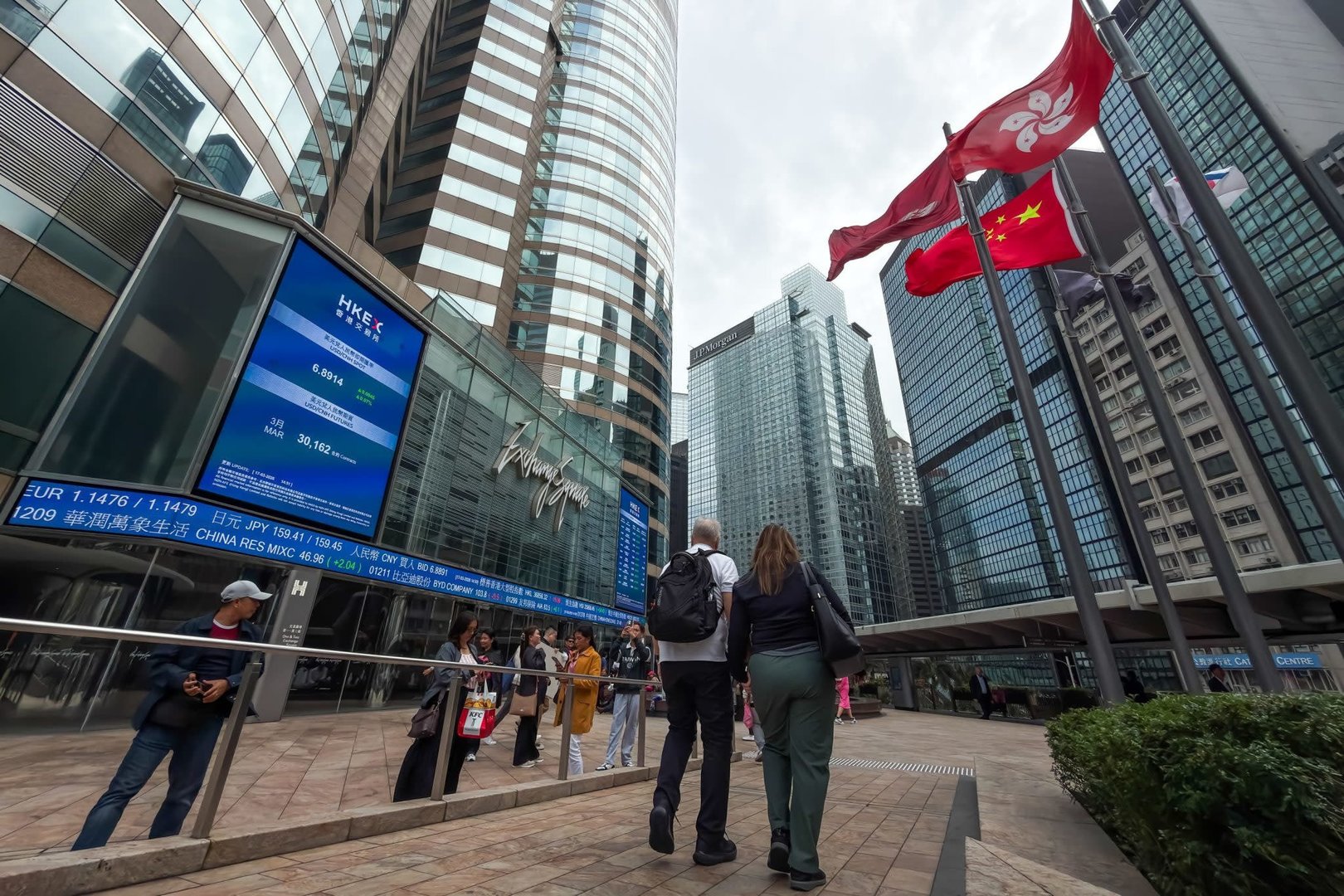
Hong Kong continues to function as a major global financial center with active capital markets, international banking operations, and extensive legal infrastructure.
But multinational firms, investors, and diplomatic missions increasingly evaluate information transparency, legal predictability, and freedom of communication as part of broader political risk analysis.
The media environment has also changed operationally.
Public broadcasters have undergone leadership changes and programming reviews.
Investigative reporting has become more cautious.
Some journalists now work through overseas-based platforms, freelance arrangements, or anonymous publication structures.
Civil society groups that previously provided information, data, or advocacy support to reporters have also contracted sharply.
At the same time, pro-government and mainland-aligned media organizations have expanded their influence.
Official messaging now plays a larger role in shaping public narratives around governance, national identity, and security policy.
This shift has altered the balance between state-aligned and independent reporting that once distinguished Hong Kong from mainland Chinese media systems.
The ranking carries symbolic significance because Hong Kong historically promoted itself as a city defined by open information flows, independent courts, and international connectivity.
Its current placement alongside states with far more overtly restrictive media environments underscores how dramatically perceptions of the territory’s freedoms have changed since 2020.
The immediate consequence is not the elimination of journalism in Hong Kong, but its restructuring into a far more constrained and legally risk-sensitive industry, with national security considerations now embedded at the center of editorial decision-making.
Hong Kong’s sharp decline in the World Press Freedom Index is the result of a structural transformation in the city’s political and legal environment following the imposition of the national security law and a broader reorganization of media regulation, public speech, and political control.
The latest ranking places Hong Kong at 140th globally, a position that marks one of the steepest long-term deteriorations among major international financial centers.
The ranking reflects accumulated developments rather than a single event.
Over the past several years, independent news organizations in Hong Kong have closed, senior editors and media executives have been arrested or prosecuted, journalists have reported increased self-censorship, and government scrutiny of reporting standards has intensified.
The practical effect has been a narrowing of the operational space for adversarial journalism.
What is confirmed is that multiple prominent media outlets that once played a central role in Hong Kong’s public discourse have either shut down or significantly reduced operations after legal pressure, asset freezes, arrests, or security-related investigations.
Newsrooms that remain active have increasingly adjusted editorial practices to avoid potential violations tied to sedition, national security, or public order laws.
The key issue is not only direct prosecution.
The broader mechanism is institutional pressure.
Journalists, publishers, academics, and media owners now operate within a legal environment where broadly framed security offenses carry severe penalties and where the distinction between political commentary and alleged national security risk has become far narrower than in the past.
Authorities in Hong Kong and Beijing argue that the legal changes restored stability after the large-scale protests and unrest of 2019. Officials maintain that press freedom remains protected under Hong Kong law and that only activities deemed unlawful are targeted.
The government has repeatedly rejected claims that media freedom is being dismantled, arguing instead that the city continues to support responsible journalism within the boundaries of national security legislation.
Critics, including media rights groups and former journalists from closed outlets, argue that the cumulative effect of arrests, prosecutions, licensing pressure, and political signaling has fundamentally altered the city’s media ecosystem.
They point to the departure of international correspondents, the relocation of some regional media operations, and the disappearance of openly oppositional local publications as evidence of systemic contraction.
The ranking itself has become politically sensitive.
Hong Kong and Chinese officials have challenged the methodology and credibility of international press freedom measurements, arguing that they reflect ideological bias and fail to account for public order concerns or legal differences between jurisdictions.
However, the city’s decline has been consistent across multiple independent assessments tracking civil liberties, judicial independence, and media openness.
The economic implications are increasingly part of the discussion.
Hong Kong continues to function as a major global financial center with active capital markets, international banking operations, and extensive legal infrastructure.
But multinational firms, investors, and diplomatic missions increasingly evaluate information transparency, legal predictability, and freedom of communication as part of broader political risk analysis.
The media environment has also changed operationally.
Public broadcasters have undergone leadership changes and programming reviews.
Investigative reporting has become more cautious.
Some journalists now work through overseas-based platforms, freelance arrangements, or anonymous publication structures.
Civil society groups that previously provided information, data, or advocacy support to reporters have also contracted sharply.
At the same time, pro-government and mainland-aligned media organizations have expanded their influence.
Official messaging now plays a larger role in shaping public narratives around governance, national identity, and security policy.
This shift has altered the balance between state-aligned and independent reporting that once distinguished Hong Kong from mainland Chinese media systems.
The ranking carries symbolic significance because Hong Kong historically promoted itself as a city defined by open information flows, independent courts, and international connectivity.
Its current placement alongside states with far more overtly restrictive media environments underscores how dramatically perceptions of the territory’s freedoms have changed since 2020.
The immediate consequence is not the elimination of journalism in Hong Kong, but its restructuring into a far more constrained and legally risk-sensitive industry, with national security considerations now embedded at the center of editorial decision-making.