Recognition in 2025 Travel + Leisure China rankings highlights brand repositioning and Hong Kong’s push to revive high-end tourism
Travel + Leisure China’s 2025 hotel rankings, an influential industry benchmark based on reader surveys and market perception, have named Regent Hong Kong among the country’s top 100 hotels, underscoring a broader recovery effort in Hong Kong’s luxury hospitality sector.
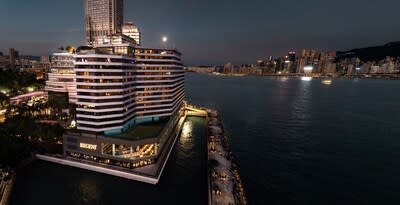
What is confirmed is that Regent Hong Kong, a flagship property on the Kowloon waterfront, secured a place on the list following its recent relaunch under the Regent brand.
The hotel had previously operated for years under a different identity before undergoing a substantial redevelopment and rebranding, part of a wider strategy by its parent group to reintroduce Regent as a global luxury name.
The key issue is not the award itself but what it represents: a signal that Hong Kong’s premium hotel segment is regaining traction after a prolonged downturn driven by travel restrictions, reduced mainland visitor flows, and intensified regional competition.
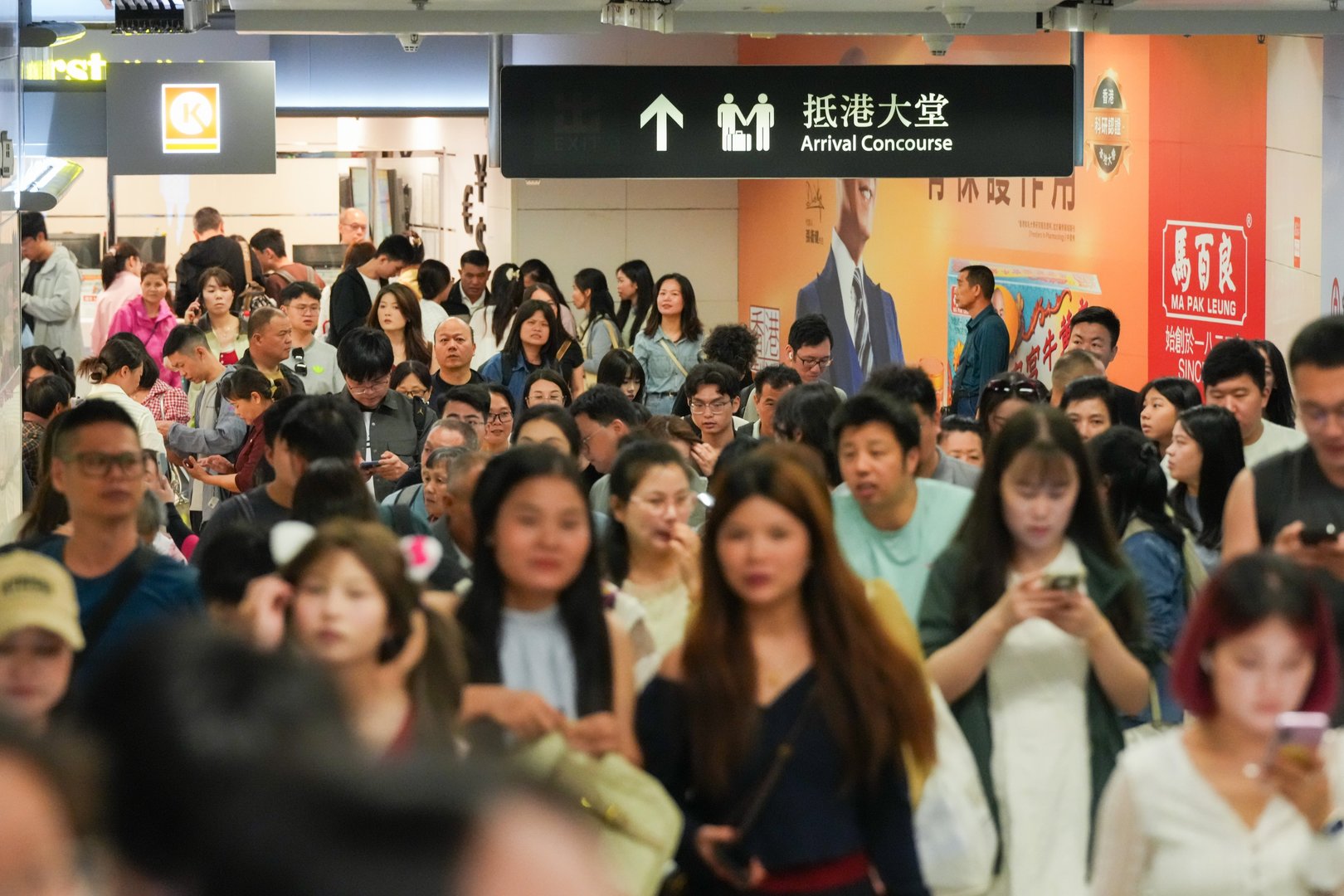
Recognition in a mainland China-focused ranking carries particular weight because mainland travelers are a primary customer base for Hong Kong’s high-end hospitality market.
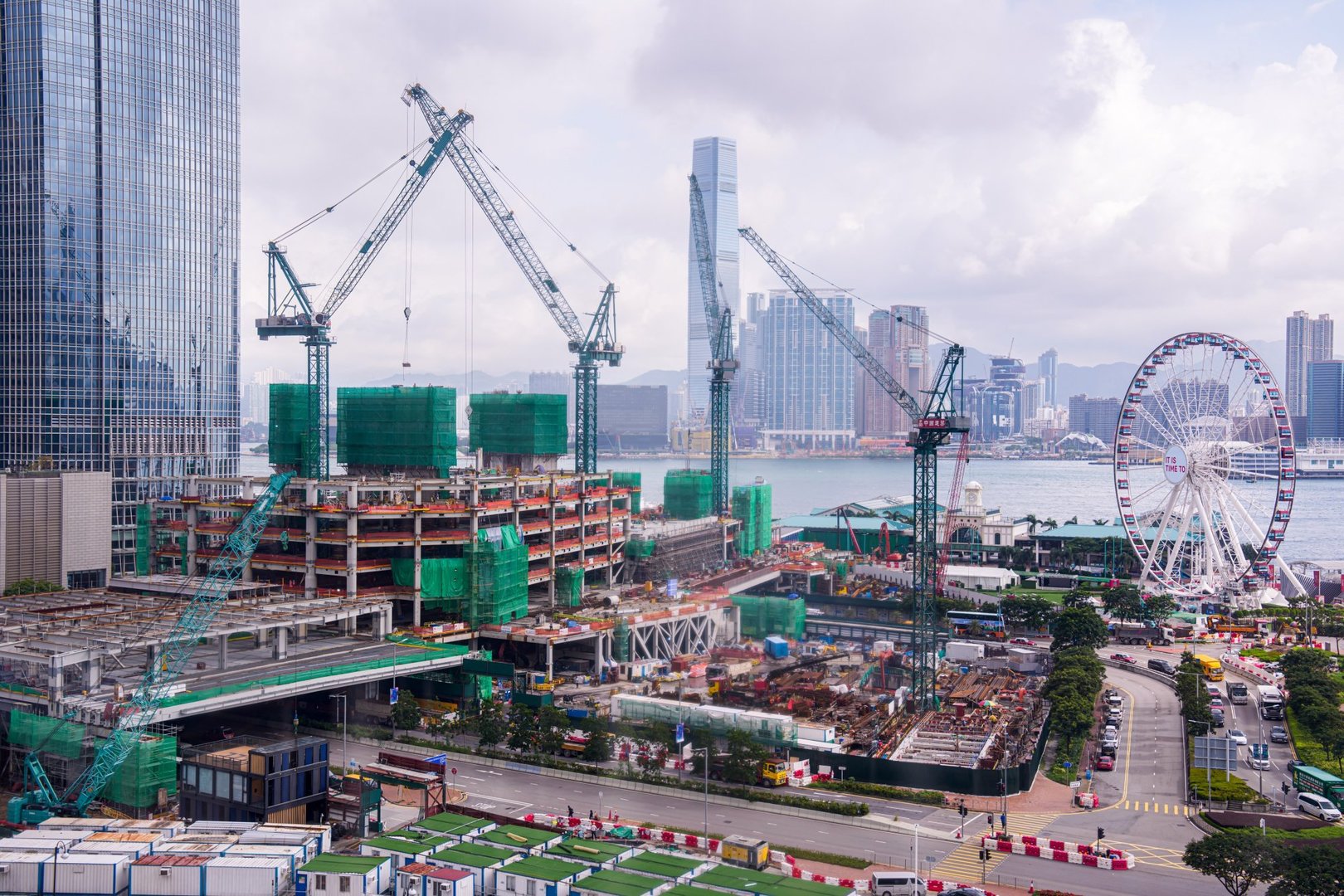
The redevelopment of Regent Hong Kong involved a full-scale redesign of guest rooms, public spaces, and dining concepts, aiming to reposition the property at the top tier of urban luxury.
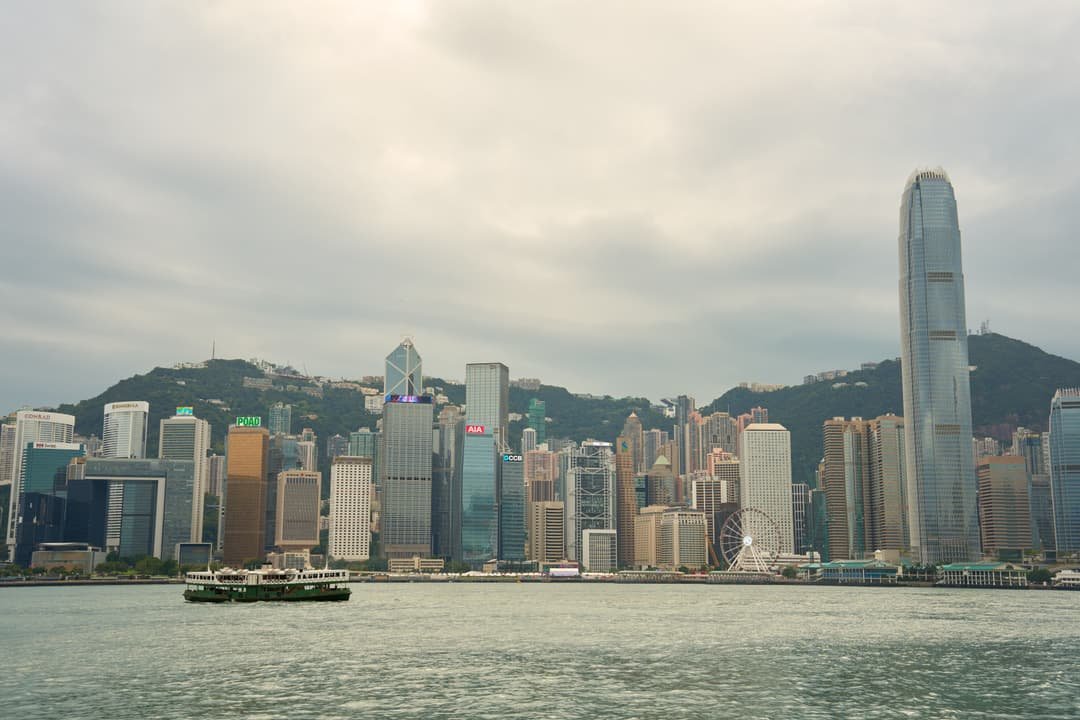
The hotel’s waterfront location overlooking Victoria Harbour remains its central asset, but the relaunch emphasized experiential design, privacy, and high-end service as differentiators in a crowded regional market.
Industry dynamics have shifted sharply.
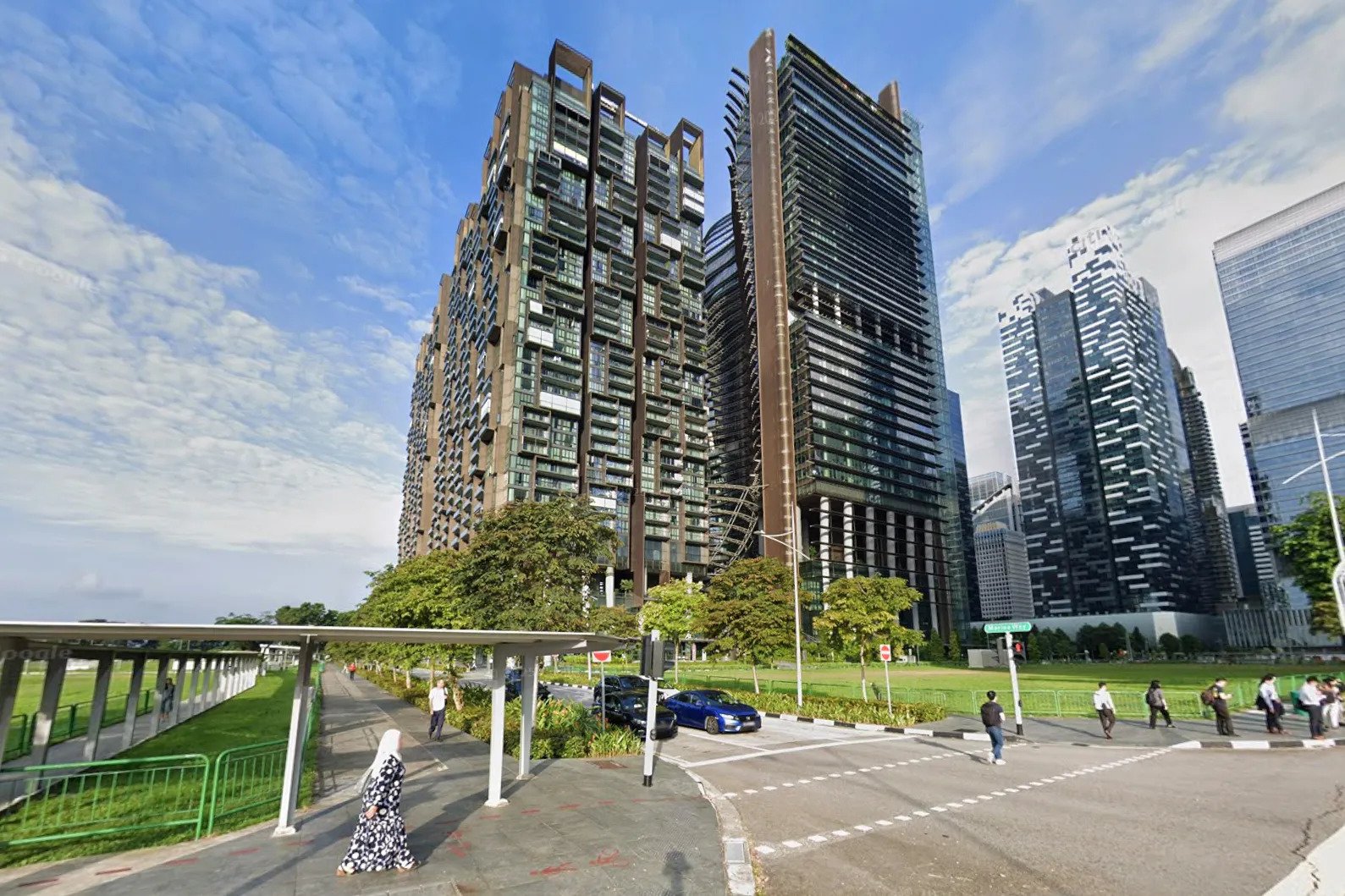
Cities such as Singapore, Shanghai, and Tokyo have expanded their luxury hotel offerings during the years when Hong Kong faced prolonged border controls.
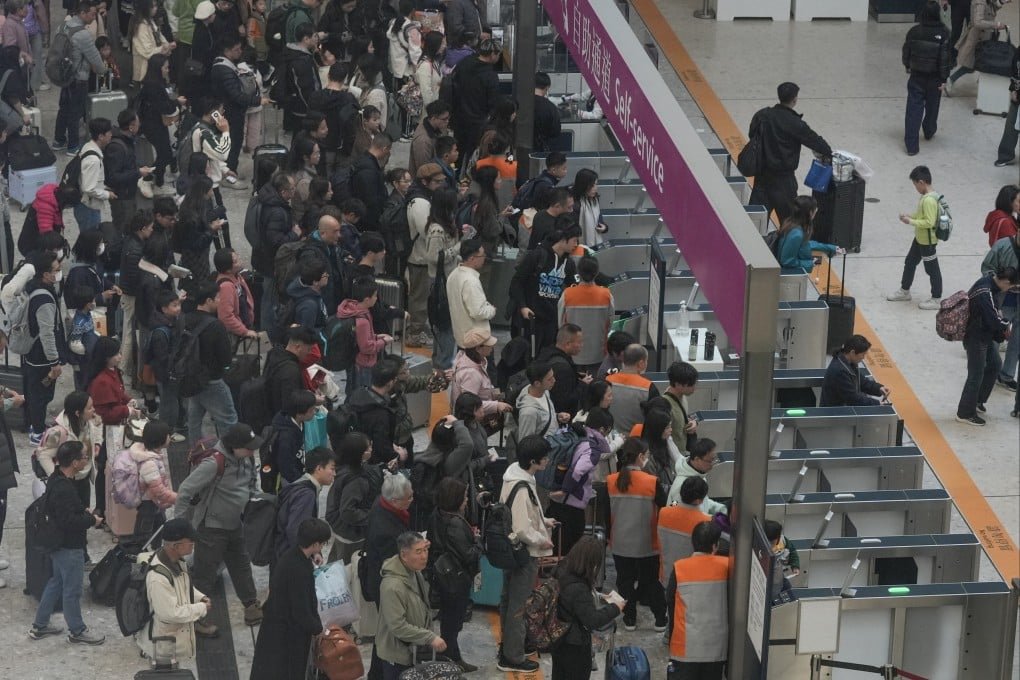
As travel resumes, Hong Kong is competing to reassert itself as a premium destination, particularly for affluent mainland Chinese tourists whose spending patterns strongly influence occupancy rates and pricing power.
Awards like the Travel + Leisure China list function as both marketing tools and demand signals.
They shape traveler perceptions, influence booking decisions, and help hotels command higher room rates.
For Regent Hong Kong, inclusion provides validation that its repositioning strategy is gaining recognition among its target demographic.
At the same time, the competitive environment remains intense.
New and recently upgraded properties across Asia are targeting the same high-spending clientele with aggressive pricing, brand partnerships, and experiential offerings.
Sustaining momentum will depend on maintaining service standards and differentiating beyond physical design.
The broader implication is that Hong Kong’s tourism recovery is entering a more competitive phase.
Early signs of demand return are being reinforced by selective recognition of flagship properties, but long-term performance will depend on consistent visitor inflows and the city’s ability to refresh its global appeal.
The immediate consequence is commercial: Regent Hong Kong is positioned to leverage the award in marketing and pricing strategies during the current travel cycle, reinforcing its role as a benchmark property in the city’s effort to rebuild its luxury tourism sector.
What is confirmed is that Regent Hong Kong, a flagship property on the Kowloon waterfront, secured a place on the list following its recent relaunch under the Regent brand.
The hotel had previously operated for years under a different identity before undergoing a substantial redevelopment and rebranding, part of a wider strategy by its parent group to reintroduce Regent as a global luxury name.
The key issue is not the award itself but what it represents: a signal that Hong Kong’s premium hotel segment is regaining traction after a prolonged downturn driven by travel restrictions, reduced mainland visitor flows, and intensified regional competition.
Recognition in a mainland China-focused ranking carries particular weight because mainland travelers are a primary customer base for Hong Kong’s high-end hospitality market.
The redevelopment of Regent Hong Kong involved a full-scale redesign of guest rooms, public spaces, and dining concepts, aiming to reposition the property at the top tier of urban luxury.
The hotel’s waterfront location overlooking Victoria Harbour remains its central asset, but the relaunch emphasized experiential design, privacy, and high-end service as differentiators in a crowded regional market.
Industry dynamics have shifted sharply.
Cities such as Singapore, Shanghai, and Tokyo have expanded their luxury hotel offerings during the years when Hong Kong faced prolonged border controls.
As travel resumes, Hong Kong is competing to reassert itself as a premium destination, particularly for affluent mainland Chinese tourists whose spending patterns strongly influence occupancy rates and pricing power.
Awards like the Travel + Leisure China list function as both marketing tools and demand signals.
They shape traveler perceptions, influence booking decisions, and help hotels command higher room rates.
For Regent Hong Kong, inclusion provides validation that its repositioning strategy is gaining recognition among its target demographic.
At the same time, the competitive environment remains intense.
New and recently upgraded properties across Asia are targeting the same high-spending clientele with aggressive pricing, brand partnerships, and experiential offerings.
Sustaining momentum will depend on maintaining service standards and differentiating beyond physical design.
The broader implication is that Hong Kong’s tourism recovery is entering a more competitive phase.
Early signs of demand return are being reinforced by selective recognition of flagship properties, but long-term performance will depend on consistent visitor inflows and the city’s ability to refresh its global appeal.
The immediate consequence is commercial: Regent Hong Kong is positioned to leverage the award in marketing and pricing strategies during the current travel cycle, reinforcing its role as a benchmark property in the city’s effort to rebuild its luxury tourism sector.