Beijing’s larger 2026 treasury issuance in Hong Kong strengthens the city’s role as the primary offshore renminbi hub while deepening China’s effort to internationalize its currency amid global financial fragmentation.
SYSTEM-DRIVEN
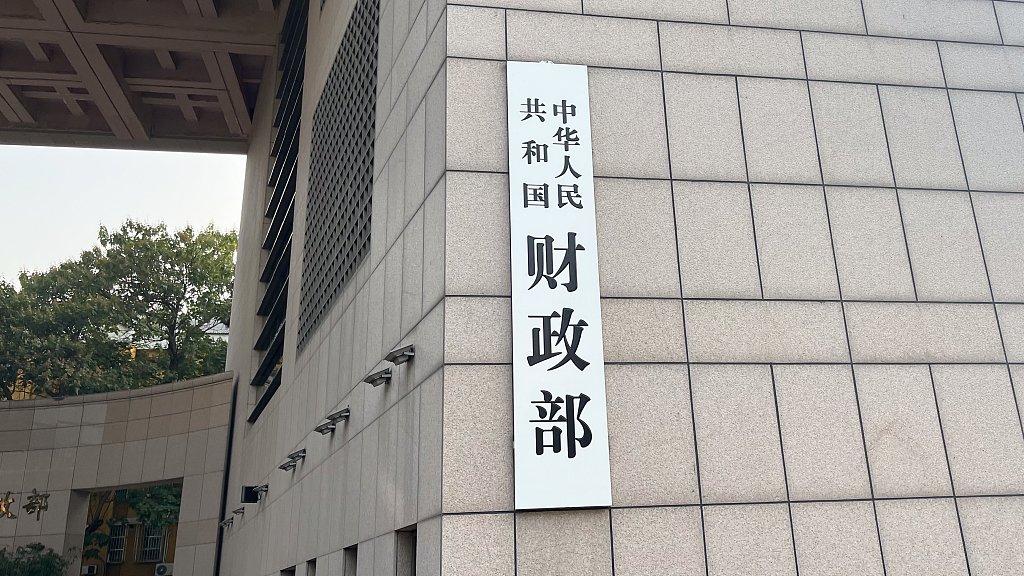
China’s Ministry of Finance plans to issue 84 billion yuan in renminbi-denominated sovereign bonds in Hong Kong in 2026, marking another expansion of Beijing’s long-running strategy to build offshore yuan markets through the city’s financial system.
What is confirmed is that the ministry will sell the bonds in six batches during the year.
The first two tranches, totaling 29.5 billion yuan, have already been issued in February and April.
The full-year issuance target exceeds the 68 billion yuan sold in Hong Kong during 2025.
The mechanism behind the program is straightforward but strategically important.
Beijing issues sovereign debt in Hong Kong in offshore renminbi rather than mainland China’s domestic market.
That provides international investors, banks, insurers, sovereign funds, and central banks with greater access to yuan assets without requiring direct participation in mainland capital markets.
The policy is designed to support two parallel objectives: strengthening Hong Kong’s role as China’s international financial gateway and expanding the global use of the renminbi in trade, investment, and reserve management.
The increase in issuance comes at a time of growing geopolitical and financial fragmentation.
China has spent years attempting to reduce dependence on the US dollar-centered financial system while encouraging broader international use of its own currency.
Offshore sovereign bond issuance is one of the most practical tools available because government debt creates benchmark pricing for other yuan-denominated assets.
Hong Kong remains central to that strategy.
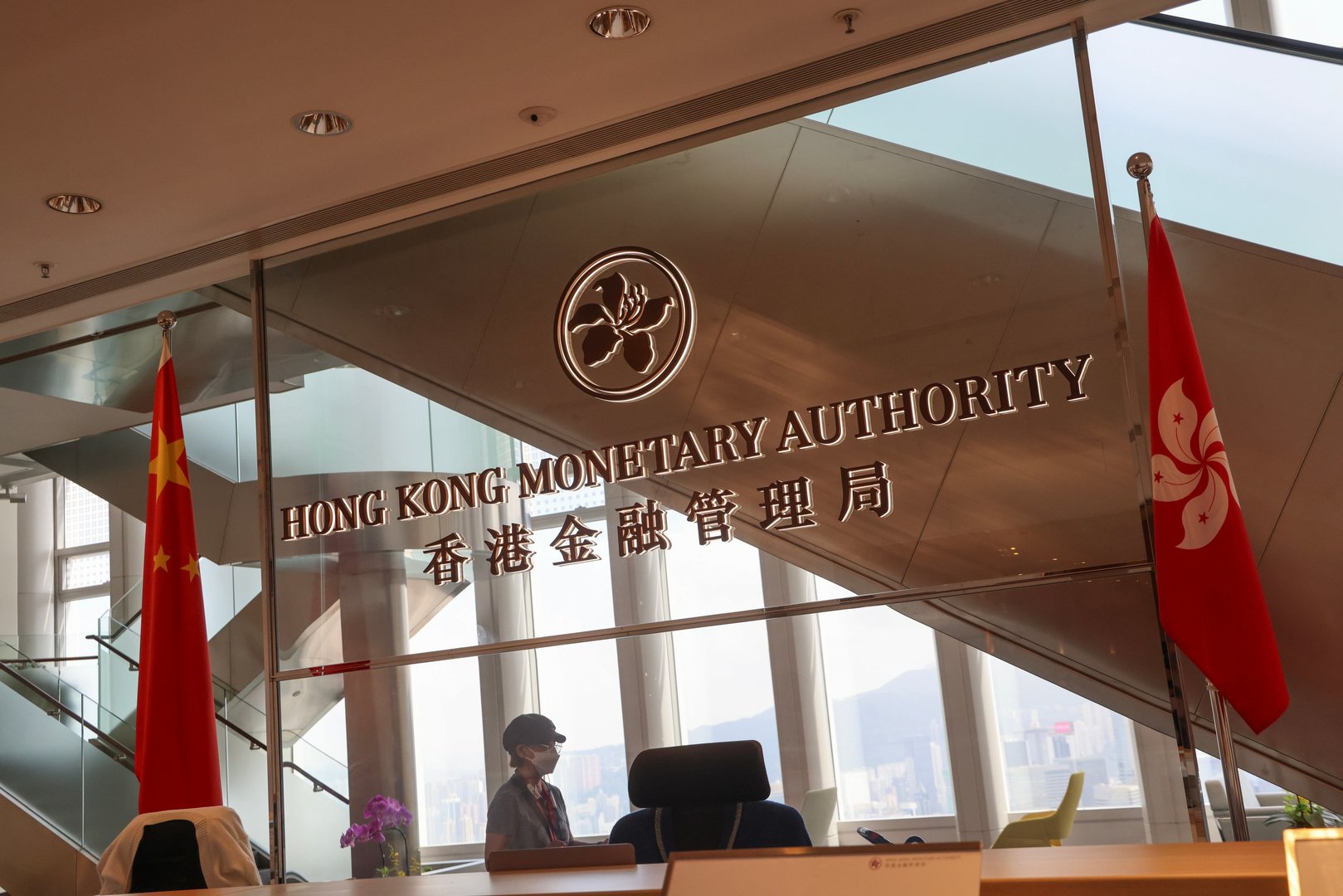
The city hosts the world’s largest offshore renminbi liquidity pool and operates the main infrastructure for offshore yuan clearing, settlement, and bond trading.
The issuance program reinforces Hong Kong’s role despite prolonged pressure on the city’s property market, slower capital market activity, and political tensions following the implementation of the national security law.
The bonds also serve a technical market function.
Sovereign debt establishes yield curves that help price corporate bonds, policy bank debt, green bonds, and other fixed-income products.
Expanding the volume and maturity range of sovereign issuance improves liquidity and supports development of the offshore yuan bond market, commonly called the dim sum bond market.
The latest bond sales have included multiple maturities ranging from short-term notes to longer-dated instruments extending decades into the future.
Some tranches have reportedly attracted strong investor demand, with bids significantly exceeding issuance size.
That matters because liquidity and investor participation are essential if Beijing wants the renminbi to evolve into a more widely used international reserve and settlement currency.
The broader context is China’s effort to diversify financing channels as global interest rates, trade disputes, and sanctions risks reshape capital flows.
Beijing has accelerated policies supporting cross-border yuan usage in energy trade, commodity settlement, and bilateral agreements with emerging-market economies.
At the same time, offshore yuan bond issuance helps absorb growing international demand for Chinese fixed-income assets.
Chinese government bonds have attracted institutional investors seeking diversification from Western sovereign debt markets, particularly during periods of volatility in the United States and Europe.
The key issue is that renminbi internationalization remains structurally incomplete.
China maintains capital controls and still tightly manages large parts of its financial system.
That limits the yuan’s role compared with fully convertible reserve currencies such as the US dollar or euro.
Even so, Beijing’s approach has shifted from pursuing rapid liberalization to building parallel financial infrastructure incrementally.
Hong Kong’s offshore bond market is one of the most developed parts of that system because it allows international participation while preserving mainland regulatory separation.
The increased 2026 issuance also aligns with broader Chinese fiscal expansion.
Beijing has continued using sovereign debt issuance, including ultra-long special treasury bonds, to support industrial policy, infrastructure investment, technology development, and domestic economic stabilization amid weaker property-sector growth and softer consumer demand.
For Hong Kong, the implications are substantial.
Higher sovereign issuance volumes strengthen trading activity, clearing operations, custody services, and secondary-market liquidity.
The program also supports the city’s ambition to remain Asia’s leading cross-border bond-financing center even as competition intensifies from Singapore and mainland financial hubs.
The practical consequence is that Hong Kong is becoming more deeply embedded in China’s long-term financial architecture, not less.
The 84 billion yuan issuance plan reinforces the city’s role as the primary offshore platform for sovereign yuan assets and further integrates its capital markets into Beijing’s broader currency and financing strategy.
China’s Ministry of Finance plans to issue 84 billion yuan in renminbi-denominated sovereign bonds in Hong Kong in 2026, marking another expansion of Beijing’s long-running strategy to build offshore yuan markets through the city’s financial system.
What is confirmed is that the ministry will sell the bonds in six batches during the year.
The first two tranches, totaling 29.5 billion yuan, have already been issued in February and April.
The full-year issuance target exceeds the 68 billion yuan sold in Hong Kong during 2025.
The mechanism behind the program is straightforward but strategically important.
Beijing issues sovereign debt in Hong Kong in offshore renminbi rather than mainland China’s domestic market.
That provides international investors, banks, insurers, sovereign funds, and central banks with greater access to yuan assets without requiring direct participation in mainland capital markets.
The policy is designed to support two parallel objectives: strengthening Hong Kong’s role as China’s international financial gateway and expanding the global use of the renminbi in trade, investment, and reserve management.
The increase in issuance comes at a time of growing geopolitical and financial fragmentation.
China has spent years attempting to reduce dependence on the US dollar-centered financial system while encouraging broader international use of its own currency.
Offshore sovereign bond issuance is one of the most practical tools available because government debt creates benchmark pricing for other yuan-denominated assets.
Hong Kong remains central to that strategy.
The city hosts the world’s largest offshore renminbi liquidity pool and operates the main infrastructure for offshore yuan clearing, settlement, and bond trading.
The issuance program reinforces Hong Kong’s role despite prolonged pressure on the city’s property market, slower capital market activity, and political tensions following the implementation of the national security law.
The bonds also serve a technical market function.
Sovereign debt establishes yield curves that help price corporate bonds, policy bank debt, green bonds, and other fixed-income products.
Expanding the volume and maturity range of sovereign issuance improves liquidity and supports development of the offshore yuan bond market, commonly called the dim sum bond market.
The latest bond sales have included multiple maturities ranging from short-term notes to longer-dated instruments extending decades into the future.
Some tranches have reportedly attracted strong investor demand, with bids significantly exceeding issuance size.
That matters because liquidity and investor participation are essential if Beijing wants the renminbi to evolve into a more widely used international reserve and settlement currency.
The broader context is China’s effort to diversify financing channels as global interest rates, trade disputes, and sanctions risks reshape capital flows.
Beijing has accelerated policies supporting cross-border yuan usage in energy trade, commodity settlement, and bilateral agreements with emerging-market economies.
At the same time, offshore yuan bond issuance helps absorb growing international demand for Chinese fixed-income assets.
Chinese government bonds have attracted institutional investors seeking diversification from Western sovereign debt markets, particularly during periods of volatility in the United States and Europe.
The key issue is that renminbi internationalization remains structurally incomplete.
China maintains capital controls and still tightly manages large parts of its financial system.
That limits the yuan’s role compared with fully convertible reserve currencies such as the US dollar or euro.
Even so, Beijing’s approach has shifted from pursuing rapid liberalization to building parallel financial infrastructure incrementally.
Hong Kong’s offshore bond market is one of the most developed parts of that system because it allows international participation while preserving mainland regulatory separation.
The increased 2026 issuance also aligns with broader Chinese fiscal expansion.
Beijing has continued using sovereign debt issuance, including ultra-long special treasury bonds, to support industrial policy, infrastructure investment, technology development, and domestic economic stabilization amid weaker property-sector growth and softer consumer demand.
For Hong Kong, the implications are substantial.
Higher sovereign issuance volumes strengthen trading activity, clearing operations, custody services, and secondary-market liquidity.
The program also supports the city’s ambition to remain Asia’s leading cross-border bond-financing center even as competition intensifies from Singapore and mainland financial hubs.
The practical consequence is that Hong Kong is becoming more deeply embedded in China’s long-term financial architecture, not less.
The 84 billion yuan issuance plan reinforces the city’s role as the primary offshore platform for sovereign yuan assets and further integrates its capital markets into Beijing’s broader currency and financing strategy.