A landmark prosecution tests the boundaries of information flow, market access, and compliance standards in Asia’s hedge fund industry
ACTOR-DRIVEN dynamics define the unfolding insider trading trial involving Segantii Capital Management, a prominent Hong Kong hedge fund, where prosecutors allege that a single $1.14 million trade became the catalyst for one of the city’s most closely watched financial crime cases in years.
What is confirmed is that Hong Kong’s authorities have brought insider trading charges linked to trading activity involving Segantii Capital Management and individuals connected to the firm.
The case centers on a specific transaction valued at approximately $1.14 million, which regulators argue was executed using non-public, price-sensitive information tied to a corporate event in Hong Kong’s equity markets.
Segantii Capital Management is a multi-strategy hedge fund known for its event-driven trading approach and its significant presence in Asia’s block trading and secondary markets.
The firm has historically operated at the intersection of institutional order flow, private deal execution, and rapid positioning around corporate announcements, making it a key participant in Hong Kong’s high-speed equity ecosystem.
The key issue is not the size of the trade itself, but what it represents: the legal boundary between legitimate market intelligence gathering and unlawful use of material non-public information in a market structure where hedge funds, investment banks, and brokers often operate in close informational proximity.
Insider trading cases in Hong Kong typically require prosecutors to demonstrate that specific individuals had access to confidential information, that the information was material to price formation, and that trades were executed with knowledge of that information before it became public.
The Segantii case is being closely scrutinized because it involves institutional actors rather than individual retail traders, raising the stakes for compliance standards across the hedge fund industry.
The alleged trade of $1.14 million has become symbolic within the broader investigation because it is being treated as a reference point for reconstructing the flow of information inside trading desks, communications between market participants, and timing of order execution relative to corporate disclosures.
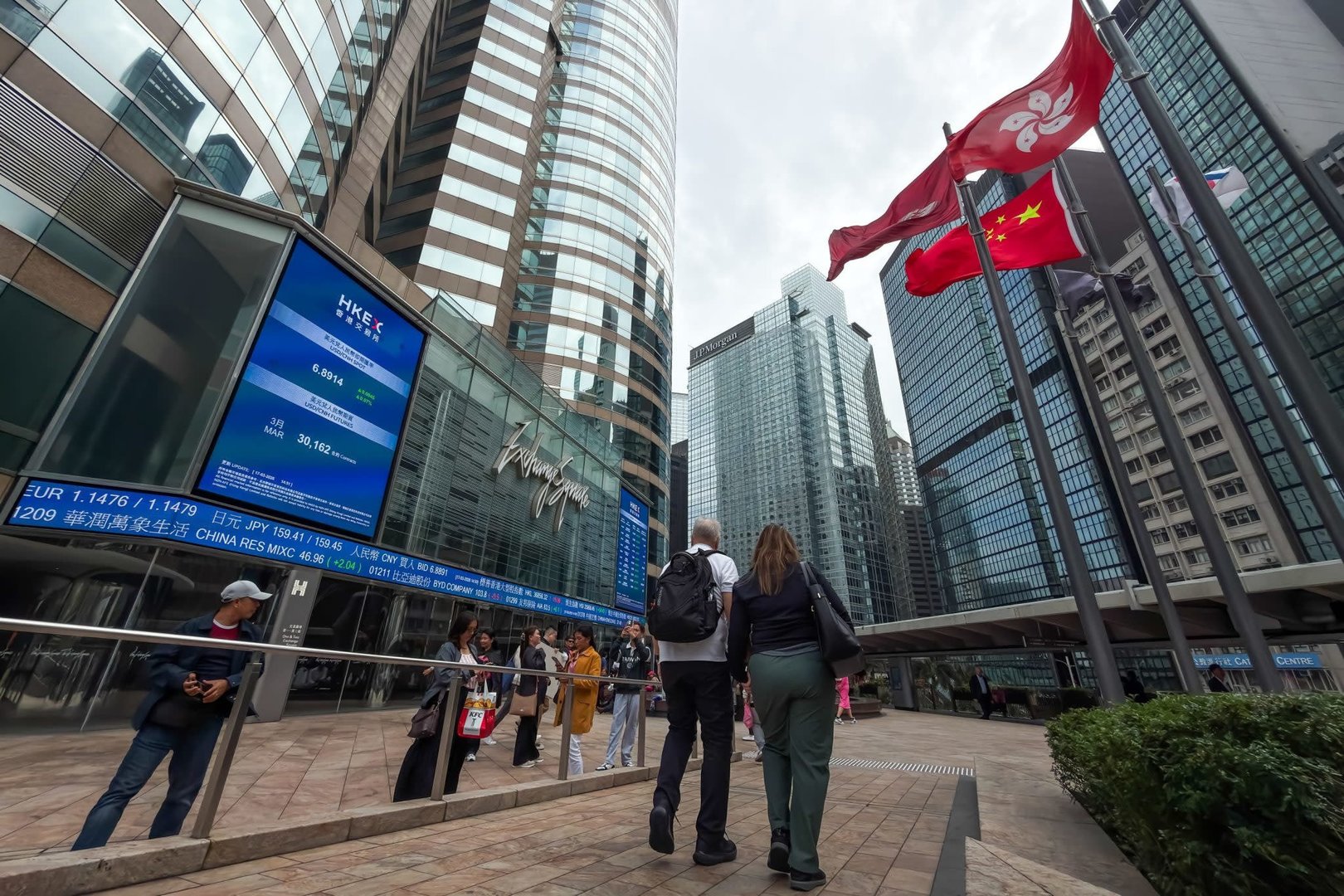
Hong Kong’s regulatory environment is particularly sensitive to insider trading enforcement due to its role as a global financial hub for mainland Chinese companies and international capital.
Authorities have increasingly focused on strengthening market integrity frameworks to align with global standards, especially as trading volumes in derivatives, block trades, and cross-border listings continue to expand.
If the allegations are proven in court, the implications extend beyond a single fund.
A conviction would reinforce stricter expectations around information barriers, internal compliance controls, and surveillance of employee communications within hedge funds operating in Asia’s most active equity market.
For Segantii, the reputational impact is already material, as hedge funds rely heavily on counterpart trust, execution access, and institutional relationships with banks and brokers.
Even before legal resolution, regulatory scrutiny can affect trading capacity, prime brokerage relationships, and participation in large block transactions.
The broader consequence is a tightening of operational discipline across Hong Kong’s hedge fund ecosystem.
Firms are likely to increase compliance monitoring, restrict informal information channels, and enhance documentation of trade rationale to reduce exposure to similar allegations.
The trial also underscores a structural tension in modern markets: the faster and more interconnected trading becomes, the harder it is to clearly separate legitimate market insight from prohibited informational advantage.
That tension is now being tested directly in court through a case anchored by a single $1.14 million trade that has expanded into a wider examination of how institutional trading desks operate under regulatory scrutiny.
The outcome will shape not only the legal standing of the individuals involved, but also the operational norms for hedge funds navigating Hong Kong’s increasingly enforcement-driven financial environment.
What is confirmed is that Hong Kong’s authorities have brought insider trading charges linked to trading activity involving Segantii Capital Management and individuals connected to the firm.
The case centers on a specific transaction valued at approximately $1.14 million, which regulators argue was executed using non-public, price-sensitive information tied to a corporate event in Hong Kong’s equity markets.
Segantii Capital Management is a multi-strategy hedge fund known for its event-driven trading approach and its significant presence in Asia’s block trading and secondary markets.
The firm has historically operated at the intersection of institutional order flow, private deal execution, and rapid positioning around corporate announcements, making it a key participant in Hong Kong’s high-speed equity ecosystem.
The key issue is not the size of the trade itself, but what it represents: the legal boundary between legitimate market intelligence gathering and unlawful use of material non-public information in a market structure where hedge funds, investment banks, and brokers often operate in close informational proximity.
Insider trading cases in Hong Kong typically require prosecutors to demonstrate that specific individuals had access to confidential information, that the information was material to price formation, and that trades were executed with knowledge of that information before it became public.
The Segantii case is being closely scrutinized because it involves institutional actors rather than individual retail traders, raising the stakes for compliance standards across the hedge fund industry.
The alleged trade of $1.14 million has become symbolic within the broader investigation because it is being treated as a reference point for reconstructing the flow of information inside trading desks, communications between market participants, and timing of order execution relative to corporate disclosures.
Hong Kong’s regulatory environment is particularly sensitive to insider trading enforcement due to its role as a global financial hub for mainland Chinese companies and international capital.
Authorities have increasingly focused on strengthening market integrity frameworks to align with global standards, especially as trading volumes in derivatives, block trades, and cross-border listings continue to expand.
If the allegations are proven in court, the implications extend beyond a single fund.
A conviction would reinforce stricter expectations around information barriers, internal compliance controls, and surveillance of employee communications within hedge funds operating in Asia’s most active equity market.
For Segantii, the reputational impact is already material, as hedge funds rely heavily on counterpart trust, execution access, and institutional relationships with banks and brokers.
Even before legal resolution, regulatory scrutiny can affect trading capacity, prime brokerage relationships, and participation in large block transactions.
The broader consequence is a tightening of operational discipline across Hong Kong’s hedge fund ecosystem.
Firms are likely to increase compliance monitoring, restrict informal information channels, and enhance documentation of trade rationale to reduce exposure to similar allegations.
The trial also underscores a structural tension in modern markets: the faster and more interconnected trading becomes, the harder it is to clearly separate legitimate market insight from prohibited informational advantage.
That tension is now being tested directly in court through a case anchored by a single $1.14 million trade that has expanded into a wider examination of how institutional trading desks operate under regulatory scrutiny.
The outcome will shape not only the legal standing of the individuals involved, but also the operational norms for hedge funds navigating Hong Kong’s increasingly enforcement-driven financial environment.