Policy shift loosens restrictions on private car travel between Hong Kong and mainland cities, signaling deeper integration across the Greater Bay Area transport network
SYSTEM-DRIVEN policy change is reshaping cross-border mobility across southern China as Hong Kong introduces a new vehicle quota arrangement for the Hong Kong–Zhuhai–Macau Bridge, allowing more flexible private car travel between jurisdictions under a simplified approval framework.
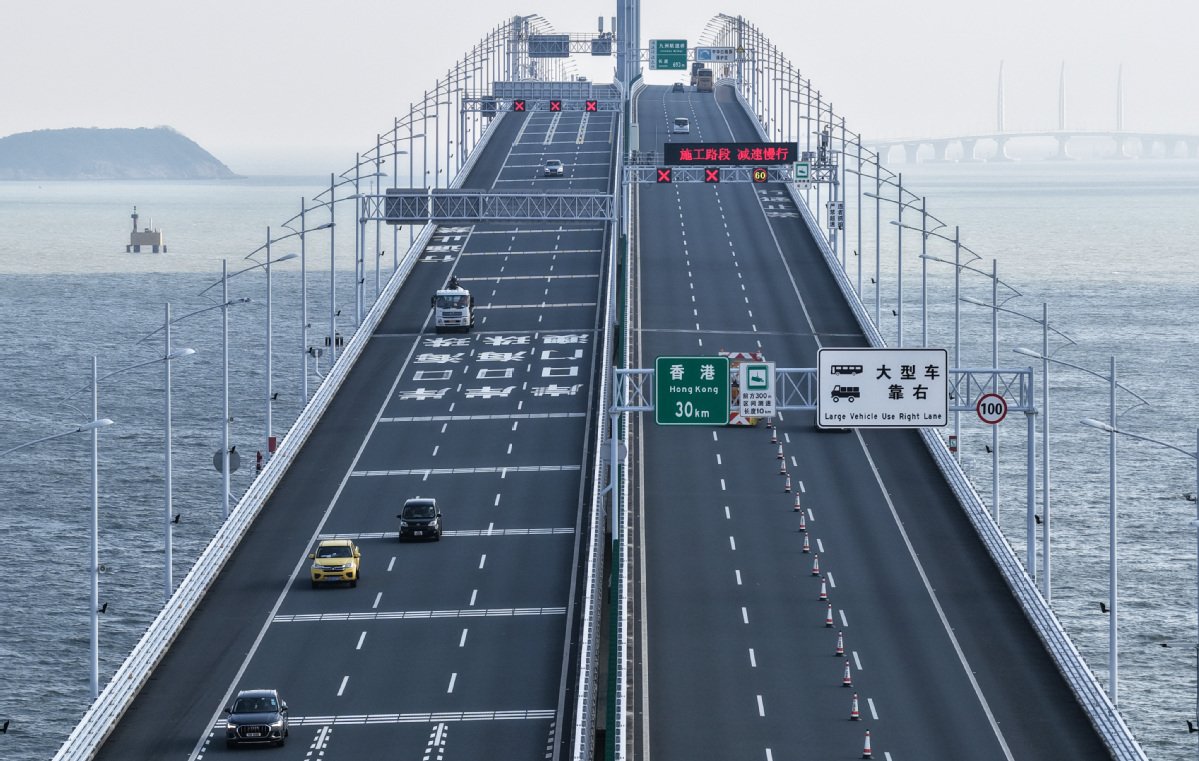
What is confirmed is that Hong Kong authorities have opened an expanded allocation of vehicle permits for travel across the Hong Kong–Zhuhai–Macau Bridge, a major infrastructure link connecting Hong Kong with the mainland cities of Zhuhai and Macau.
The new arrangement relaxes earlier restrictions that tightly controlled eligibility and usage conditions for private vehicles crossing the bridge.
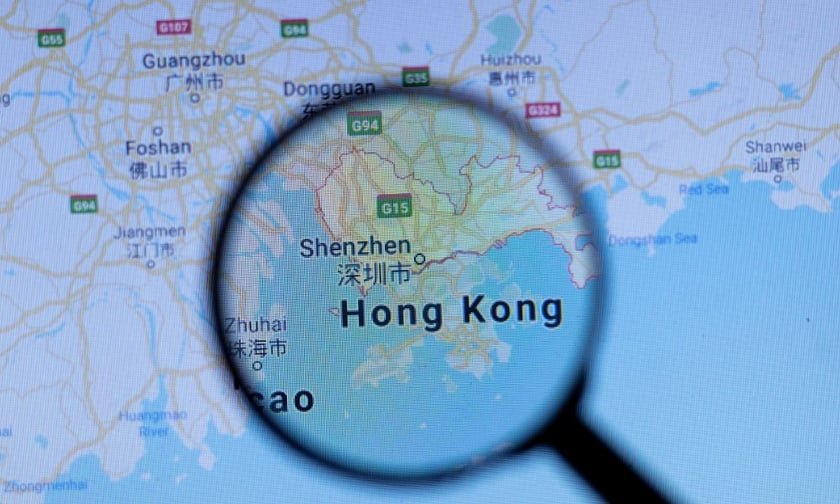
The Hong Kong–Zhuhai–Macau Bridge itself is a thirty-six-kilometre engineering project spanning the Pearl River Delta, designed to integrate transport networks across Hong Kong, Macau, and Guangdong province.
Since its opening, cross-border traffic has been regulated through strict permit quotas, requiring applicants to meet specific residency, business, or ownership conditions.
Under the new policy, authorities are expanding access by increasing the number of eligible private vehicles and streamlining application procedures.
While the framework still includes administrative approval, the system is being described as more flexible and less restrictive than previous arrangements, effectively widening the pool of drivers who can legally use the bridge for personal or business travel.
The change reflects a broader policy direction aimed at improving connectivity within the Greater Bay Area, a regional integration strategy linking Hong Kong, Macau, and nine mainland cities into a unified economic and transport corridor.
Easier vehicle movement is intended to support commerce, tourism, and cross-border employment flows.
For Hong Kong residents, the practical impact is increased access to mainland road networks, which were previously difficult to use without commercial arrangements or limited quota approvals.
For mainland users, the policy similarly enhances access into Hong Kong under regulated but expanded conditions, although licensing and insurance requirements remain in place.
The policy also carries regulatory and logistical implications.
Cross-border driving involves coordination between three separate legal and traffic systems, including differences in licensing standards, insurance coverage, and vehicle registration frameworks.
Expanding quotas increases administrative complexity even as it reduces access barriers.
No immediate changes to border inspection procedures or customs enforcement have been announced alongside the quota expansion.
However, the adjustment signals a gradual easing of mobility constraints rather than a full liberalization of cross-border private vehicle travel, with authorities retaining control over eligibility and volume through the permit system.
The expansion of the quota reinforces a long-term trajectory toward deeper physical and economic integration in the Pearl River Delta, with transport policy used as a primary tool to align mobility with regional development goals.
What is confirmed is that Hong Kong authorities have opened an expanded allocation of vehicle permits for travel across the Hong Kong–Zhuhai–Macau Bridge, a major infrastructure link connecting Hong Kong with the mainland cities of Zhuhai and Macau.
The new arrangement relaxes earlier restrictions that tightly controlled eligibility and usage conditions for private vehicles crossing the bridge.
The Hong Kong–Zhuhai–Macau Bridge itself is a thirty-six-kilometre engineering project spanning the Pearl River Delta, designed to integrate transport networks across Hong Kong, Macau, and Guangdong province.
Since its opening, cross-border traffic has been regulated through strict permit quotas, requiring applicants to meet specific residency, business, or ownership conditions.
Under the new policy, authorities are expanding access by increasing the number of eligible private vehicles and streamlining application procedures.
While the framework still includes administrative approval, the system is being described as more flexible and less restrictive than previous arrangements, effectively widening the pool of drivers who can legally use the bridge for personal or business travel.
The change reflects a broader policy direction aimed at improving connectivity within the Greater Bay Area, a regional integration strategy linking Hong Kong, Macau, and nine mainland cities into a unified economic and transport corridor.
Easier vehicle movement is intended to support commerce, tourism, and cross-border employment flows.
For Hong Kong residents, the practical impact is increased access to mainland road networks, which were previously difficult to use without commercial arrangements or limited quota approvals.
For mainland users, the policy similarly enhances access into Hong Kong under regulated but expanded conditions, although licensing and insurance requirements remain in place.
The policy also carries regulatory and logistical implications.
Cross-border driving involves coordination between three separate legal and traffic systems, including differences in licensing standards, insurance coverage, and vehicle registration frameworks.
Expanding quotas increases administrative complexity even as it reduces access barriers.
No immediate changes to border inspection procedures or customs enforcement have been announced alongside the quota expansion.
However, the adjustment signals a gradual easing of mobility constraints rather than a full liberalization of cross-border private vehicle travel, with authorities retaining control over eligibility and volume through the permit system.
The expansion of the quota reinforces a long-term trajectory toward deeper physical and economic integration in the Pearl River Delta, with transport policy used as a primary tool to align mobility with regional development goals.