Beijing-based self-driving technology company raises nearly HK$872 million as Hong Kong’s IPO market continues to favor deep-tech and AI-linked firms
ACTOR-DRIVEN — the story is fundamentally driven by UISEE Technologies, a Beijing-based autonomous driving company, entering public markets through its initial listing on the Hong Kong Stock Exchange.
UISEE Technologies has officially completed its initial public offering and begun trading on the Main Board of the Hong Kong Stock Exchange under the ticker 1511, marking its transition from a private autonomous driving developer into a publicly listed company.
The listing is structured under Hong Kong’s specialist technology framework for advanced industries, which is designed to accommodate firms that may still be scaling revenue but operate in strategically sensitive or high-innovation sectors.
What is confirmed is that the company raised approximately HK$795 million to HK$872 million, depending on reporting adjustments for net proceeds and pricing structure.
The shares were offered at HK$60.30 each, with total shares issued at roughly 14.46 million.
The listing places UISEE at a valuation of roughly HK$7.6 billion to HK$9 billion at debut, depending on market calculations and early trading levels.
UISEE develops Level 4 autonomous driving systems, meaning vehicles capable of driving themselves within defined operational environments without human intervention.
The company focuses heavily on controlled or semi-controlled commercial settings rather than consumer passenger cars.
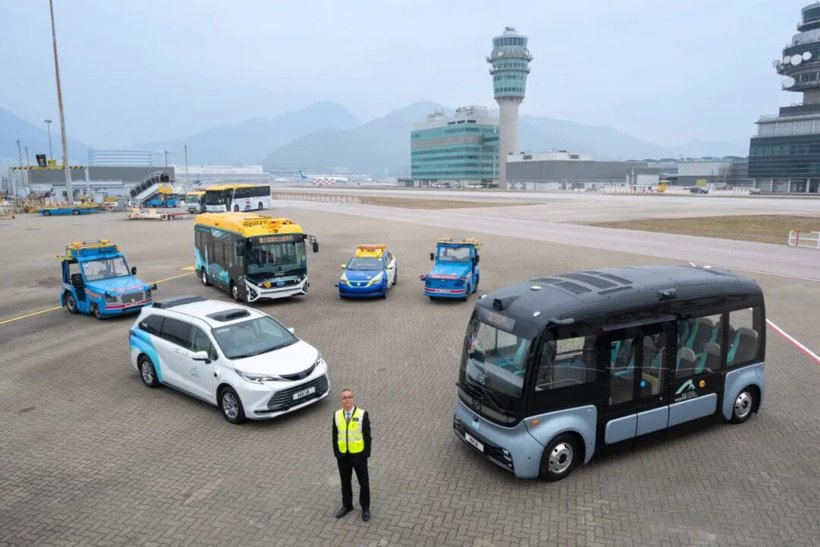
Its core deployments include airports, logistics hubs, factories, ports, and mining operations, where routes are structured and operational risk can be engineered and managed.
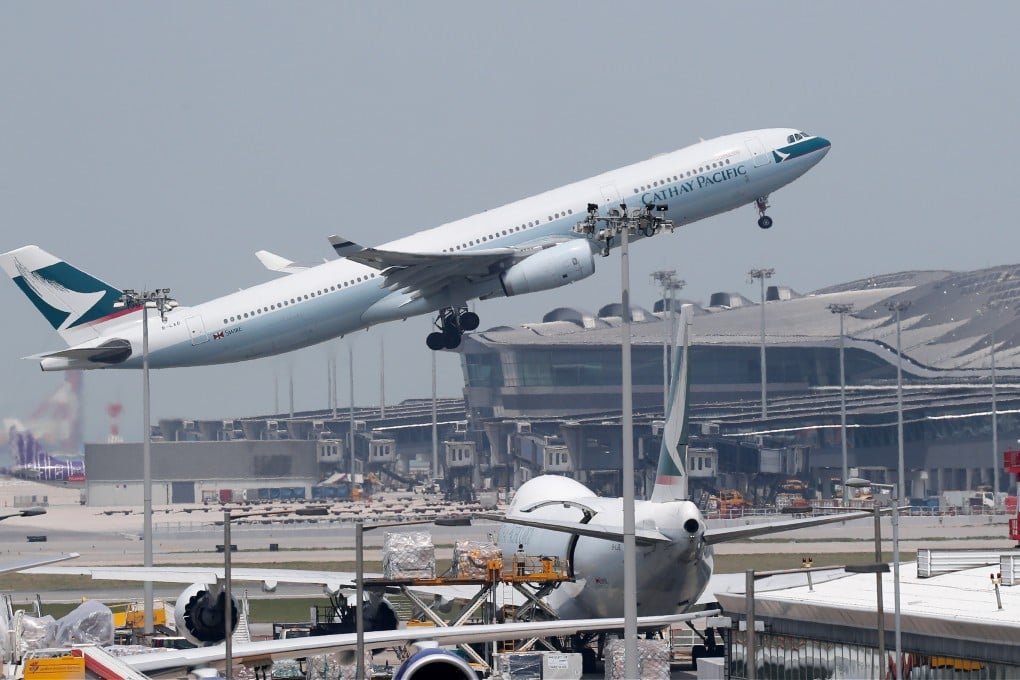
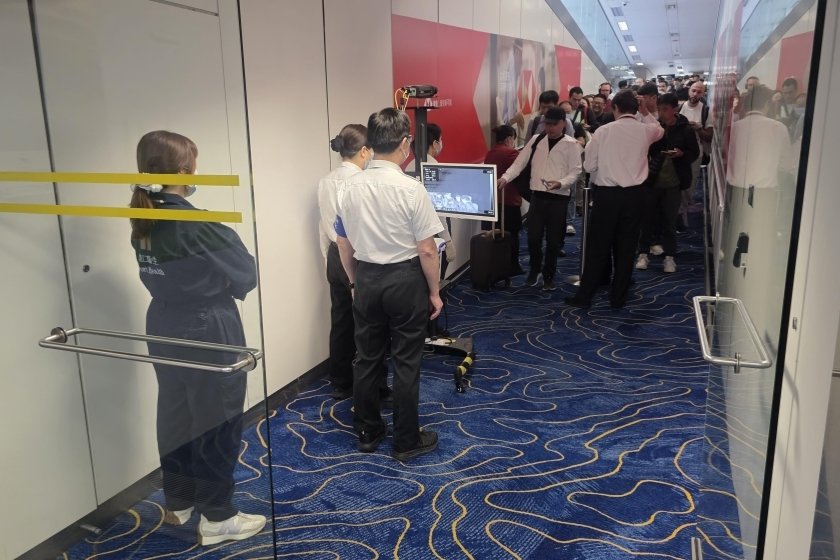
The company has expanded its footprint across airport environments in China and selected overseas locations, providing autonomous towing vehicles, baggage handling systems, and transport services.
These deployments form the commercial backbone of its revenue model, which is tied more to industrial automation contracts than mass-market vehicle sales.
The listing structure reflects a broader trend in Hong Kong capital markets: deep-tech firms raising capital under specialist listing rules while still heavily investing in research, deployment partnerships, and international expansion.
UISEE’s offering was split primarily between international institutional investors and a smaller allocation for Hong Kong public subscription, a typical structure for technology IPOs in the region.
Investor demand for the offering was strong enough to complete the fundraising within the planned range, with oversubscription levels reported as extremely high during the subscription window.
This reflects continued appetite for artificial intelligence and autonomous systems companies in Hong Kong’s equity market, particularly those linked to industrial automation and physical-world AI applications.
The broader significance of the listing lies in how autonomous driving is being commercialized.
UISEE is not competing directly in consumer robotaxis but instead in enterprise automation, where adoption depends on contract deployment with airports, industrial operators, and logistics firms.
This model reduces regulatory exposure in public roads but increases reliance on large infrastructure clients and long-term service agreements.
Trading performance on debut showed immediate price movement away from the offer level, reflecting typical volatility in newly listed technology stocks in Hong Kong’s market environment.
Early trading established a lower intraday valuation compared with the offer price in some sessions, a pattern seen in several recent listings where high demand at subscription stage does not always translate into stable secondary-market pricing.
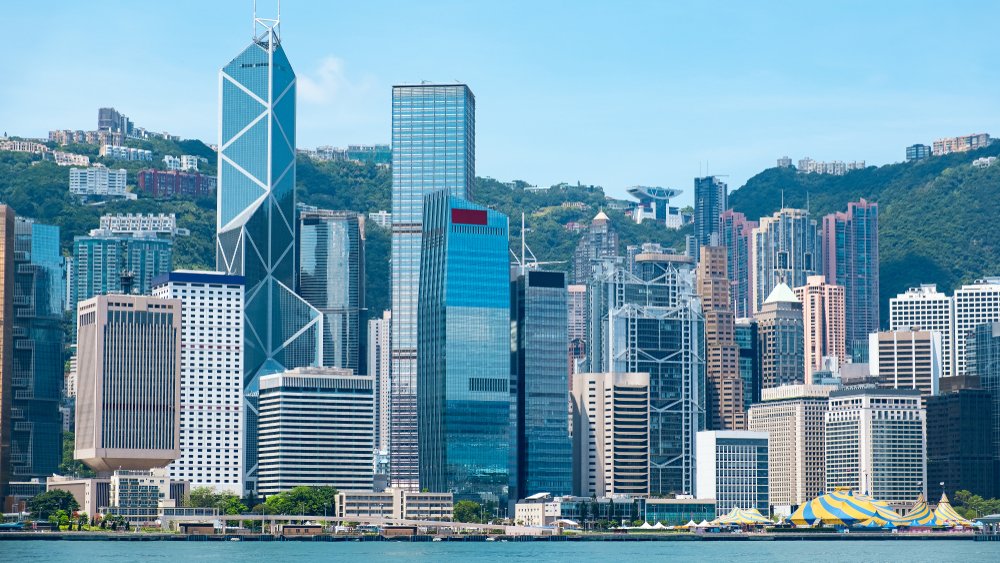
The listing adds another data point to Hong Kong’s ongoing role as a capital-raising hub for Chinese advanced technology firms, particularly in artificial intelligence, robotics, semiconductor-adjacent systems, and autonomous systems.
It also underscores how capital markets are increasingly financing real-world AI infrastructure rather than purely software-based technology companies.
With the company now publicly traded, its next phase will be defined by scaling deployments beyond airport environments, proving profitability in industrial automation contracts, and demonstrating whether Level 4 autonomy can transition from controlled environments into broader commercial adoption at scale.
UISEE Technologies has officially completed its initial public offering and begun trading on the Main Board of the Hong Kong Stock Exchange under the ticker 1511, marking its transition from a private autonomous driving developer into a publicly listed company.
The listing is structured under Hong Kong’s specialist technology framework for advanced industries, which is designed to accommodate firms that may still be scaling revenue but operate in strategically sensitive or high-innovation sectors.
What is confirmed is that the company raised approximately HK$795 million to HK$872 million, depending on reporting adjustments for net proceeds and pricing structure.
The shares were offered at HK$60.30 each, with total shares issued at roughly 14.46 million.
The listing places UISEE at a valuation of roughly HK$7.6 billion to HK$9 billion at debut, depending on market calculations and early trading levels.
UISEE develops Level 4 autonomous driving systems, meaning vehicles capable of driving themselves within defined operational environments without human intervention.
The company focuses heavily on controlled or semi-controlled commercial settings rather than consumer passenger cars.
Its core deployments include airports, logistics hubs, factories, ports, and mining operations, where routes are structured and operational risk can be engineered and managed.
The company has expanded its footprint across airport environments in China and selected overseas locations, providing autonomous towing vehicles, baggage handling systems, and transport services.
These deployments form the commercial backbone of its revenue model, which is tied more to industrial automation contracts than mass-market vehicle sales.
The listing structure reflects a broader trend in Hong Kong capital markets: deep-tech firms raising capital under specialist listing rules while still heavily investing in research, deployment partnerships, and international expansion.
UISEE’s offering was split primarily between international institutional investors and a smaller allocation for Hong Kong public subscription, a typical structure for technology IPOs in the region.
Investor demand for the offering was strong enough to complete the fundraising within the planned range, with oversubscription levels reported as extremely high during the subscription window.
This reflects continued appetite for artificial intelligence and autonomous systems companies in Hong Kong’s equity market, particularly those linked to industrial automation and physical-world AI applications.
The broader significance of the listing lies in how autonomous driving is being commercialized.
UISEE is not competing directly in consumer robotaxis but instead in enterprise automation, where adoption depends on contract deployment with airports, industrial operators, and logistics firms.
This model reduces regulatory exposure in public roads but increases reliance on large infrastructure clients and long-term service agreements.
Trading performance on debut showed immediate price movement away from the offer level, reflecting typical volatility in newly listed technology stocks in Hong Kong’s market environment.
Early trading established a lower intraday valuation compared with the offer price in some sessions, a pattern seen in several recent listings where high demand at subscription stage does not always translate into stable secondary-market pricing.
The listing adds another data point to Hong Kong’s ongoing role as a capital-raising hub for Chinese advanced technology firms, particularly in artificial intelligence, robotics, semiconductor-adjacent systems, and autonomous systems.
It also underscores how capital markets are increasingly financing real-world AI infrastructure rather than purely software-based technology companies.
With the company now publicly traded, its next phase will be defined by scaling deployments beyond airport environments, proving profitability in industrial automation contracts, and demonstrating whether Level 4 autonomy can transition from controlled environments into broader commercial adoption at scale.