Property group sees improved earnings in Hong Kong’s prime office market while shifting capital strategy toward a Singapore-linked fund structure
SYSTEM-DRIVEN — the story is driven by structural shifts in prime commercial real estate markets and capital allocation strategies within a major property institution.
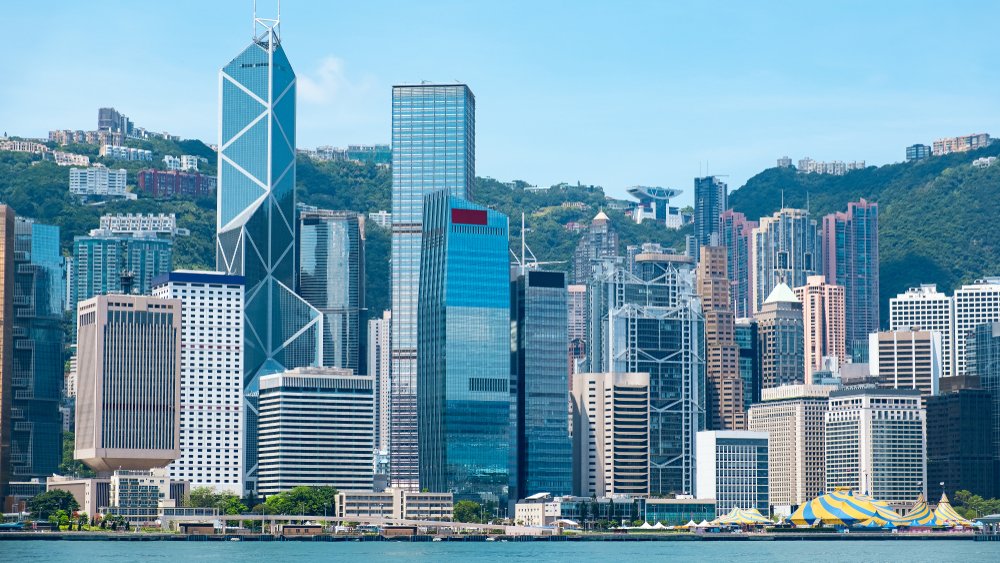
Hongkong Land has reported a five percent rise in first-quarter profit, reflecting gradual improvement in its core portfolio of prime commercial assets and a tightening vacancy environment in Hong Kong’s Central business district.
What is confirmed is that the company’s earnings increased year-on-year for the period, supported by stronger leasing conditions and more stable occupancy trends in its flagship office holdings.
The performance is closely tied to Central Hong Kong, one of the most expensive and tightly held office markets in Asia, where supply constraints and corporate demand cycles directly influence rental income and valuation stability.
The tightening vacancy trend in Central is significant because it signals a stabilisation phase after a period of pressure on office demand driven by hybrid work adoption, regional corporate restructuring, and shifting capital flows in Asia’s financial sector.
Improved occupancy typically strengthens landlords’ bargaining power on rent renewals and reduces income volatility across premium-grade towers.
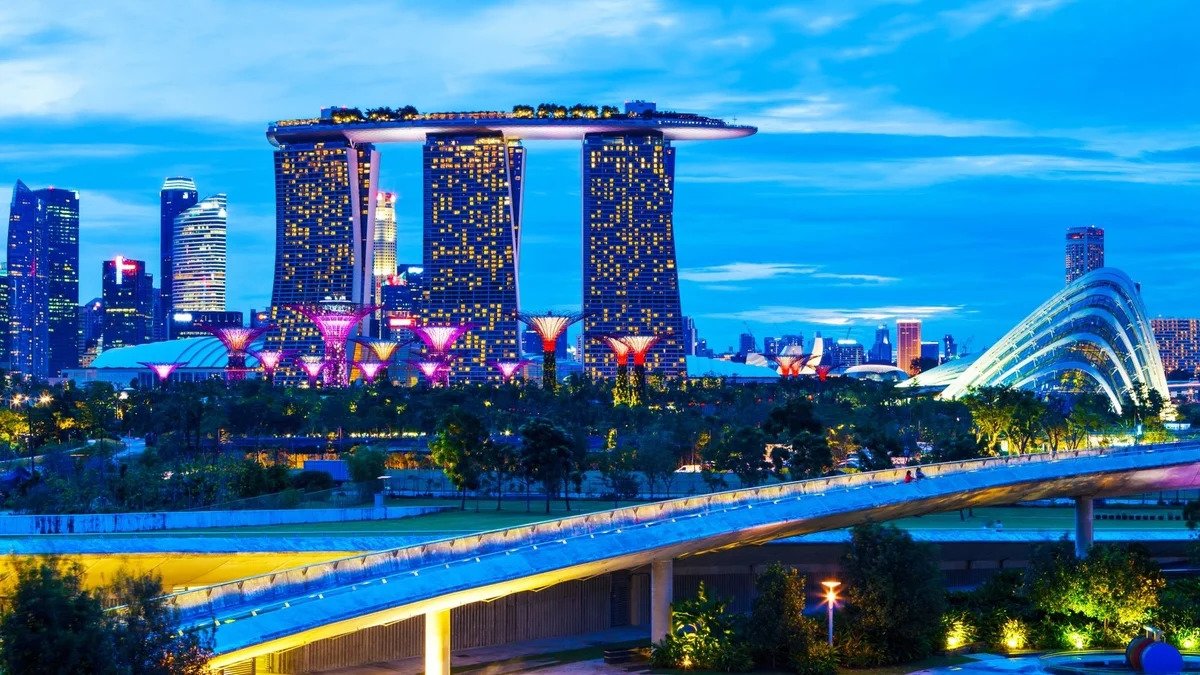
Alongside the earnings update, Hongkong Land is advancing plans linked to a Singapore-based fund structure, reflecting a broader strategy of asset recycling and capital redeployment.
The fund is intended to help unlock value from mature assets while providing a vehicle for co-investment and potential portfolio diversification beyond Hong Kong’s traditional commercial core.
The key issue is how the company balances two competing pressures: sustaining income from high-value but cyclical office assets in Central Hong Kong, while also adapting to a regional investment environment where capital is increasingly routed through fund structures in Singapore and other financial hubs.
Singapore’s role in this strategy reflects its position as a regional fund management centre with deep institutional capital pools, regulatory stability, and strong cross-border investment connectivity.
By aligning part of its strategy with Singapore-based capital structures, Hongkong Land is effectively broadening its investor base while maintaining exposure to prime Asian real estate markets.
The profit increase, while modest, is notable in the context of persistent structural uncertainty in global office demand.
Prime-grade assets in financial districts have generally performed better than secondary office stock, as multinational tenants consolidate into higher-quality buildings while reducing overall footprint.
For Hongkong Land, which has long been anchored by its Central Hong Kong portfolio, the performance underscores the continued importance of location-driven pricing power.
However, long-term growth depends less on occupancy recovery alone and more on capital recycling, redevelopment potential, and the ability to attract institutional investment into structured vehicles like the emerging Singapore fund.
The result places the company in a transitional phase: operating in a stabilising core market while actively reshaping how its assets are financed, packaged, and distributed to global investors through fund-based structures rather than traditional direct property holdings.
Hongkong Land has reported a five percent rise in first-quarter profit, reflecting gradual improvement in its core portfolio of prime commercial assets and a tightening vacancy environment in Hong Kong’s Central business district.
What is confirmed is that the company’s earnings increased year-on-year for the period, supported by stronger leasing conditions and more stable occupancy trends in its flagship office holdings.
The performance is closely tied to Central Hong Kong, one of the most expensive and tightly held office markets in Asia, where supply constraints and corporate demand cycles directly influence rental income and valuation stability.
The tightening vacancy trend in Central is significant because it signals a stabilisation phase after a period of pressure on office demand driven by hybrid work adoption, regional corporate restructuring, and shifting capital flows in Asia’s financial sector.
Improved occupancy typically strengthens landlords’ bargaining power on rent renewals and reduces income volatility across premium-grade towers.
Alongside the earnings update, Hongkong Land is advancing plans linked to a Singapore-based fund structure, reflecting a broader strategy of asset recycling and capital redeployment.
The fund is intended to help unlock value from mature assets while providing a vehicle for co-investment and potential portfolio diversification beyond Hong Kong’s traditional commercial core.
The key issue is how the company balances two competing pressures: sustaining income from high-value but cyclical office assets in Central Hong Kong, while also adapting to a regional investment environment where capital is increasingly routed through fund structures in Singapore and other financial hubs.
Singapore’s role in this strategy reflects its position as a regional fund management centre with deep institutional capital pools, regulatory stability, and strong cross-border investment connectivity.
By aligning part of its strategy with Singapore-based capital structures, Hongkong Land is effectively broadening its investor base while maintaining exposure to prime Asian real estate markets.
The profit increase, while modest, is notable in the context of persistent structural uncertainty in global office demand.
Prime-grade assets in financial districts have generally performed better than secondary office stock, as multinational tenants consolidate into higher-quality buildings while reducing overall footprint.
For Hongkong Land, which has long been anchored by its Central Hong Kong portfolio, the performance underscores the continued importance of location-driven pricing power.
However, long-term growth depends less on occupancy recovery alone and more on capital recycling, redevelopment potential, and the ability to attract institutional investment into structured vehicles like the emerging Singapore fund.
The result places the company in a transitional phase: operating in a stabilising core market while actively reshaping how its assets are financed, packaged, and distributed to global investors through fund-based structures rather than traditional direct property holdings.