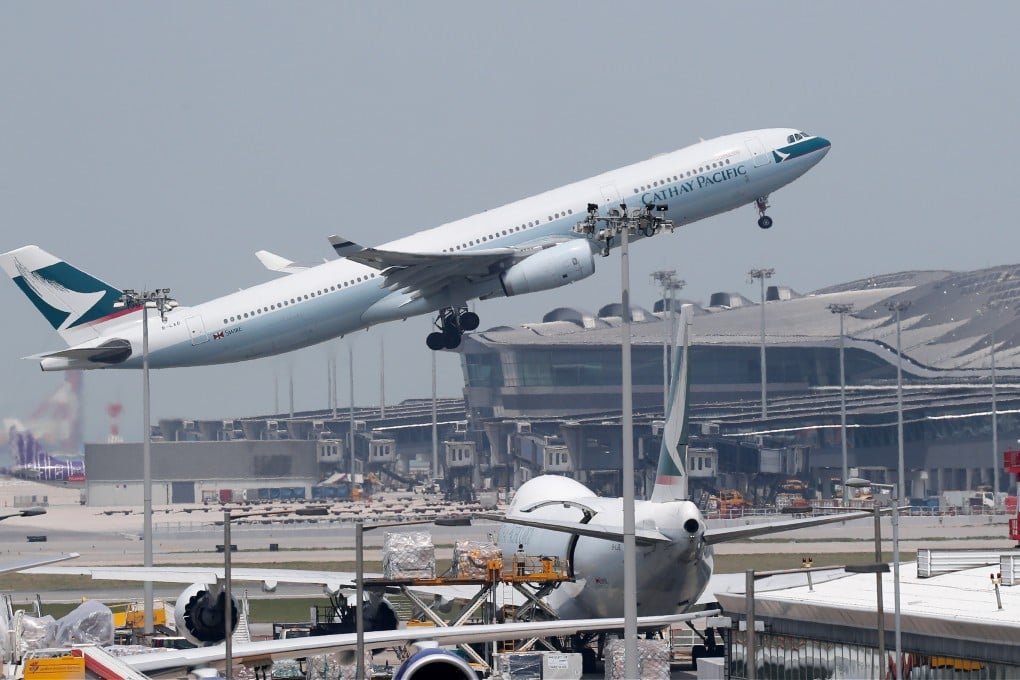
A large-scale capacity increase aims to stabilize regional aviation as airlines reroute and recover schedules impacted by ongoing geopolitical disruption
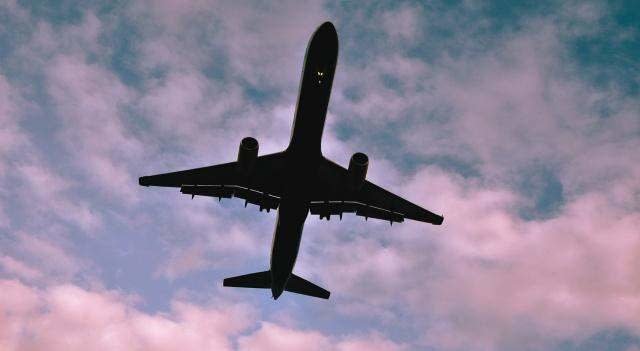
EVENT-DRIVEN disruption in global aviation networks has prompted Hong Kong’s aviation authorities to authorize a major expansion of flight capacity, adding up to eight hundred and twenty additional services in response to instability affecting routes linked to the Middle East.
What is confirmed is that Hong Kong has moved to increase scheduled flight capacity as airlines operating through the city face knock-on disruptions caused by the ongoing conflict in the Middle East.
The measure is designed to absorb operational strain created by rerouting, airspace restrictions, and scheduling breakdowns affecting long-haul traffic that typically passes through or connects with regional hubs.
The adjustment reflects how quickly localized military escalation can cascade into global aviation systems.
When airspace closures or heightened risk zones emerge, carriers are forced to divert aircraft, extend flight times, or cancel services entirely.
These changes then ripple outward, producing aircraft shortages on certain routes and congestion at alternative hubs.
Hong Kong, as a major international transfer point, has been directly affected by this redistribution of traffic.
The additional flights are intended to restore balance to a strained schedule rather than expand demand-driven capacity.
Airlines are expected to use the allocation to recover missed rotations, stabilize passenger backlogs, and re-establish disrupted connections across Asia, Europe, and the Middle East corridor.
The scale of the adjustment suggests a significant short-term imbalance in available aircraft and landing slots.
The mechanism behind the disruption is operational rather than financial.
When aircraft are forced to avoid conflict-affected airspace, journey times increase and fleet utilization drops.
This reduces the number of daily rotations a single aircraft can complete, creating immediate gaps in scheduled services.
Airports then respond by increasing slot availability where possible, attempting to prevent systemic delays from compounding.
For Hong Kong’s aviation system, the intervention also reflects its role as a stabilizing hub within global air traffic flows.
Even when demand remains steady, external shocks can distort arrival and departure patterns, requiring rapid regulatory adjustments to maintain throughput and prevent bottlenecks.
The broader consequence is a temporary restructuring of regional flight operations rather than a permanent expansion.
Airlines will continue to adjust routing strategies as long as conflict conditions persist, and airports with available capacity will remain central to absorbing displaced traffic.
Hong Kong’s decision positions it as a key redistribution point during the ongoing disruption cycle, ensuring continuity of long-haul connectivity despite instability elsewhere in the network.
What is confirmed is that Hong Kong has moved to increase scheduled flight capacity as airlines operating through the city face knock-on disruptions caused by the ongoing conflict in the Middle East.
The measure is designed to absorb operational strain created by rerouting, airspace restrictions, and scheduling breakdowns affecting long-haul traffic that typically passes through or connects with regional hubs.
The adjustment reflects how quickly localized military escalation can cascade into global aviation systems.
When airspace closures or heightened risk zones emerge, carriers are forced to divert aircraft, extend flight times, or cancel services entirely.
These changes then ripple outward, producing aircraft shortages on certain routes and congestion at alternative hubs.
Hong Kong, as a major international transfer point, has been directly affected by this redistribution of traffic.
The additional flights are intended to restore balance to a strained schedule rather than expand demand-driven capacity.
Airlines are expected to use the allocation to recover missed rotations, stabilize passenger backlogs, and re-establish disrupted connections across Asia, Europe, and the Middle East corridor.
The scale of the adjustment suggests a significant short-term imbalance in available aircraft and landing slots.
The mechanism behind the disruption is operational rather than financial.
When aircraft are forced to avoid conflict-affected airspace, journey times increase and fleet utilization drops.
This reduces the number of daily rotations a single aircraft can complete, creating immediate gaps in scheduled services.
Airports then respond by increasing slot availability where possible, attempting to prevent systemic delays from compounding.
For Hong Kong’s aviation system, the intervention also reflects its role as a stabilizing hub within global air traffic flows.
Even when demand remains steady, external shocks can distort arrival and departure patterns, requiring rapid regulatory adjustments to maintain throughput and prevent bottlenecks.
The broader consequence is a temporary restructuring of regional flight operations rather than a permanent expansion.
Airlines will continue to adjust routing strategies as long as conflict conditions persist, and airports with available capacity will remain central to absorbing displaced traffic.
Hong Kong’s decision positions it as a key redistribution point during the ongoing disruption cycle, ensuring continuity of long-haul connectivity despite instability elsewhere in the network.