New restrictions on electronic devices aim to reduce regulatory and data security risk for staff traveling between Hong Kong and mainland China
ACTOR-DRIVEN — the story is driven by Morgan Stanley, the global investment bank, and its internal policy shift affecting employee conduct and information security during travel to mainland China.

Morgan Stanley has introduced stricter rules governing how its Hong Kong-based bankers handle electronic devices when traveling into mainland China, reflecting growing concern across global financial institutions about data security, regulatory exposure, and cross-border information controls.

What is confirmed is that staff traveling into mainland China are now required to use restricted or controlled devices rather than their standard corporate laptops and mobile phones.

These devices are designed to limit access to sensitive internal systems, reduce data transfer capabilities, and prevent the movement of confidential client or trading information across jurisdictions with different regulatory environments.

The policy reflects a broader compliance strategy used by multinational banks operating in China, where financial data governance, cybersecurity regulation, and state oversight of information flows have tightened significantly in recent years.

Firms operating in Hong Kong, which functions as a major international financial hub connected to mainland markets, face particular pressure to reconcile global compliance standards with local regulatory expectations.

The key issue is not only cybersecurity in a technical sense but also regulatory risk management.

Financial institutions are required to ensure that proprietary trading data, client information, and internal communications do not become exposed to unauthorized access or conflict with local data rules.

Device restrictions are one of the most direct operational tools used to enforce this separation.

For employees, the change introduces practical constraints on how they work while traveling.

Access to internal systems may be limited, certain communication tools may be disabled, and workflow processes may require pre-approved channels or secure interfaces.

This can slow down deal execution and client responsiveness during travel periods but is intended to reduce institutional risk exposure.

The move also highlights how global banks are increasingly standardizing “travel compliance” frameworks for China-related activity.

These frameworks typically include pre-cleared devices, segmented network access, and strict logging of data interactions while in-country.

The Hong Kong banking workforce is central to these controls due to its role in managing cross-border capital flows and advisory work for Chinese and international clients.

The policy comes at a time when geopolitical friction, financial regulation, and data sovereignty rules are reshaping how international firms structure their Asia operations.

Institutions are balancing continued participation in China’s financial market with the need to comply with home-country regulations and global cybersecurity expectations.

Within Morgan Stanley’s broader operations, the change signals an institutional shift toward tighter compartmentalization of information across regions.

This approach reduces the risk that sensitive data could be accessed or transmitted in ways that violate regulatory obligations or internal risk standards, particularly in environments where digital oversight is more extensive.

The result is a more controlled operating model for cross-border banking staff, where mobility remains intact but digital access is intentionally constrained, reshaping how international financial work is conducted between Hong Kong and mainland China.
The city is being recognized for its technology infrastructure, financial strength, and integration of smart-city systems amid intensifying global urban competition
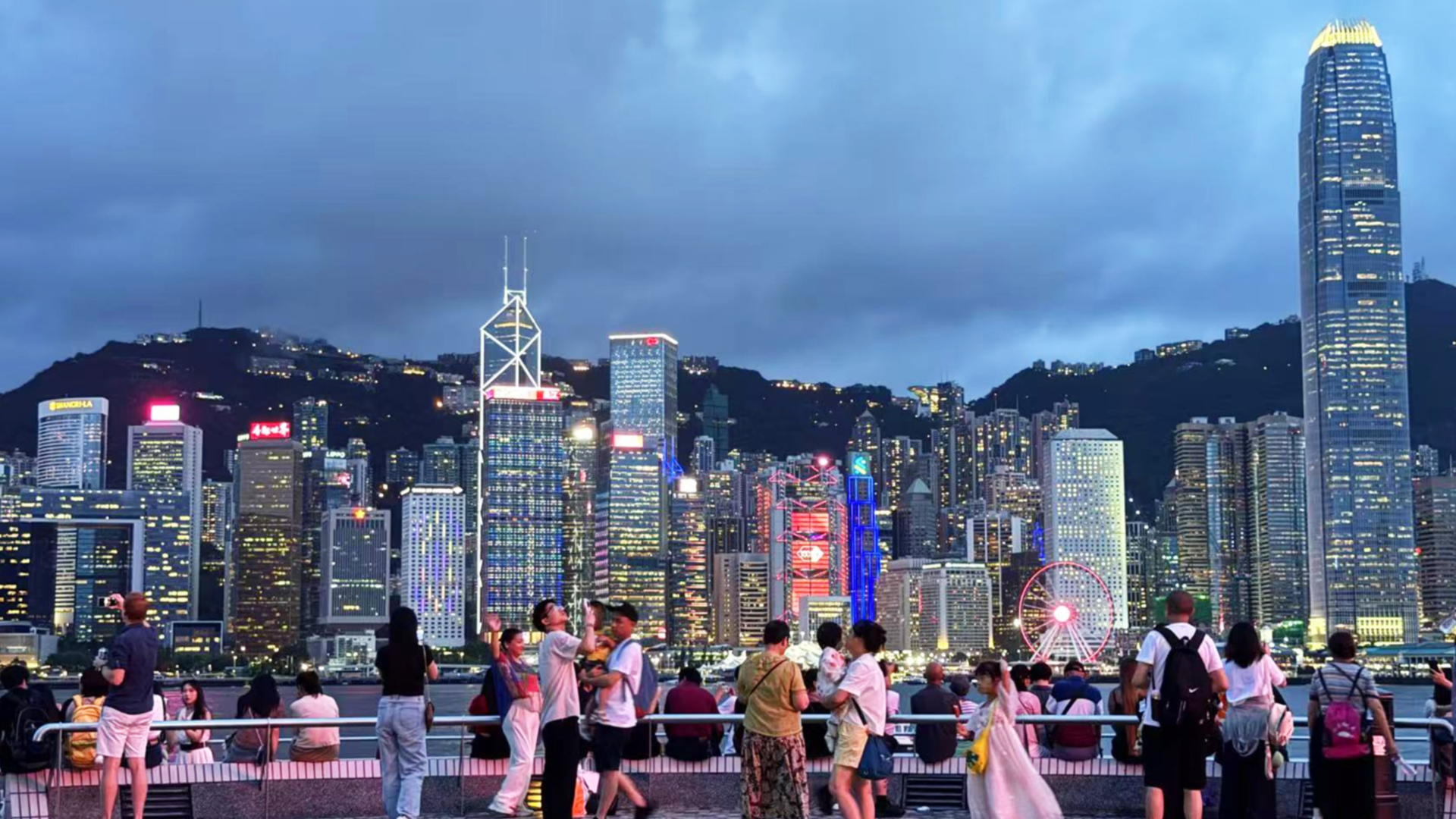
SYSTEM-DRIVEN urban competitiveness is reshaping how global cities are evaluated, with Hong Kong newly ranked among the world’s top ten “future cities” in a framework that measures technological readiness, economic resilience, and infrastructure integration.

What is confirmed is that Hong Kong has been placed within the top tier of global cities assessed for future-oriented development, reflecting strong performance in areas such as digital infrastructure, financial services capacity, transport connectivity, and innovation ecosystem maturity.

The ranking is based on comparative indicators that evaluate how cities are preparing for long-term structural shifts in technology, sustainability, and global capital flows.

The designation highlights Hong Kong’s continued strength as a high-density, service-driven urban economy with advanced logistics and financial systems.

Its position is supported by its established role as an international financial hub, deep integration into global trade networks, and ongoing investments in smart-city technologies such as digital governance systems, transport automation, and data-driven urban management.

At the core of the ranking methodology is the concept of “future readiness,” which assesses not only current economic output but also adaptability to technological and demographic change.

This includes the ability to deploy digital infrastructure at scale, maintain efficient regulatory systems for innovation, and support industries tied to artificial intelligence, fintech, and advanced services.

Hong Kong’s inclusion in the top ten also reflects broader structural shifts in global urban competition.

Cities are increasingly judged not just on size or wealth, but on how effectively they integrate physical infrastructure with digital systems.

This includes the use of real-time data in transport planning, the digitization of public services, and the resilience of financial systems under global volatility.

The ranking carries strategic implications for investment and talent flows.

Cities positioned as “future-ready” tend to attract higher levels of international capital, skilled labor migration, and corporate headquarters activity.

For Hong Kong, maintaining this position depends on continued modernization of its innovation ecosystem, including support for technology startups, research infrastructure, and cross-border data and financial connectivity.

The broader consequence is intensifying competition among global cities to define themselves as next-generation economic platforms.

Hong Kong’s placement in the top tier signals that it remains a central node in this competition, but also underscores the pressure to sustain technological and institutional upgrades in an increasingly fragmented global economy.
A policy-driven effort positions gold clearing and trading infrastructure as a core connector between conventional finance and emerging financial technologies
SYSTEM-DRIVEN financial strategy is reshaping Hong Kong’s approach to commodities markets, with officials promoting gold as a structural bridge between traditional banking systems and newer digital finance architectures.

What is confirmed is that Hong Kong authorities are actively framing gold not only as a physical commodity but as an infrastructural link between established financial markets and emerging forms of digital and cross-border financial systems.

The policy language positions gold as a stabilizing asset that can connect conventional settlement mechanisms with evolving financial technologies, including tokenized assets and next-generation clearing systems.

The initiative reflects a broader effort to strengthen Hong Kong’s role as a global financial intermediary at a time when international capital flows are becoming more fragmented.

By emphasizing gold, policymakers are targeting an asset class that has historically functioned as both a store of value and a universally recognized settlement instrument across jurisdictions.

The key mechanism behind this strategy is market infrastructure development rather than speculative trading.

The focus is on clearing, settlement, and custody systems that can handle physical gold while integrating with digital financial rails.

In practical terms, this means building systems that allow gold to move more efficiently across institutional investors, banks, and cross-border platforms, potentially reducing friction in international transactions.

This approach also reflects rising interest in asset-backed financial instruments.

Gold is being positioned as a potential anchor for new financial products that blend physical reserves with digital representation.

Such systems could allow investors to hold or transfer exposure to gold in ways that are faster and more interoperable than traditional bullion settlement processes.

The stakes for Hong Kong are tied to its competitiveness as a global financial hub.

As other jurisdictions develop competing financial infrastructure, particularly in digital assets and commodity-backed instruments, Hong Kong is seeking to maintain relevance by integrating legacy markets with new financial technologies rather than treating them as separate systems.

If implemented at scale, the strategy could reshape how institutional gold flows are processed through the city.

It would reinforce Hong Kong’s position as a settlement hub for both physical commodities and digitally mediated financial instruments, strengthening its role in global capital allocation at a time of increasing geopolitical and financial fragmentation.
A large-scale capacity increase aims to stabilize regional aviation as airlines reroute and recover schedules impacted by ongoing geopolitical disruption
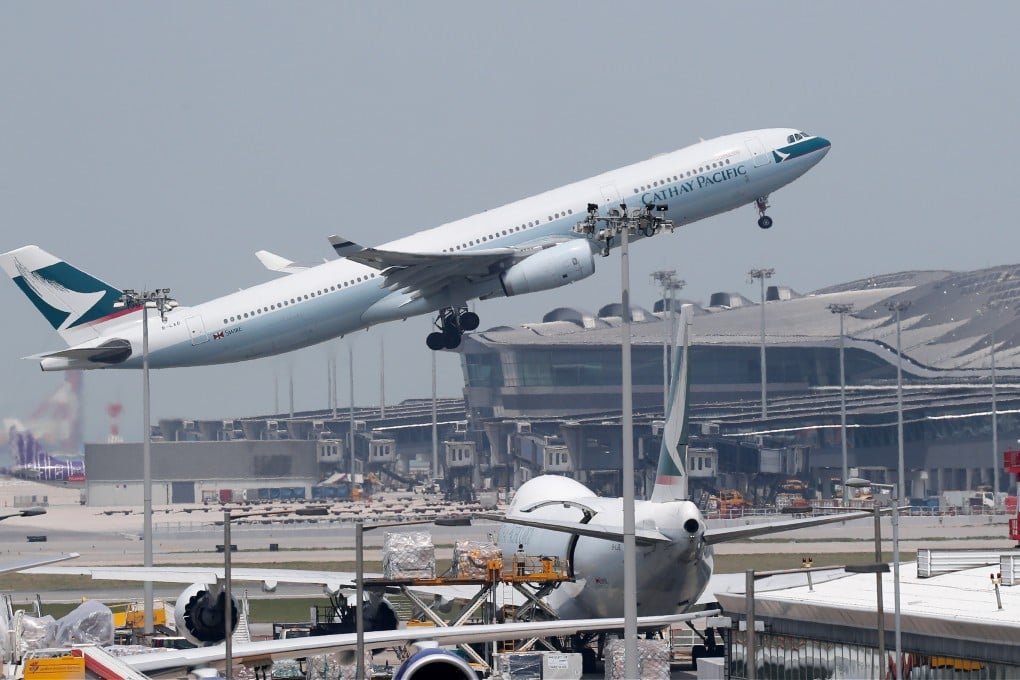
EVENT-DRIVEN disruption in global aviation networks has prompted Hong Kong’s aviation authorities to authorize a major expansion of flight capacity, adding up to eight hundred and twenty additional services in response to instability affecting routes linked to the Middle East.

What is confirmed is that Hong Kong has moved to increase scheduled flight capacity as airlines operating through the city face knock-on disruptions caused by the ongoing conflict in the Middle East.

The measure is designed to absorb operational strain created by rerouting, airspace restrictions, and scheduling breakdowns affecting long-haul traffic that typically passes through or connects with regional hubs.

The adjustment reflects how quickly localized military escalation can cascade into global aviation systems.

When airspace closures or heightened risk zones emerge, carriers are forced to divert aircraft, extend flight times, or cancel services entirely.

These changes then ripple outward, producing aircraft shortages on certain routes and congestion at alternative hubs.

Hong Kong, as a major international transfer point, has been directly affected by this redistribution of traffic.

The additional flights are intended to restore balance to a strained schedule rather than expand demand-driven capacity.

Airlines are expected to use the allocation to recover missed rotations, stabilize passenger backlogs, and re-establish disrupted connections across Asia, Europe, and the Middle East corridor.

The scale of the adjustment suggests a significant short-term imbalance in available aircraft and landing slots.

The mechanism behind the disruption is operational rather than financial.

When aircraft are forced to avoid conflict-affected airspace, journey times increase and fleet utilization drops.

This reduces the number of daily rotations a single aircraft can complete, creating immediate gaps in scheduled services.

Airports then respond by increasing slot availability where possible, attempting to prevent systemic delays from compounding.

For Hong Kong’s aviation system, the intervention also reflects its role as a stabilizing hub within global air traffic flows.

Even when demand remains steady, external shocks can distort arrival and departure patterns, requiring rapid regulatory adjustments to maintain throughput and prevent bottlenecks.

The broader consequence is a temporary restructuring of regional flight operations rather than a permanent expansion.

Airlines will continue to adjust routing strategies as long as conflict conditions persist, and airports with available capacity will remain central to absorbing displaced traffic.

Hong Kong’s decision positions it as a key redistribution point during the ongoing disruption cycle, ensuring continuity of long-haul connectivity despite instability elsewhere in the network.
Security and engineering firm SUGP rallies sharply after announcing a public-sector contract, highlighting sensitivity of small-cap stocks to government procurement news
EVENT-DRIVEN — the story is driven by a sharp market reaction following SU Group Holdings’ announcement that it has secured a contract with the Hong Kong government, triggering a rapid increase in its share price.

SU Group Holdings, a listed security and engineering services company trading under the ticker SUGP, saw its shares surge after the firm disclosed it had been awarded a government contract in Hong Kong.

The announcement immediately prompted strong investor buying activity, reflecting heightened sensitivity in small-cap equities to public-sector deal flow.

What is confirmed is that the company has secured a contract linked to Hong Kong government-related services, although the precise operational scope has been described in general terms as part of its security, engineering, or facility-related business activities.

The contract represents a formal engagement with a public authority, which is often viewed by investors as a signal of revenue stability and credibility.

The market response was swift.

Shares moved sharply higher in trading following the disclosure, extending gains typically associated with contract wins in the small-cap and micro-cap segment, where limited liquidity can amplify price movements.

This type of reaction is common when companies announce government-linked revenue streams, as investors reassess future earnings visibility and backlog potential.

The key issue is revenue certainty versus scale.

For smaller listed firms like SU Group Holdings, government contracts can represent a disproportionately large share of expected income, improving short-term financial outlooks but also increasing dependence on a limited number of clients.

This creates both stability and concentration risk, depending on contract duration and renewal structure.

Public-sector contracts in Hong Kong are typically awarded through competitive procurement processes that evaluate technical capability, pricing, compliance standards, and operational track record.

Winning such contracts can enhance a company’s reputation in future bidding rounds and strengthen its positioning in related infrastructure or services markets.

Investor enthusiasm also reflects broader behavioral patterns in equity markets, where contract announcements are often interpreted as forward revenue signals even before detailed financial terms are disclosed.

This can lead to rapid repricing, particularly in thinly traded stocks where demand shifts are not absorbed by large institutional liquidity.

However, the long-term financial impact depends on contract size, execution margins, and duration.

Without these variables fully disclosed, market participants typically rely on directional sentiment rather than precise earnings modeling in the immediate aftermath of announcements.

The broader implication is the continuing importance of government procurement as a catalyst for small-cap market volatility in Hong Kong and similar financial markets.

Firms operating in infrastructure, security, and engineering services often experience episodic valuation changes tied directly to contract cycles rather than steady organic growth.

As trading stabilizes, investor focus is likely to shift toward the company’s ability to convert contract wins into sustained revenue growth and whether it can secure additional public or private sector projects to support longer-term scaling.
High-speed sailing championship accelerates regional growth strategy with Hong Kong positioned as a flagship venue in its expanding Asia circuit
EVENT-DRIVEN — the story is driven by SailGP’s scheduled expansion into Asia, marked by Hong Kong’s inclusion as a host venue in the 2027 season calendar, signaling a broader push to grow the sport’s commercial and regional footprint.

SailGP, the international high-performance sailing championship featuring identical hydrofoiling catamarans, is accelerating its expansion across Asia, with Hong Kong set to play a central role in the 2027 season lineup.

The move reflects a strategic effort to broaden the league’s geographic reach beyond its established venues in Europe, the Middle East, and North America.

What is confirmed is that Hong Kong has been selected as a host city for the 2027 SailGP season, positioning it among a growing roster of global coastal venues designed to showcase short-format, high-speed sailing races in urban waterfront environments.

The event format typically features national teams competing in identical boats capable of reaching speeds exceeding seventy kilometers per hour, with races staged close to shore for spectator visibility.

The inclusion of Hong Kong reflects a broader expansion strategy focused on Asia, where organizers see strong potential for audience growth, sponsorship development, and regional team participation.

The city’s deep-water harbor, iconic skyline, and established event infrastructure make it a natural fit for the league’s signature stadium-style sailing format.

The key issue is commercialization and audience scaling.

SailGP operates at the intersection of elite sport and entertainment product design, relying on broadcast appeal, corporate sponsorship, and tightly controlled technical regulations to maintain competitive balance.

Expansion into Asia is intended to increase global viewership and unlock new commercial partnerships in fast-growing markets.

Hong Kong’s role also carries logistical and operational implications.

Hosting a SailGP event requires significant coordination of maritime safety zones, temporary racecourses, spectator infrastructure, and broadcast technology deployment.

These events are designed to be highly visual, with races occurring in compact courses that allow viewers to follow the action from shorelines and waterfront districts.

The 2027 season expansion into Asia is part of a broader trend in international sport where leagues are increasingly targeting regional diversification.

By adding venues in Asia, SailGP is aligning itself with shifting global sports consumption patterns, where live events, digital streaming, and short-format competition are becoming more commercially viable than traditional long-duration formats.

For Hong Kong, the event adds to its portfolio of international sporting and entertainment events, reinforcing its positioning as a global events hub.

It also provides a platform for tourism exposure and hospitality sector engagement, particularly through waterfront zones that can accommodate large spectator gatherings and media installations.

The introduction of SailGP to the region also has competitive implications for sailing itself.

The league’s standardized boats and team-based national representation model differ significantly from traditional sailing competitions, emphasizing speed, tactical precision, and real-time decision-making under high physical and technical pressure.

If executed as planned, the Hong Kong event in 2027 will mark one of the most high-profile entries of modern competitive sailing into the Asian entertainment market, expanding both the sport’s geographic footprint and its commercial visibility in the region.
Authorities uncover an estimated US$752 million tied to coordinated fraud operations spanning multiple jurisdictions, exposing structural weaknesses in financial crime enforcement
EVENT-DRIVEN — the story is driven by a large-scale fraud enforcement operation that has exposed extensive cross-border scam activity and significant financial losses linked to Hong Kong.

Authorities in Hong Kong have been identified as facing the heaviest impact in a coordinated crackdown on cross-border scam networks that have collectively resulted in estimated losses of around US$752 million.

The figure reflects aggregated losses tied to fraud schemes operating across multiple jurisdictions, involving financial transfers, shell accounts, and digital payment channels used to move illicit funds.

What is confirmed is that the scam networks operated across borders, exploiting differences in regulatory enforcement, banking oversight, and digital transaction monitoring systems.

The operations typically involve impersonation fraud, investment scams, and online deception schemes that target both individuals and institutions, with funds rapidly transferred through layered accounts to obscure their origin.

Hong Kong’s exposure is linked to its role as a major international financial center with high-volume capital flows and extensive cross-border banking activity.

While this status strengthens its position in global finance, it also makes it a frequent transit point for funds linked to fraudulent activity when detection systems are bypassed or delayed.

The key issue is the speed and complexity of modern financial fraud.

Scam networks increasingly rely on digital platforms, encrypted communication channels, and automated fund movement techniques that allow money to be dispersed across multiple accounts within minutes.

This makes recovery difficult and complicates enforcement efforts that depend on tracing transactions after they occur.

Authorities involved in the crackdown have focused on identifying mule accounts, dismantling fraud call centers, and tracking financial intermediaries that facilitate the movement of stolen funds.

These operations often span multiple countries, requiring coordination between law enforcement agencies, financial regulators, and banking institutions.

The reported losses of US$752 million reflect not only direct theft but also the broader financial ecosystem used to sustain scam operations.

This includes advertising networks that promote fraudulent investment schemes, payment channels that enable rapid fund conversion, and offshore entities used to obscure ownership structures.

For Hong Kong’s financial system, the findings highlight persistent vulnerabilities in the detection of cross-border fraud flows.

While banks and regulators have strengthened anti-money laundering frameworks in recent years, fraud networks continue to adapt by exploiting timing gaps, identity verification weaknesses, and jurisdictional fragmentation.

The broader implication is systemic.

As financial crime becomes more digitized and globally distributed, enforcement increasingly depends on real-time data sharing and coordinated international response mechanisms.

Without these, funds can be moved faster than they can be traced, reducing the effectiveness of traditional investigative approaches.

The crackdown underscores a shift in focus from isolated scam cases to network-based enforcement strategies that target the infrastructure of fraud rather than individual incidents.

This includes dismantling communication hubs, freezing multi-jurisdictional accounts, and disrupting payment pathways used by organized scam groups.

The result is a clearer picture of how large-scale fraud operations function across borders, with Hong Kong emerging as a significant exposure point within a broader regional enforcement challenge that continues to evolve alongside digital financial systems.
Industry body HKIC is accelerating adoption of AI and digital systems across construction to improve productivity, safety, and project delivery efficiency
SYSTEM-DRIVEN — the story is driven by a structural transformation in Hong Kong’s construction sector led by the Hong Kong Institute of Construction (HKIC), focusing on the integration of artificial intelligence and digital technologies into industry-wide workflows.

Hong Kong’s construction sector is undergoing a coordinated push toward digital transformation, with the Hong Kong Institute of Construction (HKIC) positioned as a central driver of adoption for artificial intelligence, data analytics, and advanced digital tools across training, project management, and site operations.

What is confirmed is that HKIC is promoting an “AI+” approach to construction, which refers to the integration of artificial intelligence with traditional engineering and construction practices.

This includes the use of AI-assisted design systems, predictive project scheduling, digital site monitoring, and automated safety analysis tools intended to reduce delays, cost overruns, and workplace risks.

The initiative is being implemented through workforce training programs and industry partnerships designed to upgrade the skills of engineers, technicians, and site supervisors.

These programs focus on equipping workers with the ability to use digital construction platforms, interpret AI-generated insights, and operate increasingly automated construction environments.

The key issue is productivity.

Hong Kong’s construction sector has long faced structural challenges including labor shortages, rising costs, complex urban building constraints, and project delays.

AI integration is being positioned as a tool to address these inefficiencies by improving planning accuracy and enabling more data-driven decision-making at every stage of project delivery.

Digital construction systems under the AI+ framework typically combine building information modeling, real-time site sensor data, and machine learning algorithms to forecast risks such as schedule delays, material shortages, and safety incidents.

This allows project managers to adjust workflows dynamically rather than relying on static planning models.

Safety is a central component of the transformation.

AI-powered monitoring systems can detect unsafe behavior, track site conditions, and flag potential hazards in real time.

This is particularly relevant in Hong Kong’s dense urban construction environment, where projects often occur in confined spaces with high logistical complexity.

HKIC’s role extends beyond training into shaping industry standards and encouraging adoption across contractors, developers, and public infrastructure projects.

By aligning education with industry needs, the institute is attempting to create a pipeline of digitally competent workers capable of operating within AI-enhanced construction environments.

The broader implication is a shift in how construction work is structured.

Rather than being purely labor-intensive and site-based, the sector is moving toward hybrid models where physical construction is increasingly coordinated through digital platforms that integrate planning, execution, and monitoring into a continuous data loop.

This transformation aligns with Hong Kong’s wider push toward smart city development and industrial modernization, where infrastructure delivery is expected to become faster, safer, and more resource-efficient through the use of advanced technologies.

If fully implemented, the AI+ approach would represent a systemic upgrade of construction practices in Hong Kong, embedding digital intelligence into both workforce training and project execution across one of the city’s most critical economic sectors.
City aims to establish a centralized gold settlement infrastructure by July, positioning itself as a regional hub for physical bullion trading and custody
SYSTEM-DRIVEN — the story is driven by Hong Kong’s financial infrastructure reform aimed at building a centralized gold clearing and settlement system that could reshape regional bullion trading.

Hong Kong is preparing to launch a new gold clearing system targeted for July, marking a strategic attempt to deepen its role in the global precious metals market and reduce reliance on overseas clearing centers.

What is confirmed is that the initiative is designed to create a formalized infrastructure for the settlement, custody, and transfer of physical gold within Hong Kong’s financial system.

This would allow bullion trades to be cleared locally rather than routed through traditional hubs such as London or Zurich, which currently dominate global gold settlement processes.

The system is expected to support institutional participants including banks, bullion dealers, refiners, and storage providers, enabling them to settle trades within a standardized framework backed by regulated vaulting and settlement mechanisms.

This reduces counterparty risk and improves efficiency in physical gold transactions, which are typically slower and more fragmented than financial asset trading.

The key issue is strategic financial positioning.

Hong Kong is attempting to expand beyond its established role as a capital markets and offshore renminbi hub by building infrastructure for physical commodities trading.

Gold is a particularly significant asset in this context because it serves simultaneously as a financial instrument, a store of value, and a geopolitical reserve asset.

The proposed clearing system is also closely tied to Hong Kong’s broader effort to strengthen its integration with mainland China’s financial ecosystem while maintaining its role as an international trading center.

China is one of the world’s largest gold consumers and producers, but a substantial portion of its physical gold trading and pricing activity still relies on offshore settlement infrastructure.

By localizing clearing operations, Hong Kong aims to increase its influence over pricing flows, improve liquidity in regional bullion markets, and attract more global participants to store and trade physical gold within its regulated vault network.

The system is expected to include standardized delivery procedures, centralized record-keeping of gold ownership, and regulated custodial services.

These features are intended to reduce fragmentation in the current market, where physical gold often moves through multiple jurisdictions and intermediaries before final settlement.

For global banks and bullion houses, the introduction of a Hong Kong-based clearing system could reduce operational friction in Asia-Pacific trading hours and improve alignment between physical delivery and financial settlement cycles.

It may also encourage more gold to be physically stored in the region rather than in traditional Western vaulting centers.

The broader implication is competitive: global bullion infrastructure has historically been concentrated in a small number of financial hubs.

Hong Kong’s move represents an attempt to decentralize part of that system and position itself as a parallel node in global precious metals infrastructure.

If implemented on schedule, the system would mark a structural expansion of Hong Kong’s financial market architecture into commodities clearing, adding a new layer to its role as an international financial center with direct influence over physical asset settlement flows.
Amber rainstorm warning and flood alerts issued after more than 120mm of rain in two hours overwhelm drainage systems in northern districts
EVENT-DRIVEN — the story is driven by a sudden, high-intensity rainfall event that triggered localized flooding across Hong Kong’s northern New Territories.

Heavy rain swept across northern Hong Kong on Wednesday night, inundating parts of the New Territories and triggering official flood alerts after rainfall intensified far beyond normal drainage capacity.

What is confirmed is that the Hong Kong Observatory issued an amber rainstorm warning at around 9 p.m., indicating rainfall intense enough to exceed 30 millimetres per hour and posing a risk of flooding in low-lying areas.

Shortly afterward, a dedicated flood alert was issued for the northern New Territories, signaling that flooding was either occurring or expected in the region’s flood-prone zones.

The hardest-hit districts included Ta Kwu Ling and surrounding areas, where rainfall totals exceeded 70 millimetres within a single hour.

In the broader North District, more than 120 millimetres of rain fell within a two-hour window, a level of intensity capable of overwhelming urban drainage systems and rapidly flooding roads, underpasses, and low-lying residential areas.

The impact was visible on the ground.

Roads in multiple locations became waterlogged, with reports of stranded vehicles and floodwater accumulating in poorly drained sections.

In some areas, water depth reached levels sufficient to disrupt traffic flow and temporarily isolate sections of the road network.

The northern New Territories are particularly vulnerable to this type of flooding due to their geography and drainage characteristics.

Unlike Hong Kong’s dense urban core, these areas contain lower-lying plains and dispersed infrastructure where runoff accumulates quickly and drainage takes longer to disperse.

This makes them a recurrent hotspot during localized downpours, even when other parts of the city remain relatively unaffected.

The key issue is rainfall concentration over a short time window.

Even when total daily rainfall is not extreme, bursts of very intense precipitation can exceed the design capacity of stormwater systems, leading to flash flooding.

The warning system used in Hong Kong escalates rapidly in response to these thresholds, moving from general rain alerts to localized flood announcements when conditions deteriorate in specific districts.

Emergency messaging urged residents to avoid flood-prone roads and stay alert to rapidly changing conditions as rainfall bands moved across the region.

Transport disruptions were localized but immediate, particularly in rural and semi-urban sections where drainage infrastructure is less robust than in central districts.

This event fits into a broader pattern of increasingly frequent high-intensity rain episodes affecting Hong Kong during the summer monsoon season, where short-duration downpours are becoming the primary driver of urban flooding risk rather than prolonged rainfall events.

As rainfall eased later in the night, attention shifted to clearing flooded roads and restoring normal traffic flow, with authorities maintaining monitoring as additional rain bands remained possible across the territory.
Property group sees improved earnings in Hong Kong’s prime office market while shifting capital strategy toward a Singapore-linked fund structure
SYSTEM-DRIVEN — the story is driven by structural shifts in prime commercial real estate markets and capital allocation strategies within a major property institution.

Hongkong Land has reported a five percent rise in first-quarter profit, reflecting gradual improvement in its core portfolio of prime commercial assets and a tightening vacancy environment in Hong Kong’s Central business district.

What is confirmed is that the company’s earnings increased year-on-year for the period, supported by stronger leasing conditions and more stable occupancy trends in its flagship office holdings.

The performance is closely tied to Central Hong Kong, one of the most expensive and tightly held office markets in Asia, where supply constraints and corporate demand cycles directly influence rental income and valuation stability.

The tightening vacancy trend in Central is significant because it signals a stabilisation phase after a period of pressure on office demand driven by hybrid work adoption, regional corporate restructuring, and shifting capital flows in Asia’s financial sector.

Improved occupancy typically strengthens landlords’ bargaining power on rent renewals and reduces income volatility across premium-grade towers.

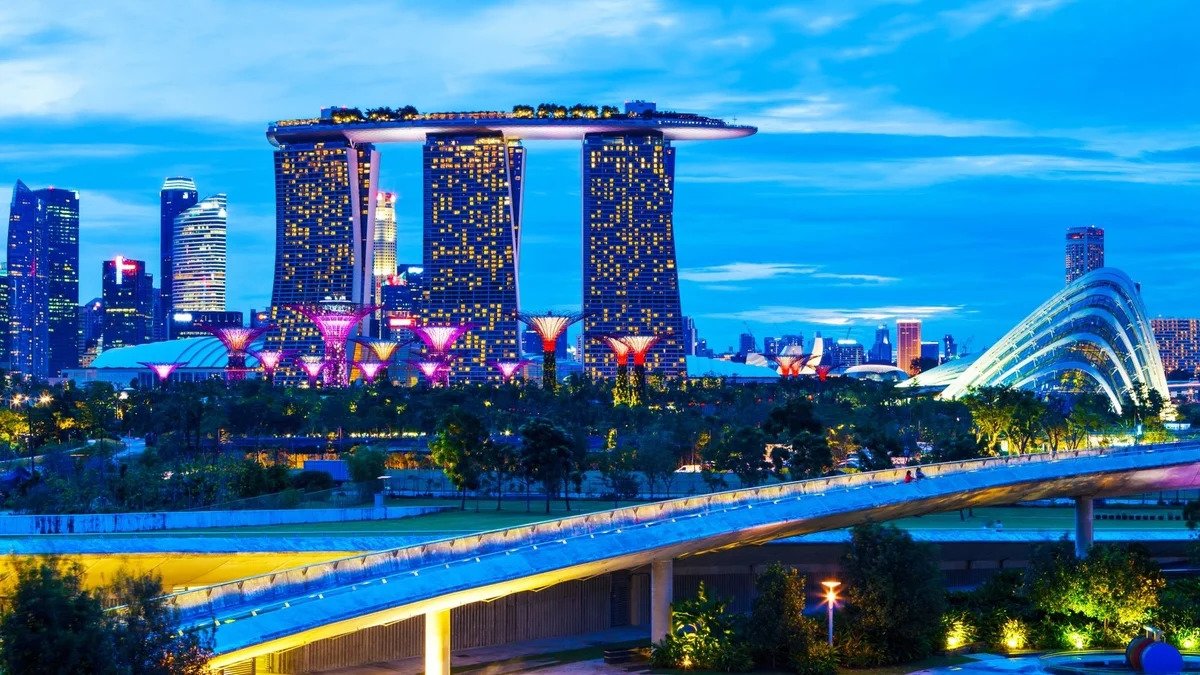
Alongside the earnings update, Hongkong Land is advancing plans linked to a Singapore-based fund structure, reflecting a broader strategy of asset recycling and capital redeployment.

The fund is intended to help unlock value from mature assets while providing a vehicle for co-investment and potential portfolio diversification beyond Hong Kong’s traditional commercial core.

The key issue is how the company balances two competing pressures: sustaining income from high-value but cyclical office assets in Central Hong Kong, while also adapting to a regional investment environment where capital is increasingly routed through fund structures in Singapore and other financial hubs.

Singapore’s role in this strategy reflects its position as a regional fund management centre with deep institutional capital pools, regulatory stability, and strong cross-border investment connectivity.

By aligning part of its strategy with Singapore-based capital structures, Hongkong Land is effectively broadening its investor base while maintaining exposure to prime Asian real estate markets.

The profit increase, while modest, is notable in the context of persistent structural uncertainty in global office demand.

Prime-grade assets in financial districts have generally performed better than secondary office stock, as multinational tenants consolidate into higher-quality buildings while reducing overall footprint.

For Hongkong Land, which has long been anchored by its Central Hong Kong portfolio, the performance underscores the continued importance of location-driven pricing power.

However, long-term growth depends less on occupancy recovery alone and more on capital recycling, redevelopment potential, and the ability to attract institutional investment into structured vehicles like the emerging Singapore fund.

The result places the company in a transitional phase: operating in a stabilising core market while actively reshaping how its assets are financed, packaged, and distributed to global investors through fund-based structures rather than traditional direct property holdings.
Beijing-based self-driving technology company raises nearly HK$872 million as Hong Kong’s IPO market continues to favor deep-tech and AI-linked firms
ACTOR-DRIVEN — the story is fundamentally driven by UISEE Technologies, a Beijing-based autonomous driving company, entering public markets through its initial listing on the Hong Kong Stock Exchange.

UISEE Technologies has officially completed its initial public offering and begun trading on the Main Board of the Hong Kong Stock Exchange under the ticker 1511, marking its transition from a private autonomous driving developer into a publicly listed company.

The listing is structured under Hong Kong’s specialist technology framework for advanced industries, which is designed to accommodate firms that may still be scaling revenue but operate in strategically sensitive or high-innovation sectors.

What is confirmed is that the company raised approximately HK$795 million to HK$872 million, depending on reporting adjustments for net proceeds and pricing structure.

The shares were offered at HK$60.30 each, with total shares issued at roughly 14.46 million.

The listing places UISEE at a valuation of roughly HK$7.6 billion to HK$9 billion at debut, depending on market calculations and early trading levels.

UISEE develops Level 4 autonomous driving systems, meaning vehicles capable of driving themselves within defined operational environments without human intervention.

The company focuses heavily on controlled or semi-controlled commercial settings rather than consumer passenger cars.

Its core deployments include airports, logistics hubs, factories, ports, and mining operations, where routes are structured and operational risk can be engineered and managed.

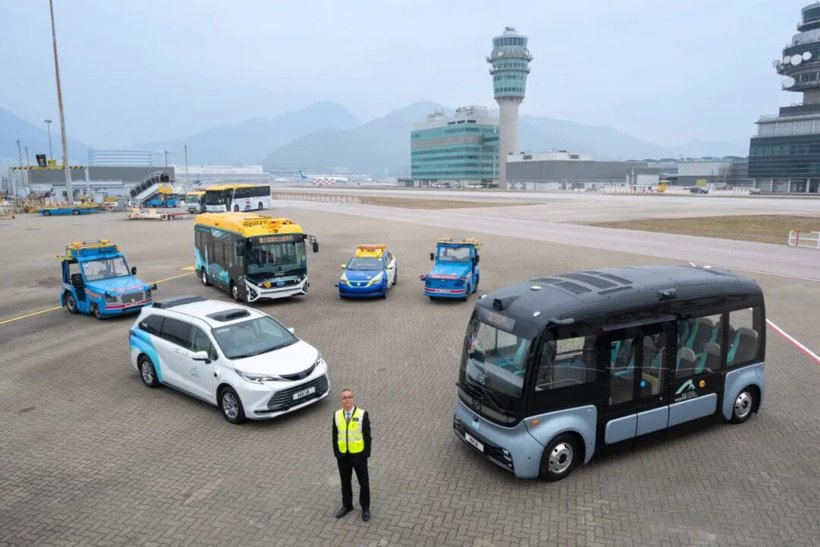
The company has expanded its footprint across airport environments in China and selected overseas locations, providing autonomous towing vehicles, baggage handling systems, and transport services.

These deployments form the commercial backbone of its revenue model, which is tied more to industrial automation contracts than mass-market vehicle sales.

The listing structure reflects a broader trend in Hong Kong capital markets: deep-tech firms raising capital under specialist listing rules while still heavily investing in research, deployment partnerships, and international expansion.

UISEE’s offering was split primarily between international institutional investors and a smaller allocation for Hong Kong public subscription, a typical structure for technology IPOs in the region.

Investor demand for the offering was strong enough to complete the fundraising within the planned range, with oversubscription levels reported as extremely high during the subscription window.

This reflects continued appetite for artificial intelligence and autonomous systems companies in Hong Kong’s equity market, particularly those linked to industrial automation and physical-world AI applications.

The broader significance of the listing lies in how autonomous driving is being commercialized.

UISEE is not competing directly in consumer robotaxis but instead in enterprise automation, where adoption depends on contract deployment with airports, industrial operators, and logistics firms.

This model reduces regulatory exposure in public roads but increases reliance on large infrastructure clients and long-term service agreements.

Trading performance on debut showed immediate price movement away from the offer level, reflecting typical volatility in newly listed technology stocks in Hong Kong’s market environment.

Early trading established a lower intraday valuation compared with the offer price in some sessions, a pattern seen in several recent listings where high demand at subscription stage does not always translate into stable secondary-market pricing.

The listing adds another data point to Hong Kong’s ongoing role as a capital-raising hub for Chinese advanced technology firms, particularly in artificial intelligence, robotics, semiconductor-adjacent systems, and autonomous systems.

It also underscores how capital markets are increasingly financing real-world AI infrastructure rather than purely software-based technology companies.

With the company now publicly traded, its next phase will be defined by scaling deployments beyond airport environments, proving profitability in industrial automation contracts, and demonstrating whether Level 4 autonomy can transition from controlled environments into broader commercial adoption at scale.
New cross-border framework aims to address water quality, river transport safety, and environmental pressure along a vital Southeast Asian trade and ecology corridor
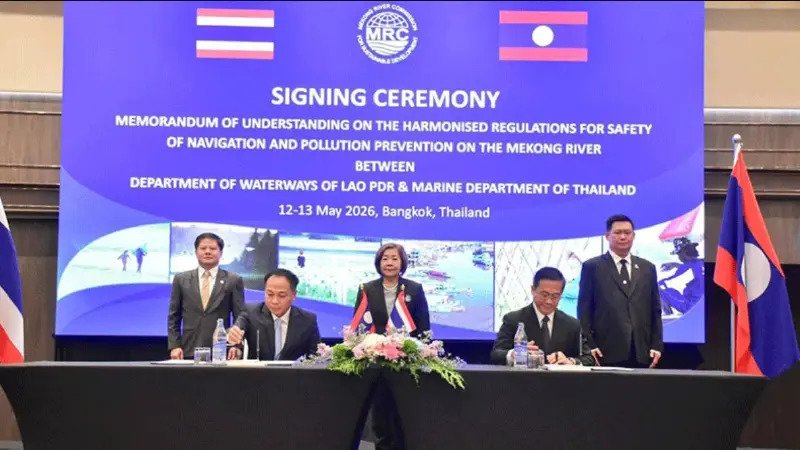
SYSTEM-DRIVEN cooperation between Thailand and Laos has advanced with the introduction of new joint measures focused on safety standards and pollution control along the Mekong River, one of Southeast Asia’s most economically and environmentally significant waterways.

The Mekong functions as both a natural boundary and a critical transport and resource artery, supporting fisheries, agriculture, hydropower infrastructure, and cross-border trade.

At the same time, it has become increasingly exposed to environmental stress, including industrial runoff, plastic waste, sediment disruption, and the downstream effects of dam construction across the wider Mekong basin.

The new cooperation framework between Bangkok and Vientiane is designed to coordinate how both countries monitor and manage these pressures.

What is confirmed is that the agreement focuses on aligning standards for river safety and pollution response, with an emphasis on improving coordination between relevant agencies on both sides of the border.

The practical aim is to reduce inconsistencies in enforcement that have historically complicated cross-border environmental management.

A central issue in the Mekong basin is that pollution and ecological change do not respect national boundaries.

Waste discharged upstream can affect fisheries and drinking water systems downstream within days or weeks, while river traffic safety risks are shared between both countries’ commercial fleets and local communities.

The agreement reflects an acknowledgment that unilateral action has limited effectiveness in a shared river system.

The mechanism behind the new rules is expected to rely on increased data sharing, joint inspections in sensitive zones, and coordinated responses to incidents such as chemical spills, illegal dumping, or navigational hazards.

It also signals a gradual shift toward treating the Mekong less as a divided jurisdiction and more as a managed ecological corridor requiring synchronized governance.

The stakes are high.

The Mekong supports tens of millions of livelihoods across the region, particularly in agriculture and inland fisheries.

Any deterioration in water quality or river stability directly affects food security, rural income, and local supply chains.

At the same time, the river is increasingly integrated into regional logistics strategies, making safety standards a commercial as well as environmental concern.

While the agreement marks a formal step forward, its effectiveness will depend on enforcement capacity, funding for monitoring systems, and sustained political coordination.

Previous regional environmental initiatives along the Mekong have often struggled with uneven implementation and competing national priorities, particularly in relation to development projects and hydropower expansion.

The latest framework therefore represents not a resolution, but a structured attempt to reduce friction in managing a shared natural system under growing ecological and economic pressure.

Its practical impact will be measured in how consistently both countries can translate joint commitments into operational controls on the river itself.
Zhang Xinyan was detained in Thailand after authorities acted on a request linked to potential imprisonment in China, highlighting tensions over extradition risk and political asylum protections.
EVENT-DRIVEN legal enforcement dynamics in Thailand have escalated following the detention of Hong Kong activist Zhang Xinyan, a case that sits at the intersection of international policing cooperation, political asylum risk, and China’s expanding extraterritorial reach.

The arrest has drawn attention to how Southeast Asian states handle foreign dissidents facing prosecution in China and the limits of legal protection once cross-border warrants are involved.

What is confirmed is that Thai authorities detained Zhang Xinyan after she was flagged under an international alert mechanism tied to Chinese legal proceedings.

Zhang is a Hong Kong activist who, according to her known profile, has been involved in pro-democracy activity that could expose her to prosecution under national security-related charges in mainland China.

The detention occurred in Thailand, a jurisdiction that maintains active cooperation with international policing networks and routinely processes extradition and immigration enforcement requests.

The key mechanism driving the case is the use of international law enforcement coordination tools, including cross-border alerts and extradition frameworks.

When a person is flagged through these systems, local authorities can detain individuals pending verification of identity and legal grounds for removal or extradition.

In practice, this places significant discretion in the hands of national authorities, especially in countries that have not formally guaranteed political asylum protections in the same way as Western asylum systems.

The case is particularly sensitive because Hong Kong activists facing prosecution in mainland China are often accused under broad national security provisions that carry severe penalties, including long-term imprisonment.

Critics of such prosecutions argue that they can be politically motivated, especially in cases linked to the post-2019 protest movement.

Chinese authorities maintain that such charges relate to legitimate national security enforcement.

Thailand’s position is complicated by its legal and diplomatic balancing act.

The country maintains close economic and political ties with China, while also participating in global law enforcement cooperation networks.

This creates a framework in which foreign nationals can be detained quickly when flagged, but long-term decisions on extradition or deportation involve multiple legal and diplomatic considerations, including human rights obligations and bilateral relations.

The stakes of Zhang’s detention extend beyond an individual case.

For activists and dissidents from Hong Kong and mainland China, Southeast Asia has increasingly become both a transit route and a zone of legal vulnerability.

Several high-profile cases in recent years have involved individuals attempting to relocate or seek protection in third countries, only to face detention or deportation under existing security agreements.

Human rights organizations have repeatedly raised concerns that extradition or removal to jurisdictions where individuals face political charges may expose them to unfair trial conditions or disproportionate sentencing.

Governments involved in such transfers typically argue that they are fulfilling legal obligations under international cooperation frameworks and bilateral agreements.

The immediate consequence of the detention is that Zhang remains in Thai custody pending further legal review of her status and any formal request for transfer.

The case is likely to proceed through administrative and judicial channels that assess identity verification, the legal basis for detention, and whether any protections against removal apply under Thai and international law.

The outcome will set a practical precedent for how Thailand manages future cases involving politically sensitive requests tied to Hong Kong and mainland China, reinforcing the country’s position within the wider regional enforcement architecture.
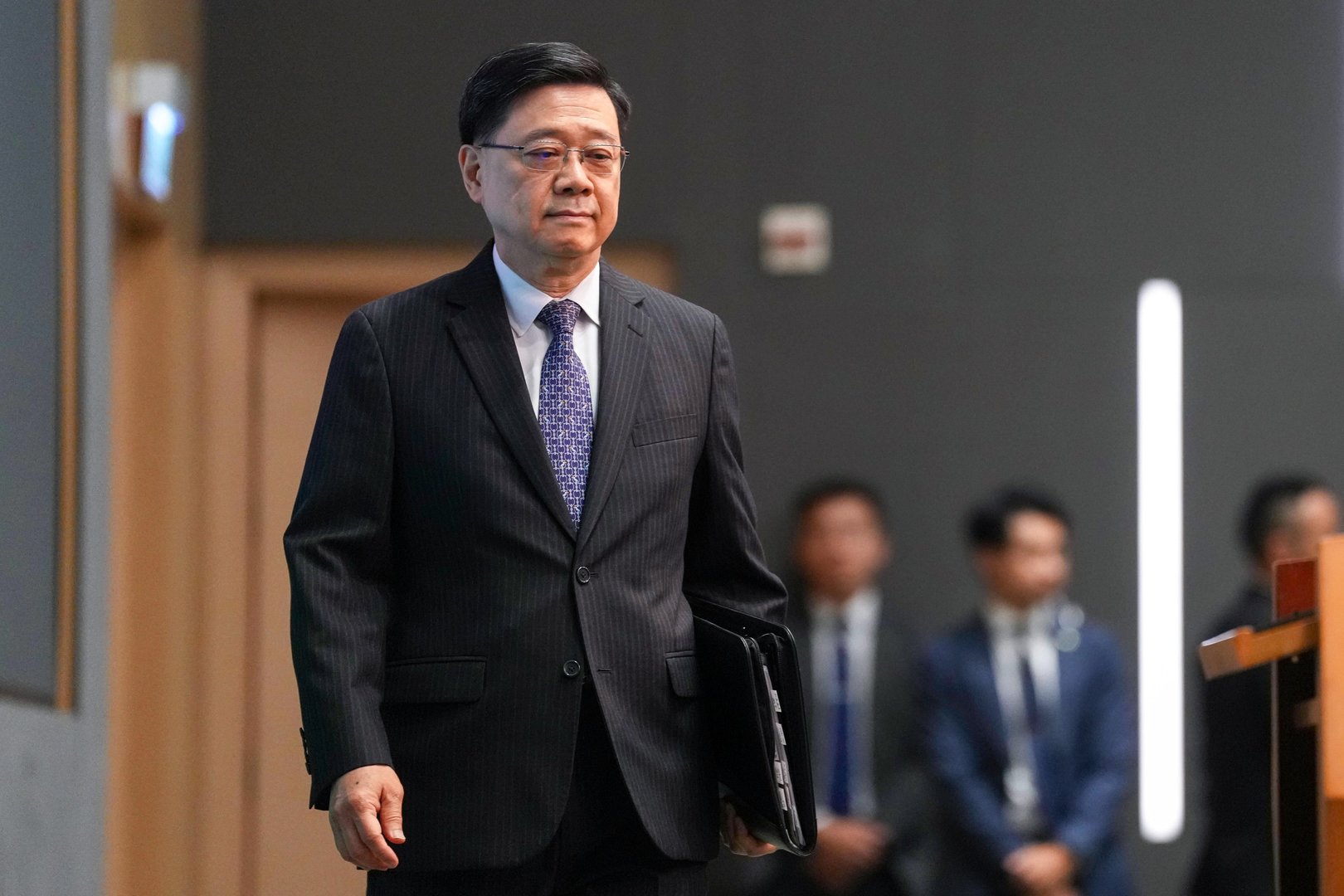
Chief Executive John Lee will visit two Belt and Road partners in June with over 60 business leaders, aiming to deepen trade, finance, and infrastructure ties with fast-growing Central Asian economies.
SYSTEM-DRIVEN dynamics in Hong Kong’s external economic strategy are driving a major shift toward Central Asia, as Chief Executive John Lee prepares to lead the city’s largest-ever overseas delegation to Kazakhstan and Uzbekistan.

The move reflects an institutional push to reposition Hong Kong as a financial and logistics gateway linking East Asia with emerging markets along the Belt and Road network.

What is confirmed is that the five-day visit will take place in early June and will be Lee’s first official trip to both countries since taking office.

The delegation will include more than 60 senior business representatives alongside government officials, making it the largest foreign mission of his administration to date and exceeding previous trips to the Middle East.

The group is split roughly between Hong Kong-based executives and mainland Chinese entrepreneurs across sectors including logistics, finance, energy, mining, and technology.

The planned visits will cover Astana and Tashkent, the capitals of Kazakhstan and Uzbekistan, two economies that Hong Kong officials describe as key gateways into Central Asia.

Kazakhstan is currently Hong Kong’s largest trading partner in the region, while Uzbekistan is identified as one of its fastest-growing economic engines, with a large and youthful population and ongoing industrial diversification.

The core mechanism underpinning the visit is a “hub-to-hub” cooperation model.

Under this framework, Hong Kong positions itself as a capital-raising and financial services hub connecting Central Asian resource and manufacturing economies to global investors, while Kazakhstan and Uzbekistan serve as entry points for foreign capital into the wider region.

Officials have explicitly framed the strategy as an effort to strengthen long-term trade infrastructure rather than pursue short-term commercial deals.

Economic engagement between Hong Kong and Central Asia has been accelerating in recent years.

Kazakhstan has already issued offshore renminbi-denominated bonds in Hong Kong, and financial institutions in the region have increasingly used the city’s capital markets for fundraising.

Trade development authorities also point to logistics modernization projects across Central Asia, including airport upgrades and supply chain infrastructure expansion, as key areas where Hong Kong firms may expand their presence.

The stakes of the visit extend beyond bilateral trade figures.

For Hong Kong, the outreach is part of a broader attempt to diversify its external economic relationships amid global geopolitical fragmentation and slower growth in traditional Western markets.

For Kazakhstan and Uzbekistan, deeper engagement with Hong Kong offers access to international capital, legal services, and financial structuring expertise that supports their economic diversification away from resource dependency.

The delegation will also serve a diplomatic function.

Meetings with senior officials in both countries are intended to establish more formal government-to-government communication channels and strengthen policy alignment on trade facilitation, investment protection, and cross-border business cooperation.

The trip follows a series of high-level exchanges between Hong Kong and Uzbekistan, including recent official visits and business forums that have already produced agreements in sectors such as energy, agriculture, and aviation.

If implemented as planned, the visit will further integrate Hong Kong into the financial architecture of Central Asia’s reforming economies, reinforcing its role as an intermediary platform between mainland China, global capital markets, and resource-rich emerging regions.

The delegation is expected to return with cooperation frameworks focused on logistics, financing, and infrastructure development, setting the stage for longer-term investment pipelines between Hong Kong institutions and Central Asian governments.
Authorities are upgrading isolation capacity and border health surveillance as part of contingency planning for potential Ebola or other high-risk infectious disease cases.
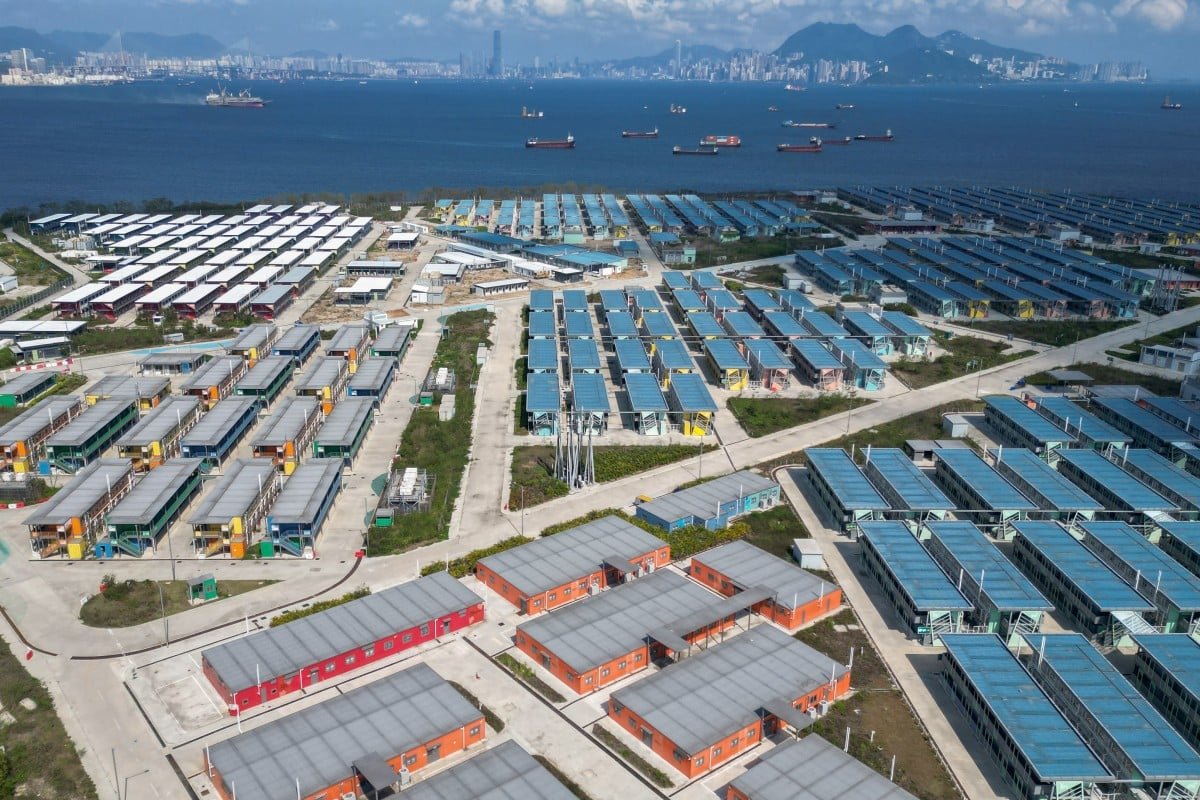
EVENT-DRIVEN public health preparedness measures in Hong Kong have intensified as authorities reinforce contingency planning for Ebola virus disease, including readiness protocols for a quarantine facility on Lantau Island.

What is confirmed is that Hong Kong health authorities are stepping up preparedness measures for potential Ebola cases, with operational planning that includes the use or activation of a designated quarantine facility on Lantau Island.

The measures are part of a broader infectious disease readiness framework designed to handle rare but high-consequence viral outbreaks.

Ebola virus disease is a severe and often fatal illness transmitted through direct contact with infected bodily fluids.

While no active outbreak has been reported in Hong Kong, the disease’s high mortality rate and history of cross-border spread during international outbreaks have led many jurisdictions to maintain dedicated isolation and response infrastructure.

The key issue driving the policy is risk containment.

Hong Kong is a densely populated international hub with one of the world’s busiest air traffic networks, making it particularly sensitive to imported infectious disease threats.

Even a single suspected case can require rapid isolation, contact tracing, and medical containment to prevent wider transmission.

The planned or pre-identified quarantine capacity on Lantau Island forms part of Hong Kong’s emergency public health architecture.

Facilities of this type are typically designed to function as controlled isolation environments, allowing medical teams to manage high-risk patients while limiting exposure to general hospital systems and the wider community.

Such facilities were previously used or placed on standby during global outbreaks of infectious diseases, including SARS and COVID-19, when Hong Kong expanded its isolation capacity and developed rapid-response protocols for incoming travelers and suspected cases.

The current preparedness measures are focused on readiness rather than active treatment demand.

This includes maintaining operational protocols, ensuring staff training, and verifying that isolation infrastructure can be activated quickly if required.

It also includes coordination between border health officials, hospitals, and emergency response units.

Public health authorities globally have emphasized that Ebola remains rare outside specific endemic regions in Africa, but international travel and medical evacuation scenarios require countries with advanced healthcare systems to maintain contingency capabilities.

Hong Kong’s approach reflects that principle, prioritizing early containment capacity over reactive expansion during a crisis.

The existence of dedicated quarantine infrastructure reduces the time needed to isolate suspected cases, which is critical in diseases where transmission can occur through direct physical contact.

The broader implication is that Hong Kong continues to treat high-consequence infectious diseases as a standing risk within its public health system design, maintaining infrastructure that can be rapidly deployed even in the absence of active local outbreaks.

The Lantau facility remains part of that strategic preparedness framework, ready for activation if a confirmed case emerges.
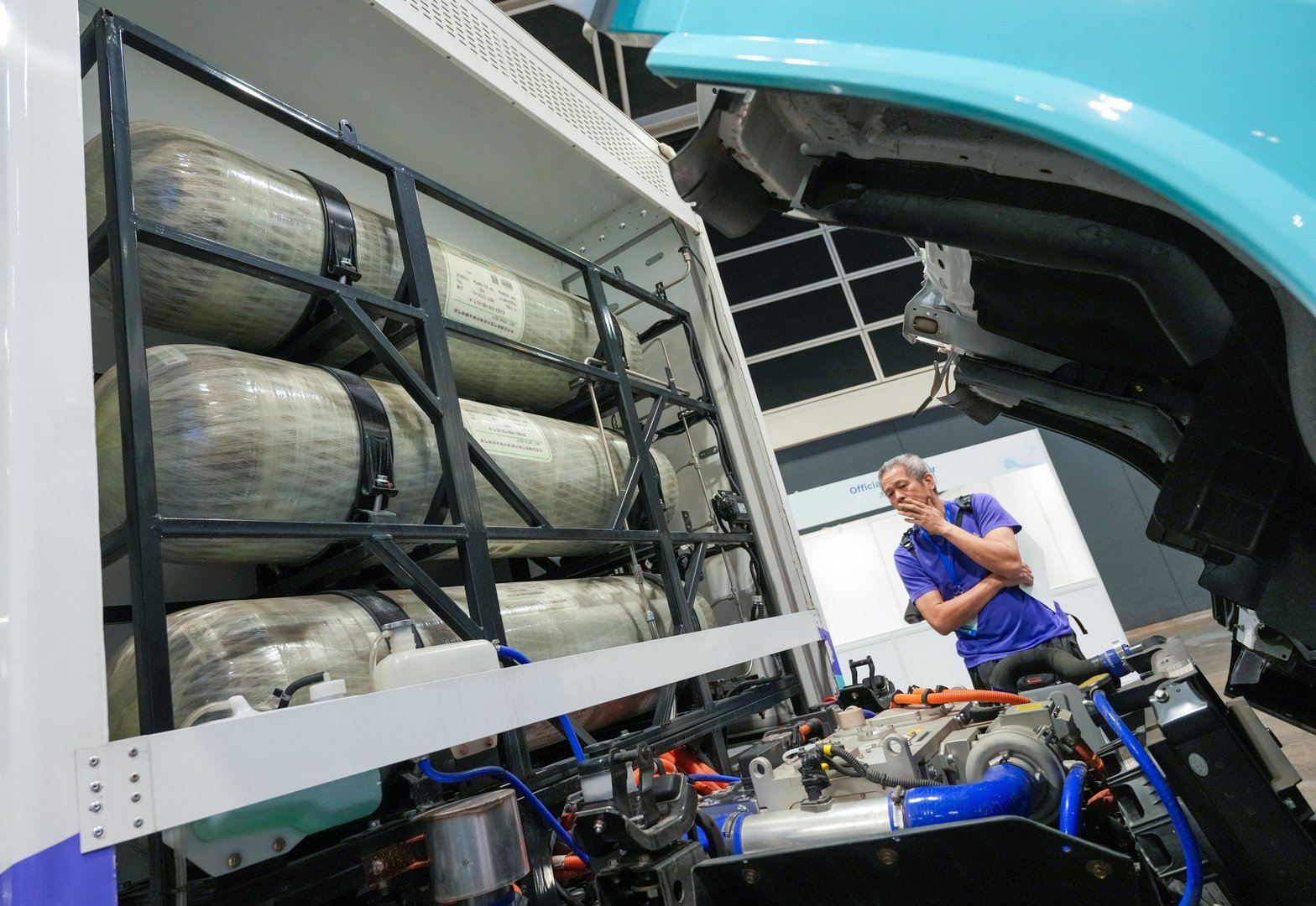
Policy advisers and industry stakeholders are calling for faster hydrogen deployment in power, transport, and industrial systems as the city struggles to decarbonize hard-to-abate sectors.
SYSTEM-DRIVEN climate and energy policy planning in Hong Kong is increasingly centering on hydrogen as authorities face mounting pressure to meet the city’s 2050 carbon neutrality target.

What is confirmed is that policymakers and industry participants have renewed calls for Hong Kong to accelerate hydrogen adoption across its energy transition strategy.

The push focuses on integrating hydrogen into sectors where electrification alone is considered difficult, including heavy transport, industrial heat processes, and parts of the power generation system.

Hong Kong has already committed to achieving carbon neutrality by 2050, in line with broader regional climate strategies.

However, progress toward that goal depends heavily on reducing emissions from imported electricity, transport fuels, and construction-related energy use.

Hydrogen is being positioned as a potential complement to renewable electricity, rather than a replacement, particularly for high-intensity energy applications where batteries and direct electrification face physical or economic limits.

The key issue is structural constraint.

Hong Kong has limited domestic renewable energy capacity due to land scarcity and high urban density.

This makes large-scale renewable generation difficult, increasing reliance on imported electricity and imported fuels.

Hydrogen, if produced through low-carbon methods such as electrolysis powered by renewables or imported green hydrogen, is seen by some planners as a way to diversify energy supply while reducing emissions.

At the same time, the hydrogen transition faces significant technical and economic barriers.

Production of green hydrogen remains expensive compared with fossil fuels, and infrastructure for storage, transport, and distribution is not yet established at scale in Hong Kong.

The city would need to develop import terminals, refueling stations, and safety regulatory frameworks before hydrogen can be deployed widely.

Stakeholders advocating for faster adoption argue that early investment is necessary to avoid technological lock-in and to ensure Hong Kong is not dependent on delayed infrastructure development in neighboring markets.

They also point to regional competition, as jurisdictions such as mainland China, Japan, and South Korea expand hydrogen pilot programs and supply chains.

Critically, hydrogen’s role in Hong Kong’s energy system remains policy-directed rather than market-driven at scale.

Existing deployment is limited to pilot projects and feasibility studies, particularly in transport and logistics sectors.

These early-stage efforts are intended to test safety protocols, cost structures, and integration with existing energy networks.

The government’s long-term decarbonization framework continues to prioritize energy efficiency, electrification, and imported clean electricity as primary tools.

Hydrogen is currently positioned as a supplementary technology, with its future role dependent on cost reductions, supply chain maturity, and international trade routes for low-carbon hydrogen.

The renewed push highlights a broader policy tension: Hong Kong’s carbon neutrality goal is clear, but the technological pathway remains uncertain, with hydrogen emerging as a contested but increasingly prominent component of the city’s long-term energy strategy.
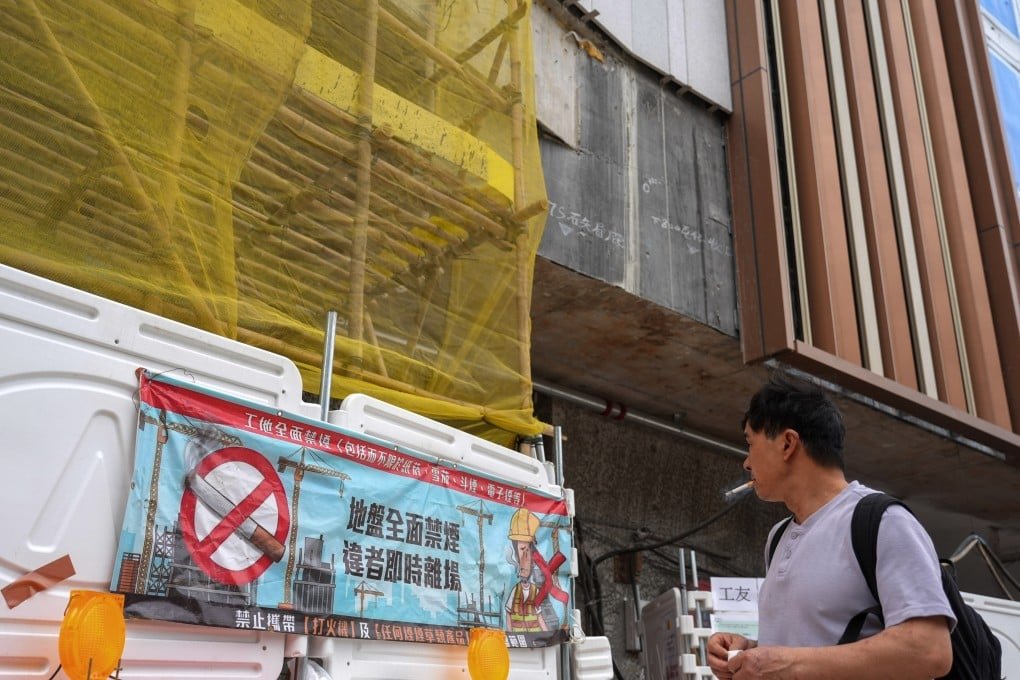
The new rule, taking effect on July 17, targets fire risks in building zones after a deadly blaze in Tai Po intensified scrutiny of workplace ignition hazards.
EVENT-DRIVEN regulatory response in Hong Kong’s construction safety regime has led authorities to impose a citywide ban on smoking at construction sites, following heightened concern over fire risks after a major blaze in Tai Po.

What is confirmed is that Hong Kong authorities will prohibit smoking at all construction sites beginning July 17. The measure applies across active building zones and is designed to reduce ignition risks in environments where flammable materials, electrical equipment, and temporary structures create elevated fire vulnerability.

The policy shift comes in the aftermath of a fire in Tai Po, a district in the New Territories, which drew public attention to safety practices in construction areas.

While full forensic conclusions about the fire’s origin have not been publicly detailed in the available regulatory announcement, the incident has been treated as a catalyst for tightening workplace fire prevention rules.

Construction sites in Hong Kong are among the most tightly regulated industrial environments in the city, but smoking has historically been permitted in designated areas under specific safety conditions.

The new ban removes that flexibility entirely, signaling a shift from managed risk to total prohibition in response to recent events.

The mechanism behind the policy is straightforward: construction zones often contain combustible materials such as timber, insulation, solvents, and packaging waste, alongside temporary electrical systems and welding operations.

A single ignition source can escalate rapidly in such conditions, particularly in dense urban construction sites where fire containment is complicated by limited access routes and high-rise structures.

The decision also reflects broader regulatory pressure in Hong Kong to strengthen occupational safety standards in high-risk industries.

Construction remains one of the city’s most hazardous sectors in terms of workplace accidents and fire-related incidents, prompting periodic updates to safety codes and enforcement measures.

The ban will require contractors and site managers to revise internal safety protocols, enforce compliance among workers, and potentially redesign designated rest areas that previously allowed controlled smoking zones.

Enforcement mechanisms are expected to involve inspections and penalties for violations, although specific penalty structures have not been detailed in the announcement.

For the construction industry, the immediate consequence is operational adjustment rather than structural redesign.

However, compliance will depend heavily on enforcement consistency and worker adherence across a sector that includes both large multinational contractors and smaller subcontracting firms.

The policy also signals a broader shift in Hong Kong’s risk tolerance in urban development projects, where rapid construction activity continues alongside dense population exposure.

The removal of smoking permissions at worksites reflects a preventive approach aimed at eliminating avoidable ignition sources in environments where fire spread can escalate within minutes.

The ban will take effect on July seventeenth, after which all construction sites in Hong Kong will be required to operate under a zero-smoking rule as part of strengthened fire safety controls prompted by recent incidents.
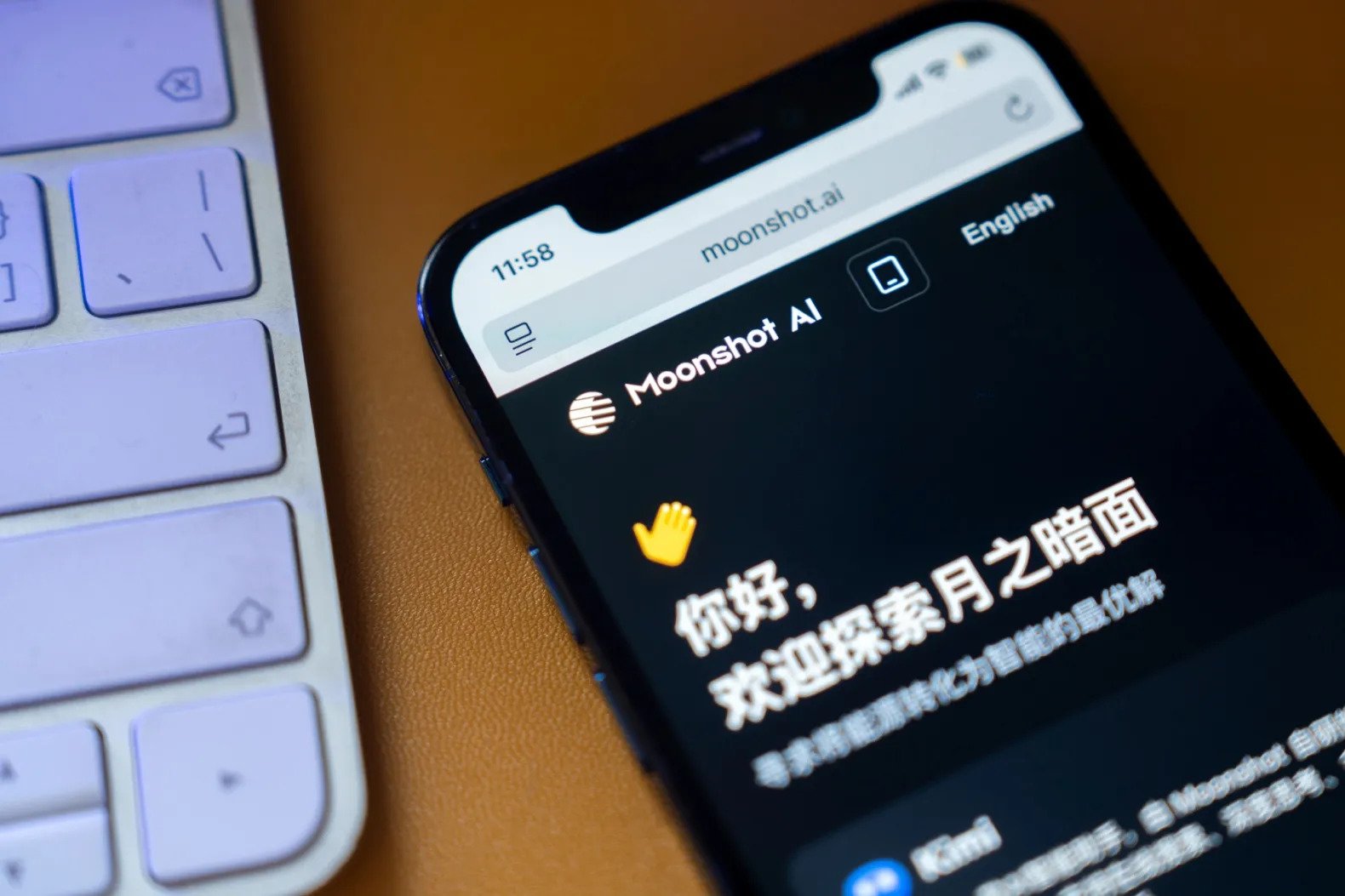
Chinese AI unicorn behind the Kimi chatbot is dismantling its offshore VIE structure in response to tightening Beijing scrutiny, aligning itself for a potential multibillion-dollar listing in Hong Kong.
SYSTEM-DRIVEN regulatory change in China’s offshore listing framework is forcing one of the country’s fastest-growing artificial intelligence startups, Moonshot AI, to fundamentally redesign its corporate structure as it prepares for a Hong Kong initial public offering.

Moonshot AI, the Beijing-based company behind the widely used Kimi chatbot, has informed shareholders that it plans to dismantle its offshore holding arrangement and move away from the variable interest entity structure commonly used by Chinese technology firms.

That structure typically places a parent company in jurisdictions such as the Cayman Islands while controlling mainland Chinese operations through contractual arrangements.

What is confirmed is that the company has begun formally communicating the restructuring plan to investors and is seeking feedback as part of preparations for a possible Hong Kong listing.

The move is intended to align the firm with evolving regulatory expectations in China, where authorities have increasingly scrutinized offshore listing frameworks and encouraged more direct, transparent ownership structures for companies operating domestically.

The restructuring is not merely procedural.

It represents a strategic shift required to access public markets.

Without resolving its offshore structure, Moonshot would face significant regulatory barriers in pursuing an IPO in Hong Kong, which remains the preferred listing venue for many mainland Chinese technology companies seeking international capital while remaining under Chinese regulatory oversight.

Moonshot’s current structure places its assets and operations in mainland China under control of a Cayman Islands-registered holding company.

The planned dismantling would effectively unwind this arrangement, potentially converting the company into a more domestically anchored corporate entity.

This type of transition is complex, typically requiring share reorganization, regulatory approvals, tax restructuring, and alignment with local ownership rules, and can take many months to complete.

The broader context is a tightening policy environment in China around so-called red-chip structures.

Regulators have been signaling greater caution toward offshore corporate models, particularly for high-profile technology companies in strategic sectors such as artificial intelligence.

The concern centers on transparency, capital control, and regulatory oversight, especially as domestic capital markets become more central to funding national technology priorities.

Moonshot AI’s decision reflects that shift in pressure.

The company has rapidly emerged as one of China’s leading AI startups, attracting significant private investment and building a large user base through its Kimi chatbot and related AI models.

Its valuation has reached the multibillion-dollar range in recent funding rounds, placing it among the most prominent contenders in China’s competitive AI sector.

The Hong Kong IPO itself remains in preparation rather than execution.

The restructuring is a prerequisite step rather than a final listing commitment, meaning timing and valuation are still subject to market conditions, regulatory approval, and the completion of corporate reorganization.

If completed, the listing would be one of the most significant AI-related public offerings in Hong Kong, further deepening the city’s role as a gateway for Chinese technology firms seeking global capital access while operating within a tightening domestic regulatory framework.
The property group is reshaping its portfolio strategy through asset rotation and fund structures amid a slower commercial real estate cycle in Asia
The expansion of Hongkong Land’s capital recycling strategy through the launch of a Singapore-focused real estate fund reflects a system-driven shift in how major property groups manage balance sheets under conditions of slower asset growth, higher financing costs, and more selective investor demand.

The move signals a broader transition from direct asset ownership toward fund-based structures that allow developers to unlock capital while maintaining exposure to core markets.

What is confirmed is that Hongkong Land has expanded its capital recycling approach and launched a real estate fund centered on Singapore assets.

Capital recycling refers to the practice of selling, partially divesting, or restructuring mature properties and reinvesting proceeds into higher-return opportunities or returning capital to shareholders.

In practice, this often includes moving assets into externally managed funds or joint ventures rather than holding them entirely on the company’s balance sheet.

The key issue driving this strategy is the changing economics of prime commercial real estate in Asia.

Hongkong Land is heavily exposed to premium office and retail assets in key financial hubs, particularly Hong Kong and Singapore.

These markets have faced structural pressure from rising interest rates, evolving work patterns that have reduced office demand in some segments, and more cautious corporate leasing behavior.

As a result, large property groups are increasingly prioritizing liquidity and flexibility over long-term asset accumulation.

The launch of a Singapore-focused fund is significant because Singapore remains one of Asia’s most stable and institutionally attractive real estate markets.

It offers strong regulatory predictability, deep pools of institutional capital, and consistent demand for high-quality office and mixed-use developments.

By packaging assets into a fund structure, Hongkong Land can attract external investors, recycle capital more efficiently, and reduce direct exposure while still participating in long-term value appreciation.

This approach also reflects a broader industry trend among Asian real estate firms.

Instead of relying solely on traditional development and holding models, developers are increasingly using private funds, listed vehicles, and joint ventures to manage capital intensity.

These structures allow firms to monetize mature assets without fully exiting strategic markets, effectively turning illiquid property holdings into more flexible financial instruments.

For Hongkong Land, capital recycling serves both operational and financial objectives.

Operationally, it frees up capital for reinvestment into higher-quality or redevelopment projects.

Financially, it helps manage leverage and supports shareholder return programs such as buybacks or dividends.

In a slower growth environment, these mechanisms become central to maintaining investor confidence and stabilizing earnings visibility.

The broader implication is that Hongkong Land is adapting to a more constrained real estate cycle by shifting from asset expansion toward capital efficiency.

The creation of a Singapore real estate fund is not an isolated initiative but part of a structural repositioning in which balance sheet flexibility and third-party capital play a larger role in sustaining returns.

The immediate consequence is increased liquidity and optionality in Hongkong Land’s portfolio management.

The longer-term implication is a continued evolution away from pure property ownership toward a hybrid model combining direct holdings with fund-based investment structures across Asia’s core commercial hubs.
The company’s cancellation of 185,000 shares highlights ongoing efforts to manage capital structure and support shareholder value amid shifting property market conditions
The cancellation of repurchased shares by Hongkong Land reflects a system-driven capital management strategy shaped by global property market cycles, liquidity conditions, and shareholder return policies.

Hongkong Land, a major real estate investment and development group focused on prime commercial assets in Asia, has been actively using share buybacks as part of its broader approach to optimize capital allocation and signal financial discipline to investors.

What is confirmed is that Hongkong Land cancelled 185,000 shares following a recent buyback program.

Share cancellation is a standard corporate mechanism in which repurchased shares are permanently removed from circulation, reducing the total number of outstanding shares and potentially increasing earnings per share for remaining shareholders.

This action does not change the company’s underlying assets or operations but alters its capital structure.

The key issue behind this move is how listed property groups respond to prolonged valuation pressure in commercial real estate markets.

Hongkong Land’s portfolio is heavily concentrated in premium office and retail assets in Hong Kong and Singapore, markets that have faced cyclical demand shifts due to interest rate changes, hybrid work trends, and regional economic uncertainty.

In this context, buybacks are often used as a signal that management views the company’s shares as undervalued relative to long-term asset value.

Share buybacks also serve a financial engineering function.

By reducing the number of outstanding shares, companies can improve per-share metrics such as earnings per share and net asset value per share, even if total earnings remain unchanged.

For real estate investment groups, where valuation is closely tied to net asset value, such adjustments can influence investor perception and market pricing behavior.

Hongkong Land’s strategy sits within a broader pattern among large Asian property firms that have increasingly relied on capital returns rather than aggressive expansion.

This reflects tighter financing conditions, slower transaction volumes in prime office markets, and a more cautious development pipeline.

The focus has shifted toward preserving balance sheet strength and returning excess capital to shareholders when direct investment opportunities appear limited.

At the same time, share buybacks are not without trade-offs.

While they can support share prices and improve per-share financial indicators, they also reduce cash reserves that could otherwise be used for acquisitions, redevelopment, or debt reduction.

Investors typically interpret sustained buyback activity as a signal that management prioritizes capital efficiency over expansion in the near term.

The broader implication is that Hongkong Land is operating in a mature phase of its asset cycle, where value preservation and incremental optimization matter more than rapid portfolio growth.

The cancellation of 185,000 shares is relatively small in scale, but it is consistent with a disciplined capital management approach aimed at stabilizing investor confidence amid a structurally slower commercial property environment.

The immediate consequence is a slight reduction in Hongkong Land’s outstanding share base following its buyback program.

The longer-term implication is continued emphasis on shareholder returns as a central pillar of the company’s financial strategy in a constrained real estate cycle.
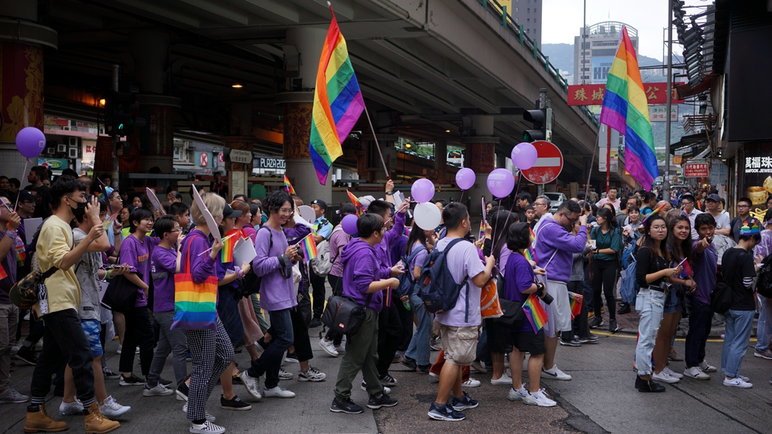
The sudden cancellation raises questions about tightening civic space, shifting governance influence, and the future of public LGBTQ+ organizing in the city
The cancellation of a major LGBTQ+ event in Hong Kong reflects a system-driven shift in the city’s civic and regulatory environment, where public gatherings increasingly sit at the intersection of local governance, national political sensitivities, and security-oriented administrative oversight.

The decision has drawn attention not only because of the event’s scale, but because of what it suggests about the boundaries of public expression in a territory that has undergone significant political restructuring in recent years.

What is confirmed is that organizers of one of Hong Kong’s largest LGBTQ+ events announced its cancellation shortly before it was due to take place.

The event had been positioned as a high-visibility gathering combining community activities, cultural programming, and advocacy-oriented discussions.

Its cancellation was abrupt, with organizers citing external constraints rather than internal logistical failure.

The key issue driving the story is the environment in which permits, venues, and public-facing events are approved.

In Hong Kong, large-scale gatherings require coordination with multiple layers of administrative approval, including venue operators and relevant government departments.

In recent years, these processes have become more sensitive to perceived political risk, particularly around events that may be interpreted as touching on identity politics or social mobilization.

The allegation that political pressure played a role has not been formally confirmed by authorities, but it has emerged as a central explanation among affected groups and observers.

Organizers and advocacy voices have pointed to increasing caution among venues and sponsors when associated with events that could attract scrutiny.

This reflects a broader climate in which institutions often seek to avoid controversy by limiting exposure to politically sensitive themes.

Hong Kong’s LGBTQ+ community has previously hosted Pride-related events, film festivals, and public forums, but the scale and visibility of such events have fluctuated over time.

Some initiatives have shifted toward smaller, privately hosted formats, while others have been relocated or restructured to reduce public visibility.

The cancellation of a flagship event therefore carries symbolic weight beyond its immediate program loss.

The broader context includes Hong Kong’s evolving governance framework following major political changes in recent years.

Increased emphasis on national security considerations has influenced how public space is regulated, including assembly permissions and content oversight.

While LGBTQ+ issues are not inherently political in legal terms, they exist within a broader environment where institutions are increasingly cautious about public-facing events that could be interpreted through a political lens.

For international observers and rights organizations, the development is significant because it tests the practical limits of civic participation in Hong Kong’s public sphere.

For local communities, it signals a shift in how visibility is negotiated—moving from open public programming toward more controlled, lower-profile formats.

The result is not an explicit prohibition, but a tightening of conditions that shape what kinds of events can be reliably executed at scale.

The immediate consequence is the loss of a major platform for community engagement and visibility in Hong Kong’s LGBTQ+ calendar.

The longer-term implication is a recalibration of how civil society groups design events in an environment where approval, sponsorship, and venue access are increasingly sensitive to perceived risk, setting a new operational baseline for public advocacy and cultural expression in the city.
The firm’s most profitable regional strategies sit at the intersection of liquidity, regulation, and China exposure as rival hubs compete for high-frequency trading talent
The future of Jane Street’s most lucrative Asia trading operations is ultimately shaped by a system-level contest between financial centers competing on regulation, market access, and liquidity depth.

Hong Kong has long functioned as the dominant hub for global firms trading China-linked equities and derivatives, but its position is increasingly tested by shifting capital flows, evolving regulatory frameworks, and the rise of alternative hubs in the region.

Jane Street, a privately held global trading firm known for quantitative strategies and market making, builds its profitability on arbitrage opportunities across highly liquid and tightly priced markets.

In Asia, those opportunities are concentrated in instruments linked to Chinese equities, exchange-traded funds, and derivatives, where pricing inefficiencies and rapid information flow create short-lived trading edges.

The location of its teams matters because proximity to exchanges, counterparties, and regulatory ecosystems directly affects latency, access, and execution quality.

Hong Kong remains structurally significant because it sits at the intersection of global capital and mainland Chinese markets through Stock Connect and related cross-border mechanisms.

This integration gives market participants access to deep liquidity pools in Shanghai and Shenzhen while still operating under an international legal and financial framework.

For firms like Jane Street, this hybrid structure is what makes the city uniquely valuable: it compresses arbitrage cycles between onshore and offshore pricing systems.

At the same time, Hong Kong’s role is no longer uncontested.

Singapore has expanded its positioning as a regional financial hub, offering regulatory predictability, diversified Southeast Asian market exposure, and strong infrastructure for derivatives and commodities trading.

Tokyo and Seoul also remain relevant in specific equity and volatility-linked strategies, while mainland China continues to gradually open selected channels to foreign institutional participation under strict controls.

Each alternative hub changes the calculus of where trading teams are located and how they are staffed.

The core tension for Jane Street is not simply geographic preference but operational efficiency.

High-frequency and quantitative trading strategies depend on tight feedback loops between data ingestion, model calibration, and execution.

If liquidity migrates or regulatory constraints alter trading windows, firms may reallocate personnel across jurisdictions to preserve performance.

That means the question of whether top Asia roles remain in Hong Kong is ultimately tied to where the most profitable inefficiencies persist, not to corporate symbolism or regional loyalty.

Regulatory direction in Hong Kong also plays a decisive role.

Post-pandemic market reforms, closer financial integration with mainland China, and evolving oversight of capital flows have reshaped how international firms structure their Asia-Pacific operations.

While these changes have reinforced Hong Kong’s importance as a gateway, they have also introduced new layers of compliance complexity that affect trading speed, product design, and risk management structures.

For Jane Street and similar firms, staffing decisions follow market microstructure rather than fixed headquarters logic.

If volatility, liquidity concentration, and regulatory arbitrage continue to favor Hong Kong’s cross-border position, the city will retain its role as a primary center for the firm’s most profitable Asia strategies.

If those advantages erode or redistribute across the region, trading talent and execution infrastructure will likely follow the shift in market gravity rather than remain anchored in a single location.
The Chinese industrial automation giant is leaning on fast-growing energy storage and power conversion systems to fuel expansion and challenge global leaders in a rapidly scaling clean-energy sector
A major industrial and energy transition is reshaping global power infrastructure markets as companies position themselves to dominate energy storage and power conversion systems, a sector increasingly central to renewable energy deployment and grid stability.

Inovance Technology, a Chinese automation and industrial control company, is advancing its Hong Kong listing strategy while emphasizing rapid growth in its storage-related business as it seeks to expand its global footprint.

What is confirmed is that Inovance is leveraging its energy storage and power conversion systems (PCS) segment as a key driver of growth, aligning with rising global demand for battery-backed grid infrastructure.

PCS technology is essential for converting and managing electrical energy between storage systems, renewable generation, and power grids, making it a core component of modern energy networks.

The company’s strategic framing places energy storage at the center of its expansion ambitions, with a stated goal of becoming a top-tier global competitor in PCS markets.

This positioning reflects broader industry dynamics in which Chinese manufacturers have rapidly scaled production capacity and technological capabilities, competing directly with established international energy equipment suppliers.

The key issue is whether Inovance can translate its strong domestic position into sustained international competitiveness.

While China remains its primary market, global expansion depends on regulatory access, supply chain resilience, and the ability to meet technical standards across different regional grids.

These constraints are particularly significant in Europe and North America, where energy infrastructure certification requirements and procurement rules are highly stringent.

Energy storage demand has accelerated globally due to the rapid expansion of wind and solar generation, which require balancing systems to stabilize intermittent power output.

PCS technology sits at the center of this transition, enabling bidirectional energy flow, grid integration, and system-level control.

Companies operating in this space are increasingly valued not only as industrial manufacturers but as infrastructure enablers of the energy transition.

Inovance’s Hong Kong IPO process reflects a broader trend of Chinese industrial firms seeking international capital access while scaling high-growth clean energy segments.

The listing is also part of a wider financial strategy to support research and development, global expansion, and increased manufacturing capacity in energy-related divisions.

Competition in the global PCS and energy storage ecosystem is intensifying, with multiple players competing for market share across utility-scale projects, commercial installations, and distributed energy systems.

Success in this market depends on cost efficiency, technological integration, and long-term reliability performance, particularly as grids become more dependent on renewable generation.

The company’s ambitions to reach a top-three global ranking in PCS underscore both the scale of its aspirations and the competitive pressure in a sector undergoing rapid consolidation.

As governments and utilities accelerate decarbonization targets, firms capable of delivering integrated storage and conversion systems are positioned to play a central role in the next phase of global energy infrastructure development.
Final arguments conclude in a closely watched case that tests how far public remembrance of the 1989 Tiananmen crackdown can be legally constrained under Hong Kong’s national security framework
A Hong Kong court has completed final arguments in the trial of former organizers of the city’s annual Tiananmen Square vigil, bringing a long-running and politically sensitive case closer to a verdict expected in July.

The proceedings center on allegations that the defendants failed to comply with legal requirements governing public assemblies under Hong Kong’s expanded national security and public order framework.

The case is widely viewed as a landmark test of how public remembrance of the 1989 Tiananmen Square crackdown can be conducted in Hong Kong following sweeping changes to protest law and civic space.

What is confirmed is that prosecutors have argued the organizers were legally responsible for ensuring compliance with authorization rules for large public gatherings, while the defense has challenged the interpretation and application of those requirements.

The defendants are associated with groups that previously organized the annual candlelight vigil in Victoria Park, an event that for decades drew large crowds to commemorate the deadly suppression of pro-democracy protests in Beijing in 1989. That vigil was effectively halted in recent years after authorities cited public safety concerns, COVID-era restrictions, and later national security considerations.

The key issue in the case is whether the organizers can be held criminally liable for failing to follow procedural requirements for an event that authorities argue was not properly authorized under current law.

Defense arguments have emphasized the historical role of the vigil as a peaceful assembly and have questioned whether the prosecution effectively criminalizes past civic activity that had long been tolerated.

The trial takes place against the backdrop of a broader restructuring of Hong Kong’s protest environment following the introduction of national security legislation and subsequent amendments to public order rules.

These changes have significantly narrowed the space for unauthorized demonstrations and increased penalties for organizing or participating in unlawful assemblies.

Supporters of the defendants argue that the case represents a further contraction of civic freedoms and the erasure of a once-visible public tradition of remembrance.

Authorities maintain that enforcement actions are necessary to uphold legal order and ensure that public events comply with established approval mechanisms designed to maintain stability.

The court’s forthcoming verdict is expected to clarify how far liability extends for organizers of political or commemorative events under the current legal framework.

It will also likely shape the boundaries of future public gatherings tied to politically sensitive historical events in Hong Kong.

As the case moves toward judgment, it stands as one of the most closely watched legal proceedings in the city’s evolving relationship between public expression, historical memory, and the enforcement of national security law.
Video of a worm-like organism emerging from a sushi dish went viral, prompting public concern, an apology from the outlet, and a formal inspection by food safety authorities
Food safety regulators in Hong Kong have launched an inspection after a viral video appeared to show a parasite emerging from a piece of sushi served at a local restaurant, raising renewed concerns about raw seafood handling standards in one of Asia’s most heavily scrutinized dining markets.

The incident began when a diner posted footage showing what appears to be a small worm-like organism moving out of a sushi piece shortly after it was served.

The clip spread rapidly across social media platforms, generating widespread public reaction and prompting calls for immediate regulatory action.

What is confirmed is that the video was recorded at a restaurant in Hong Kong and that it prompted an official response from both the establishment and food safety authorities.

The restaurant involved issued an apology following the circulation of the video and stated it was cooperating with authorities.

The management said it had taken internal corrective steps, though it did not publicly confirm the exact nature of the organism shown in the footage.

The key issue under review is whether the contamination originated from improper handling, storage conditions, or was present in the raw fish before preparation.

Hong Kong’s food safety system routinely requires inspections of restaurants serving raw seafood, particularly sushi and sashimi, due to the known risk of parasites in under-processed fish.

Common parasites such as anisakis can survive in raw or undercooked marine products if freezing or preparation standards are not properly followed.

Health officials have not confirmed whether the organism in this case belongs to any known species, and laboratory analysis is ongoing.

Public concern has been amplified by the viral nature of the video, which has been widely shared and interpreted in different ways online.

While some viewers described it as a parasite, others have cautioned that visual identification alone is not sufficient for scientific classification.

Authorities have emphasized that conclusions will depend on laboratory examination rather than social media interpretation.

Food safety incidents involving raw fish are not uncommon globally, but they typically trigger rapid inspections and compliance reviews rather than immediate enforcement action unless systemic violations are identified.

In Hong Kong, restaurants found in breach of hygiene or food handling regulations can face fines, suspension of licenses, or mandatory corrective measures.

The case has also revived broader scrutiny of raw seafood supply chains, including freezing standards, sourcing documentation, and kitchen-level inspection practices.

Regulators are expected to assess whether the restaurant complied with mandatory protocols designed to eliminate parasitic risks in sushi-grade fish before serving.

The restaurant remains under observation as inspectors review ingredients, storage conditions, and preparation procedures, while laboratory results will determine whether any regulatory penalties follow.
The additional budget signals continued SYSTEM-DRIVEN tightening of security infrastructure, extending legal, technological, and enforcement capacity under Hong Kong’s national security framework.
Hong Kong has earmarked an additional five billion Hong Kong dollars for national security-related spending, reinforcing a SYSTEM-DRIVEN expansion of enforcement capacity, institutional coordination, and supporting infrastructure under its evolving security framework.

The allocation reflects continued investment in a policy architecture that has reshaped governance, law enforcement priorities, and compliance obligations in the city since the introduction of the national security regime.

National security spending in Hong Kong is directed toward a broad set of functions, including law enforcement operations, intelligence coordination, cybersecurity capabilities, and institutional mechanisms designed to identify and respond to threats defined under national security legislation.

The new funding increases the resources available to these systems at a time when authorities have emphasized long-term integration of security considerations into multiple layers of public administration.

The additional allocation also underscores the sustained institutionalization of national security enforcement.

Since the implementation of the national security law in 2020, Hong Kong has established dedicated agencies and expanded existing enforcement structures.

These include specialized police units, advisory bodies, and coordination channels with mainland institutions, all designed to strengthen surveillance, investigation, and prosecution capacity in cases classified under national security provisions.

From a fiscal perspective, the funding increase reflects the normalization of security-related expenditure as a recurring component of public budgeting rather than an exceptional or temporary measure.

This shift has implications for resource distribution across government priorities, as security-related systems increasingly compete with social, infrastructure, and economic development spending within the overall budget envelope.

The policy direction also carries broader implications for regulatory certainty and business environment perceptions.

While authorities frame national security investment as necessary for stability and governance, critics and external observers have often highlighted concerns about legal breadth, enforcement scope, and potential chilling effects on civil society activity.

These perspectives remain part of the broader international discussion surrounding Hong Kong’s post-2020 institutional landscape.

Operationally, increased funding can translate into expanded staffing, upgraded surveillance and data systems, enhanced cybersecurity infrastructure, and more extensive training programs for enforcement personnel.

It can also support inter-agency coordination mechanisms that integrate local enforcement with broader regional security frameworks.

The allocation signals continuity rather than policy reversal.

It indicates that national security remains a central and expanding pillar of Hong Kong’s governance model, with sustained financial commitment ensuring that enforcement systems continue to evolve in scale and technical sophistication over time.

As implementation proceeds, the effects of the additional funding will be measured through institutional capacity growth and the ongoing integration of security considerations into administrative, legal, and technological systems across the city.
Lenovo Group stock climbed around one point seven percent in Hong Kong trading, reflecting shifting sentiment around global PC recovery, AI-driven hardware demand, and corporate restructuring expectations.
Lenovo Group’s shares rose about one point seven percent in Hong Kong trading, a move driven by renewed investor attention on the company’s positioning in the global personal computer and enterprise hardware market.

The price movement reflects broader SYSTEM-DRIVEN dynamics in the technology sector, where hardware manufacturers are being re-evaluated based on cyclical demand recovery and emerging artificial intelligence infrastructure needs.

Lenovo is one of the world’s largest PC manufacturers and a major supplier of enterprise servers, laptops, and related infrastructure products.

Its performance is closely tied to global PC shipment cycles, corporate IT spending, and demand from cloud and data center operators.

After a prolonged slowdown in the PC market following the pandemic-era boom, investors have been watching for signs of stabilization or recovery.

The recent share increase signals cautious optimism that the worst of the PC downturn may be easing, while also reflecting expectations that AI-related demand could support higher-margin segments of Lenovo’s business.

In particular, enterprise hardware tied to data processing and AI workloads has become a focal point for technology investors seeking exposure beyond software-based artificial intelligence plays.

At the same time, Lenovo faces structural pressures.

Competition remains intense in both consumer and enterprise segments, with pricing sensitivity continuing to constrain margins in traditional PC sales.

The company’s strategy has increasingly focused on balancing legacy hardware revenue with growth in services, infrastructure solutions, and AI-capable systems.

Market sentiment toward Lenovo is also influenced by broader macroeconomic conditions, including interest rate expectations and corporate capital expenditure trends.

When businesses delay IT upgrades during periods of uncertainty, PC and server demand tends to weaken.

Conversely, stabilization in global enterprise spending can quickly translate into improved order volumes for manufacturers like Lenovo.

The modest share gain does not represent a structural shift on its own, but it highlights how sensitive the stock remains to incremental signals about demand cycles and technology transitions.

For investors, Lenovo is increasingly viewed through a dual lens: a cyclical hardware company still exposed to global PC volatility, and a potential beneficiary of long-term AI infrastructure expansion.

As trading continues, the company’s near-term trajectory will depend on whether improving sentiment around technology spending translates into sustained order growth rather than short-term price movements in equity markets.
The city’s electronic health record system is reaching older residents, but uneven digital literacy and access barriers are limiting real-world usage despite government expansion efforts.
Hong Kong’s public healthcare digitization program is entering a critical phase as authorities push wider adoption of the eHealth platform among senior citizens, a group that relies heavily on medical services but remains least comfortable with digital tools.

The system is designed to centralize personal medical records, prescriptions, and clinical histories into a single digital platform accessible across public and private healthcare providers.

The expansion reflects a broader SYSTEM-DRIVEN transformation in healthcare administration, where governments are shifting from fragmented paper-based records to integrated electronic health infrastructure.

In theory, such systems improve continuity of care, reduce duplication of tests, and allow faster clinical decision-making.

In practice, success depends on whether patients and healthcare providers actively use and update the platform.

What is emerging in Hong Kong is a persistent usage gap.

Seniors, who represent a large share of healthcare demand due to chronic conditions and frequent hospital visits, are among the least likely to use mobile applications or manage digital accounts independently.

Many rely instead on family members or caregivers to access online services, creating indirect usage rather than direct engagement with the system.

The eHealth platform itself is built to allow patients to view medical records, vaccination history, and medication prescriptions, while also enabling doctors to access prior treatment data across institutions.

This interoperability is intended to reduce administrative fragmentation in a system where patients often move between public clinics, specialist outpatient services, and private practitioners.

However, the effectiveness of the system depends on consistent data entry and user participation.

If older patients do not regularly log in or verify information, parts of the system risk becoming incomplete or underutilized.

That limits its potential to serve as a fully reliable clinical reference tool.

The government’s push toward senior adoption includes outreach efforts, assistance programs, and simplified onboarding processes.

These measures are intended to reduce friction in registration and improve accessibility for users with limited digital experience.

Yet the underlying challenge remains structural: older populations tend to have lower smartphone proficiency, and healthcare-related applications require both trust and technical familiarity.

The gap between infrastructure availability and actual usage highlights a broader tension in digital public services.

Building systems is comparatively fast; changing user behavior at scale is slower and more complex.

In Hong Kong’s case, the success of its healthcare digitization strategy will depend not only on technical performance but on whether elderly residents can meaningfully integrate the platform into routine care decisions.

As the system continues to expand across clinics and hospitals, its long-term impact will be determined by whether adoption barriers among seniors can be reduced enough to make digital records the default rather than a supplementary tool in everyday healthcare delivery.
The new initiative at the Chinese University of Hong Kong focuses on humanoid robotics and real-world artificial intelligence applications amid intensifying global competition in advanced robotics.
The Chinese University of Hong Kong is establishing a dedicated humanoid robotics laboratory aimed at accelerating research in embodied artificial intelligence, a field that focuses on machines capable of perceiving, learning, and acting in physical environments rather than only in digital systems.

The initiative reflects a broader shift in global AI development toward robotics systems that can operate in the real world, including tasks that require movement, perception, and physical interaction.

At its core, humanoid robotics combines multiple disciplines: machine learning, computer vision, mechanical engineering, and control systems.

Unlike software-only AI models, humanoid systems must continuously interpret sensor data, maintain balance, navigate unpredictable environments, and interact safely with people and objects.

This makes the field both technically complex and strategically important, particularly as countries and institutions compete to build the next generation of intelligent machines.

The new lab positions Hong Kong’s academic research ecosystem within this global race.

Universities in the United States, mainland China, Japan, and Europe have all increased investment in robotics and embodied AI, driven by expectations that such systems will eventually play roles in manufacturing, elder care, logistics, and service industries.

For Hong Kong, which has traditionally been stronger in finance and services than deep industrial robotics, the move signals an effort to deepen its presence in frontier technology development.

The research direction also aligns with growing demand for automation in aging societies and high-density urban environments.

Humanoid robots are being explored for assistance in healthcare settings, repetitive industrial tasks, and environments where human labor is either costly or physically constrained.

However, the technology remains in early stages, with persistent challenges in dexterity, energy efficiency, safety, and reliable real-world decision-making.

By concentrating expertise in a dedicated lab, CUHK is aiming to consolidate research talent and improve collaboration between academia and industry.

The long-term goal is not only academic output but also the development of deployable systems that can transition from laboratory prototypes to practical applications.

This includes potential partnerships with technology companies and robotics firms seeking advanced algorithms and hardware integration.

The launch underscores a broader strategic shift in artificial intelligence research toward physical-world deployment, where success is measured not only by computational performance but by the ability of machines to function reliably in human environments, shaping the next phase of automation across multiple sectors.
A suspended officer pleaded guilty to corruption and misconduct charges after accepting cash and gifts to halt a criminal investigation and leak confidential case information.
A corruption case involving a senior Hong Kong police officer has exposed how investigative authority was allegedly traded for cash, after a chief inspector admitted in court to accepting more than HK$1.1 million in bribes in exchange for dropping a criminal investigation and disclosing confidential police information.

The defendant, 40-year-old chief inspector Ho Siu-tung, entered a guilty plea at Tsuen Wan Court, which handles District Court proceedings, to two counts of accepting advantages as a public servant and two counts of misconduct in public office.

The offences relate to conduct carried out between August 2021 and January 2023 involving a businessman identified as Qu Haipeng.

What is confirmed is that Ho accepted cash and other benefits while actively involved in police work, and in return terminated an investigation and shared sensitive information about additional cases.

The total value of the bribes and gifts was reported at more than HK$1.1 million, equivalent to roughly US$140,000.

Under a plea agreement, prosecutors withdrew a third misconduct charge that had been pending against him.

A separate related charge against his wife, who was accused of assisting in receiving illicit advantages, was left on the court file but not proceeded with at this stage of the case.

The court heard that Ho had met the businessman in June 2021, when the latter reported being the victim of a large-scale scam involving losses of approximately US$17 million.

The relationship between the officer and the complainant later developed into a corrupt arrangement, during which the officer allegedly used his position to influence the handling of investigations.

The mechanism of the offences centres on the abuse of discretionary power within police investigations.

As a chief inspector, Ho had authority and access that enabled him to affect case progression, access internal records, and influence investigative priorities.

That access is what prosecutors say was exploited in exchange for personal financial gain.

The case also highlights internal risks within law enforcement systems where individual officers retain significant operational discretion over active investigations.

When that discretion is compromised, it can directly affect whether cases proceed, whether suspects are charged, and what information remains protected within investigative files.

Ho has been suspended from duty following the allegations.

His guilty plea now moves the case to sentencing, where the court will determine penalties based on the scale of the bribes, the abuse of public office, and the breach of trust involved in his position as a senior officer.

The proceedings underscore how corruption cases involving frontline investigators can undermine broader confidence in policing integrity, particularly in financial crime investigations where large sums and cross-border elements often increase exposure to illicit influence.

The case now proceeds to sentencing, where the court will determine the consequences for the admitted offences and the abuse of public trust at the centre of the conduct.
A new regulatory pathway allowing restaurants to welcome dogs has triggered immediate demand from operators, highlighting shifting consumer habits and a controlled relaxation of long-standing food safety rules.
A new licensing framework in Hong Kong allowing restaurants to formally admit dogs has received an unexpectedly high level of interest, with around 700 applications submitted on the first day of rollout, signaling strong demand from the hospitality sector for pet-inclusive dining spaces.

The scheme, introduced under updated public health and licensing rules, creates a structured approval process for restaurants that wish to allow dogs in designated areas.

It requires operators to comply with specific conditions, including separate food handling zones, sanitation measures, and clear distinctions between pet-friendly and non-pet areas.

The goal is to balance rising consumer demand for pet-inclusive venues with the city’s longstanding food safety standards.

What is confirmed is that the applications came from a broad range of food establishments, including cafés, casual dining venues, and private restaurants.

The volume of submissions on the first day exceeded typical expectations for new licensing categories of this type, suggesting that operators see commercial value in catering to pet owners as a growing customer segment.

The mechanism behind the scheme reflects a regulatory compromise rather than a full deregulation of food service rules.

Dogs are not automatically permitted in all restaurants; instead, participation is voluntary and conditional.

Each approved venue must comply with inspection requirements and operational restrictions designed to minimize hygiene risks while allowing controlled animal access.

Hong Kong has traditionally maintained strict food hygiene regulations that effectively barred animals from indoor dining spaces, with limited exceptions for service animals.

The introduction of a formal dog-friendly category represents a shift in policy posture, driven in part by changing urban lifestyles, higher rates of pet ownership, and pressure from hospitality businesses seeking new revenue streams.

Industry participants view the scheme as a potential differentiator in a competitive dining market, particularly in districts with high foot traffic and younger demographics.

Cafés and lifestyle-oriented restaurants are expected to benefit most, as pet-friendly dining has become a visible consumer trend in several global cities.

At the same time, regulators are expected to monitor implementation closely, particularly around hygiene compliance, enforcement consistency, and customer separation protocols.

The scale of initial applications suggests that administrative capacity will be tested as authorities process approvals and conduct inspections.

The broader implication of the scheme is structural: it introduces a new category of regulated hospitality service that formalizes what was previously informal or prohibited.

If successfully implemented, it could reshape restaurant design, licensing expectations, and consumer behavior in Hong Kong’s food and beverage sector, embedding pet-friendly dining into mainstream commercial practice rather than treating it as an exception.
The prosecution of former organizers of Hong Kong’s annual Tiananmen Square vigil has reached final submissions, testing the boundaries of lawful assembly and political expression under the city’s national security framework.
A court in Hong Kong has heard final arguments in the trial of individuals linked to the organization of past Tiananmen Square commemoration vigils, marking a critical stage in a case that has become emblematic of the city’s tightening restrictions on public political gatherings.

The defendants include former leaders of the Hong Kong Alliance in Support of Patriotic Democratic Movements of China, a group that once organized the city’s largest annual candlelight vigil on June 4 to mark the 1989 Tiananmen Square crackdown.

The organization was disbanded in 2021 amid mounting legal pressure, and several of its former executives were subsequently charged under laws related to national security and alleged subversion.

What is confirmed is that the case does not concern participation in a single protest event, but rather the alleged long-term activities of an organization over many years, including its stated mission, fundraising structures, and public advocacy.

Prosecutors argue that the group’s objectives and operations amounted to activities that crossed into unlawful political opposition under Hong Kong’s updated legal framework.

The defense has rejected these allegations, maintaining that the organization’s activities were peaceful, publicly declared, and focused on memorializing historical events through lawful assembly and expression.

They argue that commemorating the Tiananmen crackdown and advocating democratic values does not constitute subversion, and that the prosecution is interpreting political speech as criminal conduct.

The legal mechanism at the center of the case is the national security law imposed on Hong Kong in 2020, which introduced broad offences including subversion, secession, terrorism, and collusion with foreign forces.

The law significantly expanded prosecutorial discretion in cases involving political organizations, particularly those engaged in advocacy or mass mobilization.

The Tiananmen vigil was once one of the few large-scale annual political gatherings permitted in Hong Kong, drawing tens of thousands of participants at its peak.

In recent years, authorities have increasingly restricted or prohibited public commemorations, citing public order considerations and legal compliance requirements, and no official candlelight vigil has taken place in Victoria Park since 2020.

The current proceedings are being closely watched because they test how far historical political advocacy can be treated as a criminal matter under the national security framework, particularly when the conduct in question predates the law’s introduction.

The outcome is expected to shape the legal boundaries for civic organizations, advocacy groups, and commemorative events in the city.

Regardless of the verdict, the case underscores a structural shift in Hong Kong’s civic space, where organizations tied to political expression face heightened legal exposure even when their activities are non-violent and publicly declared.
Pink Dot HK’s annual LGBTQ+ festival has been called off again after losing access to venues and failing to secure permits, highlighting ongoing constraints on large-scale civil society events in the city.
The cancellation of large-scale public assembly permits and venue access for LGBTQ+ events has once again disrupted Hong Kong’s annual Pride-style carnival, with organisers confirming that Pink Dot HK will not take place for a second consecutive year after failing to secure both a venue and required government licences.

Pink Dot HK, one of the city’s largest recurring LGBTQ+ gatherings, had been scheduled for June 14 at Stanley Plaza and Murray House, two publicly accessible sites in southern Hong Kong.

Organisers had initially secured a pathway forward through a commercial venue arrangement with property manager Link REIT, but that arrangement collapsed shortly before the event after the company withdrew the rental, citing licensing-related constraints and regulatory requirements tied to public events.

What is confirmed is that the cancellation follows a breakdown in the final stage of event preparation, when the organiser had already begun formal licensing applications and coordination with partner groups.

With only weeks remaining before the scheduled date, the event team concluded that uncertainty over approval timelines made it impossible to proceed with a large public gathering involving performances, community booths, and thousands of expected attendees.

This is the second consecutive year the event has been cancelled.

In the previous cycle, organisers were also unable to secure a usable venue after another cultural district operator declined to host the event, leaving the group unable to proceed with an in-person festival.

That earlier cancellation set a precedent that the organisation has now been unable to reverse despite attempts to relocate and restructure the event format.

The mechanism behind the disruption is not a single legal prohibition but a layered approval system involving venue operators, private property managers, and public licensing authorities.

In Hong Kong, large-scale outdoor events typically require multiple permits covering public entertainment, safety compliance, and crowd control, in addition to private venue approval.

If any link in this chain fails, the event cannot proceed, even if no formal ban is issued against the organisers themselves.

Pink Dot HK has historically been a high-visibility LGBTQ+ event in the city, combining performances, advocacy booths, and community participation.

It has drawn large crowds in past years, but recent editions have increasingly shifted formats, with some activities moving indoors or online due to difficulties securing outdoor public space.

The repeated cancellations have become part of a broader pattern affecting civil society events that depend on large public venues.

Organisers and advocacy groups have described increasing difficulty in securing spaces for mass gatherings, particularly those involving politically or socially sensitive themes, as venue operators apply stricter compliance standards and risk assessments when granting approvals.

The implications extend beyond a single event.

Without stable access to public venues and predictable licensing outcomes, recurring civic festivals face structural uncertainty that makes long-term planning difficult.

Sponsors, performers, and community organisations are also affected, as cancellation risks increase coordination costs and reduce willingness to commit resources in advance.

Despite the cancellation, organisers have indicated an intention to continue their activities in alternative formats, reflecting a broader adaptation trend among community groups operating in constrained event environments.

The city’s public event ecosystem now increasingly depends on indoor, private, or digitally mediated formats when outdoor approvals cannot be reliably secured.

The cancellation of Pink Dot HK’s 2026 edition underscores how procedural bottlenecks in venue access and licensing can determine whether large-scale public gatherings occur at all, effectively shaping the boundaries of civic visibility in Hong Kong’s event landscape.
The city has raised its public health alert level as international agencies escalate monitoring of an Ebola outbreak, intensifying scrutiny of cross-border preparedness and containment measures.
EVENT-DRIVEN: The story is driven by an escalating infectious disease response framework triggered by renewed concern over an Ebola outbreak and the resulting public health precaution measures adopted by Hong Kong authorities.

Hong Kong has raised its public health alert level in response to an escalating global health situation involving Ebola, as international health authorities increase their monitoring and coordination efforts around the outbreak.

What is confirmed is that Hong Kong authorities have activated heightened preparedness protocols, which typically include strengthened border screening, enhanced hospital readiness procedures, and updated public health guidance for medical institutions.

These measures are designed to detect potential imported cases early and prevent local transmission in the event of cross-border exposure.

The action follows a broader escalation in international attention to Ebola, a severe viral hemorrhagic fever known for high mortality rates and transmission through direct contact with infected bodily fluids.

Outbreak response typically relies on rapid isolation, contact tracing, and strict infection control protocols rather than population-wide restrictions.

The World Health Organization has been described in global discussions as intensifying its response to the outbreak situation, including elevated risk assessment and coordination with national health authorities.

In such frameworks, classification changes can influence travel advisories, funding allocation, and emergency preparedness protocols across multiple countries.

Hong Kong’s health alert system is tiered, allowing authorities to escalate readiness without declaring a full emergency.

Raising the alert level signals increased vigilance rather than evidence of confirmed local cases, and is primarily aimed at strengthening early detection capacity at ports of entry and within healthcare facilities.

The mechanism of concern in Ebola response is importation risk through international travel or medical evacuation, rather than sustained airborne transmission.

This makes border control measures and rapid clinical isolation the most critical tools for prevention in non-endemic regions.

Hospitals in Hong Kong are expected under elevated alert conditions to reinforce infection control training, review isolation ward capacity, and ensure diagnostic readiness for rare high-consequence pathogens.

These steps are part of standard preparedness protocols for diseases with epidemic potential.

The broader implication of the alert escalation is not immediate evidence of local outbreak activity, but a shift in operational readiness across the healthcare system.

Such measures are designed to compress response time in the event of a detected case, reducing the risk of secondary transmission.

The development also reflects increasing sensitivity among global cities to infectious disease signals following previous pandemic experiences, where early-stage preparedness was identified as a key determinant of outbreak containment effectiveness.
The city is accelerating policy, regulatory, and market reforms to attract global capital into ESG and climate-focused finance as regional rivals scale up their own green finance ecosystems.
SYSTEM-DRIVEN: The story is driven by financial system competition and regulatory strategy across Asia’s capital markets, where governments and financial centers are actively competing to dominate sustainable and ESG-linked investment flows.

Hong Kong is intensifying its effort to position itself as Asia’s leading hub for sustainable investment, building on regulatory reforms, green finance incentives, and market infrastructure designed to attract global capital focused on environmental, social, and governance criteria.

What is confirmed is that Hong Kong has been developing a structured green finance framework over recent years, including sustainable bond issuance programs, disclosure requirements aligned with international standards, and initiatives led by financial regulators to integrate climate-related risk reporting into the city’s financial system.

The current push reflects a broader strategic objective: capturing a larger share of global ESG capital flows, which have expanded significantly as institutional investors integrate climate risk and sustainability metrics into portfolio allocation decisions.

Hong Kong’s role as a major international financial center gives it structural advantages in cross-border capital raising, especially for Asia-focused investments.

The mechanism behind sustainable investment hubs typically rests on three pillars: regulatory alignment with global ESG standards, deep capital markets capable of issuing green bonds and sustainability-linked instruments, and data transparency systems that allow investors to evaluate environmental and social risk exposure.

Hong Kong is attempting to strengthen all three simultaneously.

A central component of the strategy is green bond issuance, where governments, corporations, and financial institutions raise capital specifically earmarked for environmentally sustainable projects.

Hong Kong has become one of the more active issuers in Asia, using both public-sector frameworks and private-sector participation to expand market depth.

The city is also competing directly with regional financial centers such as Singapore and Tokyo, both of which have launched their own green finance taxonomies, disclosure regimes, and investment incentive structures.

This has created a regional race to standardize ESG definitions while also attracting international fund managers.

One of the key challenges facing Hong Kong is credibility and comparability of ESG data.

Global investors increasingly require consistent reporting standards to avoid “greenwashing,” where investments are labeled sustainable without meeting strict environmental criteria.

Regulatory alignment with international frameworks is therefore central to maintaining investor trust.

Another structural factor is capital flow direction.

Much of Asia’s climate-related investment demand is expected to come from infrastructure development, energy transition projects, and industrial decarbonization in mainland China and Southeast Asia.

Hong Kong’s proximity to these markets strengthens its role as an intermediary financing hub.

The broader implication of the initiative is that sustainable finance is no longer a niche segment but a core battleground for global financial centers.

Success in this area determines not only reputational standing but also access to long-term institutional capital that increasingly prioritizes climate-aligned investment strategies.

If Hong Kong succeeds in consolidating its position, it would reinforce its status as a key gateway for international capital entering Asia’s green transition economy, shaping how large-scale climate infrastructure and sustainability projects are financed across the region.
The automaker is extending its fuel-cell ambitions through new regional infrastructure efforts aimed at building a hydrogen ecosystem beyond Korea and mainland China.

SYSTEM-DRIVEN: The story is driven by the development of hydrogen energy infrastructure and automotive fuel-cell deployment strategy across the Asia-Pacific region, where governments and manufacturers are attempting to build early-stage commercial hydrogen ecosystems.

Hyundai is expanding its hydrogen strategy in Asia-Pacific with a new initiative that includes a pilot project in Hong Kong, signaling a broader push to establish hydrogen as a practical fuel source for transport and industrial applications beyond its domestic South Korean market.

What is confirmed is that Hyundai has been one of the most active global automakers investing in hydrogen fuel-cell technology, alongside battery electric vehicles.

The company’s hydrogen division has focused on fuel-cell systems capable of powering passenger cars, commercial trucks, buses, and stationary energy systems, positioning hydrogen as a complementary pathway to full electrification.

The Hong Kong initiative is part of a regional expansion strategy aimed at testing hydrogen deployment in dense urban environments where transportation demand, air quality concerns, and limited land availability create pressure for alternative energy systems.

Hydrogen fuel-cell vehicles operate by converting stored hydrogen into electricity, emitting only water vapor as a byproduct.

The pilot project reflects a broader attempt to develop supporting infrastructure, including hydrogen production, storage, and refueling systems.

Unlike battery electric vehicles, hydrogen mobility depends heavily on a parallel supply network, which remains one of the primary constraints on large-scale adoption globally.

Hong Kong’s role in the initiative is significant because of its compact geography and high-density transport system, which makes it a potential test case for fleet-based hydrogen applications such as buses, logistics vehicles, and government transport services rather than private consumer cars.

The expansion across Asia-Pacific reflects Hyundai’s strategy to diversify hydrogen deployment beyond early pilot markets in South Korea and selected European locations.

The company has repeatedly emphasized that hydrogen could play a key role in decarbonizing sectors where battery electrification faces limitations, particularly heavy-duty transport and long-range logistics.

However, hydrogen adoption faces structural challenges, including high production costs for green hydrogen, limited refueling infrastructure, and energy losses in the conversion process compared to direct electrification.

These constraints have slowed large-scale commercial uptake despite strong policy interest in several countries.

The Hong Kong project therefore functions less as a mass-market rollout and more as a systems test for logistics, regulatory coordination, and urban integration of hydrogen mobility technologies.

It is designed to evaluate how fuel-cell vehicles perform in real-world city conditions alongside emerging infrastructure.

If successful, the initiative could strengthen Hyundai’s position in the global hydrogen sector and support broader regional investment in hydrogen corridors across Asia-Pacific, linking production hubs, transport networks, and early adopter cities into a coordinated energy transition framework.
Liquidators of the collapsed China Evergrande Group accuse PwC’s Hong Kong arm of negligence tied to years of audited accounts, escalating global fallout from the property giant’s failure.
SYSTEM-DRIVEN: The story is driven by legal accountability mechanisms in financial auditing and corporate collapse proceedings, specifically the attempt to assign liability for alleged auditing failures connected to China Evergrande Group’s insolvency.

Liquidators of China Evergrande Group, once the country’s largest property developer, have launched a legal claim in Hong Kong seeking approximately $8.4 billion in damages from the Hong Kong arm of global accounting firm PwC, alleging audit-related failures linked to the company’s financial collapse.

What is confirmed is that Evergrande, burdened by more than $300 billion in total liabilities, entered liquidation after years of mounting debt, missed payments, and a broader real estate downturn in China.

The company’s collapse has become one of the largest corporate failures in modern financial history, with extensive implications for lenders, homebuyers, and global investors exposed to Chinese property markets.

The liquidators’ claim focuses on PwC’s role as auditor of Evergrande’s financial statements in the years leading up to its default.

Auditors are responsible for verifying whether financial accounts present a true and fair view of a company’s financial position, though they do not manage corporate operations or guarantee solvency.

The allegation is that PwC failed to properly identify or flag significant misstatements and financial irregularities in Evergrande’s accounts during the period in which the company continued to raise large volumes of debt.

The legal action seeks to establish whether audit oversight contributed to investor losses by enabling continued market confidence in the firm’s financial reporting.

PwC has not been found liable at this stage, and the claims remain subject to judicial review in Hong Kong’s legal system.

In similar cases globally, audit liability disputes often hinge on whether auditors met professional standards of diligence and whether any failures directly contributed to investor harm.

The case is part of a wider wave of litigation following Evergrande’s collapse, including creditor claims, asset recovery actions, and disputes over offshore debt structures.

The liquidation process has revealed complex financial arrangements spanning mainland China and international bond markets, reflecting how deeply integrated the company was into global credit systems.

The broader significance of the case lies in its potential implications for the auditing industry.

If courts find substantial fault, it could increase legal exposure for major accounting firms operating in China and intensify scrutiny of audit standards for large, highly leveraged corporations in volatile sectors such as real estate.

China’s property sector downturn has already triggered widespread restructuring across multiple developers, as tighter financing rules and falling sales exposed high debt levels accumulated during years of rapid expansion.

Evergrande became the most prominent example of that unwind, but not the only one.

The legal proceedings in Hong Kong now place a major international professional services firm at the center of one of the largest corporate collapses in decades, turning audit practices into a focal point for accountability in a systemic financial failure.
The trial of pro-democracy figures linked to Hong Kong’s former Tiananmen vigil organization resumes under national security charges that continue to reshape civil society in the city.
ACTOR-DRIVEN: The story is driven by Hong Kong’s judicial and national security enforcement system as it continues prosecuting pro-democracy activists connected to the former Hong Kong Alliance in Support of Patriotic Democratic Movements of China, an organization long associated with annual Tiananmen Square commemoration events.

Court proceedings against several activists have resumed in Hong Kong in a case centered on allegations that their activities connected to public commemoration of the 1989 Tiananmen Square crackdown violated national security laws.

The defendants include former organizers and members of groups that once played a central role in coordinating the city’s annual candlelight vigil.

What is confirmed is that Hong Kong authorities dismantled the Alliance and arrested its leaders following the introduction of the National Security Law, which criminalizes secession, subversion, terrorism, and collusion with foreign forces.

Prosecutors have argued in similar cases that organizational activities, fundraising, and public messaging can constitute subversion if they are interpreted as challenging state authority.

The activists and their supporters maintain that their actions were peaceful and centered on remembrance and free expression, and that participation in public commemoration of the Tiananmen crackdown was a longstanding civic tradition in Hong Kong prior to the tightening of security legislation.

The legal mechanism at the center of the case is the national security framework introduced in 2020, which significantly expanded the scope of prosecutable political activity and shifted parts of the legal process toward specialized courts and procedures with limited jury involvement in certain national security trials.

The proceedings have drawn sustained international attention because they intersect with broader concerns about shrinking civic space in Hong Kong, particularly the decline of large-scale public political gatherings that were once a defining feature of the city’s identity.

Supporters of the prosecutions argue that enforcement of national security law is necessary to maintain stability and prevent activities perceived as organizing political opposition outside legal boundaries.

Critics argue that the law’s broad definitions allow peaceful political expression and historical commemoration to be treated as security threats.

The Tiananmen vigil itself, once held annually in Victoria Park and attended by tens of thousands, has been effectively banned in recent years, with authorities citing public order and security concerns.

Its organizing structure was disbanded after the arrests of its leadership.

The resumed trial reflects a broader pattern of legal follow-through on cases initiated after 2020, where courts are continuing to process prosecutions tied to dissolved civic groups and past organizational activity rather than new public demonstrations.

The immediate consequence of the proceedings is the continued legal exposure of former activists under national security charges, reinforcing a judicial trajectory that has significantly reduced the space for organized political commemoration in Hong Kong.
A narrow easing in access to critical minerals offers Washington short-term relief, but Beijing’s licensing framework continues to define global rare earth supply chains.
SYSTEM-DRIVEN: The story is driven by the structure of global critical mineral supply chains and the policy framework governing rare earth exports from China, which remains the dominant force shaping availability and pricing worldwide.

The United States has obtained a limited improvement in access to rare earth materials used in advanced manufacturing, defense systems, and clean energy technologies, but the underlying export control system operated by China remains fully in place and continues to shape global supply conditions.

What is confirmed is that rare earth elements are not scarce in the earth’s crust, but their processing and refining are heavily concentrated in China, which has built a tightly regulated export licensing regime over several years.

This system allows Beijing to control the flow of processed materials that are essential for magnets, semiconductors, electric vehicle motors, and military-grade components.

The latest development reflects a constrained easing rather than a structural shift.

The United States has gained some incremental access through limited commercial arrangements and selective approvals, but these do not alter the broader architecture of China’s export controls, which remain the central mechanism governing outbound shipments of refined rare earth products.

The key issue is that even small changes in approval rates or licensing terms can have outsized effects on downstream industries.

Rare earth supply chains operate with narrow margins for substitution, meaning that short-term relief for one category of material does not necessarily translate into broader stability for manufacturers.

China’s export regime continues to function as a policy tool that balances domestic industrial priorities with external trade relationships.

The licensing system allows authorities to regulate volume, destination, and timing of shipments, giving Beijing significant leverage over global industries that depend on these inputs.

For the United States, the limited gain underscores a structural vulnerability that remains unresolved.

Domestic production of rare earth processing capacity is expanding but still accounts for a small share of global refining output.

As a result, even modest disruptions or policy adjustments abroad can influence supply availability and pricing in U.S. markets.

The defense sector is particularly exposed, as rare earth materials are used in precision-guided systems, radar technologies, and advanced electronics.

Industrial manufacturers face similar constraints, especially in electric vehicle and renewable energy supply chains where high-performance magnets are essential.

While the recent easing is viewed as a short-term improvement in access conditions, it does not represent a policy reversal by China.

The export regime remains intact, and its core function—centralized control over refined rare earth flows—continues to define the global market structure.

The broader trajectory is one of continued strategic competition over critical minerals, where incremental shifts in licensing or trade arrangements provide temporary relief but do not alter the underlying dependency dynamics that both sides are actively trying to reshape.
Hung Shui Kiu development body considers future bond issuance and tax incentives as it prepares to kick-start operations with HK$10 billion government backing
A SYSTEM-DRIVEN infrastructure and industrial policy shift is taking shape in Hong Kong as the operator of the Hung Shui Kiu industrial park prepares to explore bond financing and tax incentives to attract companies into the Northern Metropolis development corridor.

The plan reflects a broader government strategy to accelerate large-scale land and industrial transformation through a mix of public funding, institutional expansion, and eventual private capital participation.

The Hung Shui Kiu Industry Park Company is the first government-owned entity established specifically to drive development within the Northern Metropolis megaproject, a long-term urban and economic expansion initiative aimed at reshaping Hong Kong’s northern districts into a major innovation and industrial zone.

The company is expected to rely initially on a government capital injection of HK$10 billion, equivalent to about US$1.28 billion, to fund early-stage operations and infrastructure planning.

Jeffrey Lam Kin-fung, a veteran industrialist who is set to assume the chairmanship of the company on June first, outlined a phased financial strategy that begins with public funding and gradually opens the door to capital market instruments.

He indicated that bond issuance could become a viable financing tool once the project demonstrates operational stability and builds a track record of development progress.

The proposed approach reflects a cautious sequencing strategy.

Early-stage financing is anchored in government support, while longer-term expansion would depend on the credibility of the park’s infrastructure buildout and its ability to attract tenant companies.

Lam noted that issuing bonds immediately would be difficult given the absence of an operational history, but suggested that debt issuance could become more practical once companies begin establishing a presence in the park.

Alongside financing considerations, the operator is preparing to propose tax concession measures to the government as part of its effort to attract enterprise participation.

These incentives are intended to reduce the cost of entry for companies relocating or expanding into the industrial park, particularly in sectors aligned with Hong Kong’s broader industrial policy goals.

The development strategy is closely tied to the Northern Metropolis plan, one of Hong Kong’s largest ongoing urban transformation projects, designed to expand housing, logistics, and innovation capacity near the border with mainland China.

Industrial parks within the framework are intended to serve as anchors for advanced manufacturing, technology deployment, and cross-border economic integration.

Lam emphasized that budget discipline will be a central constraint during early development.

The operator is expected to manage spending within the limits of its initial capital allocation while coordinating with different sectors to attract private investment.

The broader objective is to establish a self-sustaining development model in which infrastructure readiness precedes large-scale corporate settlement.

The potential shift toward bond issuance signals a longer-term intention to integrate the industrial park into capital markets once it reaches operational maturity.

That would allow the project to expand beyond direct government funding and tap institutional investors, but only after demonstrating stable revenue prospects and infrastructure execution within the Northern Metropolis framework.
Finance chief Paul Chan embarks on a five-day Europe visit focused on counterterrorism financing cooperation, investment attraction, and repositioning Hong Kong amid shifting global geopolitics
A shifting financial diplomacy framework is shaping Hong Kong’s external economic strategy as Financial Secretary Paul Chan Mo-po begins a five-day official visit to Europe aimed at reinforcing regulatory credibility and attracting international capital.

The trip is positioned around two core objectives: strengthening cooperation on counterterrorism financing standards and promoting Hong Kong as a stable gateway for business expansion into China and broader Asian markets.

The visit comes at a moment when Hong Kong officials are attempting to recalibrate external engagement in response to changing geopolitical conditions.

Chan has linked the timing of the outreach to what he describes as a more stabilised international environment following high-level diplomatic activity between major global powers, framing this as an opportunity to deepen economic dialogue with European institutions and financial actors.

The itinerary begins in Paris, where Chan is scheduled to attend a ministerial conference focused on countering the financing of terrorism.

The agenda reflects Hong Kong’s emphasis on aligning with international financial governance standards, particularly those associated with global anti-money laundering and counter-terror frameworks.

Officials have repeatedly pointed to the city’s compliance record in financial regulatory assessments as a pillar of its international financial credibility.

Following the Paris engagements, Chan is expected to travel to Brussels for meetings with European Union institutions as well as political and corporate stakeholders.

These discussions are intended to broaden institutional ties and reinforce Hong Kong’s positioning within global financial networks at a time when cross-border investment flows are increasingly shaped by regulatory scrutiny and geopolitical fragmentation.

Hong Kong authorities have argued that maintaining strong compliance frameworks is essential to sustaining investor confidence.

Chan has highlighted the city’s standing in international evaluations of counterterrorism financing systems, noting that it has been recognised among Asia-Pacific jurisdictions for meeting key compliance benchmarks.

This regulatory positioning is central to Hong Kong’s broader effort to preserve its role as a global financial hub.

At the strategic level, the visit reflects a wider policy effort to manage external perceptions of Hong Kong’s financial system while promoting its connectivity with mainland China.

Officials are increasingly framing international engagement not only as economic diplomacy but also as a mechanism to address concerns from overseas businesses and financial institutions through direct institutional dialogue.

The emphasis on face-to-face engagement underscores a broader shift in Hong Kong’s external strategy, where direct government-to-government and government-to-institution communication is being used to counter uncertainty in global markets.

The aim is to reinforce Hong Kong’s position as a stable intermediary platform for capital flows between China and international markets, particularly in an environment defined by regulatory divergence and geopolitical competition.

The Europe visit is therefore not an isolated diplomatic exercise but part of a sustained effort to secure financial integration channels, strengthen compliance legitimacy, and maintain relevance in global capital allocation decisions.

Its outcomes will be measured less in immediate agreements and more in the continuity of institutional access and investor engagement across European financial and policy networks.
Hundreds attend memorial service for the Shun Tak executive and daughter of casino magnate Stanley Ho, highlighting her quiet philanthropic role and influence across Hong Kong’s business establishment.
EVENT-DRIVEN social and institutional networks in Hong Kong’s business elite were on display as hundreds of mourners gathered in Wan Chai to pay tribute to Maisy Ho Chiu-ha, a senior executive and member of one of the city’s most influential families.

The memorial service was held on Sunday at the Grand Hyatt hotel, where attendees from business, entertainment, and political circles filled the ballroom to honour Ho, who died on April 12 at the age of fifty-eight.

She was the executive director of Shun Tak Holdings, a major conglomerate with interests spanning property, transportation, and hospitality, and was widely regarded as a low-profile figure who focused on philanthropy and corporate governance rather than public visibility.

Ho was the daughter of Stanley Ho Hung-sun, the late casino magnate whose empire shaped Macau’s modern gambling industry and made his family one of the most prominent business dynasties in Hong Kong and Macau.

Her death was previously announced by her siblings, although no cause was disclosed publicly.

Inside the memorial hall, a large portrait of Maisy Ho was placed at the centre, surrounded by floral arrangements including hydrangeas, peonies, lilies, and orchids.

Heart-shaped wreaths from close family members, including her siblings Pansy Ho Chiu-king, Daisy Ho Chiu-fung, Josie Ho Chiu-yee, and Lawrence Ho Yau-lung, framed the display, underscoring the prominence of the family network in both business and social life.

The attendance of senior figures from Hong Kong’s political and financial establishment reflected the family’s deep integration into the city’s institutional landscape.

Among those present was Financial Secretary Paul Chan, alongside other prominent business leaders and public figures, highlighting the intersection between corporate influence and governance in Hong Kong’s elite circles.

Shun Tak Holdings, where Maisy Ho served as executive director, is a key component of the Ho family’s business portfolio.

The group has historically played a role in cross-border transport and property development, particularly linking Hong Kong and Macau, and remains a significant player in regional infrastructure and tourism-related assets.

Beyond her corporate role, Ho was remembered by attendees as a figure engaged in charitable and philanthropic work, contributing to initiatives that were largely conducted away from public attention.

Her reputation within the family enterprise was associated more with continuity and stewardship than expansion or public leadership.

The scale and composition of the memorial underscored the enduring influence of the Ho family in Hong Kong’s economic and social hierarchy, where business dynasties continue to overlap with political and institutional networks.

The gathering also reflected the city’s tradition of high-profile commemorations for figures tied to major corporate legacies, where personal histories often intersect with broader questions of economic power and social capital.

Her passing marks a generational transition within one of the region’s most recognizable business families, leaving key operational responsibilities and philanthropic commitments to be redistributed among surviving siblings within the group’s corporate structure.
Health authorities have expanded passenger checks from African flights as the Democratic Republic of Congo and Uganda face new Ebola outbreaks, triggering precautionary measures in a major international travel hub.
EVENT-DRIVEN public health risk management is driving Hong Kong’s decision to intensify airport screening for passengers arriving from Africa after the World Health Organization declared a renewed Ebola outbreak on the continent a public health emergency of international concern.

The Hong Kong government confirmed that it has activated contingency measures aimed at preventing the introduction of Ebola virus disease into the territory, focusing primarily on enhanced health screening procedures at its international airport.

The measures target incoming flights from African regions affected by outbreaks, particularly the Democratic Republic of Congo and neighbouring Uganda.
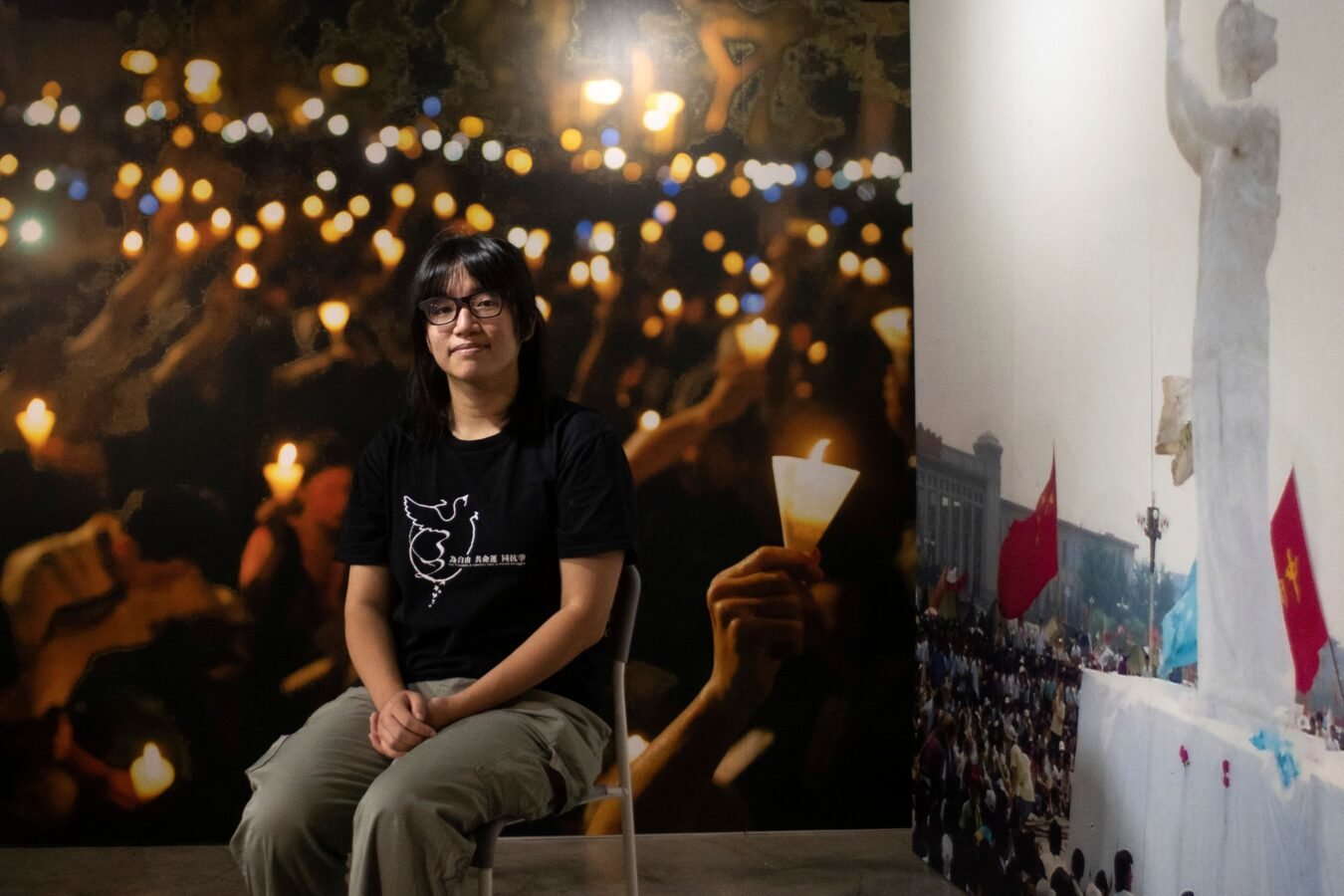
Health authorities said the immediate risk to the local population remains low, emphasizing that no confirmed cases of Ebola have ever been recorded in Hong Kong.
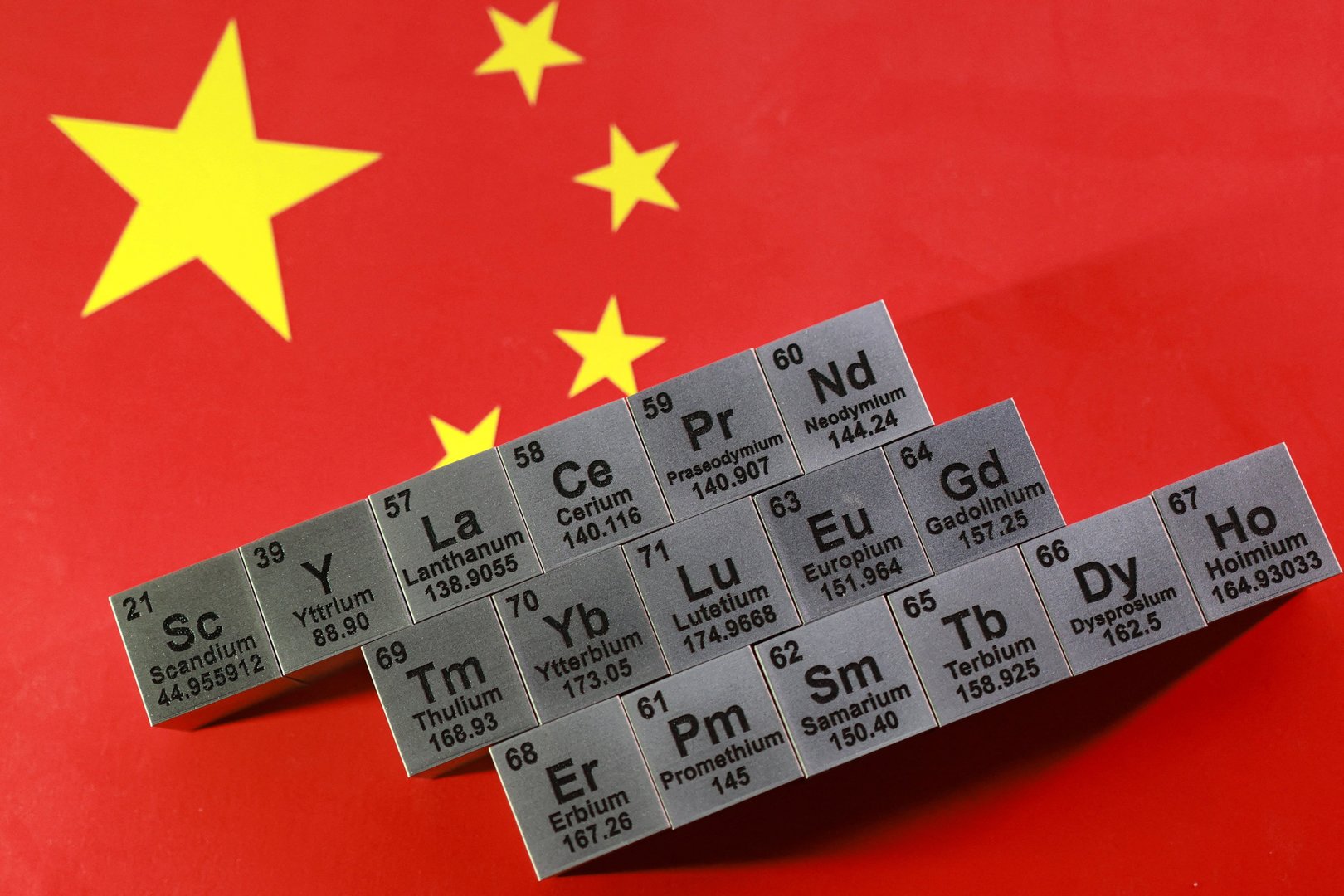
Despite this, officials framed the response as part of a broader preparedness strategy for a globalised city with high volumes of international travel, where infectious diseases can be rapidly imported through air traffic.

The screening measures include strengthened monitoring of arriving passengers, expanded public health messaging, and reinforced airport protocols designed to identify symptomatic travellers or individuals with potential exposure histories.

These steps reflect standard containment practices used internationally when Ebola flare-ups occur, particularly in regions with frequent cross-border movement.

Ebola virus disease is a severe and often fatal illness transmitted through direct contact with infected bodily fluids.

Outbreaks typically originate in Central or West Africa and are periodically declared emergencies when transmission expands beyond isolated clusters.

The World Health Organization’s classification as a global public health emergency signals heightened international coordination and resource mobilisation to contain spread.

Hong Kong’s response is also shaped by its status as a dense international transit hub, where health authorities must balance openness to global travel with rapid containment capacity for high-consequence infectious diseases.

Past global outbreaks, including SARS and COVID-19, have reinforced the city’s reliance on early border-level detection systems as a first line of defense.

Officials stressed that the current measures are precautionary rather than reactive to any detected case.

The emphasis is on early identification and containment at entry points rather than domestic intervention, reflecting the absence of local transmission risk.

At the same time, public health agencies have expanded education campaigns aimed at increasing awareness of Ebola symptoms and transmission pathways, particularly among airport personnel and frontline health workers who are more likely to encounter initial cases if imported.

The policy shift underscores a broader pattern in global health governance, where outbreaks in one region trigger immediate precautionary responses in distant but globally connected cities.

For Hong Kong, the current strategy reinforces its long-standing approach of maintaining continuous epidemic readiness, even in the absence of domestic cases, as international disease dynamics remain unpredictable.

The strengthened screening regime at the airport now forms the operational frontline of that strategy, designed to detect potential threats early and prevent any escalation into local transmission within one of the world’s busiest air travel hubs.
Investment officials say hundreds of firms are expanding in the city as leaders point to stabilising US-China ties and a shifting global economic order.
SYSTEM-DRIVEN dynamics in global trade and geopolitics are reshaping Hong Kong’s economic strategy as officials move to position the city as a hub for capital flows amid a temporary easing in US-China tensions.

More than three hundred and ten enterprises from mainland China and overseas have established or expanded operations in Hong Kong so far in twenty twenty six, according to data released by the government agency responsible for attracting foreign investment.

These companies have brought in more than twenty six billion Hong Kong dollars, or about three point three billion United States dollars, in initial-year capital inflows, highlighting continued corporate interest in using the city as a regional base.

The investment push comes as senior officials in Hong Kong frame the latest phase of US-China relations as a period of relative stabilisation following high-level diplomatic engagement between Washington and Beijing.

The most recent summit between US President Donald Trump and Chinese President Xi Jinping resulted in an agreement described as a commitment to a “constructive Sino-US relationship with strategic stability,” setting the tone for near-term expectations of reduced volatility in bilateral economic ties.

Alpha Lau, the director general of InvestHK, the government agency responsible for foreign investment promotion, said in public remarks that Hong Kong must adapt to a shifting international order and actively capture emerging opportunities.

Her comments reflect a broader policy narrative in which Hong Kong is positioned not only as a gateway between China and global markets but also as a beneficiary of diversification in global supply chains.

Lau said market participants generally expect Sino-US relations to remain stable for a period, potentially extending through upcoming diplomatic milestones, including the possibility of further high-level meetings between the two countries.

This expectation, she suggested, is already influencing corporate decisions about regional expansion and financial structuring.

Her remarks also pointed to a structural shift in global trade patterns, arguing that the United States is no longer the sole anchor of global manufacturing and demand.

Instead, she described an emerging environment in which countries across Southeast Asia, Africa, and other regions are strengthening economic ties with China, contributing to a more multipolar trade system.

This framing aligns with broader Chinese policy narratives about diversification away from dependence on any single market.

The economic implications for Hong Kong are tied to its role as a financial and legal intermediary within China’s wider economic ecosystem.

As companies seek to navigate regulatory differences and geopolitical uncertainty, the city’s established infrastructure for cross-border finance, listing, and arbitration remains a key draw, particularly for firms managing exposure to both Western and Chinese markets.

At the same time, the stabilisation narrative carries inherent limits.

Even with reduced immediate tension, structural competition between the United States and China over technology, trade standards, and strategic industries continues to shape corporate planning.

For businesses operating in Hong Kong, the current environment represents not a resolution but a recalibration of risk.

The combination of rising investment inflows and cautious diplomatic optimism has therefore created a narrow window in which Hong Kong is attempting to reinforce its relevance as an international business hub.

That effort now depends on whether geopolitical stability holds long enough for firms to convert short-term confidence into durable regional commitments.
A sweeping French vote to streamline the return of looted cultural artefacts revives unresolved questions about colonial-era plunder, with China’s most iconic losses once again at the center of global cultural politics.
France’s cultural restitution framework has shifted in a way that directly reopens long-standing disputes over colonial-era looting, after lawmakers approved legislation designed to streamline the return of artefacts taken under imperial and wartime conditions.

The vote, which passed without opposition in the National Assembly, is being described as a structural change in how France handles objects removed from their countries of origin during periods of conquest and colonial expansion.

At the center of the renewed debate is the legacy of the 1860 destruction of Beijing’s Old Summer Palace, known as Yuanmingyuan, when Anglo-French forces looted and burned one of the Qing dynasty’s most important imperial sites.

The destruction remains one of the most symbolically charged episodes in China’s national memory of the so-called “Century of Humiliation,” and its surviving artefacts are scattered across museums and private collections in Europe.

The new French legislation is intended to simplify what has historically been a slow, case-by-case legal process for returning cultural property held in national collections.

Until now, restitution required specific parliamentary authorization for each object, making returns rare, politically sensitive, and legally complex.

The reform signals an attempt to move from ad hoc decisions toward a more standardized mechanism, though each return still requires legal justification under French public property rules.

The symbolic weight of the law was amplified by references to Victor Hugo, the French writer who in exile condemned the destruction of Yuanmingyuan in the nineteenth century and criticized France’s role in the looting.

His writings have long been cited in Chinese discourse on cultural loss as an early European acknowledgment of the moral dimensions of imperial plunder.

The invocation of Hugo during the legislative process underscored how historical memory continues to shape present-day policy choices.

For China, the issue is not merely cultural but deeply tied to national identity and historical sovereignty.

Objects taken from Yuanmingyuan and other imperial sites are viewed not as isolated artefacts but as fragments of a systematically dismantled cultural heritage.

Efforts by Chinese institutions and diplomats to recover such items have intensified over recent decades, often focusing on high-profile auctions and museum holdings in Europe and North America.

The French reform arrives amid broader international pressure on museums and governments to reassess collections acquired during colonial expansion.

Institutions across Europe have begun returning artefacts to African and Asian countries, though progress remains uneven and often dependent on bilateral agreements rather than binding international norms.

France has positioned itself as one of the more active European states in addressing restitution claims, but the scale of historical holdings means disputes are likely to persist for decades.

Analysts note that the key tension lies between legal ownership under current national laws and moral claims rooted in historical injustice.

Museums argue that collections are part of global heritage accessible to international audiences, while claimant states argue that possession itself is the result of coercive historical conditions that cannot be separated from legitimacy.

In practical terms, the new French law accelerates the administrative pathway for returning artefacts but does not automatically determine which objects will be repatriated.

Each case will still require political and legal validation, meaning that high-value or symbolically significant objects—particularly those linked to imperial plunder in China—are likely to remain contested.

What is now clear is that restitution has moved from symbolic gesture to structural policy.

The approval of a streamlined mechanism means future claims will be processed more predictably, and pressure will increase on major European institutions holding artefacts from colonial contexts.

The balance between preservation of universal museum collections and recognition of historical dispossession has entered a more formal and accelerated phase, with legal infrastructure now catching up to decades of political and cultural dispute.
Lawmakers and defense officials highlight China’s expanding missile forces as Washington seeks renewed arms control pressure during high-stakes diplomacy with Beijing
A US Senate hearing on nuclear deterrence has intensified scrutiny of China’s expanding strategic arsenal just hours before high-level talks between US President Donald Trump and Chinese President Xi Jinping, sharpening the geopolitical backdrop to already strained US–China relations.

What is confirmed is that the Senate Armed Services Committee convened a hearing focused on US nuclear deterrence posture and long-term modernization planning, drawing testimony related to the Department of Energy and the National Nuclear Security Administration’s nuclear security programs.

The session formed part of a broader review tied to the fiscal year 2027 defense authorization process and long-range nuclear force planning.

During the hearing, Senator Roger Wicker, the Republican chair of the committee, described China as undergoing what he called an “unprecedented nuclear expansion.” He cited the construction of large numbers of new missile silos, expansion of mobile ballistic missile forces, and development of sea-based and air-based nuclear delivery systems.

These remarks reflect a growing consensus in US defense planning circles that China is rapidly narrowing the gap in strategic nuclear capabilities.

The timing of the hearing is significant.

It took place shortly before scheduled bilateral meetings between Trump and Xi, placing nuclear competition and arms control concerns at the center of diplomatic engagement.

The US delegation to the talks includes senior defense and national security officials, signaling that military deterrence issues are expected to be part of broader strategic discussions.

China’s nuclear modernization program has been underway for several years and includes the expansion of intercontinental ballistic missile infrastructure, increased deployment of road-mobile missile systems, and improvements in submarine-launched ballistic missile capability.

The US assessment is that these developments are aimed at ensuring a more survivable second-strike capability and increasing strategic leverage in any future conflict scenario.

US officials and lawmakers have increasingly framed China’s buildup as a structural shift in global nuclear balance rather than incremental modernization.

The concern is not only the size of the arsenal but also the speed of expansion, which has reportedly accelerated compared with previous decades of relatively limited growth.

The hearing also highlighted the status of global arms control frameworks.

The New Strategic Arms Reduction Treaty, the last remaining major bilateral nuclear arms control agreement between the United States and Russia, has effectively lapsed in its original form, and efforts to bring China into a trilateral arms control structure have so far made no progress.

Washington has repeatedly called for Beijing to join future arms limitation talks, but China has maintained that its arsenal remains far smaller than those of the United States and Russia and therefore does not fall under the same obligations.

The strategic context is further complicated by renewed debate inside Washington over US nuclear policy itself, including modernization of warheads, delivery systems, and missile defense.

These issues are now increasingly linked to broader great-power competition rather than Cold War-era bilateral deterrence logic.

The convergence of the Senate hearing and the Trump–Xi meeting underscores the extent to which nuclear strategy has returned to the center of US–China relations.

While diplomatic engagement continues, both sides are simultaneously expanding and modernizing their strategic forces, shaping a security environment defined less by arms limitation than by accelerated competition.

The immediate consequence of the hearing is an increased political push in Washington to treat China’s nuclear expansion as a central national security priority, feeding directly into upcoming defense budgeting decisions and the posture adopted during ongoing US–China negotiations.
Proposed BBG(X) nuclear-powered strike ships aimed at China deterrence face questions over cost, survivability, and industrial feasibility
The United States Navy’s long-term shipbuilding strategy has placed a proposed new class of nuclear-powered surface combatants at the center of an emerging debate over maritime deterrence against China, raising questions about cost, vulnerability, and industrial capacity.

What is confirmed is that the Navy has outlined a multi-decade shipbuilding framework extending to 2055 that includes a concept for a large guided-missile warship designated BBG(X), described as a “strike-centric arsenal ship.” The program envisions up to fifteen vessels, with initial procurement funding targeted for the late 2020s and first delivery in the mid-2030s.

The ship concept has been publicly linked to the label “Trump-class battleship” in political and media discourse, although the official designation centers on the BBG(X) program rather than a finalized class name.

The Navy has indicated that the vessels would be nuclear-powered, a choice framed as enabling greater range, sustained high-speed operations, and increased capacity for advanced missile systems.

The strategic intent behind the program reflects growing U.S. military focus on potential high-intensity conflict in the Indo-Pacific, particularly involving China’s expanding naval and missile capabilities.

The proposed ships are intended to function as heavily armed surface platforms capable of delivering large volumes of long-range precision firepower.

However, defense analysts and maritime specialists have raised significant concerns about the viability of the concept.

A central criticism is survivability in a modern contested maritime environment, where anti-ship ballistic missiles, long-range cruise missiles, and advanced surveillance networks could make large surface combatants highly detectable and vulnerable.

Another major issue is cost.

Nuclear-powered surface warships require complex propulsion systems, specialized maintenance infrastructure, and highly trained personnel.

Critics argue that the lifetime operating and sustainment costs could significantly exceed those of smaller distributed naval platforms such as submarines, unmanned surface vessels, or networked destroyers.

Industrial capacity also presents a structural constraint.

U.S. shipyards already face bottlenecks in producing and maintaining existing classes of submarines and surface combatants.

Expanding production to include a new class of nuclear-powered large surface ships would require additional workforce expansion, supplier scaling, and nuclear-qualified shipbuilding expertise, all of which are long-lead challenges.

The Navy’s broader “Golden Fleet” concept reflects a shift toward integrating new propulsion systems, increased missile density per platform, and longer-range operational endurance across its surface force.

But the introduction of a new capital ship category has reopened longstanding debates over whether concentrated high-value warships remain viable in an era of distributed sensing and precision strike warfare.

The program is still in a conceptual and planning phase, with formal procurement decisions expected in the late 2020s.

Whether the BBG(X) design proceeds as envisioned will depend on budget decisions, technological validation, and assessments of survivability against rapidly evolving anti-access and area-denial systems.

The outcome of those decisions will shape whether the United States commits to rebuilding a high-end surface battle fleet or pivots further toward distributed, lower-signature naval architectures designed to reduce exposure in contested waters.
The Great Western Exit: Why Best Citizens Are Fleeing the Rich World [PODCAST]
The New Robber Barons of Intelligence: Are AI Bosses More Powerful Than Rockefeller?
The End of the Old Order [Podcast]
The AI Gold Rush Is Coming for America’s Last Open Spaces [Podcast]
The Pentagon’s AI Squeeze: Eight Tech Giants Get In, Anthropic Gets Shut Out [Podcast]
AI Isn’t Stealing Your Job. It’s Dismantling It Piece by Piece.
Why Big Tech is betting on Thailand [Podcast]
Kennedy’s Quiet War on Antidepressants Sparks Alarm Across America’s Medical Establishment
Why Global Tech Is Betting On Thailand
KPMG Cuts Around 10% of US Audit Partners After Failed Exit Push
French Police Probe Suspected Weather-Data Tampering After Unusual Polymarket Bets on Paris Temperatures
CATL Unveils Revolutionary EV Battery Tech: 1000 km Range and 7-Minute Charging Ahead of Beijing Auto Show
Changi Airport: How Singapore Engineered the World’s Most Efficient Travel Experience
Italy’s €100K Tax Gambit: Europe’s Soft Power Tax Haven
Travel on all public transport in the Australian state of Victoria will be free in May and then half price for the remainder of this year as the government ramps up help for consumers battling high fuel costs
News Roundup
Zhejiang China Commodities City Group Eyes Hong Kong IPO to Drive Global Expansion
Chinese Healthcare Stocks Surge in Hong Kong as Middle East Tensions Rattle Markets
Hong Kong to Channel Diesel Subsidies Directly to Oil Firms Amid Oversight Concerns
Hong Kong to Host Major Wiki Finance Expo 2026 Showcasing Fintech and Web3 Innovation
Hong Kong Police Arrest Suspect in Major Patient Data Leak Affecting Tens of Thousands
ISOPT Gears Up for Joint Scientific Meeting Across Shenzhen and Hong Kong
Hong Kong Tunnel Toll Cuts Leave Taxi Passengers Without Fare Relief
Hong Kong’s Dining Scene Shines with Must-Visit Restaurants This April
Hong Kong Awards First Stablecoin Licences to Major Banking Players
From Factory Floor to Fortune: Hong Kong Worker Rises to Global Wealth Elite
Hong Kong Laundry Businesses Struggle as Rising Oil Prices Drive Costs Higher
Workplace Sexual Harassment Complaints Rise Sharply in Hong Kong
Manycore Targets $130 Million Raise in Hong Kong IPO as Hangzhou Tech Firms Expand
IPO Activity in Mainland China and Hong Kong Shows Renewed Momentum in Early 2026
Hong Kong Urged to Strengthen Resilience Amid Increasingly Complex Global Environment
Norman Foster’s Vision Redefined Hong Kong’s Skyline and Global Trading Architecture
Hong Kong Anti-Corruption Body Emphasizes Clean Governance as Foundation for Sustainable Growth
dentsu Hong Kong and Café de Coral Bring Social Media Energy to Life with Flash-Mob at CON-CON 2026
Hong Kong Dining Scene Showcases Top Quick-Service and Casual Restaurants in 2026 Rankings
Hong Kong Collectors Shift Focus from Ownership to Public Cultural Engagement
Chinese Firm’s Washington Outreach Linked to Trump-Era Networks Yields Policy Breakthrough
Hong Kong PMI Slips Below Growth Threshold as External Pressures Weigh on Business Activity
Hong Kong Surges Ahead of Wall Street and Europe in Global IPO Rankings
Hong Kong Moves to Criminalise Refusal to Provide Passwords in Investigations
Hong Kong Shapes Near-Term Property Outlook Across Greater Bay Area
Liu Wei’s ‘You Like Pork?’ Tops Poly Hong Kong Art Sale at 3.5 Million Dollars
Artificial Intelligence Takes Centre Stage at Hong Kong Technology Fairs
Hongkong Land Executives Increase Holdings Through Senior Management Share Plan
Hong Kong Company Launches Arbitration Against Maersk Over Panama Port Dispute
Hong Kong Urges Foreign Governments to Lift Covid-Era Flight Restrictions
Hong Kong Mortgage Corporation Explores Landmark Digital Bond Offering
Hong Kong Steps Up Scrutiny of Bank Culture in Push for Stronger Financial Governance
Hong Kong Clarifies Digital Currency Strategy, Says It Is Not Competing With US Stablecoins or Digital Yuan
Chinese AI Glasses Firm Rokid Plans Hong Kong IPO to Accelerate Expansion