Industry body HKIC is accelerating adoption of AI and digital systems across construction to improve productivity, safety, and project delivery efficiency
SYSTEM-DRIVEN — the story is driven by a structural transformation in Hong Kong’s construction sector led by the Hong Kong Institute of Construction (HKIC), focusing on the integration of artificial intelligence and digital technologies into industry-wide workflows.
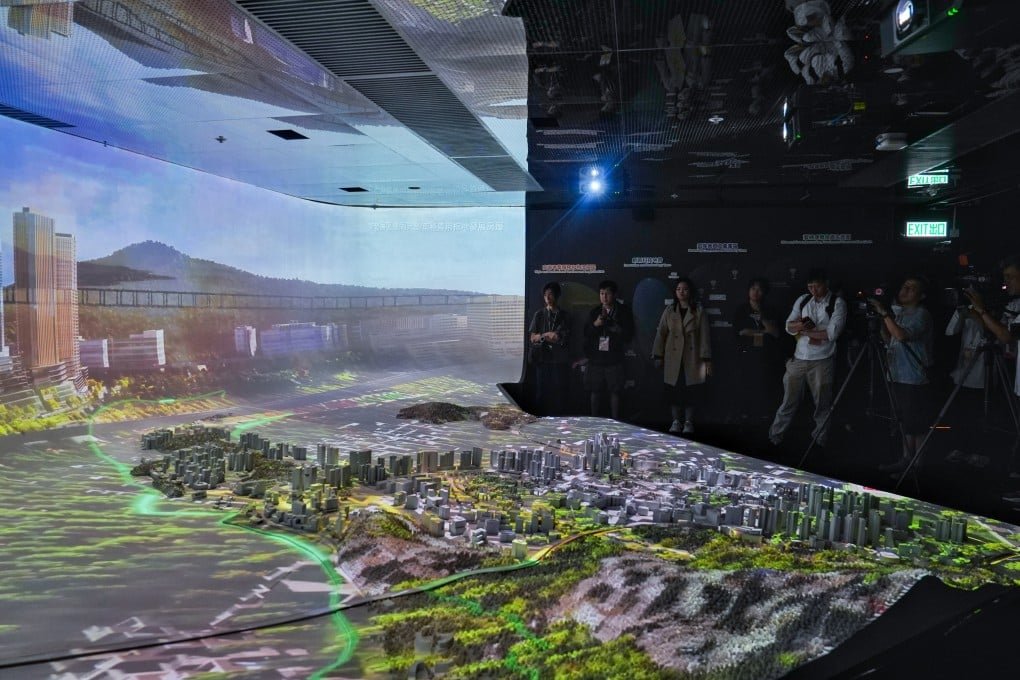
Hong Kong’s construction sector is undergoing a coordinated push toward digital transformation, with the Hong Kong Institute of Construction (HKIC) positioned as a central driver of adoption for artificial intelligence, data analytics, and advanced digital tools across training, project management, and site operations.
What is confirmed is that HKIC is promoting an “AI+” approach to construction, which refers to the integration of artificial intelligence with traditional engineering and construction practices.
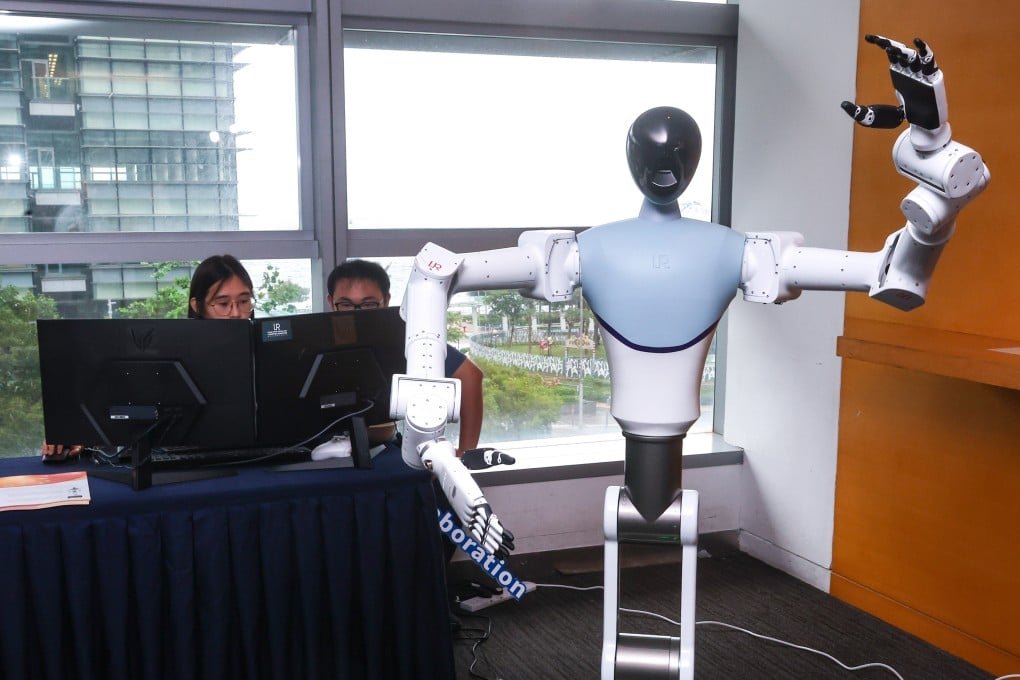
This includes the use of AI-assisted design systems, predictive project scheduling, digital site monitoring, and automated safety analysis tools intended to reduce delays, cost overruns, and workplace risks.
The initiative is being implemented through workforce training programs and industry partnerships designed to upgrade the skills of engineers, technicians, and site supervisors.
These programs focus on equipping workers with the ability to use digital construction platforms, interpret AI-generated insights, and operate increasingly automated construction environments.
The key issue is productivity.
Hong Kong’s construction sector has long faced structural challenges including labor shortages, rising costs, complex urban building constraints, and project delays.
AI integration is being positioned as a tool to address these inefficiencies by improving planning accuracy and enabling more data-driven decision-making at every stage of project delivery.
Digital construction systems under the AI+ framework typically combine building information modeling, real-time site sensor data, and machine learning algorithms to forecast risks such as schedule delays, material shortages, and safety incidents.
This allows project managers to adjust workflows dynamically rather than relying on static planning models.
Safety is a central component of the transformation.
AI-powered monitoring systems can detect unsafe behavior, track site conditions, and flag potential hazards in real time.
This is particularly relevant in Hong Kong’s dense urban construction environment, where projects often occur in confined spaces with high logistical complexity.
HKIC’s role extends beyond training into shaping industry standards and encouraging adoption across contractors, developers, and public infrastructure projects.
By aligning education with industry needs, the institute is attempting to create a pipeline of digitally competent workers capable of operating within AI-enhanced construction environments.
The broader implication is a shift in how construction work is structured.
Rather than being purely labor-intensive and site-based, the sector is moving toward hybrid models where physical construction is increasingly coordinated through digital platforms that integrate planning, execution, and monitoring into a continuous data loop.
This transformation aligns with Hong Kong’s wider push toward smart city development and industrial modernization, where infrastructure delivery is expected to become faster, safer, and more resource-efficient through the use of advanced technologies.
If fully implemented, the AI+ approach would represent a systemic upgrade of construction practices in Hong Kong, embedding digital intelligence into both workforce training and project execution across one of the city’s most critical economic sectors.
Hong Kong’s construction sector is undergoing a coordinated push toward digital transformation, with the Hong Kong Institute of Construction (HKIC) positioned as a central driver of adoption for artificial intelligence, data analytics, and advanced digital tools across training, project management, and site operations.
What is confirmed is that HKIC is promoting an “AI+” approach to construction, which refers to the integration of artificial intelligence with traditional engineering and construction practices.
This includes the use of AI-assisted design systems, predictive project scheduling, digital site monitoring, and automated safety analysis tools intended to reduce delays, cost overruns, and workplace risks.
The initiative is being implemented through workforce training programs and industry partnerships designed to upgrade the skills of engineers, technicians, and site supervisors.
These programs focus on equipping workers with the ability to use digital construction platforms, interpret AI-generated insights, and operate increasingly automated construction environments.
The key issue is productivity.
Hong Kong’s construction sector has long faced structural challenges including labor shortages, rising costs, complex urban building constraints, and project delays.
AI integration is being positioned as a tool to address these inefficiencies by improving planning accuracy and enabling more data-driven decision-making at every stage of project delivery.
Digital construction systems under the AI+ framework typically combine building information modeling, real-time site sensor data, and machine learning algorithms to forecast risks such as schedule delays, material shortages, and safety incidents.
This allows project managers to adjust workflows dynamically rather than relying on static planning models.
Safety is a central component of the transformation.
AI-powered monitoring systems can detect unsafe behavior, track site conditions, and flag potential hazards in real time.
This is particularly relevant in Hong Kong’s dense urban construction environment, where projects often occur in confined spaces with high logistical complexity.
HKIC’s role extends beyond training into shaping industry standards and encouraging adoption across contractors, developers, and public infrastructure projects.
By aligning education with industry needs, the institute is attempting to create a pipeline of digitally competent workers capable of operating within AI-enhanced construction environments.
The broader implication is a shift in how construction work is structured.
Rather than being purely labor-intensive and site-based, the sector is moving toward hybrid models where physical construction is increasingly coordinated through digital platforms that integrate planning, execution, and monitoring into a continuous data loop.
This transformation aligns with Hong Kong’s wider push toward smart city development and industrial modernization, where infrastructure delivery is expected to become faster, safer, and more resource-efficient through the use of advanced technologies.
If fully implemented, the AI+ approach would represent a systemic upgrade of construction practices in Hong Kong, embedding digital intelligence into both workforce training and project execution across one of the city’s most critical economic sectors.