Ribo and Diagens account for a limited but symbolically important start to biotech and medtech fundraising in Hong Kong, underscoring a cautious recovery in high-risk listings.
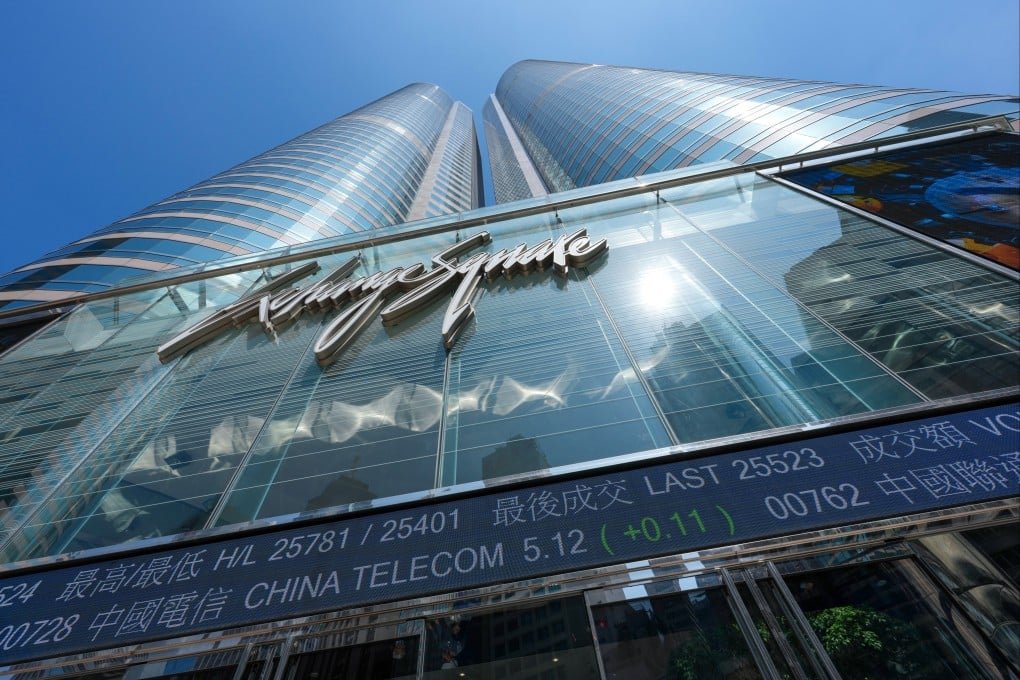
SYSTEM-DRIVEN capital market conditions are shaping the pace and composition of initial public offerings in Hong Kong, particularly in high-risk sectors such as biotechnology and medical technology where investor appetite is closely tied to liquidity cycles, regulatory clarity, and global risk sentiment.
What is confirmed is that two companies, Ribo and Diagens, have been identified as completing or participating in Hong Kong listings in the first quarter of 2026, bringing the total number of biotech and medtech IPOs in the period to two.
While modest in absolute terms, this activity is being closely watched because these sectors have historically served as indicators of risk tolerance in Hong Kong’s equity markets.
The key issue behind this limited IPO volume is not demand alone, but the structural filtering process applied by investors and underwriters.
Biotech and medtech companies typically enter public markets without stable profitability, meaning their valuations depend heavily on clinical data, regulatory approvals, and long-term commercialization potential.
In periods of tighter liquidity or higher global interest rates, investors tend to concentrate capital into fewer, higher-conviction deals rather than broad-based issuance.
Ribo and Diagens represent part of this selective pipeline, where only companies with clearer scientific validation or nearer-term commercialization pathways are able to access public funding.
The concentration of just two IPOs in a quarter reflects that filtering effect rather than a complete absence of issuance capability in the sector.
Hong Kong’s role as a listing venue for biotechnology remains structurally important because it provides access to both international capital and mainland Chinese investors under cross-border schemes.
However, the market has shifted from an earlier phase of rapid expansion in speculative biotech listings toward a more disciplined environment where profitability timelines and clinical milestones are scrutinized more aggressively.
The implications for the sector are twofold.
On one side, successful listings—even if limited in number—signal that capital markets remain open to innovation-driven companies.
On the other, the low volume underscores that financing conditions are still selective, with investors prioritizing risk control over aggressive growth exposure.
For emerging biotech and medtech firms, this environment increases the importance of demonstrating validated research pipelines, regulatory progress, and credible commercialization strategies before attempting to list.
It also places greater emphasis on private funding rounds as a necessary bridge to public markets.
The broader market signal from the first quarter is therefore one of constrained but functioning access to capital.
IPO windows exist, but they are narrow, and only a small subset of companies is able to pass through them under current investor expectations.
What is confirmed is that two companies, Ribo and Diagens, have been identified as completing or participating in Hong Kong listings in the first quarter of 2026, bringing the total number of biotech and medtech IPOs in the period to two.
While modest in absolute terms, this activity is being closely watched because these sectors have historically served as indicators of risk tolerance in Hong Kong’s equity markets.
The key issue behind this limited IPO volume is not demand alone, but the structural filtering process applied by investors and underwriters.
Biotech and medtech companies typically enter public markets without stable profitability, meaning their valuations depend heavily on clinical data, regulatory approvals, and long-term commercialization potential.
In periods of tighter liquidity or higher global interest rates, investors tend to concentrate capital into fewer, higher-conviction deals rather than broad-based issuance.
Ribo and Diagens represent part of this selective pipeline, where only companies with clearer scientific validation or nearer-term commercialization pathways are able to access public funding.
The concentration of just two IPOs in a quarter reflects that filtering effect rather than a complete absence of issuance capability in the sector.
Hong Kong’s role as a listing venue for biotechnology remains structurally important because it provides access to both international capital and mainland Chinese investors under cross-border schemes.
However, the market has shifted from an earlier phase of rapid expansion in speculative biotech listings toward a more disciplined environment where profitability timelines and clinical milestones are scrutinized more aggressively.
The implications for the sector are twofold.
On one side, successful listings—even if limited in number—signal that capital markets remain open to innovation-driven companies.
On the other, the low volume underscores that financing conditions are still selective, with investors prioritizing risk control over aggressive growth exposure.
For emerging biotech and medtech firms, this environment increases the importance of demonstrating validated research pipelines, regulatory progress, and credible commercialization strategies before attempting to list.
It also places greater emphasis on private funding rounds as a necessary bridge to public markets.
The broader market signal from the first quarter is therefore one of constrained but functioning access to capital.
IPO windows exist, but they are narrow, and only a small subset of companies is able to pass through them under current investor expectations.