Regulators are increasing scrutiny of admissions, student composition, and compliance with non-local enrollment rules across Hong Kong’s high-fee international schools, exposing structural tension between global demand and local education policy priorities.
SYSTEM-DRIVEN: The core driver is a regulatory shift in Hong Kong’s education system governing international schools, specifically rules on student composition and enrollment compliance that shape how elite schools operate.
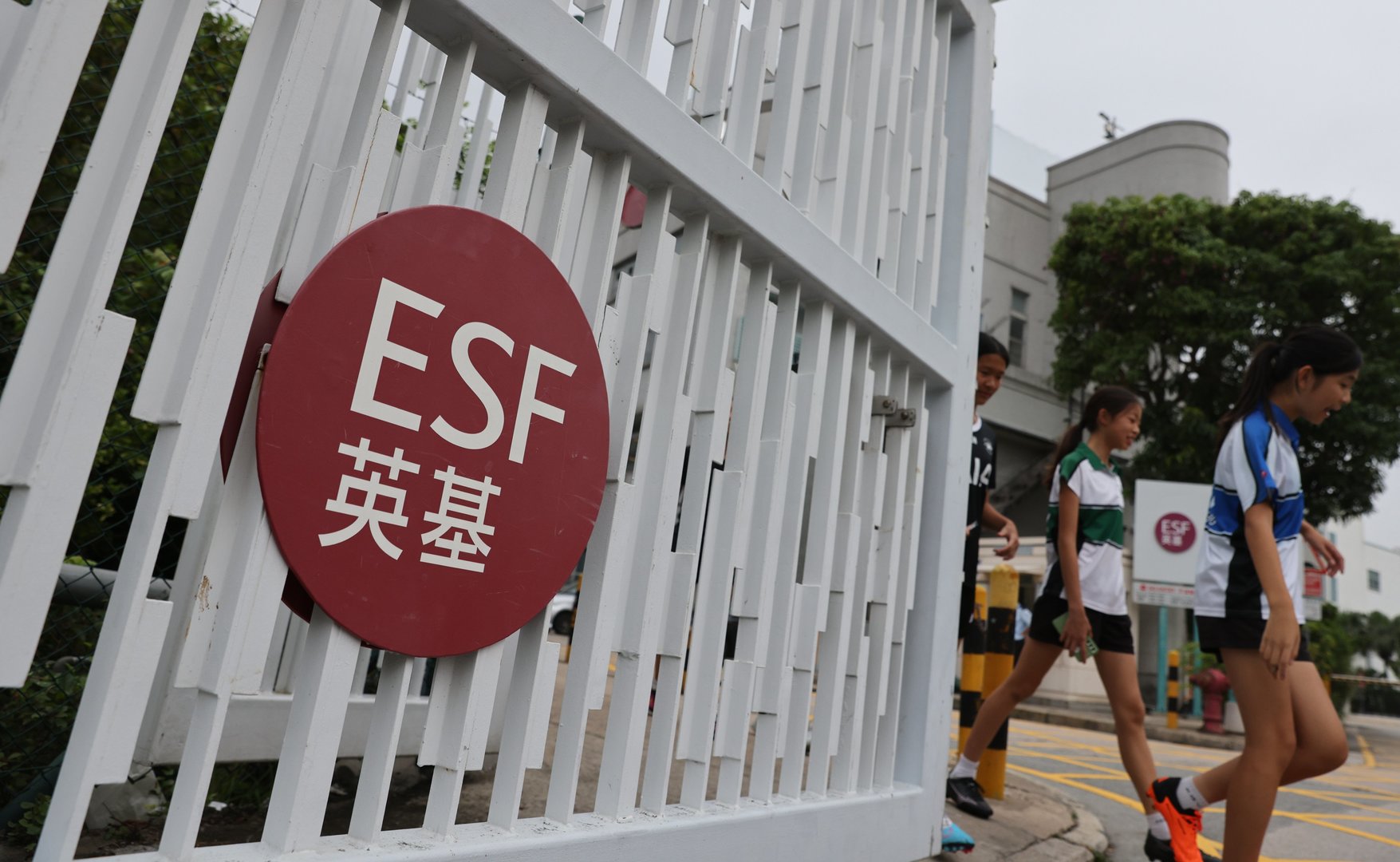
Hong Kong’s international school sector is coming under increased policy pressure as authorities tighten enforcement of long-standing requirements on student demographics and admissions structures.
The policy focus centers on whether elite international schools are maintaining their mandated share of non-local students, a condition originally designed to preserve their role as genuinely international institutions rather than premium local alternatives.
The key issue is structural: international schools in Hong Kong operate under service agreements that require them to maintain a defined proportion of non-local students, typically ranging across different thresholds depending on the institution.
These agreements are intended to ensure that international schools serve expatriate families and globally mobile households, rather than becoming extensions of the local public or subsidized system.
Recent data and policy discussions indicate that multiple major operators have fallen short of these requirements.
In several cases, non-local enrollment has reportedly dropped well below target levels, in some instances falling into the 40 percent range.
One contributing factor is the sustained demand from local families, who increasingly seek international curricula such as the International Baccalaureate or American and British systems due to their perceived advantage in global university admissions.
This shift has created a policy contradiction.
During and after pandemic-related disruptions, schools were allowed greater flexibility in admissions to stabilize finances and maintain enrollment.
That temporary adjustment, however, has had lasting effects: many schools filled seats with local students, and reversing that composition now requires either limiting local admissions or expanding costly recruitment of expatriate families.
The result is a structural bottleneck.
International schools in Hong Kong are operating in an environment of high demand, limited capacity, and regulatory constraints that restrict how they balance their student bodies.
Elite institutions, including some of the city’s most expensive schools, are particularly affected because they are simultaneously oversubscribed by local applicants and obligated to maintain international diversity thresholds.
The implications extend beyond admissions policy.
Schools that fail to meet composition requirements risk closer regulatory oversight and potential pressure to adjust their intake strategies.
This could include tightening admission criteria for local applicants, increasing fees, expanding campus capacity, or restructuring debenture and priority admission systems that currently shape access to top-tier schools.
At the same time, international schools remain a central pillar of Hong Kong’s position as a global financial and professional hub.
They serve multinational corporations, expatriate executives, and mobile professionals whose presence depends on reliable access to internationally recognized education systems.
Any shift in school accessibility or cost structure therefore has direct consequences for the city’s ability to attract and retain foreign talent.
What is confirmed is that Hong Kong’s international school sector is under increasing regulatory attention regarding compliance with non-local enrollment expectations, and that multiple operators are under pressure to adjust admissions structures.
The broader consequence is a tightening of a system that sits at the intersection of education policy, immigration patterns, and Hong Kong’s competitiveness as an international business center.
The immediate outcome is a sector-wide reassessment of admissions balance, as schools attempt to reconcile high local demand with regulatory obligations designed to preserve their international character.
Hong Kong’s international school sector is coming under increased policy pressure as authorities tighten enforcement of long-standing requirements on student demographics and admissions structures.
The policy focus centers on whether elite international schools are maintaining their mandated share of non-local students, a condition originally designed to preserve their role as genuinely international institutions rather than premium local alternatives.
The key issue is structural: international schools in Hong Kong operate under service agreements that require them to maintain a defined proportion of non-local students, typically ranging across different thresholds depending on the institution.
These agreements are intended to ensure that international schools serve expatriate families and globally mobile households, rather than becoming extensions of the local public or subsidized system.
Recent data and policy discussions indicate that multiple major operators have fallen short of these requirements.
In several cases, non-local enrollment has reportedly dropped well below target levels, in some instances falling into the 40 percent range.
One contributing factor is the sustained demand from local families, who increasingly seek international curricula such as the International Baccalaureate or American and British systems due to their perceived advantage in global university admissions.
This shift has created a policy contradiction.
During and after pandemic-related disruptions, schools were allowed greater flexibility in admissions to stabilize finances and maintain enrollment.
That temporary adjustment, however, has had lasting effects: many schools filled seats with local students, and reversing that composition now requires either limiting local admissions or expanding costly recruitment of expatriate families.
The result is a structural bottleneck.
International schools in Hong Kong are operating in an environment of high demand, limited capacity, and regulatory constraints that restrict how they balance their student bodies.
Elite institutions, including some of the city’s most expensive schools, are particularly affected because they are simultaneously oversubscribed by local applicants and obligated to maintain international diversity thresholds.
The implications extend beyond admissions policy.
Schools that fail to meet composition requirements risk closer regulatory oversight and potential pressure to adjust their intake strategies.
This could include tightening admission criteria for local applicants, increasing fees, expanding campus capacity, or restructuring debenture and priority admission systems that currently shape access to top-tier schools.
At the same time, international schools remain a central pillar of Hong Kong’s position as a global financial and professional hub.
They serve multinational corporations, expatriate executives, and mobile professionals whose presence depends on reliable access to internationally recognized education systems.
Any shift in school accessibility or cost structure therefore has direct consequences for the city’s ability to attract and retain foreign talent.
What is confirmed is that Hong Kong’s international school sector is under increasing regulatory attention regarding compliance with non-local enrollment expectations, and that multiple operators are under pressure to adjust admissions structures.
The broader consequence is a tightening of a system that sits at the intersection of education policy, immigration patterns, and Hong Kong’s competitiveness as an international business center.
The immediate outcome is a sector-wide reassessment of admissions balance, as schools attempt to reconcile high local demand with regulatory obligations designed to preserve their international character.