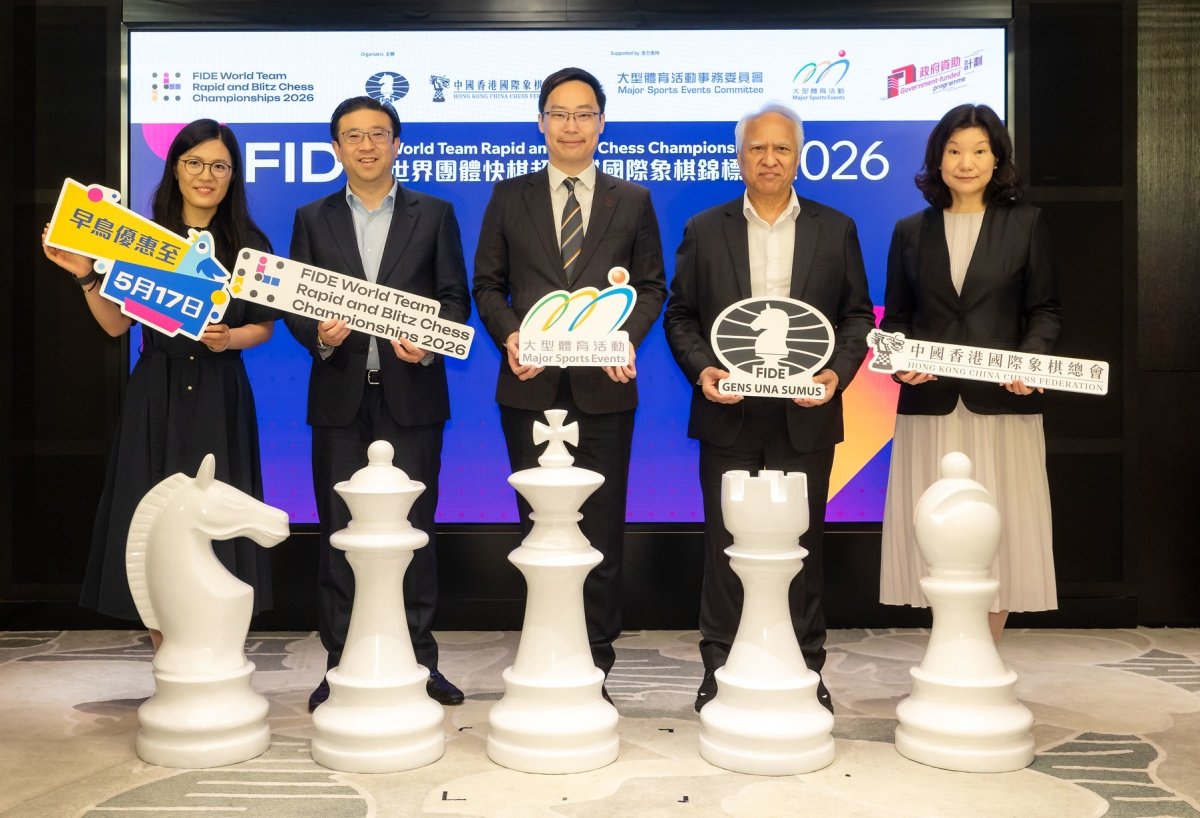
The International Chess Federation’s flagship team rapid and blitz event will be staged in Hong Kong for the first time, bringing over 300 players, expanded prize funds, and a strategic push to anchor elite chess in East Asia.
EVENT-DRIVEN: The core driver of this story is the relocation and staging of the FIDE World Team Rapid and Blitz Chess Championships 2026 in Hong Kong, marking a geographic and strategic expansion of elite competitive chess.
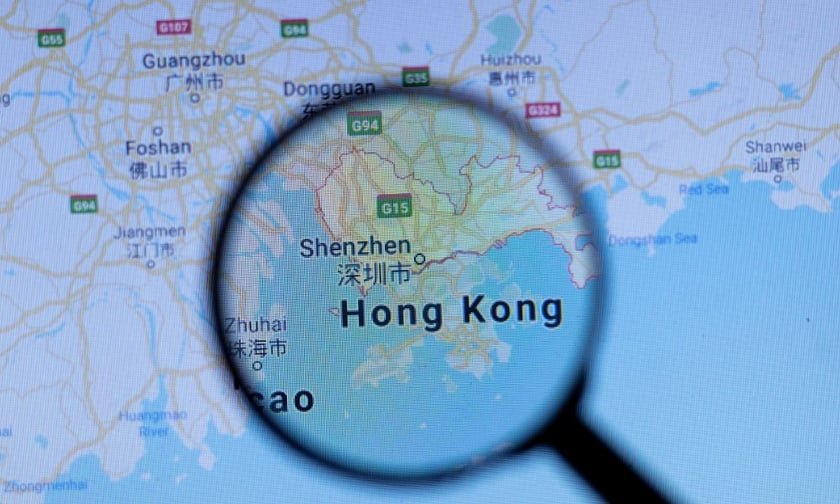
The International Chess Federation (FIDE) has confirmed that the 2026 World Team Rapid and Blitz Chess Championships will be held in Hong Kong from June 16 to June 22, positioning the city as a new focal point for one of the fastest-growing formats in professional chess.
The event brings together elite grandmasters and mixed teams of professionals and amateurs in rapid and blitz formats that prioritize speed, adaptability, and team coordination over traditional classical play.
What is confirmed is that this will be the fourth edition of the championship and its first staging in East Asia.
The tournament will take place at Queen Elizabeth Stadium and is expected to feature more than 300 players across 42 teams representing federations, clubs, and hybrid squads from around the world.
The prize fund totals €500,000, divided between the rapid and blitz segments.
The structure of the competition is central to its identity.
Each team consists of six to nine players and must include at least one female player and one recreational player who has never reached a FIDE rating above 2000. Each match is played across six boards, ensuring that top-ranked grandmasters compete directly alongside lower-rated participants in the same competitive framework.
This hybrid design has become a defining feature of the event and distinguishes it from traditional elite tournaments.
The rapid section will be played over twelve rounds using a Swiss-system format, with a time control of 15 minutes plus a 10-second increment per move.
The blitz section follows a two-stage structure: initial pool play and a knockout phase for the top 16 teams, with time controls of 3 minutes plus a 2-second increment.
The format is designed to produce high volatility, where small errors have immediate consequences and team depth becomes decisive.
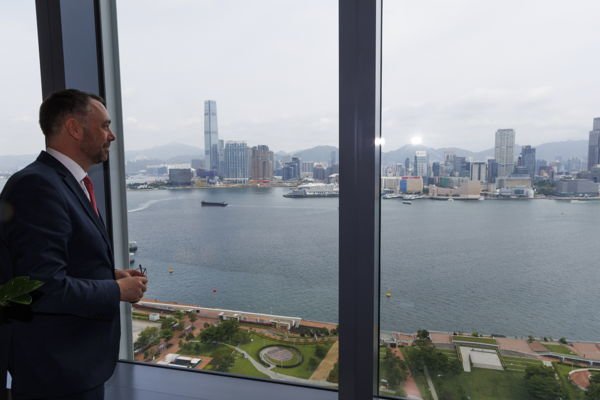
Hong Kong’s selection as host reflects a broader strategic shift in the geography of elite chess.
Previous editions were staged in Europe and Central Asia, and the move to Hong Kong extends FIDE’s effort to expand its competitive footprint into East Asia.
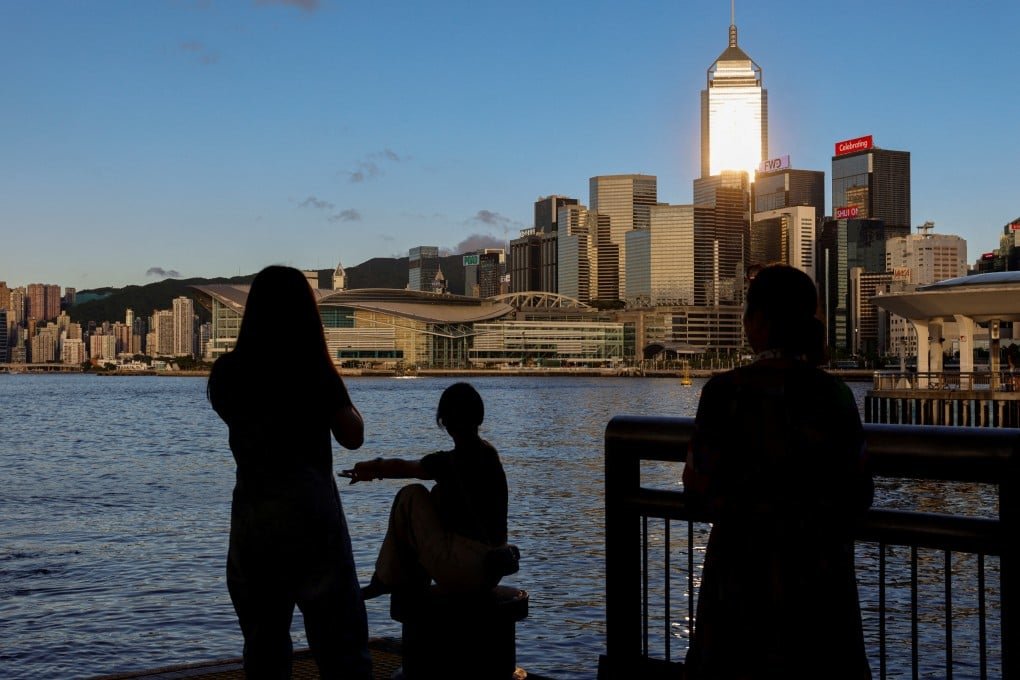
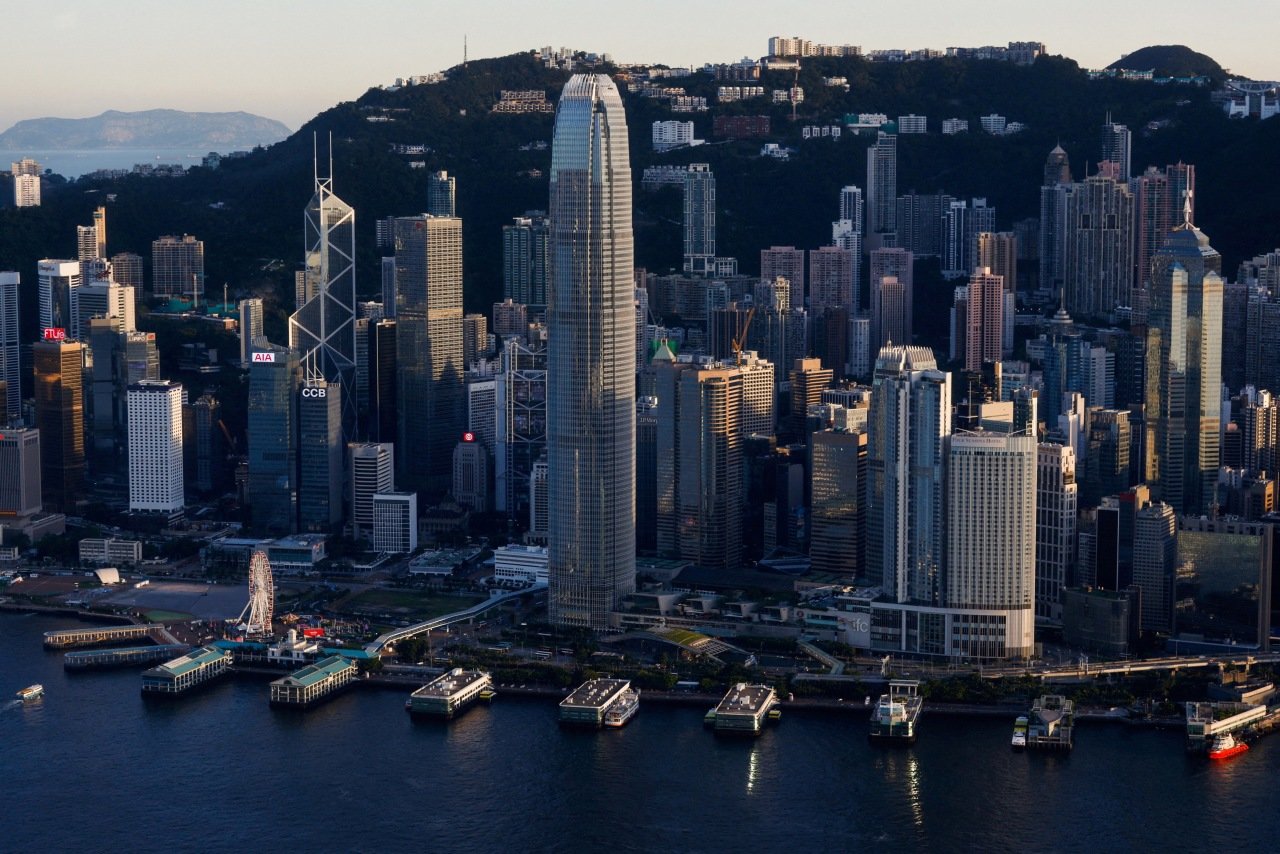
The event is also explicitly linked to the city’s positioning as a global events hub, with officials emphasizing its role in sports tourism and international visibility.
The implications are twofold.
First, the tournament strengthens Hong Kong’s profile as a destination for major international sporting events, aligning with broader policy efforts to attract high-value tourism and global media attention.
Second, it reflects chess’s increasing reliance on hybrid formats that combine professional competition with mass participation, expanding both commercial reach and audience engagement.
The participation model also reshapes competitive dynamics.
By requiring mixed teams that include amateur and professional players, the championship creates structural unpredictability while offering lower-rated players direct exposure to elite competition.
This format has been described by organizers as a way to broaden access while preserving top-level intensity, though it also introduces strategic complexity in team composition and board allocation.
What is confirmed is that team registration is already underway, with global participation expected to span more than fifty countries.
The immediate consequence is that Hong Kong will host one of the largest and most internationally diverse chess events ever staged in the rapid and blitz format, reinforcing its emergence as a central venue in the sport’s evolving global calendar.
The International Chess Federation (FIDE) has confirmed that the 2026 World Team Rapid and Blitz Chess Championships will be held in Hong Kong from June 16 to June 22, positioning the city as a new focal point for one of the fastest-growing formats in professional chess.
The event brings together elite grandmasters and mixed teams of professionals and amateurs in rapid and blitz formats that prioritize speed, adaptability, and team coordination over traditional classical play.
What is confirmed is that this will be the fourth edition of the championship and its first staging in East Asia.
The tournament will take place at Queen Elizabeth Stadium and is expected to feature more than 300 players across 42 teams representing federations, clubs, and hybrid squads from around the world.
The prize fund totals €500,000, divided between the rapid and blitz segments.
The structure of the competition is central to its identity.
Each team consists of six to nine players and must include at least one female player and one recreational player who has never reached a FIDE rating above 2000. Each match is played across six boards, ensuring that top-ranked grandmasters compete directly alongside lower-rated participants in the same competitive framework.
This hybrid design has become a defining feature of the event and distinguishes it from traditional elite tournaments.
The rapid section will be played over twelve rounds using a Swiss-system format, with a time control of 15 minutes plus a 10-second increment per move.
The blitz section follows a two-stage structure: initial pool play and a knockout phase for the top 16 teams, with time controls of 3 minutes plus a 2-second increment.
The format is designed to produce high volatility, where small errors have immediate consequences and team depth becomes decisive.
Hong Kong’s selection as host reflects a broader strategic shift in the geography of elite chess.
Previous editions were staged in Europe and Central Asia, and the move to Hong Kong extends FIDE’s effort to expand its competitive footprint into East Asia.
The event is also explicitly linked to the city’s positioning as a global events hub, with officials emphasizing its role in sports tourism and international visibility.
The implications are twofold.
First, the tournament strengthens Hong Kong’s profile as a destination for major international sporting events, aligning with broader policy efforts to attract high-value tourism and global media attention.
Second, it reflects chess’s increasing reliance on hybrid formats that combine professional competition with mass participation, expanding both commercial reach and audience engagement.
The participation model also reshapes competitive dynamics.
By requiring mixed teams that include amateur and professional players, the championship creates structural unpredictability while offering lower-rated players direct exposure to elite competition.
This format has been described by organizers as a way to broaden access while preserving top-level intensity, though it also introduces strategic complexity in team composition and board allocation.
What is confirmed is that team registration is already underway, with global participation expected to span more than fifty countries.
The immediate consequence is that Hong Kong will host one of the largest and most internationally diverse chess events ever staged in the rapid and blitz format, reinforcing its emergence as a central venue in the sport’s evolving global calendar.