The airport operator is tapping surging Hong Kong dollar debt demand to fund infrastructure expansion, highlighting how local liquidity is reshaping large-scale public investment financing.
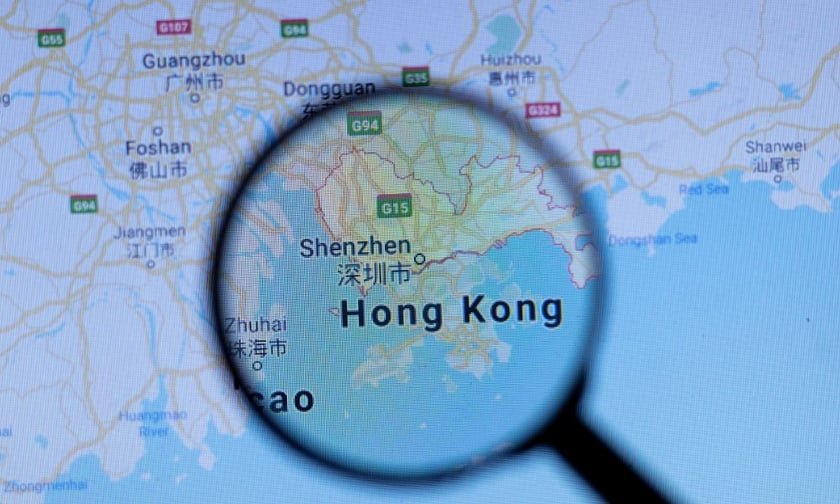
SYSTEM-DRIVEN financial and infrastructure dynamics are shaping how Hong Kong’s major public assets are funded, as the city’s airport operator moves to raise roughly US$1.9 billion through local debt markets to support long-term expansion projects.
What is confirmed is that the Airport Authority Hong Kong is preparing a sizeable debt issuance in Hong Kong dollars, taking advantage of strong investor demand for high-quality local currency bonds.
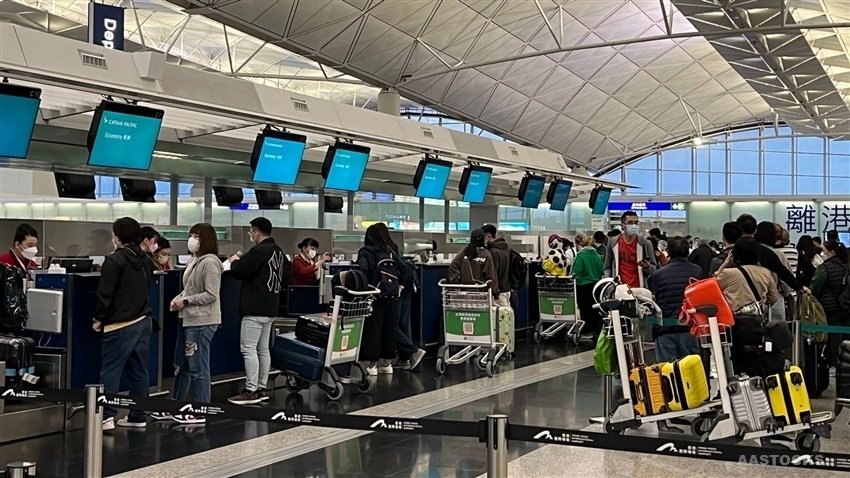
The financing is intended to support ongoing infrastructure development, including capacity expansion and upgrades designed to reinforce Hong Kong International Airport’s role as a regional aviation hub.
The key mechanism behind this financing decision is a sustained boom in Hong Kong’s local debt market, where institutional investors, insurers, and banks have shown strong appetite for high-grade paper.
This demand has created favorable borrowing conditions for large public-sector issuers, enabling them to secure long-term funding at comparatively stable costs despite global interest rate volatility.
The airport’s funding strategy reflects the capital intensity of aviation infrastructure.
Major airport systems require continuous investment in runways, terminals, logistics infrastructure, and digital systems to maintain throughput capacity and competitiveness.
In Hong Kong’s case, this pressure is heightened by its position as a gateway between mainland China and international markets, where cargo and passenger demand remain structurally significant.
The planned issuance also signals a broader shift in funding strategy among Hong Kong public infrastructure bodies, which are increasingly relying on domestic bond markets rather than external borrowing or direct government funding.
This reduces foreign exchange exposure and aligns long-term liabilities with local currency revenue streams generated through aviation fees, retail operations, and logistics services.
The backdrop is a regional infrastructure financing environment where liquidity is concentrated but selective.
High-quality issuers such as government-linked entities benefit from investor preference for stability and predictable returns, particularly in periods of global financial uncertainty.
This has allowed large-scale projects to proceed without immediate fiscal pressure on central budgets.
The implications extend beyond financing mechanics.
By deepening reliance on local debt markets, Hong Kong is reinforcing its role as a regional financial hub capable of absorbing large-scale infrastructure funding needs internally.
At the same time, it strengthens the integration between capital markets and strategic public assets, where bond performance and investor sentiment can indirectly influence long-term development timelines.
If completed as planned, the US$1.9 billion fundraising will provide the airport operator with significant liquidity to advance expansion projects that are central to maintaining capacity and competitiveness in one of the world’s busiest aviation nodes.
What is confirmed is that the Airport Authority Hong Kong is preparing a sizeable debt issuance in Hong Kong dollars, taking advantage of strong investor demand for high-quality local currency bonds.
The financing is intended to support ongoing infrastructure development, including capacity expansion and upgrades designed to reinforce Hong Kong International Airport’s role as a regional aviation hub.
The key mechanism behind this financing decision is a sustained boom in Hong Kong’s local debt market, where institutional investors, insurers, and banks have shown strong appetite for high-grade paper.
This demand has created favorable borrowing conditions for large public-sector issuers, enabling them to secure long-term funding at comparatively stable costs despite global interest rate volatility.
The airport’s funding strategy reflects the capital intensity of aviation infrastructure.
Major airport systems require continuous investment in runways, terminals, logistics infrastructure, and digital systems to maintain throughput capacity and competitiveness.
In Hong Kong’s case, this pressure is heightened by its position as a gateway between mainland China and international markets, where cargo and passenger demand remain structurally significant.
The planned issuance also signals a broader shift in funding strategy among Hong Kong public infrastructure bodies, which are increasingly relying on domestic bond markets rather than external borrowing or direct government funding.
This reduces foreign exchange exposure and aligns long-term liabilities with local currency revenue streams generated through aviation fees, retail operations, and logistics services.
The backdrop is a regional infrastructure financing environment where liquidity is concentrated but selective.
High-quality issuers such as government-linked entities benefit from investor preference for stability and predictable returns, particularly in periods of global financial uncertainty.
This has allowed large-scale projects to proceed without immediate fiscal pressure on central budgets.
The implications extend beyond financing mechanics.
By deepening reliance on local debt markets, Hong Kong is reinforcing its role as a regional financial hub capable of absorbing large-scale infrastructure funding needs internally.
At the same time, it strengthens the integration between capital markets and strategic public assets, where bond performance and investor sentiment can indirectly influence long-term development timelines.
If completed as planned, the US$1.9 billion fundraising will provide the airport operator with significant liquidity to advance expansion projects that are central to maintaining capacity and competitiveness in one of the world’s busiest aviation nodes.