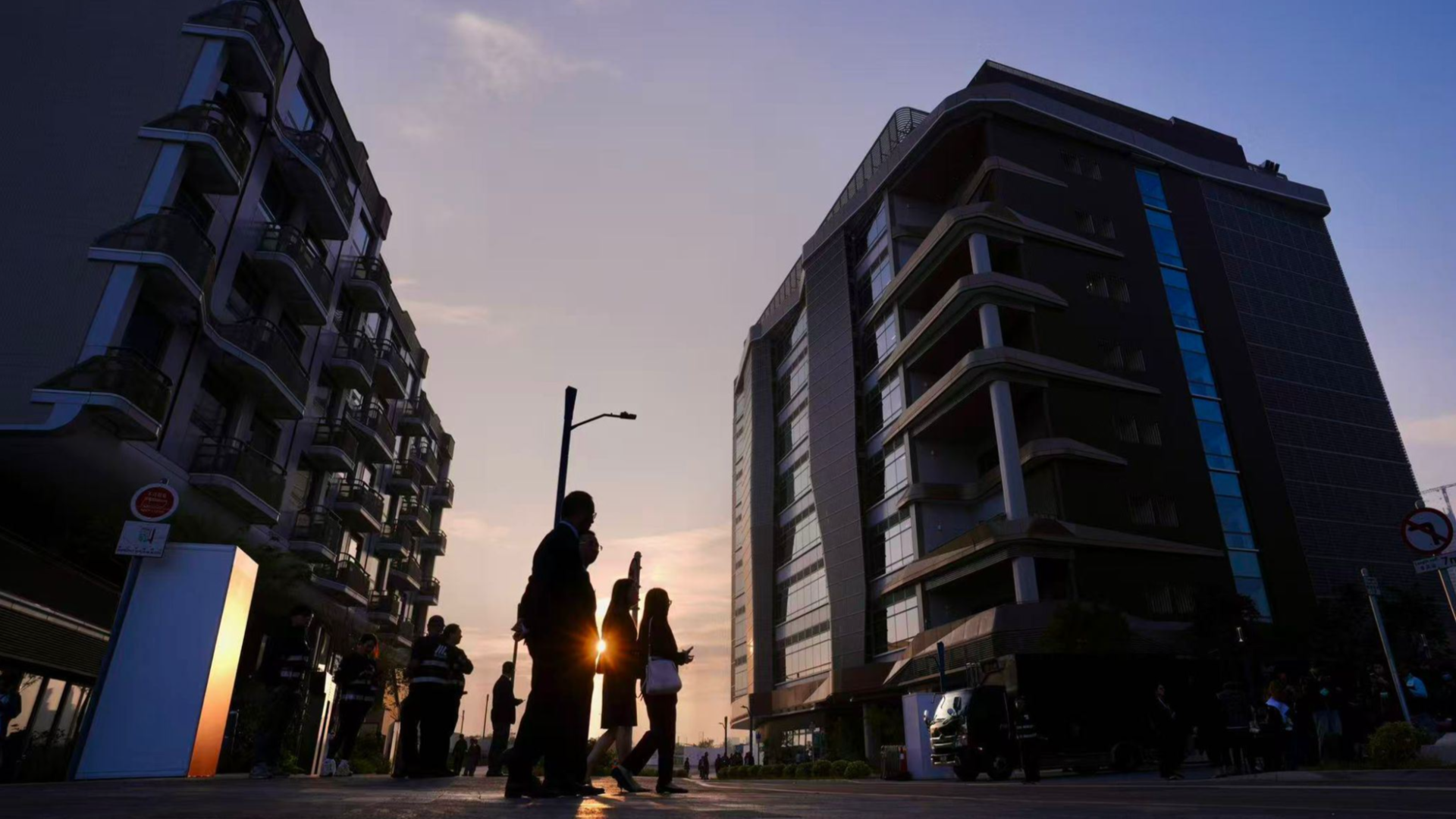
A rebound in ultra-prime property transactions signals renewed appetite from wealthy buyers despite broader weakness in Hong Kong’s real estate sector.
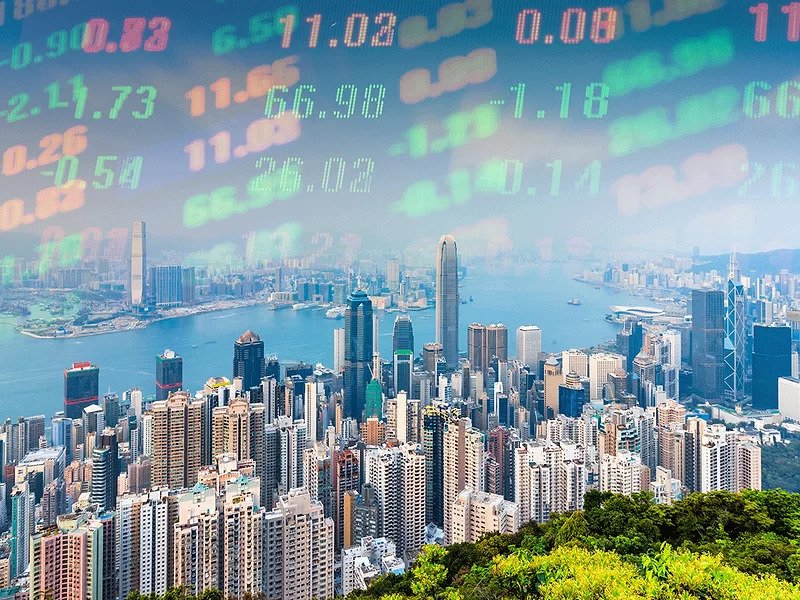
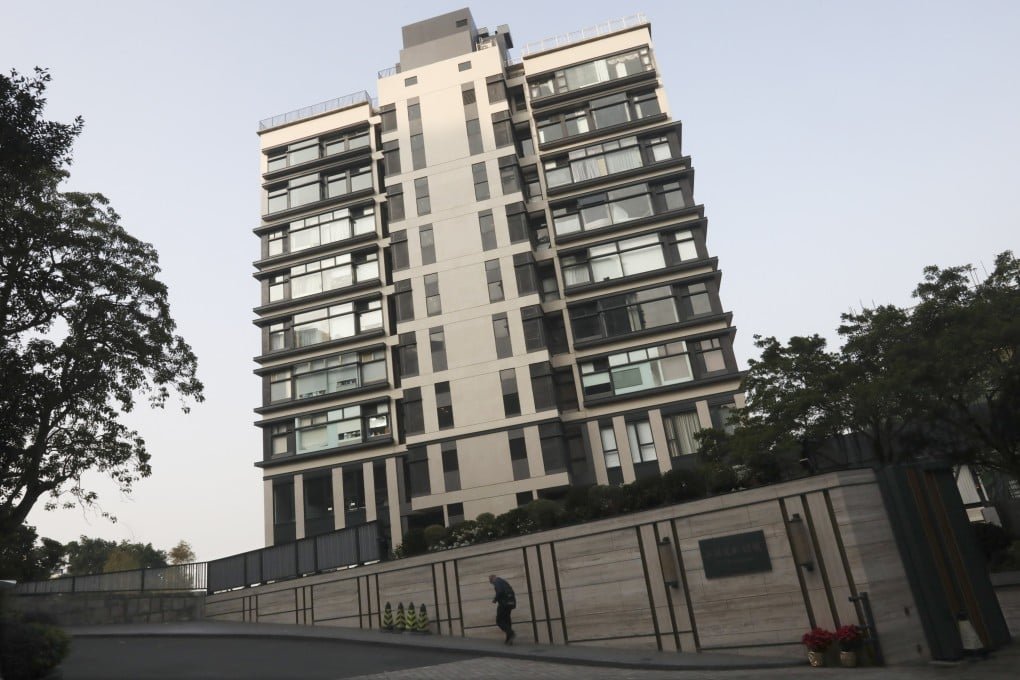
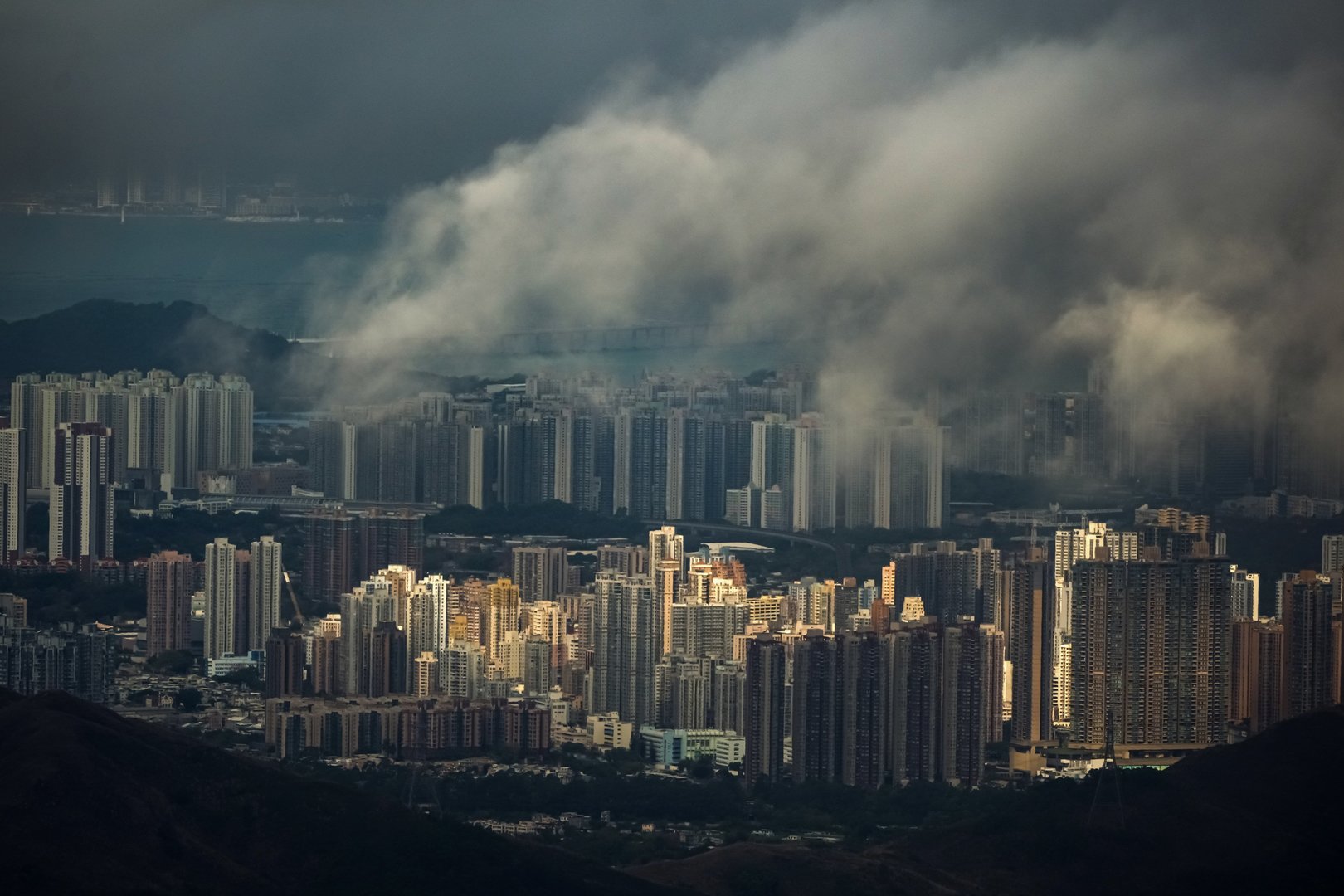
SYSTEM-DRIVEN dynamics in Hong Kong’s property market are driving a renewed surge in ultra-luxury condominium sales, with multiple recent transactions reaching eight-figure price levels in Hong Kong dollars and signaling selective strength in the city’s high-end residential segment.
What is confirmed is that Hong Kong’s luxury condominium market has recorded a noticeable uptick in high-value transactions, particularly in the super-prime segment where individual units are selling for tens of millions of Hong Kong dollars.
These deals are concentrated in developments targeting wealthy domestic buyers, mainland Chinese investors, and international capital seeking stable luxury assets.
The surge stands in contrast to broader conditions in Hong Kong’s residential property market, which has experienced price corrections and weaker transaction volumes over the past two years.
Rising interest rates, tighter credit conditions, and slower economic growth have weighed on mid-tier housing demand, but the ultra-luxury segment has shown greater resilience.
At the core of the current trend is a mismatch between constrained supply and sustained demand for trophy assets.
Developers have been selectively releasing high-end units in prime districts, often with premium pricing justified by location, design, and exclusivity.
These properties tend to be less sensitive to short-term financing conditions because buyers are more likely to be cash-rich or internationally diversified investors.
Mainland Chinese buyers remain a key driver of demand, although their purchasing behavior has become more selective compared to previous cycles.
Wealth preservation concerns, capital allocation strategies, and cross-border financial planning continue to influence buying decisions, with Hong Kong still viewed as a relatively stable and legally predictable market for luxury real estate investment.
Developers have responded by emphasizing scarcity and branding, positioning luxury condominiums as both residential assets and long-term stores of value.
Marketing strategies increasingly focus on lifestyle positioning, privacy, and institutional-grade property management rather than speculative resale gains.
Despite the strength in the top tier, analysts note that the luxury rebound does not reflect a broad-based recovery.
The mid-market remains under pressure, with higher borrowing costs and weaker affordability constraining demand.
This divergence has created a bifurcated market structure where ultra-prime properties outperform while mass-market segments lag.
The immediate consequence is a widening gap between luxury and standard residential performance within Hong Kong’s property sector.
The longer-term implication is a more segmented market in which high-end real estate behaves increasingly like a global asset class, driven by cross-border capital flows rather than local housing fundamentals.
What is confirmed is that Hong Kong’s luxury condominium market has recorded a noticeable uptick in high-value transactions, particularly in the super-prime segment where individual units are selling for tens of millions of Hong Kong dollars.
These deals are concentrated in developments targeting wealthy domestic buyers, mainland Chinese investors, and international capital seeking stable luxury assets.
The surge stands in contrast to broader conditions in Hong Kong’s residential property market, which has experienced price corrections and weaker transaction volumes over the past two years.
Rising interest rates, tighter credit conditions, and slower economic growth have weighed on mid-tier housing demand, but the ultra-luxury segment has shown greater resilience.
At the core of the current trend is a mismatch between constrained supply and sustained demand for trophy assets.
Developers have been selectively releasing high-end units in prime districts, often with premium pricing justified by location, design, and exclusivity.
These properties tend to be less sensitive to short-term financing conditions because buyers are more likely to be cash-rich or internationally diversified investors.
Mainland Chinese buyers remain a key driver of demand, although their purchasing behavior has become more selective compared to previous cycles.
Wealth preservation concerns, capital allocation strategies, and cross-border financial planning continue to influence buying decisions, with Hong Kong still viewed as a relatively stable and legally predictable market for luxury real estate investment.
Developers have responded by emphasizing scarcity and branding, positioning luxury condominiums as both residential assets and long-term stores of value.
Marketing strategies increasingly focus on lifestyle positioning, privacy, and institutional-grade property management rather than speculative resale gains.
Despite the strength in the top tier, analysts note that the luxury rebound does not reflect a broad-based recovery.
The mid-market remains under pressure, with higher borrowing costs and weaker affordability constraining demand.
This divergence has created a bifurcated market structure where ultra-prime properties outperform while mass-market segments lag.
The immediate consequence is a widening gap between luxury and standard residential performance within Hong Kong’s property sector.
The longer-term implication is a more segmented market in which high-end real estate behaves increasingly like a global asset class, driven by cross-border capital flows rather than local housing fundamentals.