Religious institutions navigate tightening civic space, shifting demographics, and uncertainty over their role in a rapidly evolving city.
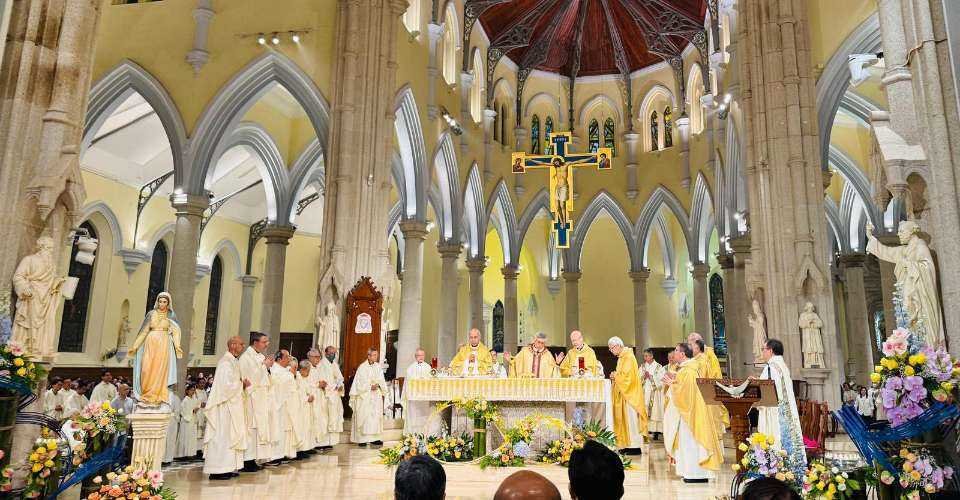
ACTOR-DRIVEN institutional and social pressures are reshaping the position of Christian churches in Hong Kong, where religious organizations are increasingly reassessing their public role amid broader political, demographic, and cultural changes in the city.
What is confirmed is that churches across Hong Kong are experiencing a period of transition driven by a combination of reduced congregational size in some denominations, generational shifts in participation, and a more complex civic environment following years of political restructuring in the territory.
These developments have forced religious leaders to reconsider how openly churches engage with social issues and how they sustain community influence.
Historically, churches in Hong Kong have played a dual role as both spiritual institutions and civic actors, often involved in education, charity, and social services.
Many congregations built extensive networks through schools, hospitals, and welfare organizations, giving them a visible presence in public life.
That structure remains in place, but its operational environment has changed significantly in recent years.
A key factor shaping the current crossroads is the broader tightening of civic and political space in Hong Kong, which has influenced how civil society organizations, including religious groups, communicate and organize public activities.
Churches, while not political institutions, often engage in community commentary and social outreach, which now requires more careful calibration.
At the same time, demographic change is exerting long-term pressure.
Younger residents in Hong Kong are less likely to participate in organized religion compared with older generations, mirroring trends seen in other major global cities but intensified by local social and economic pressures.
This has led some churches to shift focus toward youth engagement, mental health services, and social support programs rather than traditional evangelism.
Financial sustainability is also a growing concern for smaller congregations.
Rising property costs, reduced attendance in some districts, and competition for volunteers have led to consolidation among certain church networks.
Larger, well-resourced institutions remain stable, but smaller community churches face increasing operational strain.
Despite these pressures, churches continue to play a significant role in education and social welfare.
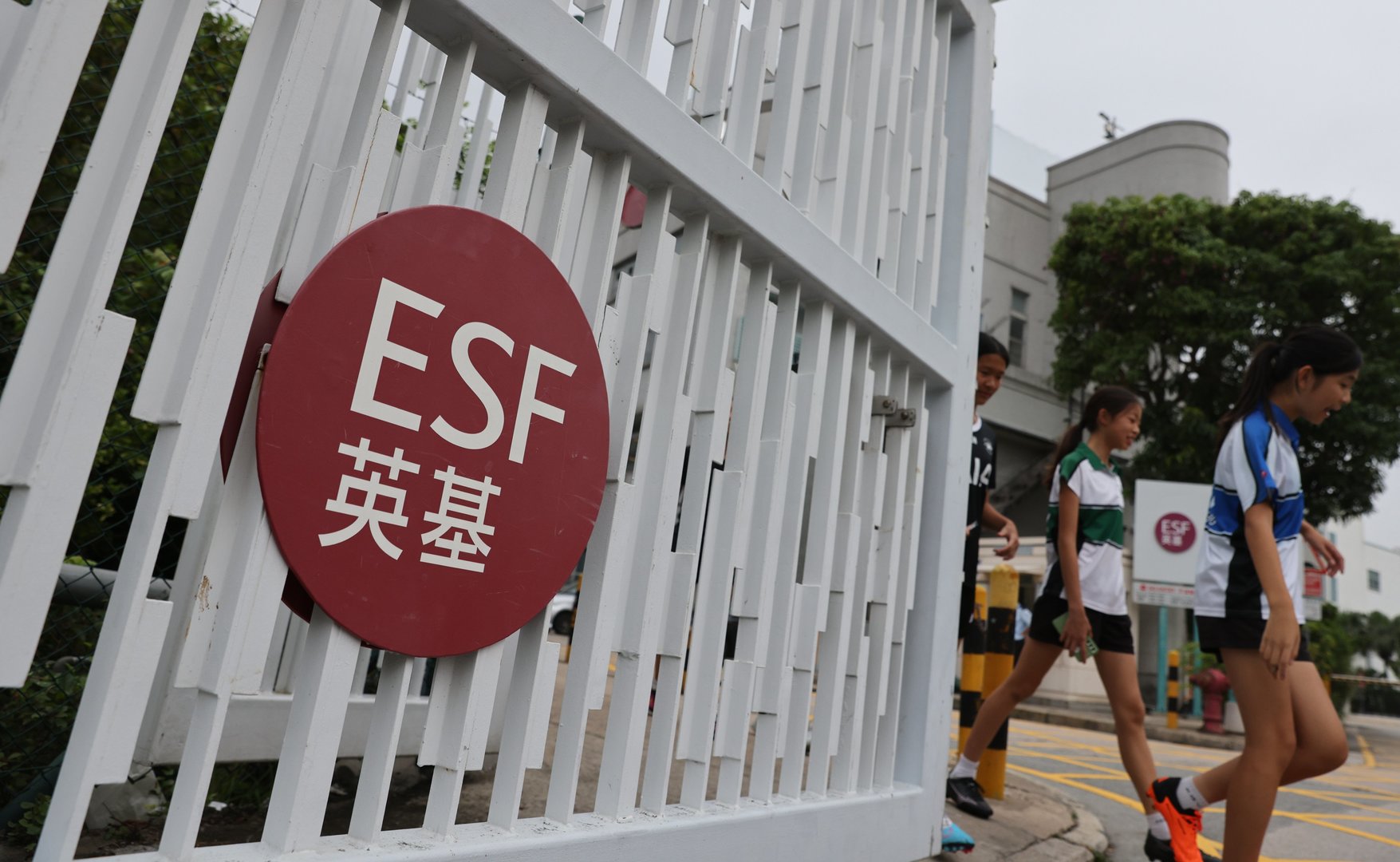
Many operate schools that remain among the most established in the city’s education system, and faith-based charities continue to provide services to elderly populations and low-income communities.
This institutional footprint ensures that churches remain relevant even as attendance patterns shift.
The current crossroads is therefore not a collapse of religious presence but a structural recalibration.
Churches are adjusting to a city where public engagement is more carefully managed, social expectations are evolving, and religious participation is increasingly individualized rather than collective.
The immediate consequence is a more cautious and internally focused religious landscape.
The longer-term implication is that churches in Hong Kong are likely to remain influential through social services and education, even as their traditional role as broad civic voices becomes more constrained and selectively expressed.
What is confirmed is that churches across Hong Kong are experiencing a period of transition driven by a combination of reduced congregational size in some denominations, generational shifts in participation, and a more complex civic environment following years of political restructuring in the territory.
These developments have forced religious leaders to reconsider how openly churches engage with social issues and how they sustain community influence.
Historically, churches in Hong Kong have played a dual role as both spiritual institutions and civic actors, often involved in education, charity, and social services.
Many congregations built extensive networks through schools, hospitals, and welfare organizations, giving them a visible presence in public life.
That structure remains in place, but its operational environment has changed significantly in recent years.
A key factor shaping the current crossroads is the broader tightening of civic and political space in Hong Kong, which has influenced how civil society organizations, including religious groups, communicate and organize public activities.
Churches, while not political institutions, often engage in community commentary and social outreach, which now requires more careful calibration.
At the same time, demographic change is exerting long-term pressure.
Younger residents in Hong Kong are less likely to participate in organized religion compared with older generations, mirroring trends seen in other major global cities but intensified by local social and economic pressures.
This has led some churches to shift focus toward youth engagement, mental health services, and social support programs rather than traditional evangelism.
Financial sustainability is also a growing concern for smaller congregations.
Rising property costs, reduced attendance in some districts, and competition for volunteers have led to consolidation among certain church networks.
Larger, well-resourced institutions remain stable, but smaller community churches face increasing operational strain.
Despite these pressures, churches continue to play a significant role in education and social welfare.
Many operate schools that remain among the most established in the city’s education system, and faith-based charities continue to provide services to elderly populations and low-income communities.
This institutional footprint ensures that churches remain relevant even as attendance patterns shift.
The current crossroads is therefore not a collapse of religious presence but a structural recalibration.
Churches are adjusting to a city where public engagement is more carefully managed, social expectations are evolving, and religious participation is increasingly individualized rather than collective.
The immediate consequence is a more cautious and internally focused religious landscape.
The longer-term implication is that churches in Hong Kong are likely to remain influential through social services and education, even as their traditional role as broad civic voices becomes more constrained and selectively expressed.