Travel operators report a sharp year-on-year increase in outbound group travel during the May Day holiday, driven by short-haul demand, improved transport links, and shifting regional travel preferences.
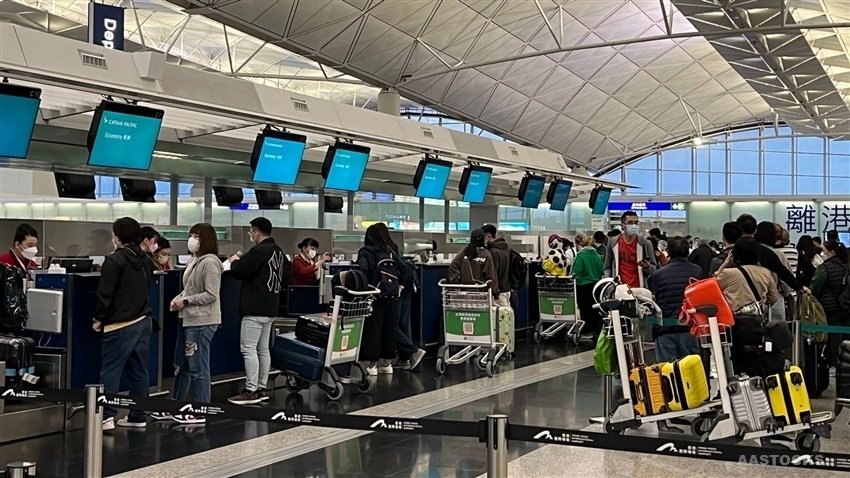
SYSTEM-DRIVEN dynamics in regional travel demand are reshaping outbound tourism patterns from Hong Kong during the Labour Day holiday period, with tour operators reporting a significant surge in group travel to mainland China.
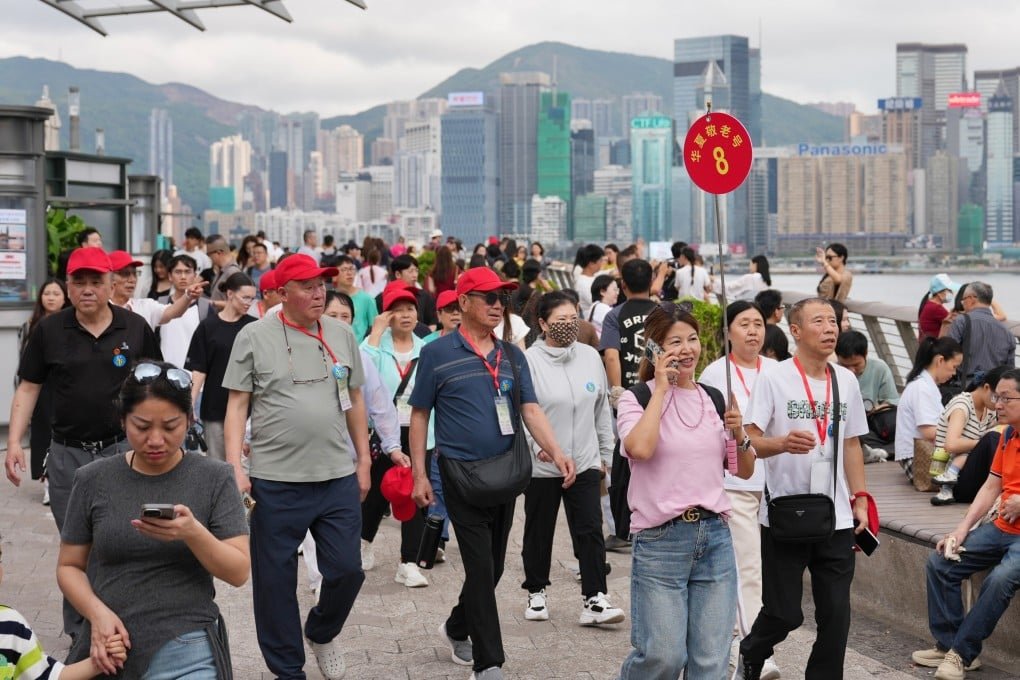
What is confirmed is that travel agencies operating in Hong Kong expect outbound tour groups heading to mainland destinations over the Labour Day break to increase by as much as 40 percent compared with the same period last year.
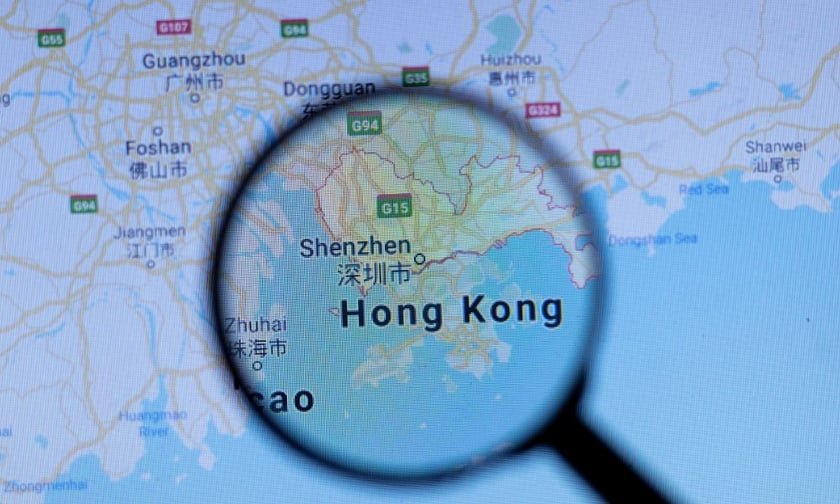
The rise is concentrated in short-haul itineraries, particularly within the Greater Bay Area, including cities such as Foshan, Dongguan, and Zhongshan.
These destinations are accessible by high-speed rail and road links, allowing for compact multi-day or even overnight travel.
The key issue driving this shift is not a single disruptive event but a structural change in regional travel behaviour.
Operators attribute the increase to a combination of improved perceived safety and hygiene standards in mainland destinations, expanded transport connectivity, and a growing preference among Hong Kong travellers for nearby destinations over longer-haul Southeast Asian trips.
Some travel agents also note that recent travel patterns were influenced by earlier holiday periods, which had already absorbed demand for longer international trips.
Industry figures indicate that outbound demand is unevenly distributed.
Short trips dominate, while longer itineraries to more distant Asian destinations remain comparatively weak.
This suggests a recalibration of travel behaviour rather than a broad expansion in overall leisure spending.
The availability of value-oriented accommodation and packaged tours on the mainland is also a contributing factor, reinforcing cost sensitivity among group travellers.
The surge in tour groups is occurring alongside broader increases in cross-border mobility during the Labour Day period, a traditionally high-traffic travel window in the region.
Mainland China’s extended holiday creates predictable spikes in transport flows, and Hong Kong operators are now increasingly aligning product offerings with this cyclical demand.
The implications are operational as well as economic.
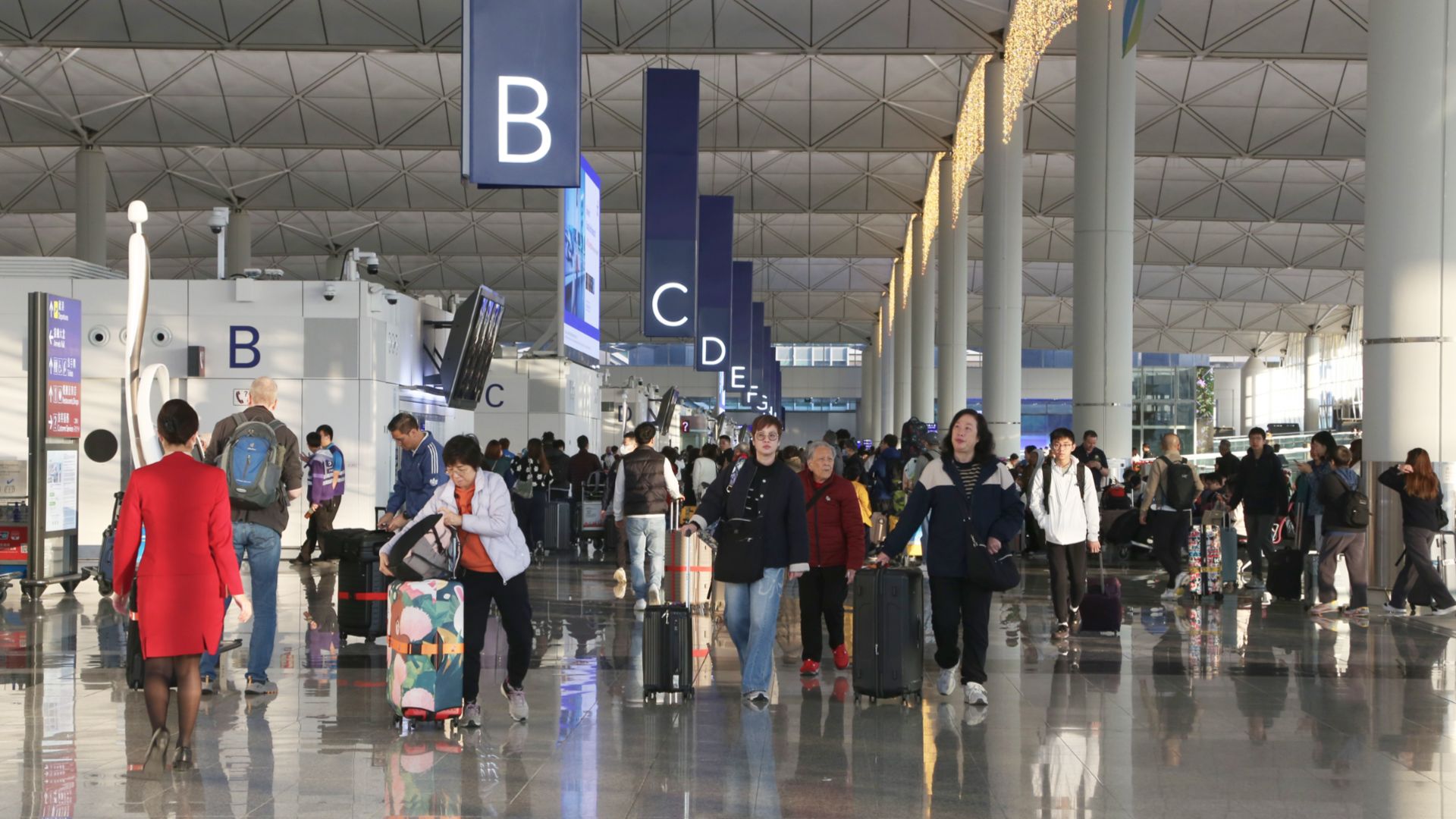
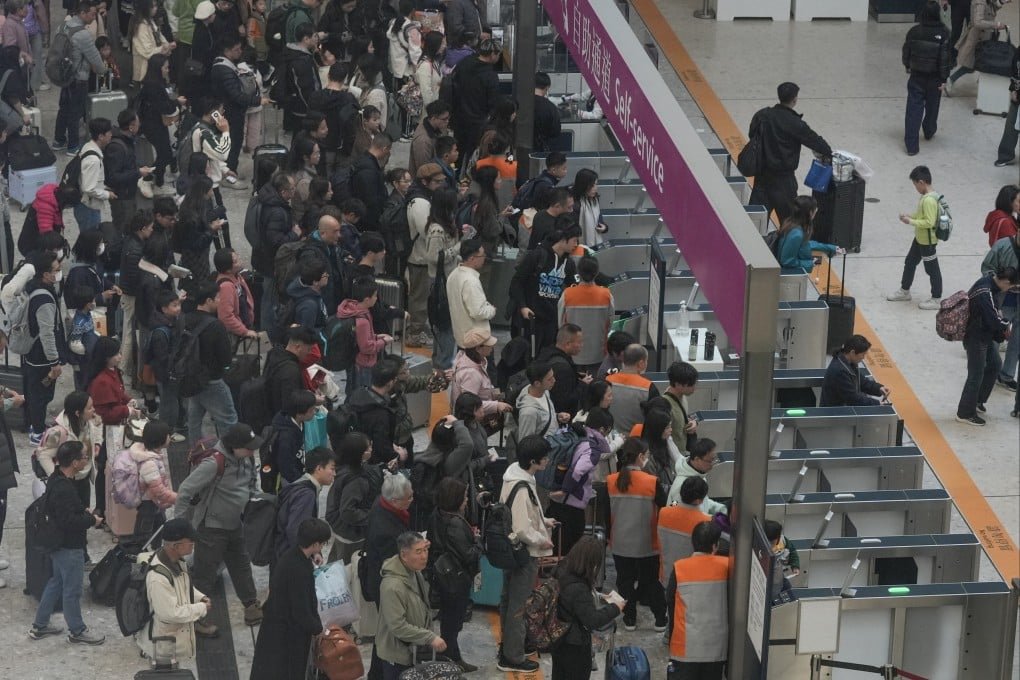
Higher volumes of tour groups place pressure on transport hubs, border crossings, and tourism infrastructure across both Hong Kong and neighbouring mainland cities.
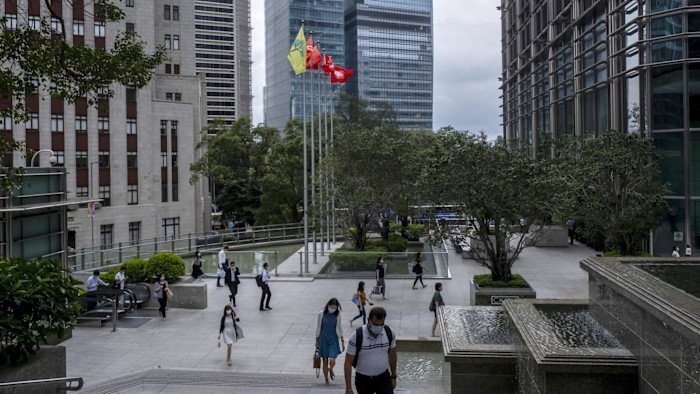
At the same time, the trend signals deeper integration of the regional tourism market, where Hong Kong is functioning less as a standalone outbound base and more as a node within a tightly connected cross-border travel ecosystem.
For the tourism industry, the immediate consequence is a measurable rebound in group travel volumes after several years of disrupted mobility.
For policymakers and operators, the challenge is managing concentrated holiday surges while sustaining service quality across increasingly popular short-distance routes within southern China.
What is confirmed is that travel agencies operating in Hong Kong expect outbound tour groups heading to mainland destinations over the Labour Day break to increase by as much as 40 percent compared with the same period last year.
The rise is concentrated in short-haul itineraries, particularly within the Greater Bay Area, including cities such as Foshan, Dongguan, and Zhongshan.
These destinations are accessible by high-speed rail and road links, allowing for compact multi-day or even overnight travel.
The key issue driving this shift is not a single disruptive event but a structural change in regional travel behaviour.
Operators attribute the increase to a combination of improved perceived safety and hygiene standards in mainland destinations, expanded transport connectivity, and a growing preference among Hong Kong travellers for nearby destinations over longer-haul Southeast Asian trips.
Some travel agents also note that recent travel patterns were influenced by earlier holiday periods, which had already absorbed demand for longer international trips.
Industry figures indicate that outbound demand is unevenly distributed.
Short trips dominate, while longer itineraries to more distant Asian destinations remain comparatively weak.
This suggests a recalibration of travel behaviour rather than a broad expansion in overall leisure spending.
The availability of value-oriented accommodation and packaged tours on the mainland is also a contributing factor, reinforcing cost sensitivity among group travellers.
The surge in tour groups is occurring alongside broader increases in cross-border mobility during the Labour Day period, a traditionally high-traffic travel window in the region.
Mainland China’s extended holiday creates predictable spikes in transport flows, and Hong Kong operators are now increasingly aligning product offerings with this cyclical demand.
The implications are operational as well as economic.
Higher volumes of tour groups place pressure on transport hubs, border crossings, and tourism infrastructure across both Hong Kong and neighbouring mainland cities.
At the same time, the trend signals deeper integration of the regional tourism market, where Hong Kong is functioning less as a standalone outbound base and more as a node within a tightly connected cross-border travel ecosystem.
For the tourism industry, the immediate consequence is a measurable rebound in group travel volumes after several years of disrupted mobility.
For policymakers and operators, the challenge is managing concentrated holiday surges while sustaining service quality across increasingly popular short-distance routes within southern China.