Authorities push back against international media rankings that cite the trial of media mogul Jimmy Lai as evidence of declining press freedom, highlighting a widening political and legal dispute over media independence in the city
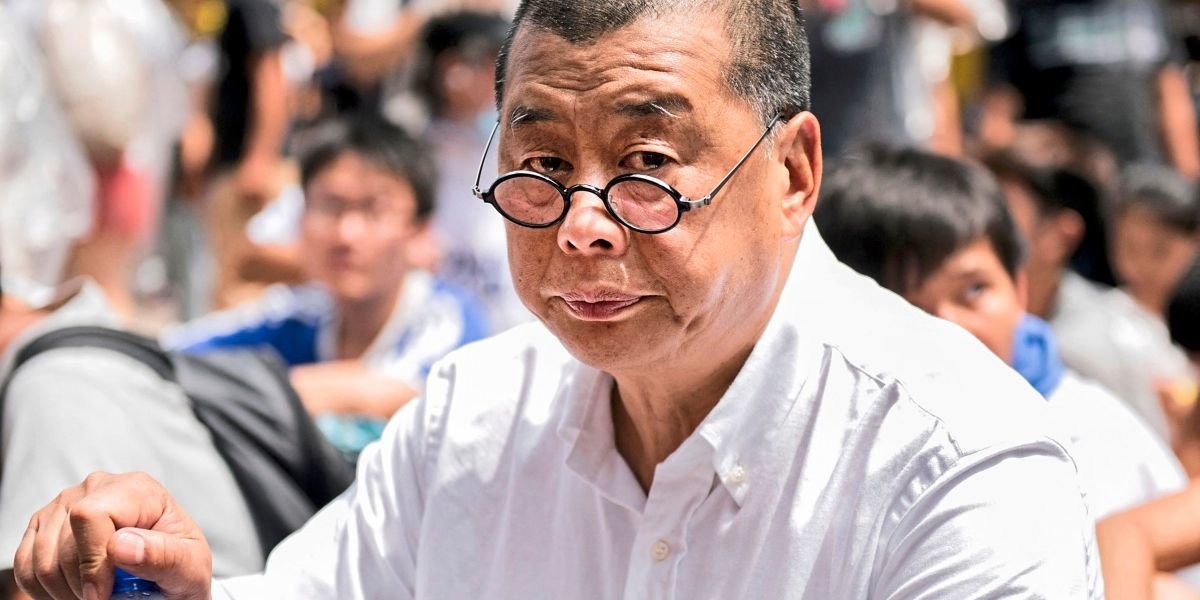
The controversy is actor-driven, centered on a legal and political confrontation involving Hong Kong authorities, international press freedom organizations, and the ongoing prosecution of media tycoon Jimmy Lai, founder of the now-closed Apple Daily newspaper.
Hong Kong authorities have strongly rejected recent external assessments that characterize the territory’s press freedom environment as sharply deteriorating, particularly those referencing the ongoing criminal case against Jimmy Lai as evidence of systemic suppression.
Officials argue that such interpretations misrepresent the nature of the legal proceedings, framing them as political in nature rather than grounded in criminal law enforcement.
The core of the dispute lies in how international press freedom indices and watchdog reports assess the status of media independence in Hong Kong following the implementation of the National Security Law in 2020. Many of these assessments cite the prosecution of Lai as emblematic of broader constraints on journalism and political expression.
Hong Kong officials counter that Lai’s case is being handled strictly through judicial processes relating to alleged violations of national security legislation and fraud-related charges, and should not be conflated with press freedom protections.
Jimmy Lai, a prominent media entrepreneur and outspoken critic of Beijing’s policies, founded Apple Daily, a widely read pro-democracy newspaper that was shut down in 2021 following police actions and financial pressure on the company.
His arrest and ongoing trial have become one of the most closely watched legal cases in the region, drawing sustained international attention and criticism from press advocacy groups.
Authorities in Hong Kong maintain that the city continues to uphold protections for freedom of the press as enshrined in its legal framework, while emphasizing that these rights are not absolute and must operate within the boundaries of national security and other criminal laws.
Officials argue that legal accountability for individuals accused of breaching these laws does not constitute suppression of media freedom.
Critics, however, argue that the broader media environment has changed significantly since 2020, citing the closure of independent outlets, the relocation of journalists, and increased self-censorship as indicators of shrinking space for critical reporting.
The Jimmy Lai case is frequently referenced as a focal point in this assessment due to its symbolic and institutional significance.
The disagreement highlights a structural tension between competing legal and political narratives: one framing the situation as enforcement of sovereignty and national security law, and the other framing it as erosion of press freedom protections.
This divergence has made Hong Kong a persistent point of contention in global discussions about media rights and rule-of-law standards.
The implications extend beyond the courtroom.
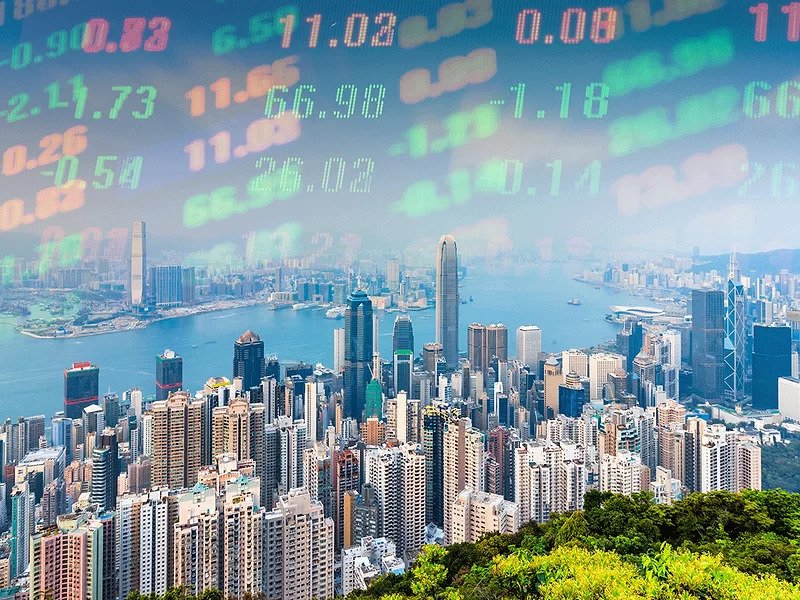
The way Lai’s case is interpreted internationally influences investor sentiment, diplomatic relations, and Hong Kong’s reputation as a global financial center that historically emphasized legal transparency and press openness.
As the trial proceeds, it continues to serve as a benchmark case in debates over the boundaries of journalism, political expression, and national security enforcement in the city.
Hong Kong authorities have strongly rejected recent external assessments that characterize the territory’s press freedom environment as sharply deteriorating, particularly those referencing the ongoing criminal case against Jimmy Lai as evidence of systemic suppression.
Officials argue that such interpretations misrepresent the nature of the legal proceedings, framing them as political in nature rather than grounded in criminal law enforcement.
The core of the dispute lies in how international press freedom indices and watchdog reports assess the status of media independence in Hong Kong following the implementation of the National Security Law in 2020. Many of these assessments cite the prosecution of Lai as emblematic of broader constraints on journalism and political expression.
Hong Kong officials counter that Lai’s case is being handled strictly through judicial processes relating to alleged violations of national security legislation and fraud-related charges, and should not be conflated with press freedom protections.
Jimmy Lai, a prominent media entrepreneur and outspoken critic of Beijing’s policies, founded Apple Daily, a widely read pro-democracy newspaper that was shut down in 2021 following police actions and financial pressure on the company.
His arrest and ongoing trial have become one of the most closely watched legal cases in the region, drawing sustained international attention and criticism from press advocacy groups.
Authorities in Hong Kong maintain that the city continues to uphold protections for freedom of the press as enshrined in its legal framework, while emphasizing that these rights are not absolute and must operate within the boundaries of national security and other criminal laws.
Officials argue that legal accountability for individuals accused of breaching these laws does not constitute suppression of media freedom.
Critics, however, argue that the broader media environment has changed significantly since 2020, citing the closure of independent outlets, the relocation of journalists, and increased self-censorship as indicators of shrinking space for critical reporting.
The Jimmy Lai case is frequently referenced as a focal point in this assessment due to its symbolic and institutional significance.
The disagreement highlights a structural tension between competing legal and political narratives: one framing the situation as enforcement of sovereignty and national security law, and the other framing it as erosion of press freedom protections.
This divergence has made Hong Kong a persistent point of contention in global discussions about media rights and rule-of-law standards.
The implications extend beyond the courtroom.
The way Lai’s case is interpreted internationally influences investor sentiment, diplomatic relations, and Hong Kong’s reputation as a global financial center that historically emphasized legal transparency and press openness.
As the trial proceeds, it continues to serve as a benchmark case in debates over the boundaries of journalism, political expression, and national security enforcement in the city.