Regulators flag fraudulent digital tokens impersonating licensed issuers HSBC and Anchorpoint, exposing early security risks in Hong Kong’s new regulated stablecoin framework before any official coins are launched.
ACTOR-DRIVEN: The central driver of this story is the Hong Kong Monetary Authority (HKMA), the city’s financial regulator, and its enforcement of a newly created stablecoin licensing regime.
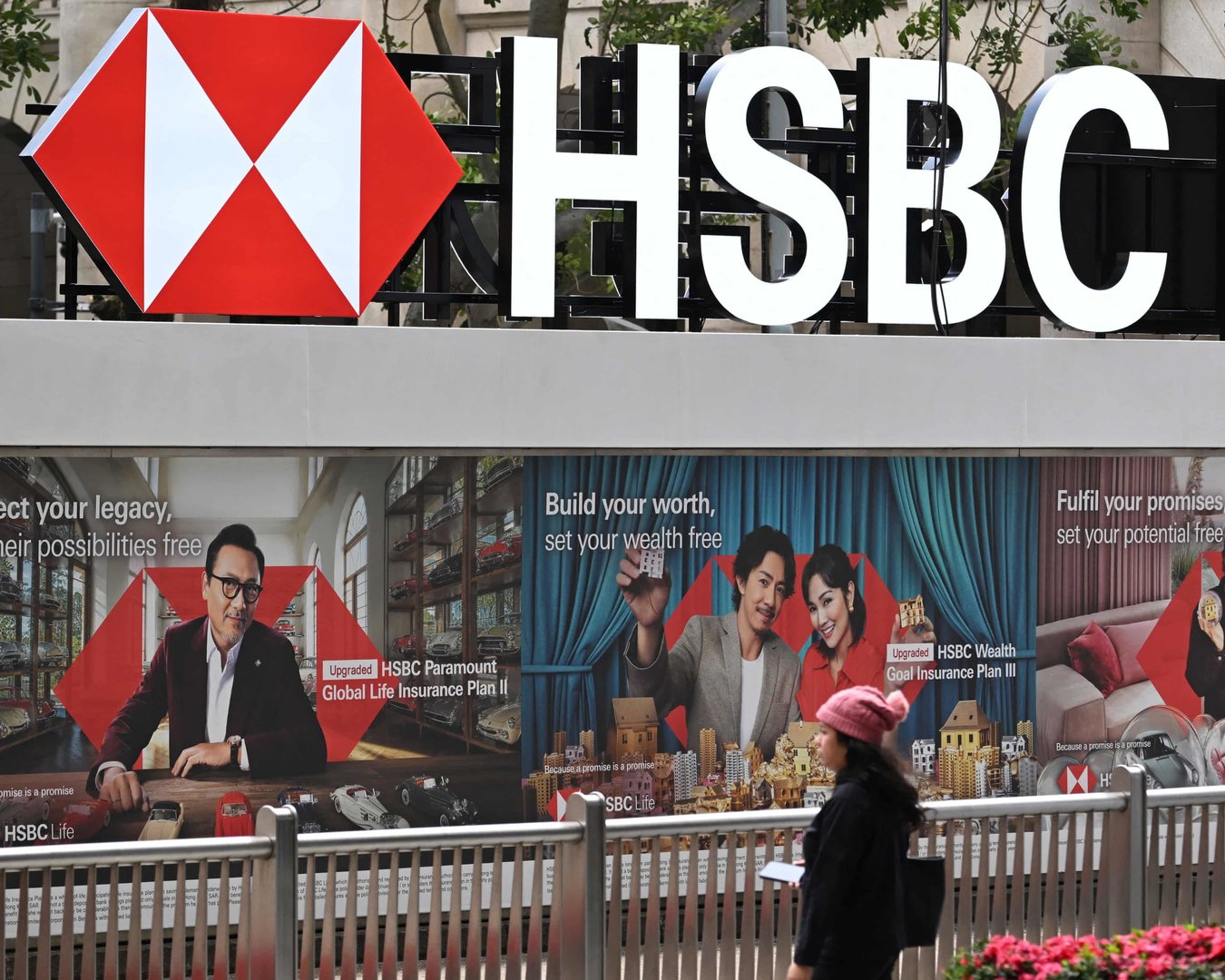
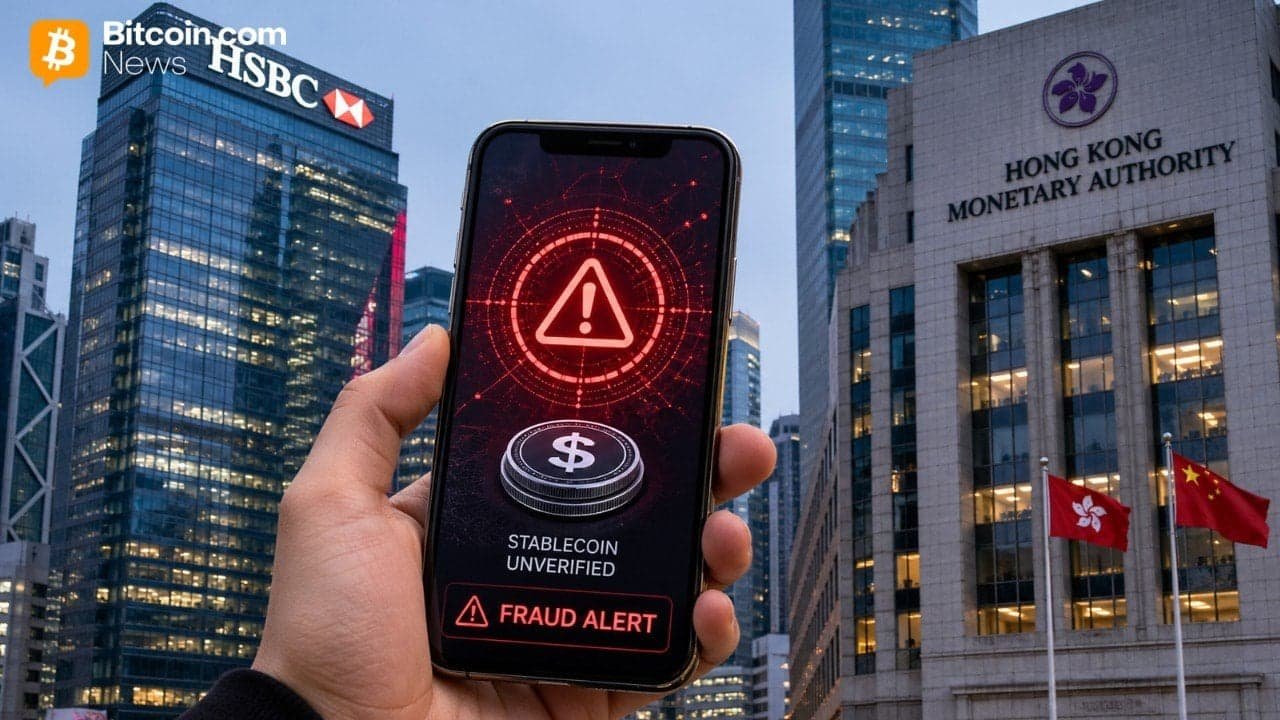
Hong Kong’s financial regulator has issued a formal warning over fraudulent digital tokens falsely claiming affiliation with HSBC and another licensed issuer, Anchorpoint Financial, even though no regulated stablecoins have yet been launched in the market.
The warning highlights an early integrity test for Hong Kong’s emerging stablecoin framework, which only recently began issuing licenses to major financial institutions.
What is confirmed is that tokens using the tickers “HKDAP” and “HSBC” have appeared in circulation despite having no connection to any authorized issuer.
Both HSBC and Anchorpoint have publicly stated they have not issued any stablecoins at this stage, and the HKMA has explicitly confirmed that no regulated stablecoins are currently live in the market.
The regulator has also stressed that any tokens trading under those names are unauthorized and potentially fraudulent.
The situation arises shortly after Hong Kong granted its first stablecoin issuer licenses to HSBC and Anchorpoint Financial under a new regulatory framework designed to bring bank-grade oversight to digital fiat tokens.
These licenses mark the beginning of a controlled rollout strategy in which only selected institutions are permitted to issue Hong Kong dollar–backed stablecoins under strict reserve, compliance, and redemption rules.
HSBC has separately clarified its planned timeline, stating that it intends to launch a Hong Kong dollar–denominated stablecoin only in the second half of the year and that initial access will be restricted to its own banking platforms.
Anchorpoint has similarly indicated that its issuance will begin later under regulatory supervision.
Until then, no official product exists in the market, creating a gap that fraudulent actors appear to be exploiting.
The mechanism behind the current risk is straightforward.
In the absence of live, regulated tokens, scammers are leveraging brand recognition and regulatory anticipation to issue imitation assets on unregulated platforms.
These tokens use familiar institutional names to create false credibility, targeting retail users who may assume that licensing approval automatically implies active issuance.
The HKMA’s intervention underscores a structural vulnerability common in early-stage digital asset markets: regulatory frameworks can be announced and licensed before actual products are deployed, leaving a temporal window in which impersonation schemes can proliferate.
In this case, the gap between licensing and launch has created an environment where fraudulent tokens can circulate without immediate competition from legitimate equivalents.
The implications extend beyond isolated scams.
Hong Kong is positioning itself as a regulated hub for stablecoins, particularly bank-issued digital currencies tied to the Hong Kong dollar.
The credibility of this system depends heavily on public trust in both the licensing regime and the ability of authorities to prevent brand misuse before full-scale adoption begins.
The regulator has instructed the public to rely only on official announcements and regulated channels when engaging with stablecoin-related products.
It has also reinforced that licensing status does not equate to product availability, a distinction now central to preventing confusion during the rollout phase.
The immediate consequence is a tightening of surveillance and public warnings as Hong Kong prepares for the eventual launch of its first regulated stablecoins.
The outcome of this early enforcement test will shape confidence in the city’s broader ambition to integrate tokenized fiat instruments into its financial system.
Hong Kong’s financial regulator has issued a formal warning over fraudulent digital tokens falsely claiming affiliation with HSBC and another licensed issuer, Anchorpoint Financial, even though no regulated stablecoins have yet been launched in the market.
The warning highlights an early integrity test for Hong Kong’s emerging stablecoin framework, which only recently began issuing licenses to major financial institutions.
What is confirmed is that tokens using the tickers “HKDAP” and “HSBC” have appeared in circulation despite having no connection to any authorized issuer.
Both HSBC and Anchorpoint have publicly stated they have not issued any stablecoins at this stage, and the HKMA has explicitly confirmed that no regulated stablecoins are currently live in the market.
The regulator has also stressed that any tokens trading under those names are unauthorized and potentially fraudulent.
The situation arises shortly after Hong Kong granted its first stablecoin issuer licenses to HSBC and Anchorpoint Financial under a new regulatory framework designed to bring bank-grade oversight to digital fiat tokens.
These licenses mark the beginning of a controlled rollout strategy in which only selected institutions are permitted to issue Hong Kong dollar–backed stablecoins under strict reserve, compliance, and redemption rules.
HSBC has separately clarified its planned timeline, stating that it intends to launch a Hong Kong dollar–denominated stablecoin only in the second half of the year and that initial access will be restricted to its own banking platforms.
Anchorpoint has similarly indicated that its issuance will begin later under regulatory supervision.
Until then, no official product exists in the market, creating a gap that fraudulent actors appear to be exploiting.
The mechanism behind the current risk is straightforward.
In the absence of live, regulated tokens, scammers are leveraging brand recognition and regulatory anticipation to issue imitation assets on unregulated platforms.
These tokens use familiar institutional names to create false credibility, targeting retail users who may assume that licensing approval automatically implies active issuance.
The HKMA’s intervention underscores a structural vulnerability common in early-stage digital asset markets: regulatory frameworks can be announced and licensed before actual products are deployed, leaving a temporal window in which impersonation schemes can proliferate.
In this case, the gap between licensing and launch has created an environment where fraudulent tokens can circulate without immediate competition from legitimate equivalents.
The implications extend beyond isolated scams.
Hong Kong is positioning itself as a regulated hub for stablecoins, particularly bank-issued digital currencies tied to the Hong Kong dollar.
The credibility of this system depends heavily on public trust in both the licensing regime and the ability of authorities to prevent brand misuse before full-scale adoption begins.
The regulator has instructed the public to rely only on official announcements and regulated channels when engaging with stablecoin-related products.
It has also reinforced that licensing status does not equate to product availability, a distinction now central to preventing confusion during the rollout phase.
The immediate consequence is a tightening of surveillance and public warnings as Hong Kong prepares for the eventual launch of its first regulated stablecoins.
The outcome of this early enforcement test will shape confidence in the city’s broader ambition to integrate tokenized fiat instruments into its financial system.