The bank has blocked staff in Hong Kong from using the Claude chatbot, highlighting growing internal controls over generative AI tools in sensitive financial environments.
SYSTEM-DRIVEN: The story is driven by internal corporate governance rules governing artificial intelligence use in regulated financial environments, particularly within a global investment bank operating across jurisdictions.
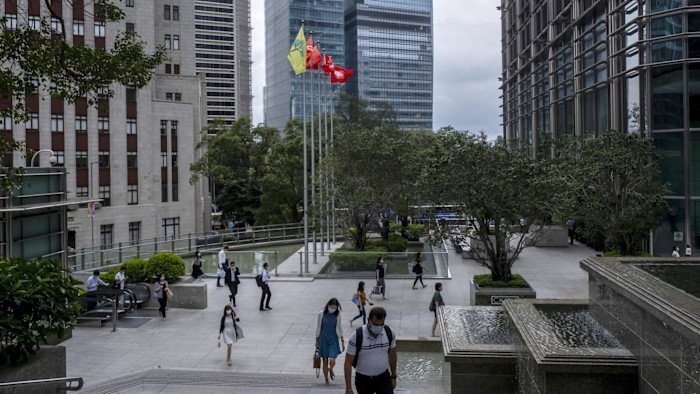
Goldman Sachs has restricted its Hong Kong-based bankers from using Anthropic’s Claude artificial intelligence chatbot for work-related purposes, marking another step in the bank’s tightening control over generative AI tools across its global operations.
What is confirmed is that access to Claude has been blocked for employees in Hong Kong, reflecting a broader internal policy decision to limit or tightly control the use of third-party large language models in sensitive business units.
The restriction applies specifically to professional use cases, where client data, financial information, and proprietary trading or advisory materials could be exposed through external AI systems.
The mechanism behind such restrictions is grounded in risk management rather than technology rejection.
Large financial institutions operate under strict confidentiality, regulatory compliance, and data governance requirements.
Generative AI tools, while increasingly integrated into productivity workflows, introduce potential risks around data leakage, model training exposure, and cross-border data transfer, particularly when hosted by external providers.
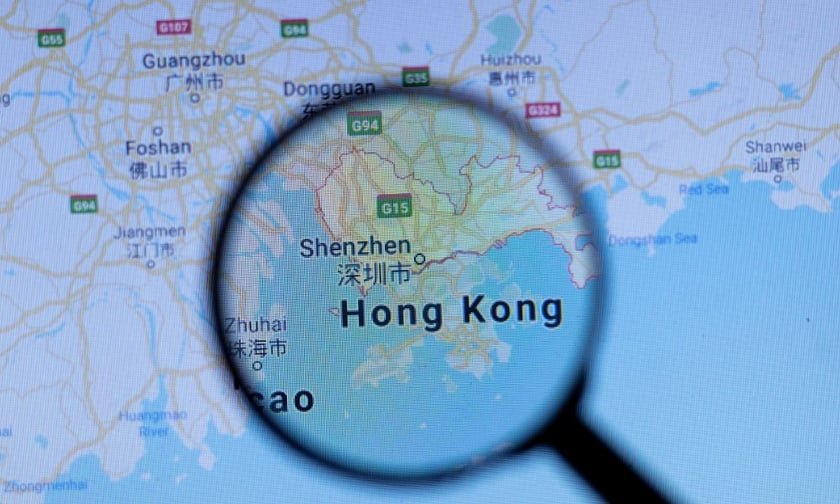
Hong Kong presents an additional layer of sensitivity due to its role as a major international financial hub with cross-border data flows between mainland China and global markets.
This makes internal controls on cloud-based and AI-assisted tools more complex, especially where regulatory expectations differ across jurisdictions.
The decision reflects a broader trend across global banking institutions, which are simultaneously investing in proprietary AI systems while restricting or auditing access to external models.
Firms are increasingly developing internal, controlled environments where generative AI can be used safely on sanitized or segregated datasets, rather than allowing unrestricted access to public or third-party platforms.
The stakes extend beyond productivity tools.
Investment banks handle confidential deal information, market-sensitive analysis, and client communications that are tightly regulated.
Any uncontrolled data exposure through external AI systems could create compliance violations, reputational damage, or regulatory scrutiny.
At the same time, the move highlights a growing tension in financial services: the need to adopt advanced AI systems to remain competitive versus the need to maintain strict data security and regulatory compliance.
Restricting access does not signal rejection of AI, but rather an attempt to channel its use through controlled infrastructure.
What is confirmed is that Goldman Sachs has implemented a restriction preventing Hong Kong-based bankers from using Anthropic’s Claude for professional purposes.
The immediate consequence is a further segmentation of AI tool access within global financial institutions, as firms refine internal policies governing how generative AI is deployed across sensitive markets.
Goldman Sachs has restricted its Hong Kong-based bankers from using Anthropic’s Claude artificial intelligence chatbot for work-related purposes, marking another step in the bank’s tightening control over generative AI tools across its global operations.
What is confirmed is that access to Claude has been blocked for employees in Hong Kong, reflecting a broader internal policy decision to limit or tightly control the use of third-party large language models in sensitive business units.
The restriction applies specifically to professional use cases, where client data, financial information, and proprietary trading or advisory materials could be exposed through external AI systems.
The mechanism behind such restrictions is grounded in risk management rather than technology rejection.
Large financial institutions operate under strict confidentiality, regulatory compliance, and data governance requirements.
Generative AI tools, while increasingly integrated into productivity workflows, introduce potential risks around data leakage, model training exposure, and cross-border data transfer, particularly when hosted by external providers.
Hong Kong presents an additional layer of sensitivity due to its role as a major international financial hub with cross-border data flows between mainland China and global markets.
This makes internal controls on cloud-based and AI-assisted tools more complex, especially where regulatory expectations differ across jurisdictions.
The decision reflects a broader trend across global banking institutions, which are simultaneously investing in proprietary AI systems while restricting or auditing access to external models.
Firms are increasingly developing internal, controlled environments where generative AI can be used safely on sanitized or segregated datasets, rather than allowing unrestricted access to public or third-party platforms.
The stakes extend beyond productivity tools.
Investment banks handle confidential deal information, market-sensitive analysis, and client communications that are tightly regulated.
Any uncontrolled data exposure through external AI systems could create compliance violations, reputational damage, or regulatory scrutiny.
At the same time, the move highlights a growing tension in financial services: the need to adopt advanced AI systems to remain competitive versus the need to maintain strict data security and regulatory compliance.
Restricting access does not signal rejection of AI, but rather an attempt to channel its use through controlled infrastructure.
What is confirmed is that Goldman Sachs has implemented a restriction preventing Hong Kong-based bankers from using Anthropic’s Claude for professional purposes.
The immediate consequence is a further segmentation of AI tool access within global financial institutions, as firms refine internal policies governing how generative AI is deployed across sensitive markets.