Financial institutions are offering gold, travel perks, and high-end brand rewards to attract mainland clients amid slowing deposit growth and regional banking competition.
SYSTEM-DRIVEN financial competition is reshaping retail banking strategies in Hong Kong, where lenders are increasingly using luxury incentives to attract mainland Chinese customers and secure deposits in a tightening liquidity environment.
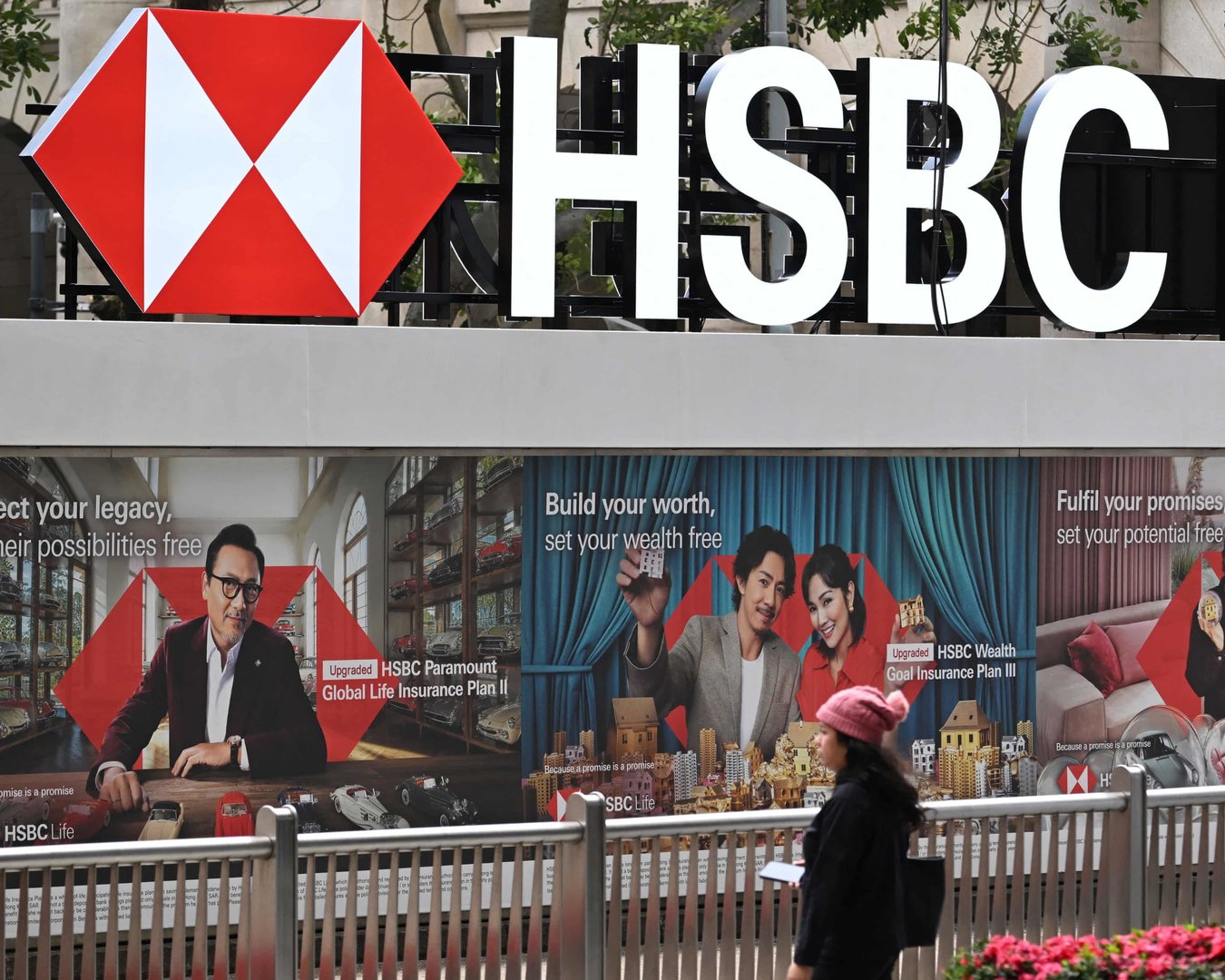
What is confirmed is that several Hong Kong-based banks have expanded marketing campaigns targeting mainland China visitors and cross-border clients by offering non-traditional rewards such as gold bars, cruise packages, and luxury brand vouchers, including Dior-linked promotions.
These offers are tied to new account openings, fixed deposit placements, or wealth management product subscriptions.
The strategy reflects intensified competition for deposits in Hong Kong’s banking sector, where liquidity pressures have increased alongside slower deposit growth and shifting capital flows between mainland China and international financial centers.
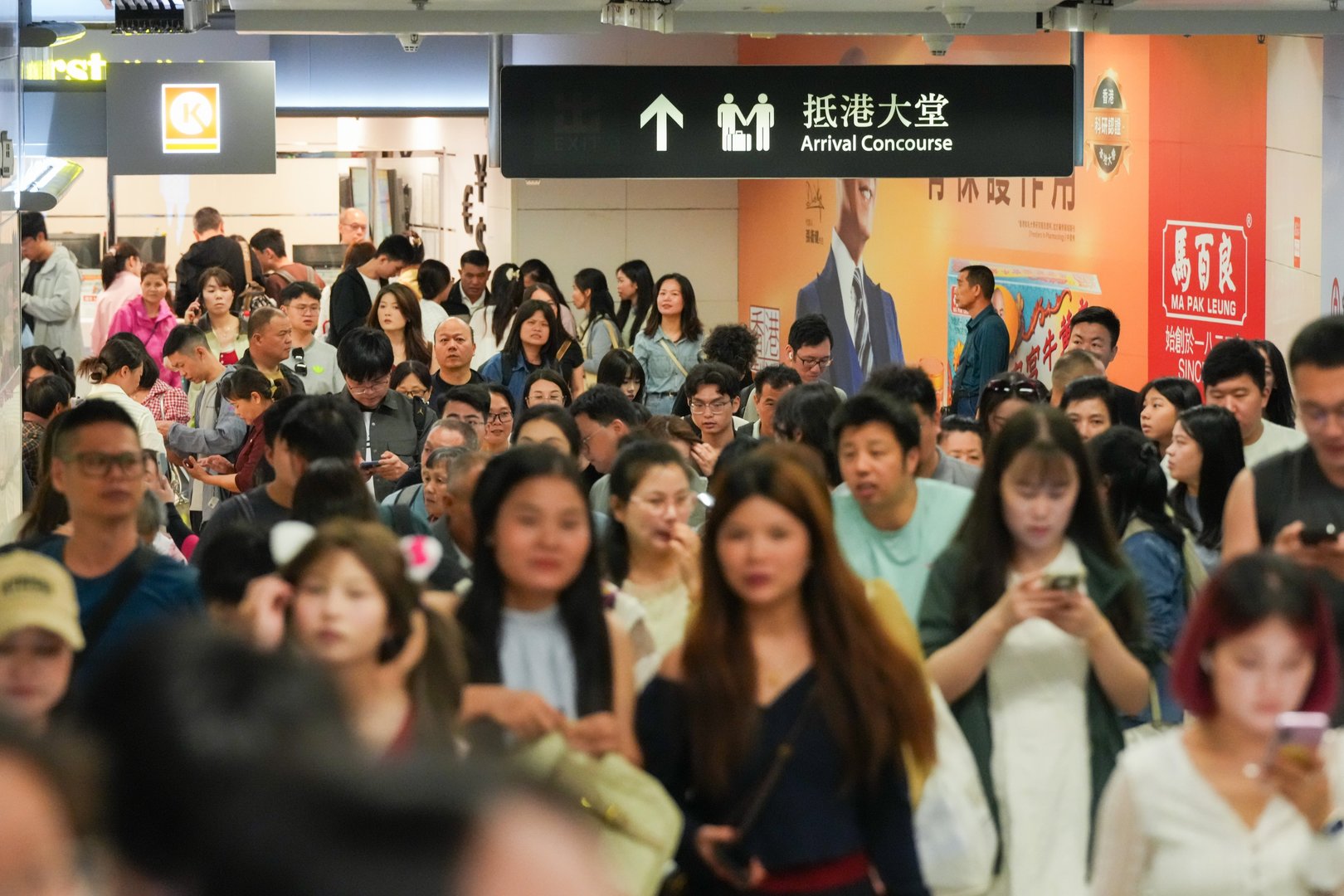
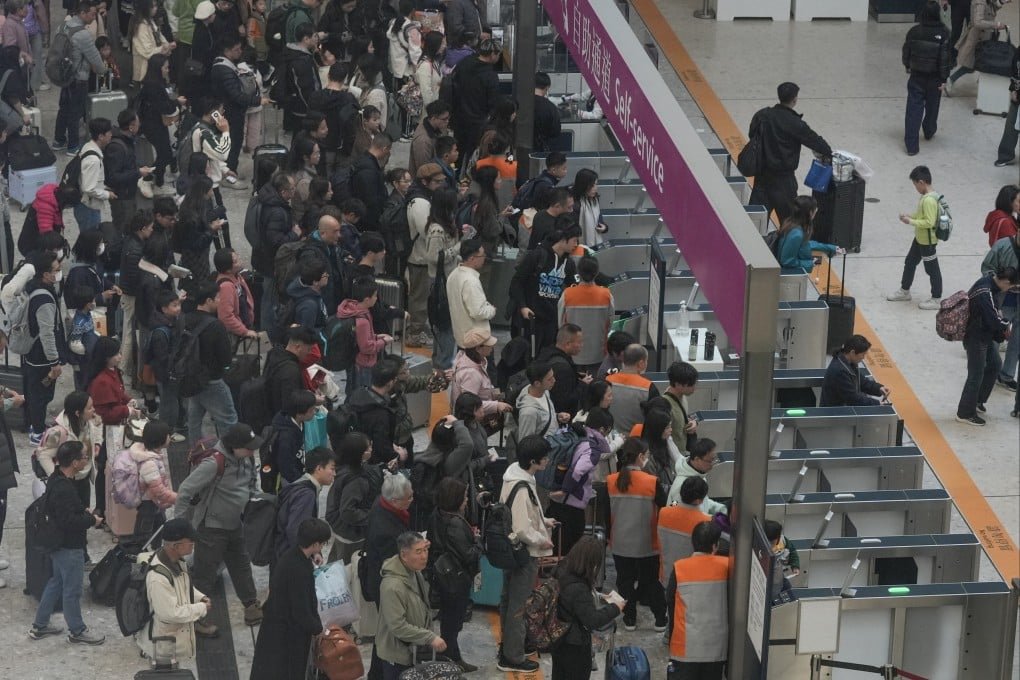
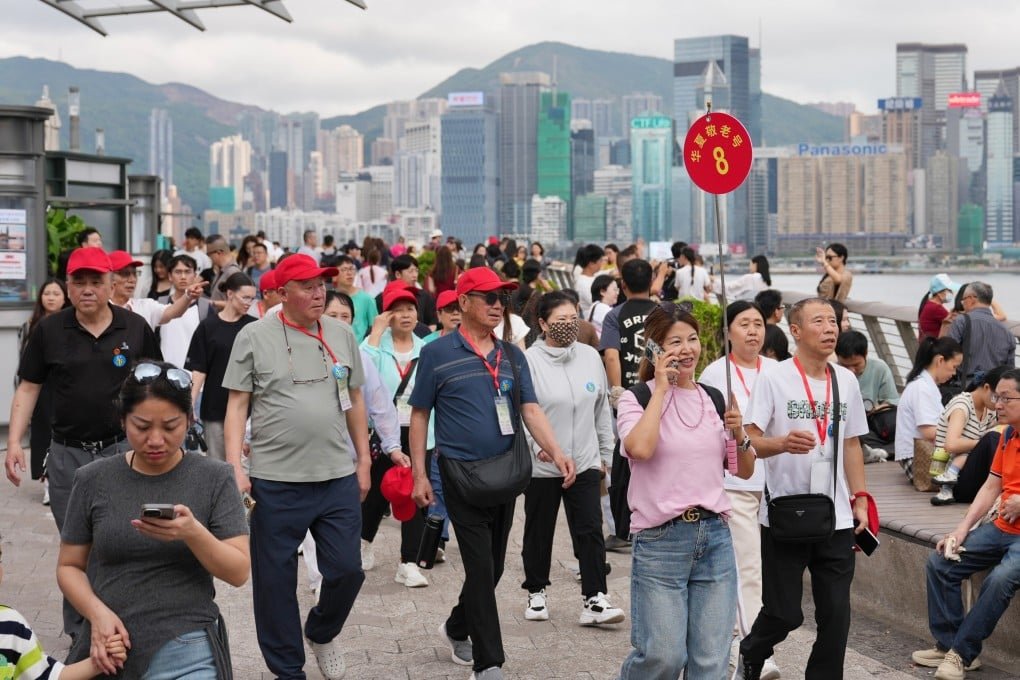
Banks are seeking to stabilize their funding bases by attracting high-net-worth individuals and affluent retail clients who travel frequently between mainland China and Hong Kong.
The mechanism behind these incentives is straightforward: customers who place large deposits or invest in structured financial products receive tiered rewards, ranging from small luxury goods to high-value travel packages.
In some cases, banks have partnered with travel operators and luxury retailers to bundle financial products with experiential incentives such as cruise vacations or exclusive shopping vouchers.
The broader context is a structural shift in regional banking competition.
Mainland Chinese savers have historically used Hong Kong as a gateway for wealth diversification, but capital controls, regulatory adjustments, and evolving domestic investment options have altered cross-border flows.
At the same time, Hong Kong banks face pressure to maintain deposit growth while competing with both mainland institutions and international banks operating in the region.
Regulators have generally allowed promotional campaigns as long as they comply with consumer protection and anti-money laundering rules, but the increasing reliance on high-value incentives has drawn scrutiny from financial analysts who warn that such strategies may distort competition and prioritize short-term deposit inflows over long-term financial stability.
For mainland visitors, the incentives lower the threshold for engaging with Hong Kong’s banking system, but they also tie financial participation to promotional cycles rather than purely rate-driven decisions.
For banks, the approach offers a way to attract liquidity without significantly raising interest rates in a competitive environment.
The immediate consequence is a more aggressive retail banking landscape in Hong Kong, where financial products are increasingly bundled with lifestyle and luxury marketing.
The longer-term implication is a continued blending of financial services and consumer incentives as banks compete for cross-border capital in a region where deposit mobility remains highly sensitive to policy and market conditions.
What is confirmed is that several Hong Kong-based banks have expanded marketing campaigns targeting mainland China visitors and cross-border clients by offering non-traditional rewards such as gold bars, cruise packages, and luxury brand vouchers, including Dior-linked promotions.
These offers are tied to new account openings, fixed deposit placements, or wealth management product subscriptions.
The strategy reflects intensified competition for deposits in Hong Kong’s banking sector, where liquidity pressures have increased alongside slower deposit growth and shifting capital flows between mainland China and international financial centers.
Banks are seeking to stabilize their funding bases by attracting high-net-worth individuals and affluent retail clients who travel frequently between mainland China and Hong Kong.
The mechanism behind these incentives is straightforward: customers who place large deposits or invest in structured financial products receive tiered rewards, ranging from small luxury goods to high-value travel packages.
In some cases, banks have partnered with travel operators and luxury retailers to bundle financial products with experiential incentives such as cruise vacations or exclusive shopping vouchers.
The broader context is a structural shift in regional banking competition.
Mainland Chinese savers have historically used Hong Kong as a gateway for wealth diversification, but capital controls, regulatory adjustments, and evolving domestic investment options have altered cross-border flows.
At the same time, Hong Kong banks face pressure to maintain deposit growth while competing with both mainland institutions and international banks operating in the region.
Regulators have generally allowed promotional campaigns as long as they comply with consumer protection and anti-money laundering rules, but the increasing reliance on high-value incentives has drawn scrutiny from financial analysts who warn that such strategies may distort competition and prioritize short-term deposit inflows over long-term financial stability.
For mainland visitors, the incentives lower the threshold for engaging with Hong Kong’s banking system, but they also tie financial participation to promotional cycles rather than purely rate-driven decisions.
For banks, the approach offers a way to attract liquidity without significantly raising interest rates in a competitive environment.
The immediate consequence is a more aggressive retail banking landscape in Hong Kong, where financial products are increasingly bundled with lifestyle and luxury marketing.
The longer-term implication is a continued blending of financial services and consumer incentives as banks compete for cross-border capital in a region where deposit mobility remains highly sensitive to policy and market conditions.