Rising tensions in the Middle East prompt renewed cooperation talks on energy security and supply stability
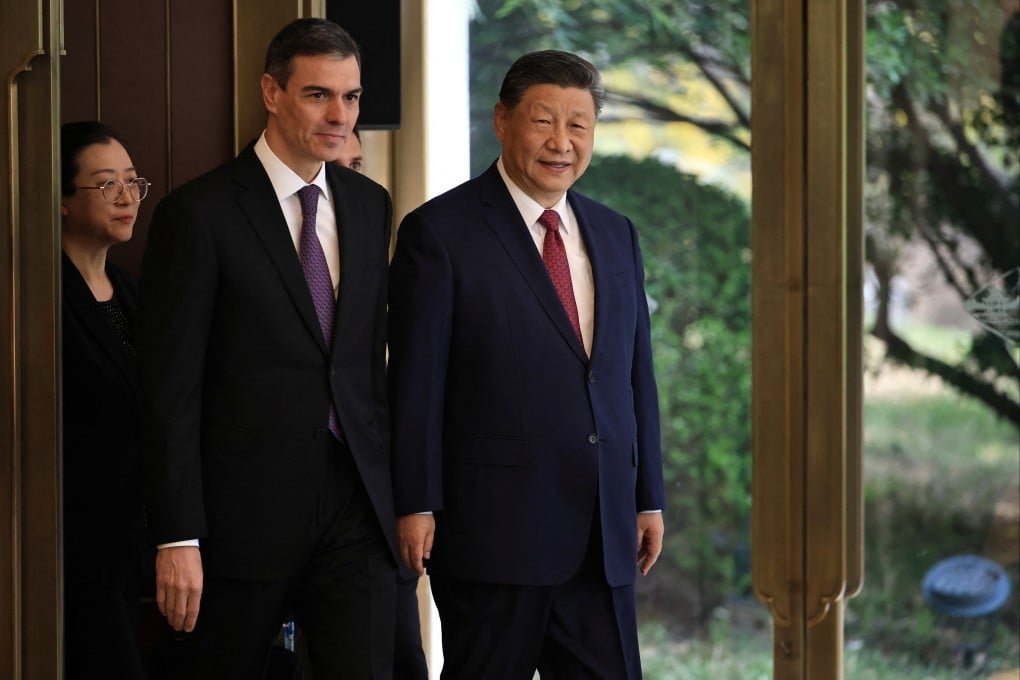
China and Australia have entered discussions aimed at strengthening energy security as escalating conflict in the Middle East disrupts global oil supply chains and heightens market uncertainty.
Officials from both countries are reported to be exploring coordinated approaches to ensure stable access to energy resources, particularly as volatility in oil shipments from the Middle East begins to affect global pricing and availability.
The talks reflect a shared recognition of the strategic importance of diversified supply and resilient infrastructure in the face of geopolitical shocks.
The Middle East, a critical hub for global oil exports, has seen significant disruptions linked to ongoing conflict, prompting concerns among major importers about supply continuity.
Shipping routes and production outputs have faced pressure, contributing to fluctuations in international energy markets.
China, as one of the world’s largest energy consumers, has been particularly attentive to securing reliable supply channels.
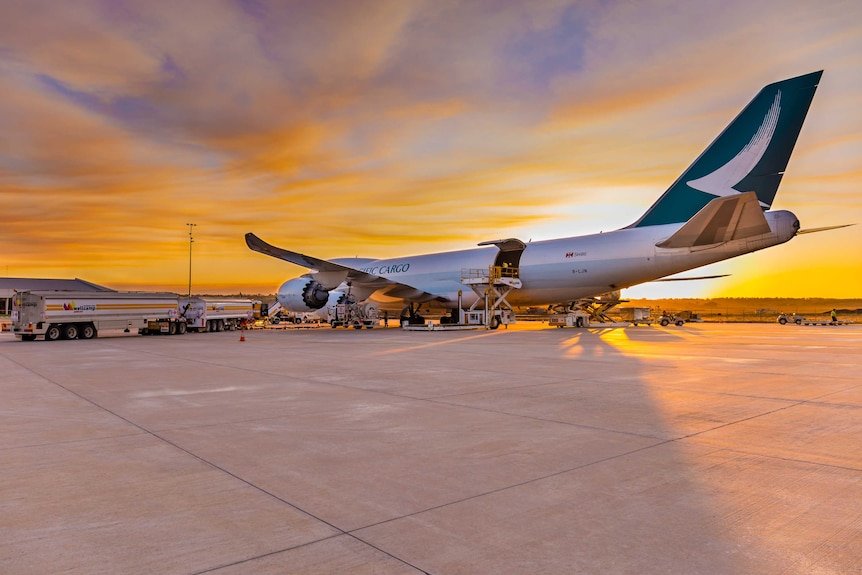
Australia, meanwhile, plays a vital role as a major exporter of liquefied natural gas and other energy resources, positioning it as a key partner in addressing regional and global energy challenges.
The discussions are understood to include potential cooperation on liquefied natural gas exports, strategic reserves, and long-term supply agreements.
Both sides are also examining ways to enhance logistical resilience, including shipping routes and storage capabilities, to mitigate the impact of future disruptions.
Analysts note that the dialogue reflects a broader shift toward pragmatic engagement between the two countries, particularly in areas of mutual economic interest.
Energy security has emerged as a central theme, given its direct implications for industrial stability, inflation, and national planning.
The evolving situation in the Middle East continues to influence global energy dynamics, with governments seeking to adapt quickly to changing conditions.
The outcome of these discussions may play a role in shaping how regional partners respond to ongoing supply uncertainties.
Officials from both countries are reported to be exploring coordinated approaches to ensure stable access to energy resources, particularly as volatility in oil shipments from the Middle East begins to affect global pricing and availability.
The talks reflect a shared recognition of the strategic importance of diversified supply and resilient infrastructure in the face of geopolitical shocks.
The Middle East, a critical hub for global oil exports, has seen significant disruptions linked to ongoing conflict, prompting concerns among major importers about supply continuity.
Shipping routes and production outputs have faced pressure, contributing to fluctuations in international energy markets.
China, as one of the world’s largest energy consumers, has been particularly attentive to securing reliable supply channels.
Australia, meanwhile, plays a vital role as a major exporter of liquefied natural gas and other energy resources, positioning it as a key partner in addressing regional and global energy challenges.
The discussions are understood to include potential cooperation on liquefied natural gas exports, strategic reserves, and long-term supply agreements.
Both sides are also examining ways to enhance logistical resilience, including shipping routes and storage capabilities, to mitigate the impact of future disruptions.
Analysts note that the dialogue reflects a broader shift toward pragmatic engagement between the two countries, particularly in areas of mutual economic interest.
Energy security has emerged as a central theme, given its direct implications for industrial stability, inflation, and national planning.
The evolving situation in the Middle East continues to influence global energy dynamics, with governments seeking to adapt quickly to changing conditions.
The outcome of these discussions may play a role in shaping how regional partners respond to ongoing supply uncertainties.