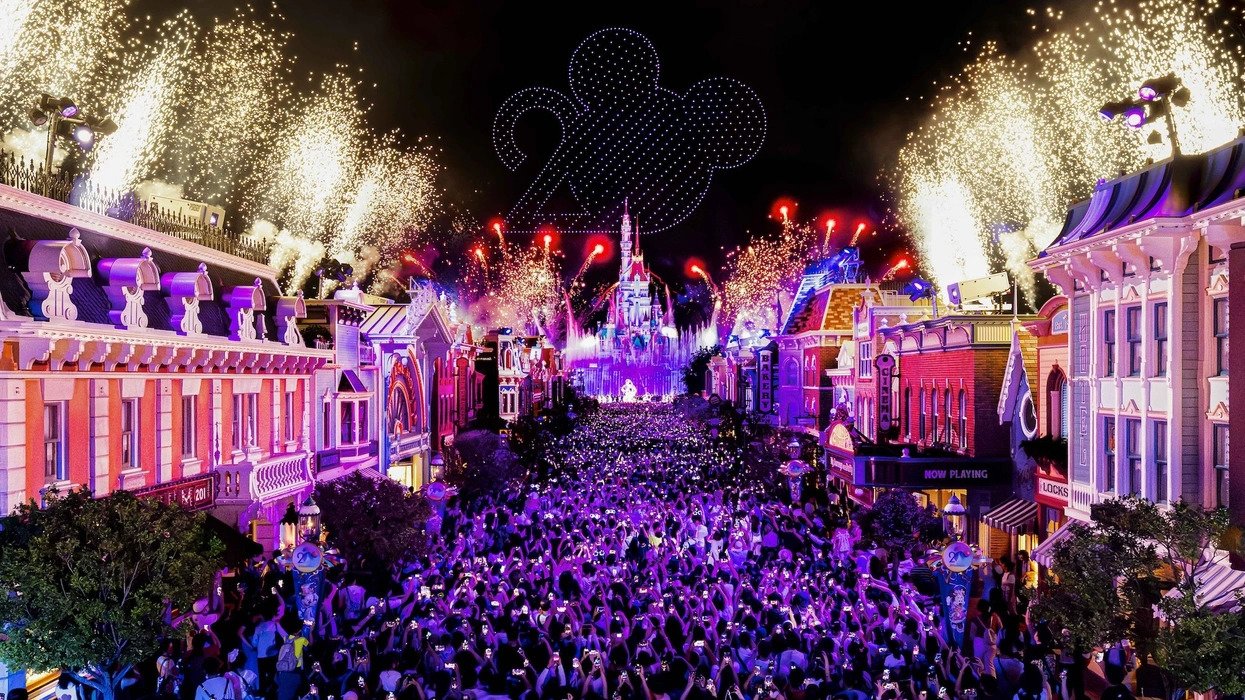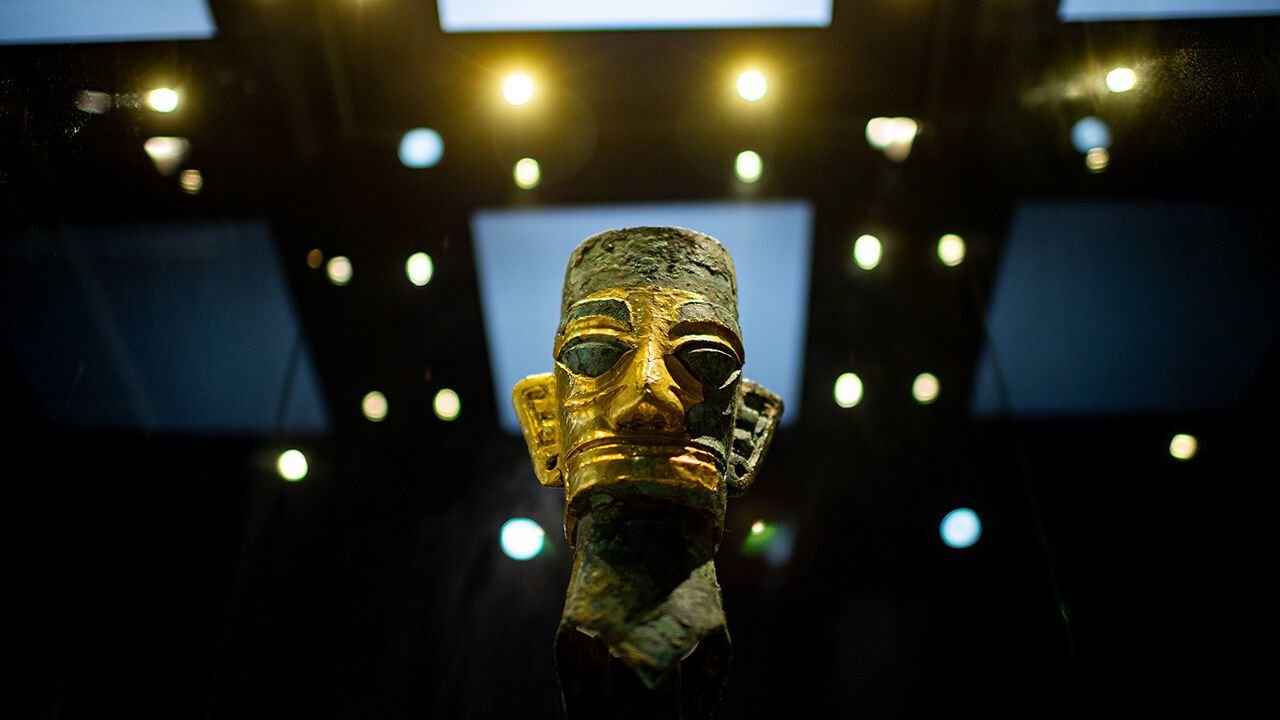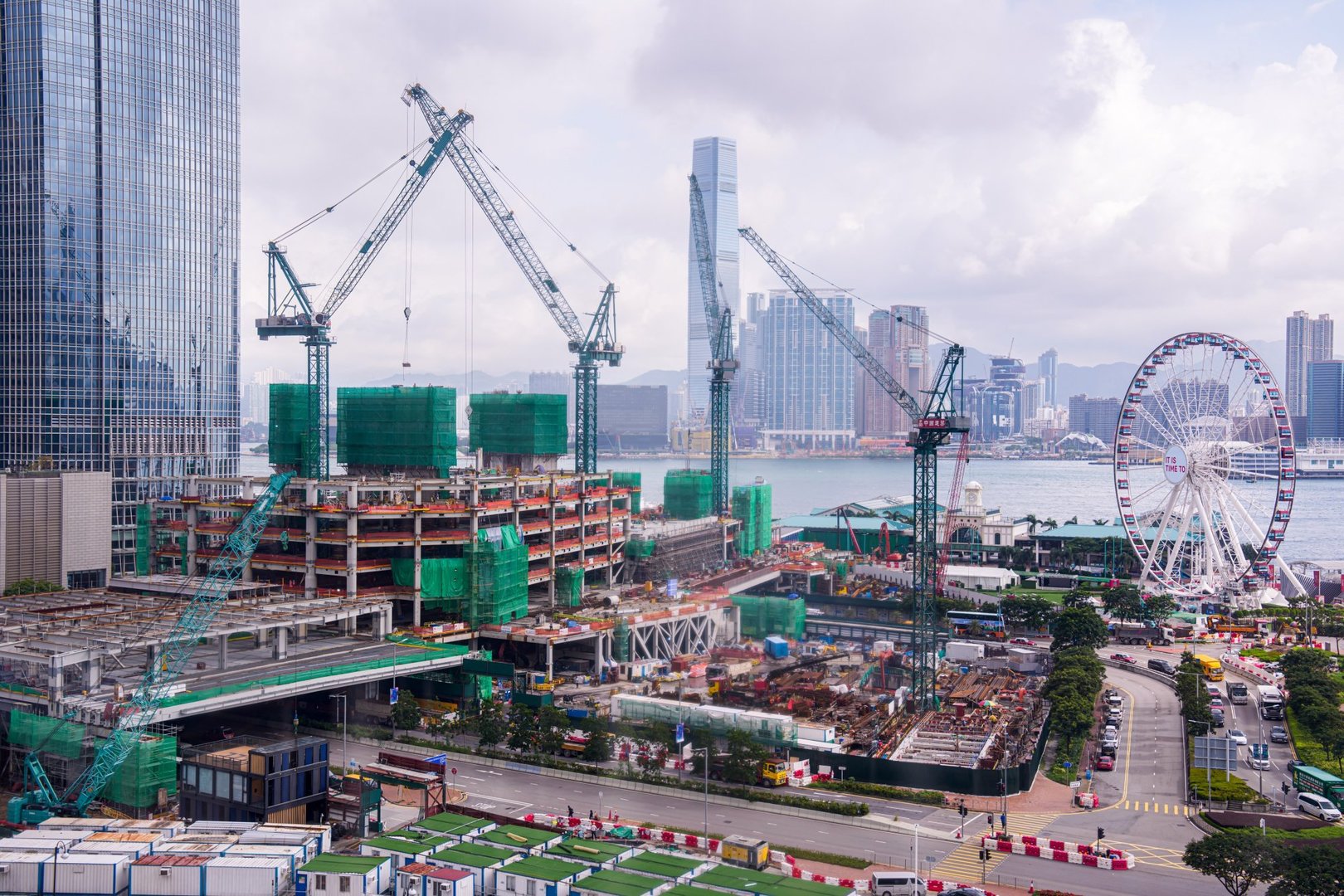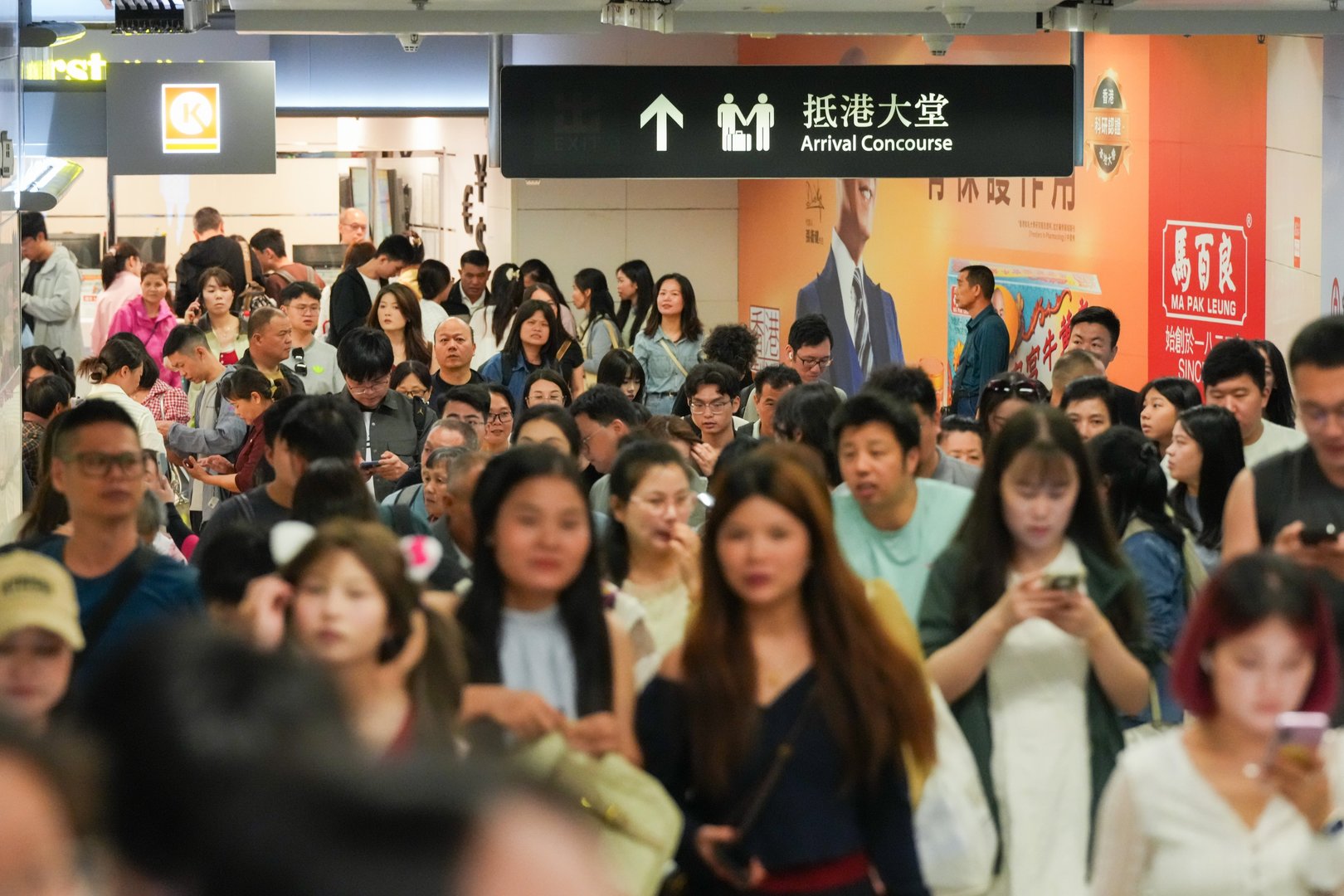
More than seventy-six thousand arrivals on the first day highlight renewed travel demand from mainland China, with hiking trails, city tours, and retail districts seeing strong early activity
The story is event-driven, anchored in the immediate tourism surge triggered by the start of China’s Golden Week holiday period, one of the most significant annual domestic travel peaks in the region.
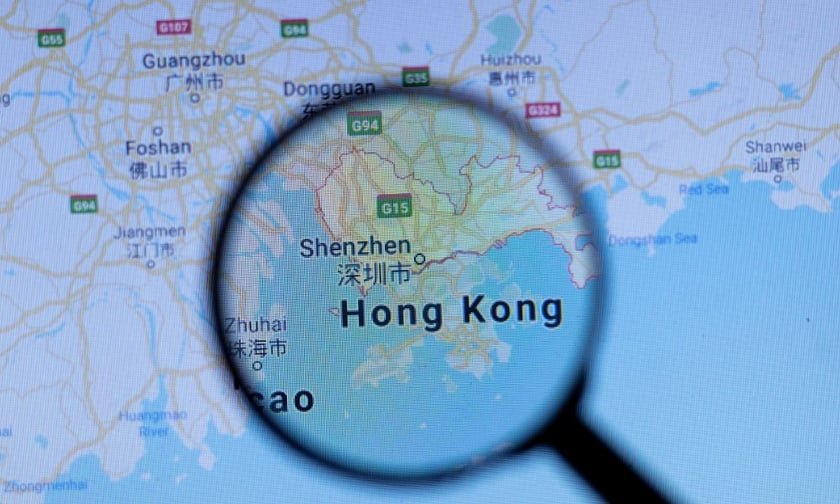
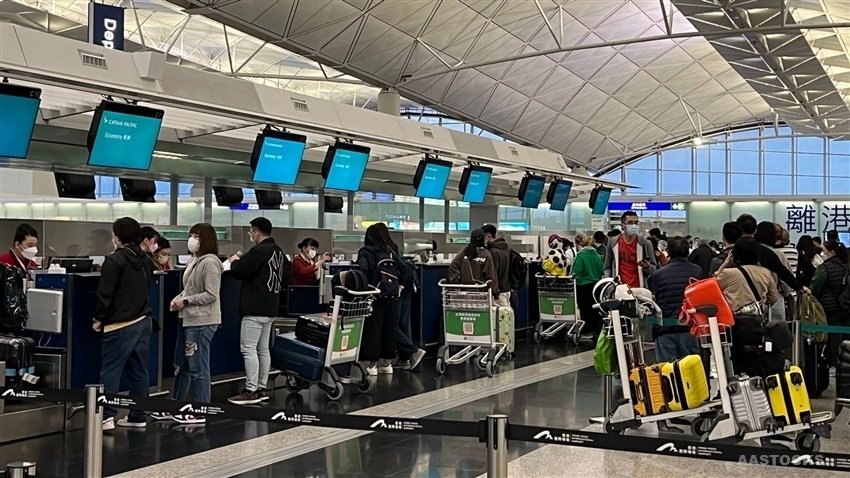
Hong Kong recorded 76,056 mainland Chinese visitor arrivals as Golden Week began, according to early tourism and immigration figures cited by local authorities.
The influx marks a strong opening to the holiday period, which typically runs for several days and drives large-scale domestic and cross-border travel across mainland China and nearby destinations.
Golden Week, centered around China’s National Day holiday, is one of the busiest travel windows of the year.
It is characterized by mass movement of tourists within China and to nearby international destinations, with Hong Kong historically serving as a major short-haul travel hub due to its proximity, transport connectivity, and retail and leisure offerings.
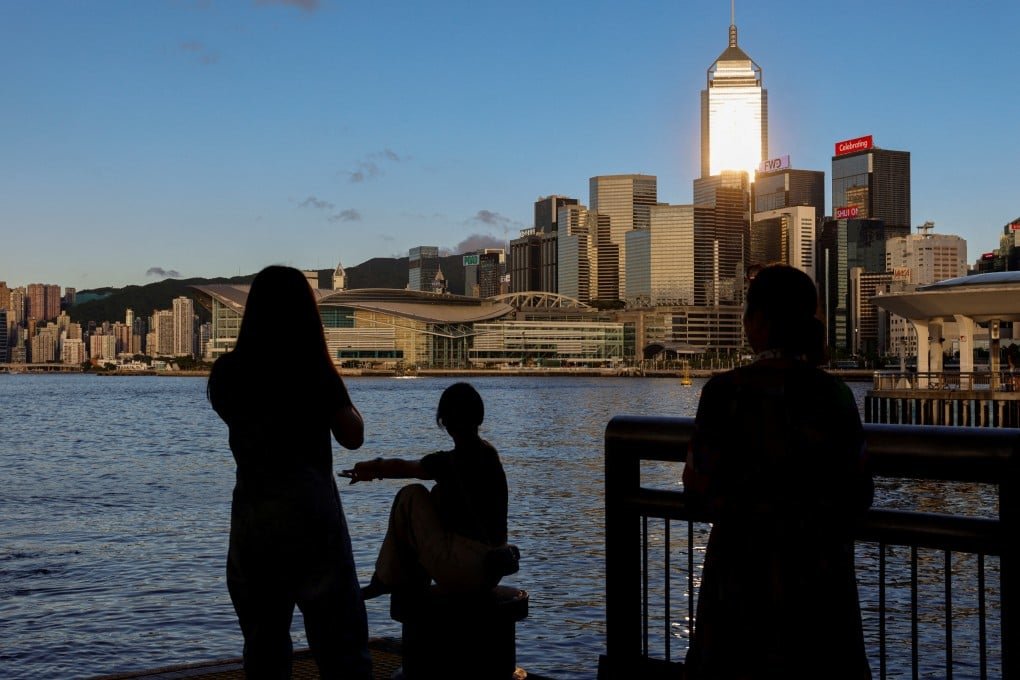
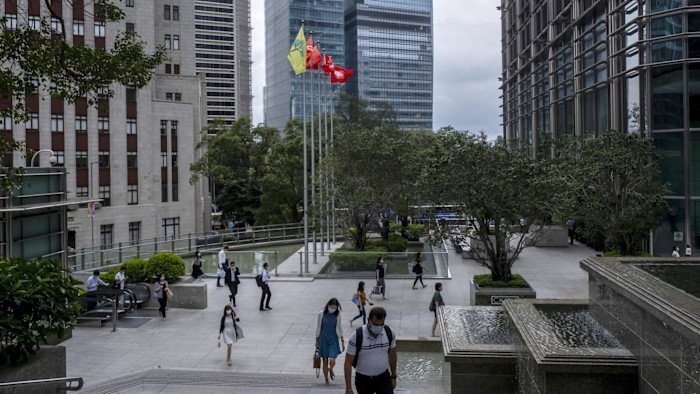
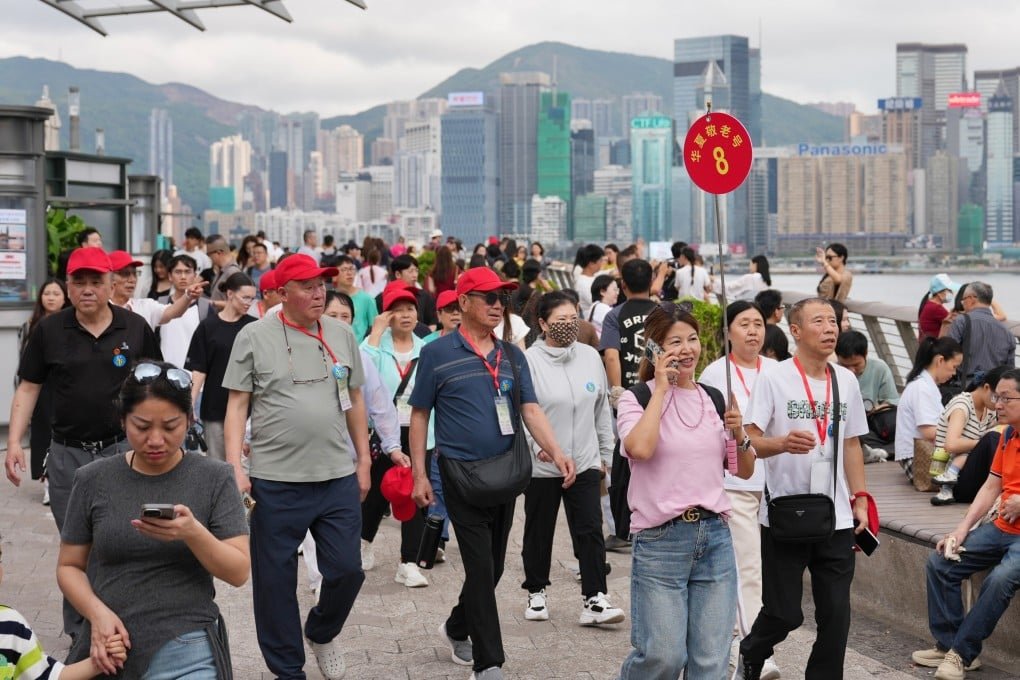
Early activity in Hong Kong shows visitors dispersing beyond traditional shopping districts into outdoor and cultural sites.
Hiking trails in the city’s country parks, coastal walks, and urban sightseeing routes have seen increased foot traffic, reflecting a broader shift in travel preferences among younger mainland tourists toward experiential and nature-based activities rather than purely retail-focused trips.
Tourism operators and local businesses have reported stronger-than-expected early demand in transport services, guided tours, and hospitality sectors.
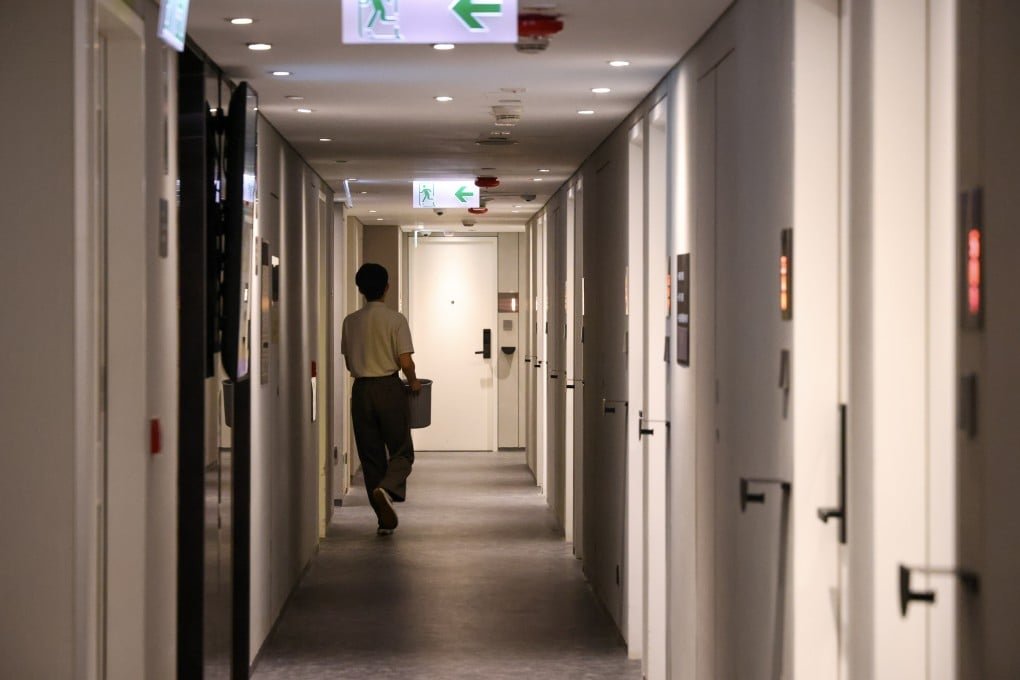
Restaurants in high-traffic areas have also seen increased bookings, while hotels in central districts and tourist corridors have experienced higher occupancy levels compared with typical non-holiday periods.
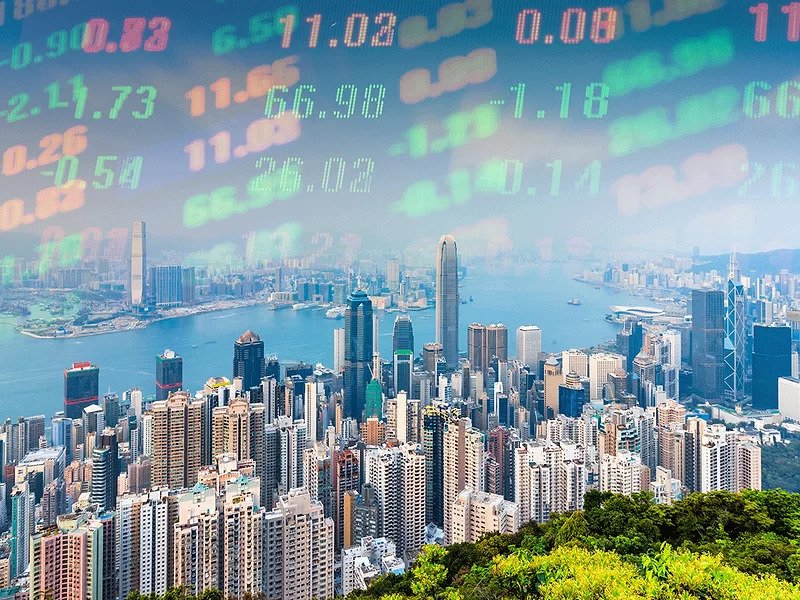
The rebound in visitor numbers is significant for Hong Kong’s broader economic recovery strategy, which has relied heavily on restoring tourism flows following pandemic-era disruptions and border restrictions.
Mainland visitors remain the city’s largest source of inbound tourism, making Golden Week performance a key indicator for retail, hospitality, and service-sector activity.
However, the composition of tourist spending continues to evolve.
Analysts have noted that while visitor volumes are recovering, spending patterns have shifted toward shorter stays and more diversified experiences, with less emphasis on luxury retail than in previous years.
This has prompted businesses to adapt by expanding leisure, cultural, and outdoor offerings.
Infrastructure pressure is also a recurring consideration during peak travel periods.
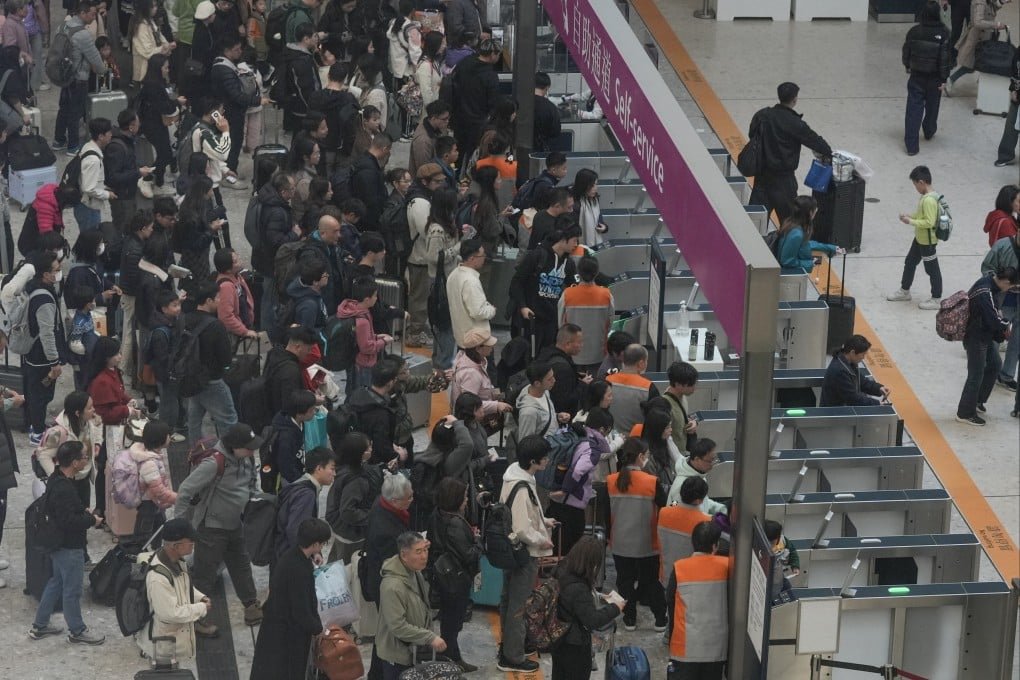
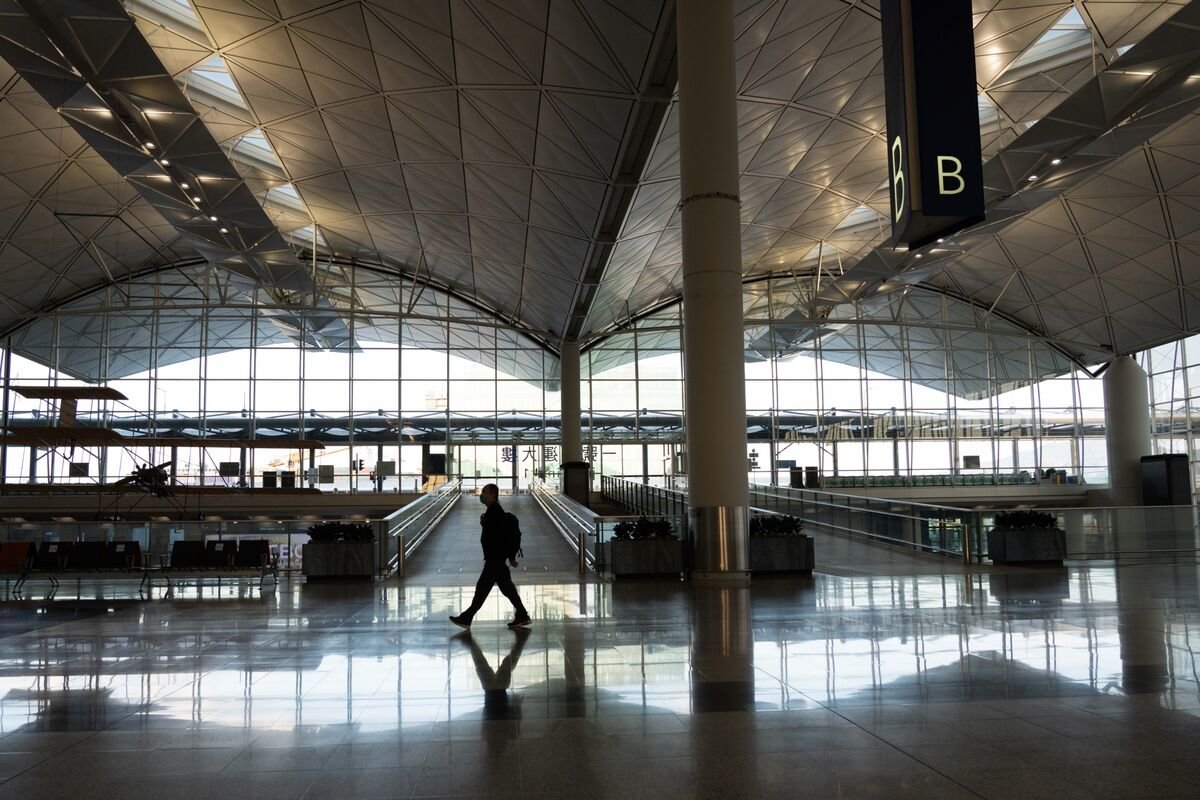
Transport networks, including border checkpoints, rail connections, and urban transit systems, typically experience heavy congestion during Golden Week, requiring coordinated management by authorities to maintain flow and safety.
The early arrival figures suggest a strong start to the holiday period, but the full economic impact will depend on sustained visitor levels and spending behavior over the remaining days of the Golden Week window.
For Hong Kong, the period remains both a critical revenue opportunity and a real-time test of its tourism sector’s post-pandemic repositioning.
Hong Kong recorded 76,056 mainland Chinese visitor arrivals as Golden Week began, according to early tourism and immigration figures cited by local authorities.
The influx marks a strong opening to the holiday period, which typically runs for several days and drives large-scale domestic and cross-border travel across mainland China and nearby destinations.
Golden Week, centered around China’s National Day holiday, is one of the busiest travel windows of the year.
It is characterized by mass movement of tourists within China and to nearby international destinations, with Hong Kong historically serving as a major short-haul travel hub due to its proximity, transport connectivity, and retail and leisure offerings.
Early activity in Hong Kong shows visitors dispersing beyond traditional shopping districts into outdoor and cultural sites.
Hiking trails in the city’s country parks, coastal walks, and urban sightseeing routes have seen increased foot traffic, reflecting a broader shift in travel preferences among younger mainland tourists toward experiential and nature-based activities rather than purely retail-focused trips.
Tourism operators and local businesses have reported stronger-than-expected early demand in transport services, guided tours, and hospitality sectors.
Restaurants in high-traffic areas have also seen increased bookings, while hotels in central districts and tourist corridors have experienced higher occupancy levels compared with typical non-holiday periods.
The rebound in visitor numbers is significant for Hong Kong’s broader economic recovery strategy, which has relied heavily on restoring tourism flows following pandemic-era disruptions and border restrictions.
Mainland visitors remain the city’s largest source of inbound tourism, making Golden Week performance a key indicator for retail, hospitality, and service-sector activity.
However, the composition of tourist spending continues to evolve.
Analysts have noted that while visitor volumes are recovering, spending patterns have shifted toward shorter stays and more diversified experiences, with less emphasis on luxury retail than in previous years.
This has prompted businesses to adapt by expanding leisure, cultural, and outdoor offerings.
Infrastructure pressure is also a recurring consideration during peak travel periods.
Transport networks, including border checkpoints, rail connections, and urban transit systems, typically experience heavy congestion during Golden Week, requiring coordinated management by authorities to maintain flow and safety.
The early arrival figures suggest a strong start to the holiday period, but the full economic impact will depend on sustained visitor levels and spending behavior over the remaining days of the Golden Week window.
For Hong Kong, the period remains both a critical revenue opportunity and a real-time test of its tourism sector’s post-pandemic repositioning.