Visitor momentum slows following the opening of the high-profile Frozen-themed land, raising questions about long-term demand and theme park recovery in a competitive regional market.
The system-driven dynamics of Hong Kong Disneyland’s post-expansion performance have come into focus as early attendance gains linked to its new ‘World of Frozen’ themed area appear to be losing momentum.
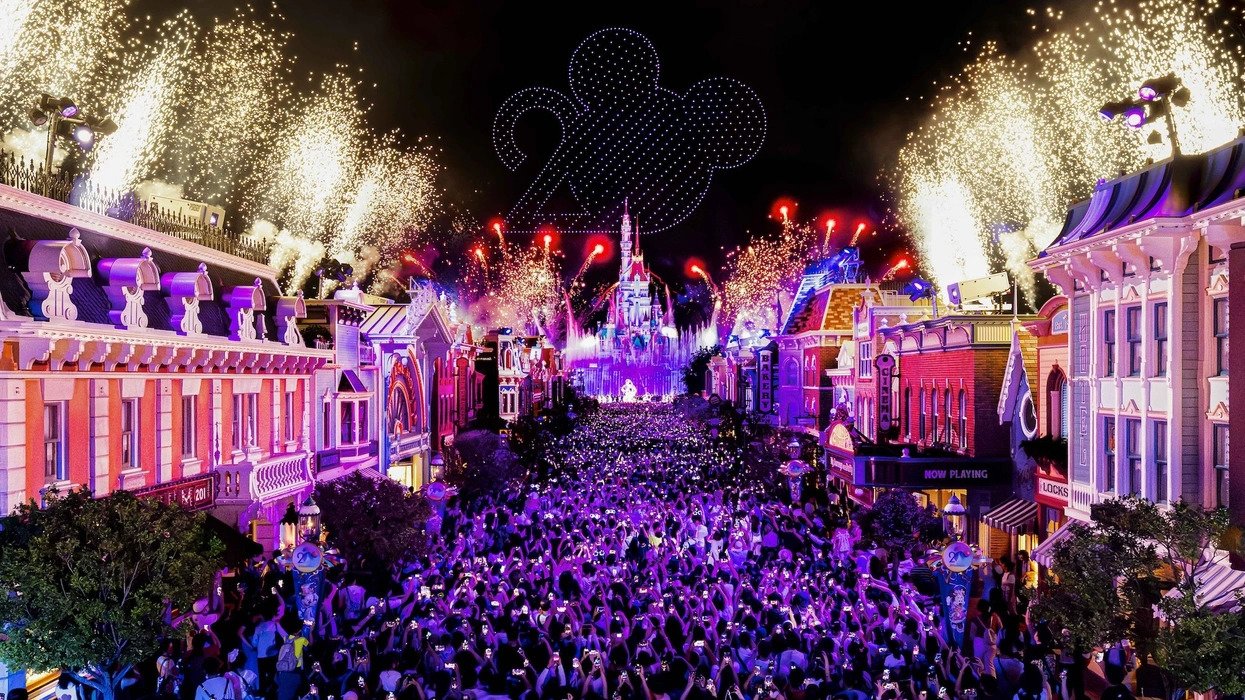
The attraction, built around Disney’s Frozen franchise and launched as a flagship expansion to revitalize the park, initially drove a surge in visitor interest and international attention.
However, more recent operational data and industry assessments indicate that attendance levels have softened after the initial launch period.
What is confirmed is that the ‘World of Frozen’ expansion marked the most significant addition to Hong Kong Disneyland in years, forming part of a broader capital investment strategy aimed at reversing years of fluctuating attendance and financial pressure.
The themed area was designed to extend visitor dwell time, increase spending per guest, and strengthen the park’s position within a highly competitive Asian theme park market dominated by destinations in mainland China, Japan, and Singapore.
The early post-opening phase typically produces elevated attendance figures, driven by novelty effects and strong regional tourism interest.
That pattern was evident here, with initial visitor surges reported after the attraction opened.
However, subsequent visitor flows have reportedly normalized, with fewer spikes in demand and a return toward baseline levels observed before the expansion.
Analysts attribute the slowdown to a combination of factors.
First, the novelty cycle of major themed attractions tends to decay quickly, especially in densely networked tourism markets where competing destinations launch frequent new offerings.
Second, Hong Kong’s broader inbound tourism recovery has been uneven, shaped by regional travel patterns, visa flows, and consumer spending constraints.
Third, local discretionary spending remains sensitive to macroeconomic uncertainty, affecting repeat visitation rates.
The implications are significant for Disney’s long-term strategy in Hong Kong.
The company has invested heavily in upgrading the park’s thematic depth, shifting from a day-visit attraction model toward a multi-day destination model.
That transition depends on sustained attendance growth and higher per-capita spending, both of which are harder to maintain once initial post-launch demand stabilizes.
The park also operates within a structurally constrained geographic market.
Unlike flagship Disney resorts in the United States or Japan, Hong Kong Disneyland draws heavily from a mix of local visitors and short-haul regional tourists.
This makes it more sensitive to regional competition and less insulated from shifts in travel sentiment.
Despite the recent cooling in attendance momentum, the expansion still represents a long-term asset.
Large-scale themed lands typically generate value over extended periods through cyclical tourism rebounds, seasonal peaks, and intellectual property-driven demand.
However, the current trajectory underscores that new attractions alone are not sufficient to guarantee sustained growth without broader demand support.
The key issue moving forward is whether Hong Kong Disneyland can convert early post-expansion interest into repeat visitation and longer stays.
That will depend on pricing strategy, continued content refreshes, and the strength of regional tourism flows rather than the initial draw of a single marquee attraction.
The attraction, built around Disney’s Frozen franchise and launched as a flagship expansion to revitalize the park, initially drove a surge in visitor interest and international attention.
However, more recent operational data and industry assessments indicate that attendance levels have softened after the initial launch period.
What is confirmed is that the ‘World of Frozen’ expansion marked the most significant addition to Hong Kong Disneyland in years, forming part of a broader capital investment strategy aimed at reversing years of fluctuating attendance and financial pressure.
The themed area was designed to extend visitor dwell time, increase spending per guest, and strengthen the park’s position within a highly competitive Asian theme park market dominated by destinations in mainland China, Japan, and Singapore.
The early post-opening phase typically produces elevated attendance figures, driven by novelty effects and strong regional tourism interest.
That pattern was evident here, with initial visitor surges reported after the attraction opened.
However, subsequent visitor flows have reportedly normalized, with fewer spikes in demand and a return toward baseline levels observed before the expansion.
Analysts attribute the slowdown to a combination of factors.
First, the novelty cycle of major themed attractions tends to decay quickly, especially in densely networked tourism markets where competing destinations launch frequent new offerings.
Second, Hong Kong’s broader inbound tourism recovery has been uneven, shaped by regional travel patterns, visa flows, and consumer spending constraints.
Third, local discretionary spending remains sensitive to macroeconomic uncertainty, affecting repeat visitation rates.
The implications are significant for Disney’s long-term strategy in Hong Kong.
The company has invested heavily in upgrading the park’s thematic depth, shifting from a day-visit attraction model toward a multi-day destination model.
That transition depends on sustained attendance growth and higher per-capita spending, both of which are harder to maintain once initial post-launch demand stabilizes.
The park also operates within a structurally constrained geographic market.
Unlike flagship Disney resorts in the United States or Japan, Hong Kong Disneyland draws heavily from a mix of local visitors and short-haul regional tourists.
This makes it more sensitive to regional competition and less insulated from shifts in travel sentiment.
Despite the recent cooling in attendance momentum, the expansion still represents a long-term asset.
Large-scale themed lands typically generate value over extended periods through cyclical tourism rebounds, seasonal peaks, and intellectual property-driven demand.
However, the current trajectory underscores that new attractions alone are not sufficient to guarantee sustained growth without broader demand support.
The key issue moving forward is whether Hong Kong Disneyland can convert early post-expansion interest into repeat visitation and longer stays.
That will depend on pricing strategy, continued content refreshes, and the strength of regional tourism flows rather than the initial draw of a single marquee attraction.