Beijing signals renewed diplomatic push as both countries balance economic ties with security and geopolitical rivalry
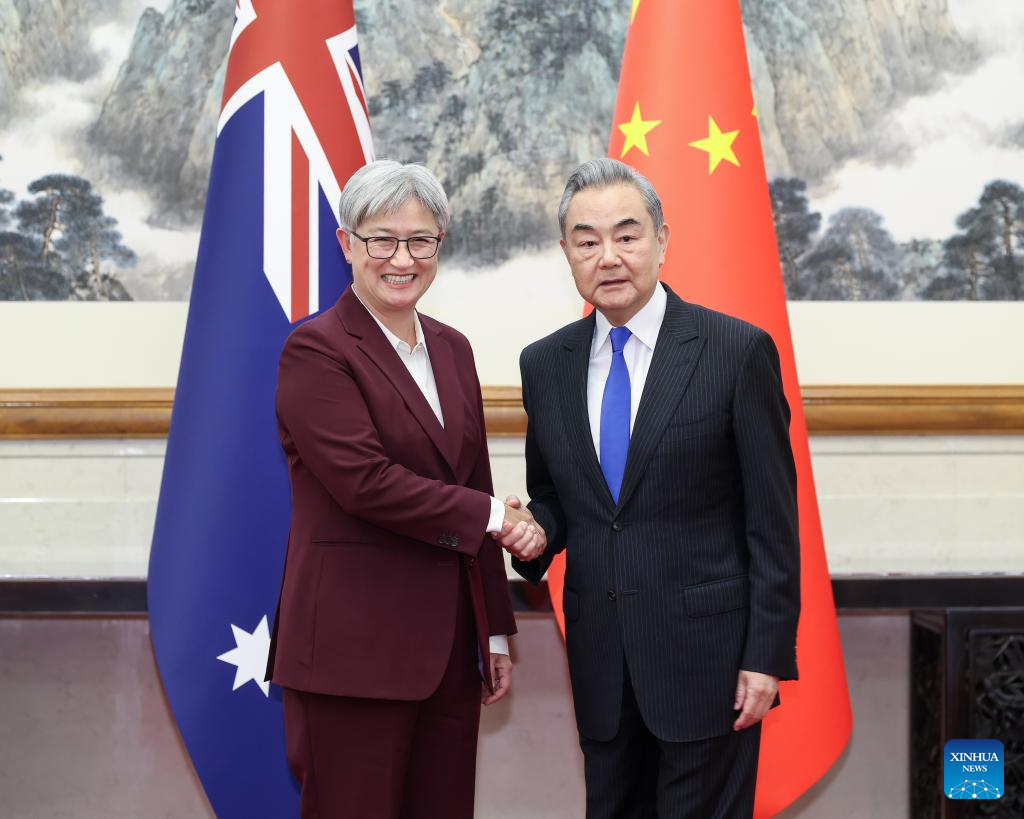
Chinese government diplomacy is driving a renewed effort to stabilize relations with Australia, with senior officials urging both countries to jointly uphold multilateralism as a framework for cooperation.
The call reflects a strategic attempt by Beijing to anchor bilateral ties in global institutions and rules-based engagement despite persistent tensions over security, trade, and regional influence.
What is confirmed is that China’s foreign policy leadership has publicly emphasized the importance of cooperation with Australia within multilateral systems, including global trade bodies and regional forums.
The message centers on maintaining open markets, resisting protectionism, and reinforcing international mechanisms that govern economic and political interaction.
The mechanism behind this outreach is rooted in the structure of China–Australia relations, which combine deep economic interdependence with significant strategic friction.
China remains Australia’s largest trading partner, particularly for commodities such as iron ore, natural gas, and agricultural exports.
At the same time, Australia has strengthened security ties with the United States and regional partners, reflecting concerns over China’s growing military and political influence in the Indo-Pacific.
Beijing’s emphasis on multilateralism serves multiple objectives.
It positions China as a defender of global economic stability at a time of rising geopolitical fragmentation, while also encouraging Australia to engage through institutions where China holds influence.
This approach contrasts with bilateral disputes, where tensions have previously escalated into trade restrictions and diplomatic freezes.
Australia’s position is more complex.
The government has worked to stabilize ties with China following a period of sharp deterioration, including the removal of several trade barriers that had affected key exports.
At the same time, Canberra continues to prioritize national security, including participation in defense arrangements and investment screening frameworks that limit foreign influence in critical sectors.
The key issue is whether multilateral engagement can meaningfully offset underlying strategic distrust.
While both countries benefit from predictable trade rules and regional stability, their broader geopolitical alignments differ significantly.
Australia’s security partnerships and China’s regional ambitions create structural tensions that multilateral forums alone may not resolve.
Recent developments indicate cautious improvement in practical cooperation.
Trade flows have normalized in several sectors after earlier disruptions, and high-level diplomatic contact has resumed.
These steps suggest a mutual interest in preventing further deterioration, even as fundamental differences persist.
The broader stakes extend beyond bilateral relations.
The interaction between China and Australia is a test case for how middle powers navigate economic dependence on China while maintaining security alignment with Western allies.
It also reflects the pressure on global institutions as geopolitical competition intensifies.
China’s latest diplomatic messaging reinforces a pragmatic baseline: cooperation where possible, competition where necessary.
For Australia, the challenge is to engage in multilateral frameworks without compromising strategic autonomy.
The continuation of high-level dialogue and participation in global institutions signals that both sides are maintaining this balancing approach as a working model for the relationship.
The call reflects a strategic attempt by Beijing to anchor bilateral ties in global institutions and rules-based engagement despite persistent tensions over security, trade, and regional influence.
What is confirmed is that China’s foreign policy leadership has publicly emphasized the importance of cooperation with Australia within multilateral systems, including global trade bodies and regional forums.
The message centers on maintaining open markets, resisting protectionism, and reinforcing international mechanisms that govern economic and political interaction.
The mechanism behind this outreach is rooted in the structure of China–Australia relations, which combine deep economic interdependence with significant strategic friction.
China remains Australia’s largest trading partner, particularly for commodities such as iron ore, natural gas, and agricultural exports.
At the same time, Australia has strengthened security ties with the United States and regional partners, reflecting concerns over China’s growing military and political influence in the Indo-Pacific.
Beijing’s emphasis on multilateralism serves multiple objectives.
It positions China as a defender of global economic stability at a time of rising geopolitical fragmentation, while also encouraging Australia to engage through institutions where China holds influence.
This approach contrasts with bilateral disputes, where tensions have previously escalated into trade restrictions and diplomatic freezes.
Australia’s position is more complex.
The government has worked to stabilize ties with China following a period of sharp deterioration, including the removal of several trade barriers that had affected key exports.
At the same time, Canberra continues to prioritize national security, including participation in defense arrangements and investment screening frameworks that limit foreign influence in critical sectors.
The key issue is whether multilateral engagement can meaningfully offset underlying strategic distrust.
While both countries benefit from predictable trade rules and regional stability, their broader geopolitical alignments differ significantly.
Australia’s security partnerships and China’s regional ambitions create structural tensions that multilateral forums alone may not resolve.
Recent developments indicate cautious improvement in practical cooperation.
Trade flows have normalized in several sectors after earlier disruptions, and high-level diplomatic contact has resumed.
These steps suggest a mutual interest in preventing further deterioration, even as fundamental differences persist.
The broader stakes extend beyond bilateral relations.
The interaction between China and Australia is a test case for how middle powers navigate economic dependence on China while maintaining security alignment with Western allies.
It also reflects the pressure on global institutions as geopolitical competition intensifies.
China’s latest diplomatic messaging reinforces a pragmatic baseline: cooperation where possible, competition where necessary.
For Australia, the challenge is to engage in multilateral frameworks without compromising strategic autonomy.
The continuation of high-level dialogue and participation in global institutions signals that both sides are maintaining this balancing approach as a working model for the relationship.