The imprisoned media mogul and Apple Daily founder is honored internationally as debates over press freedom, national security laws, and judicial independence in Hong Kong intensify
The development is actor-driven, centered on the ongoing legal case of Hong Kong media entrepreneur Jimmy Lai and his international recognition amid sustained controversy over press freedom and national security legislation in the territory.
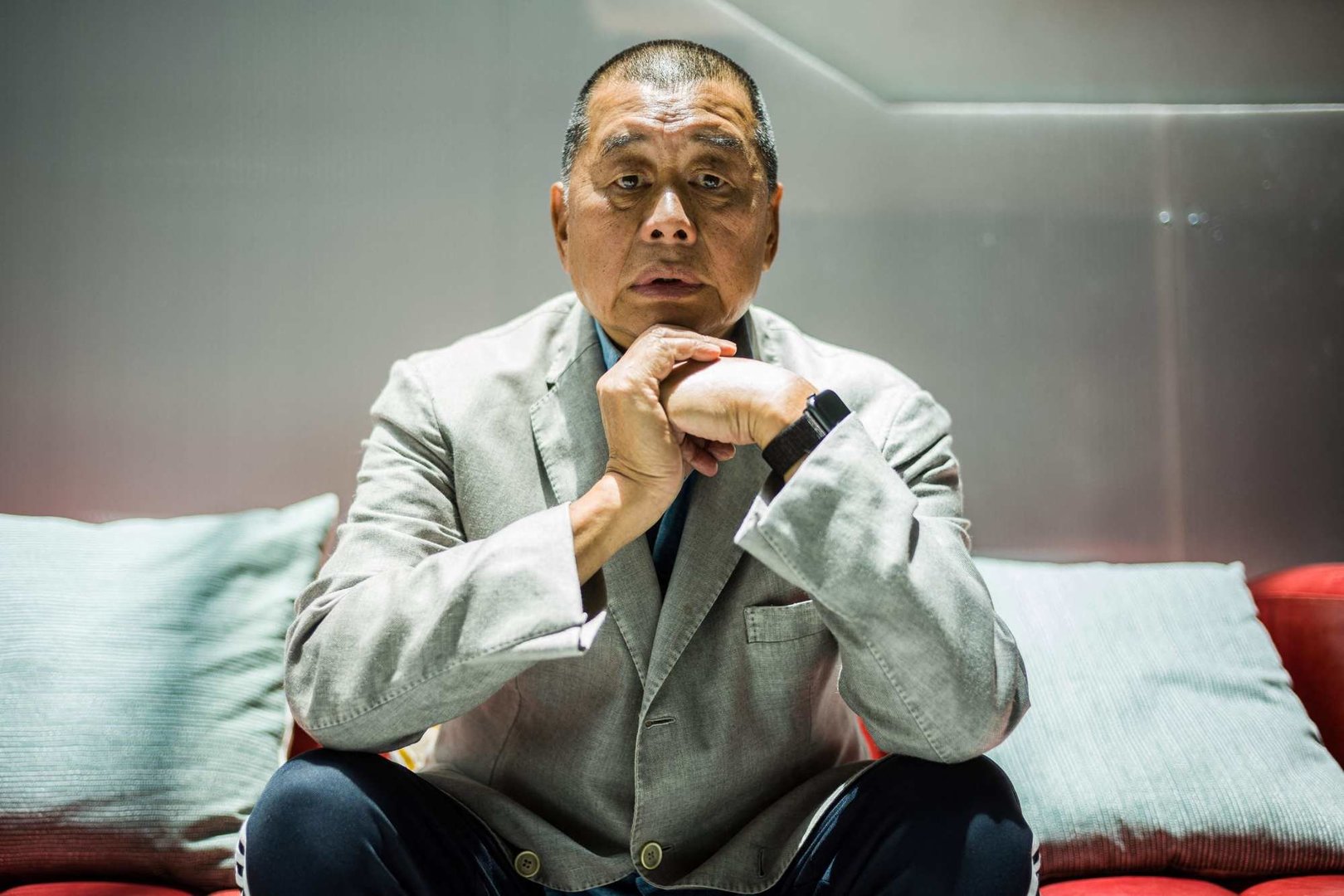
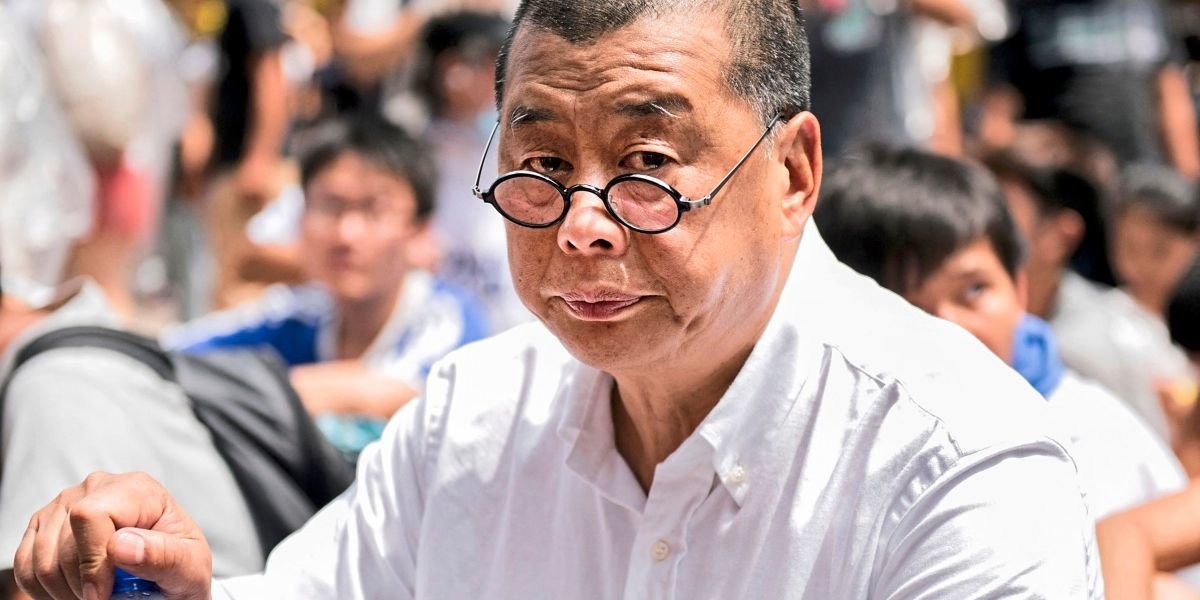
Jimmy Lai, the founder of the now-closed pro-democracy newspaper Apple Daily, has been awarded the 2026 DW Freedom of Speech Award.
The prize is given to individuals and institutions recognized for defending free expression under political pressure.
Lai, who has been detained for several years, is currently facing prosecution under Hong Kong’s national security framework alongside related charges connected to his media activities and business operations.
The award highlights a sharp international divide over how Lai’s case should be interpreted.
Supporters of the award argue that he has become a global symbol of press freedom under pressure, pointing to the closure of Apple Daily in 2021 and the broader contraction of independent media outlets in Hong Kong.
They view his prosecution as emblematic of shrinking space for dissenting journalism in the city.
Hong Kong authorities, however, have consistently rejected the framing of Lai’s prosecution as a press freedom issue.
Officials maintain that the charges relate to alleged violations of national security laws and other criminal statutes, and argue that legal proceedings are being conducted in accordance with the city’s judicial system.
They emphasize that press freedom is protected under local law, but not in a way that exempts individuals or organizations from criminal accountability.
Lai’s case has become one of the most closely watched legal proceedings in Hong Kong since the introduction of the national security law in 2020. That legislation significantly expanded state powers to prosecute acts defined as secession, subversion, terrorism, and collusion with foreign forces.
Critics argue that its broad language has had a chilling effect on media and civil society, while supporters say it is necessary for stability and governance.
Apple Daily, founded by Lai in 1995, was one of Hong Kong’s most widely read newspapers before it ceased operations in 2021 following arrests of senior executives, asset freezes, and police raids on its offices.
The shutdown marked a turning point in the city’s media landscape, with several independent outlets reducing operations or relocating staff abroad.
The awarding of the Freedom of Speech Prize adds symbolic weight to Lai’s legal situation, but does not alter his judicial status.
He remains in custody while proceedings continue, and his case has drawn sustained attention from governments, human rights organizations, and press advocacy groups around the world.
The broader implications extend beyond a single prosecution.
The case continues to shape perceptions of Hong Kong’s legal autonomy, its obligations under international human rights frameworks, and its standing as a global financial and media hub.
It also remains a focal point in ongoing tensions between Beijing’s national security priorities and international expectations regarding press freedom and rule of law standards.
As the trial progresses, Lai’s international recognition reinforces his status as a central figure in debates over journalism, political dissent, and legal boundaries in Hong Kong, while the city’s authorities maintain that the case reflects lawful enforcement rather than restrictions on expression.
Jimmy Lai, the founder of the now-closed pro-democracy newspaper Apple Daily, has been awarded the 2026 DW Freedom of Speech Award.
The prize is given to individuals and institutions recognized for defending free expression under political pressure.
Lai, who has been detained for several years, is currently facing prosecution under Hong Kong’s national security framework alongside related charges connected to his media activities and business operations.
The award highlights a sharp international divide over how Lai’s case should be interpreted.
Supporters of the award argue that he has become a global symbol of press freedom under pressure, pointing to the closure of Apple Daily in 2021 and the broader contraction of independent media outlets in Hong Kong.
They view his prosecution as emblematic of shrinking space for dissenting journalism in the city.
Hong Kong authorities, however, have consistently rejected the framing of Lai’s prosecution as a press freedom issue.
Officials maintain that the charges relate to alleged violations of national security laws and other criminal statutes, and argue that legal proceedings are being conducted in accordance with the city’s judicial system.
They emphasize that press freedom is protected under local law, but not in a way that exempts individuals or organizations from criminal accountability.
Lai’s case has become one of the most closely watched legal proceedings in Hong Kong since the introduction of the national security law in 2020. That legislation significantly expanded state powers to prosecute acts defined as secession, subversion, terrorism, and collusion with foreign forces.
Critics argue that its broad language has had a chilling effect on media and civil society, while supporters say it is necessary for stability and governance.
Apple Daily, founded by Lai in 1995, was one of Hong Kong’s most widely read newspapers before it ceased operations in 2021 following arrests of senior executives, asset freezes, and police raids on its offices.
The shutdown marked a turning point in the city’s media landscape, with several independent outlets reducing operations or relocating staff abroad.
The awarding of the Freedom of Speech Prize adds symbolic weight to Lai’s legal situation, but does not alter his judicial status.
He remains in custody while proceedings continue, and his case has drawn sustained attention from governments, human rights organizations, and press advocacy groups around the world.
The broader implications extend beyond a single prosecution.
The case continues to shape perceptions of Hong Kong’s legal autonomy, its obligations under international human rights frameworks, and its standing as a global financial and media hub.
It also remains a focal point in ongoing tensions between Beijing’s national security priorities and international expectations regarding press freedom and rule of law standards.
As the trial progresses, Lai’s international recognition reinforces his status as a central figure in debates over journalism, political dissent, and legal boundaries in Hong Kong, while the city’s authorities maintain that the case reflects lawful enforcement rather than restrictions on expression.