Chief justice calls on senior counsel to safeguard judicial credibility amid sustained scrutiny over rule of law and institutional independence
An institution-driven effort to preserve judicial legitimacy in Hong Kong has taken center stage after the city’s chief justice publicly urged senior counsel to uphold and strengthen public trust in the courts, framing confidence in the legal system as a core requirement for stability under heightened political and social scrutiny.
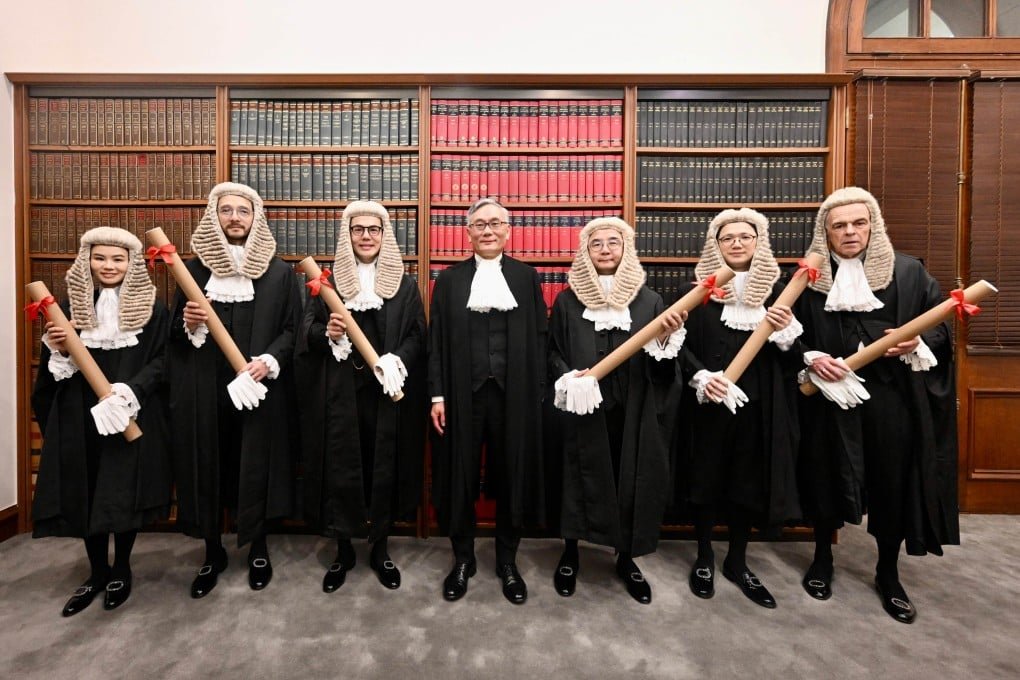
What is confirmed is that the chief justice of Hong Kong addressed senior members of the legal profession, calling on them to actively support the integrity and reputation of the judiciary.
The remarks emphasized the responsibility of experienced lawyers and advocates in maintaining confidence in court processes, rulings, and the broader administration of justice.
The judiciary in Hong Kong operates under a common law system inherited from British administration, now functioning within the framework of the “one country, two systems” arrangement under Chinese sovereignty.
This structure preserves a separate legal system from mainland China, including an independent court hierarchy and a final appellate court staffed in part by overseas judges.
In recent years, Hong Kong’s courts have operated under intensified public and international scrutiny linked to major political developments, including national security legislation and high-profile prosecutions arising from protests and political expression cases.
These developments have placed the judiciary at the center of debates over legal autonomy, judicial independence, and the boundaries of political authority.
The chief justice’s appeal to senior counsel reflects a broader institutional concern: that confidence in the judiciary depends not only on formal independence but also on public perception of fairness, transparency, and consistency in legal reasoning.
Legal elites, particularly senior counsel, play a key role in shaping courtroom standards, professional conduct, and the quality of advocacy in complex cases.
The mechanism at stake is reputational rather than procedural.
Courts rely on public acceptance of their legitimacy, which is reinforced through consistent application of law, visible independence from external pressure, and the professional conduct of those who appear before them.
When confidence erodes, even legally sound judgments can face challenges in perceived legitimacy, affecting broader governance stability.
Supporters of the judiciary’s current framework argue that Hong Kong’s courts continue to operate according to established legal principles and maintain distinct procedural safeguards that differentiate them from mainland legal institutions.
Critics, however, have raised concerns internationally about whether recent legal and political changes have affected the perceived independence of judicial decision-making.
The chief justice’s remarks place responsibility on the legal profession itself to act as a stabilizing force, reinforcing norms of advocacy, ethical standards, and respect for judicial processes.
The appeal also signals an institutional recognition that maintaining trust in the legal system is now an active challenge requiring engagement beyond formal court rulings.
The immediate consequence of the statement is a renewed focus on the role of senior legal practitioners in shaping the credibility of Hong Kong’s judiciary at a time when the courts remain central to politically sensitive and socially consequential cases, reinforcing the expectation that legal professionalism will serve as a key pillar supporting institutional legitimacy going forward.
What is confirmed is that the chief justice of Hong Kong addressed senior members of the legal profession, calling on them to actively support the integrity and reputation of the judiciary.
The remarks emphasized the responsibility of experienced lawyers and advocates in maintaining confidence in court processes, rulings, and the broader administration of justice.
The judiciary in Hong Kong operates under a common law system inherited from British administration, now functioning within the framework of the “one country, two systems” arrangement under Chinese sovereignty.
This structure preserves a separate legal system from mainland China, including an independent court hierarchy and a final appellate court staffed in part by overseas judges.
In recent years, Hong Kong’s courts have operated under intensified public and international scrutiny linked to major political developments, including national security legislation and high-profile prosecutions arising from protests and political expression cases.
These developments have placed the judiciary at the center of debates over legal autonomy, judicial independence, and the boundaries of political authority.
The chief justice’s appeal to senior counsel reflects a broader institutional concern: that confidence in the judiciary depends not only on formal independence but also on public perception of fairness, transparency, and consistency in legal reasoning.
Legal elites, particularly senior counsel, play a key role in shaping courtroom standards, professional conduct, and the quality of advocacy in complex cases.
The mechanism at stake is reputational rather than procedural.
Courts rely on public acceptance of their legitimacy, which is reinforced through consistent application of law, visible independence from external pressure, and the professional conduct of those who appear before them.
When confidence erodes, even legally sound judgments can face challenges in perceived legitimacy, affecting broader governance stability.
Supporters of the judiciary’s current framework argue that Hong Kong’s courts continue to operate according to established legal principles and maintain distinct procedural safeguards that differentiate them from mainland legal institutions.
Critics, however, have raised concerns internationally about whether recent legal and political changes have affected the perceived independence of judicial decision-making.
The chief justice’s remarks place responsibility on the legal profession itself to act as a stabilizing force, reinforcing norms of advocacy, ethical standards, and respect for judicial processes.
The appeal also signals an institutional recognition that maintaining trust in the legal system is now an active challenge requiring engagement beyond formal court rulings.
The immediate consequence of the statement is a renewed focus on the role of senior legal practitioners in shaping the credibility of Hong Kong’s judiciary at a time when the courts remain central to politically sensitive and socially consequential cases, reinforcing the expectation that legal professionalism will serve as a key pillar supporting institutional legitimacy going forward.