The fund says Hong Kong’s financial system remains resilient, yet warns that rising energy costs, tighter global liquidity and geopolitical fragmentation could slow growth and strain property and credit markets.
System-driven pressures in the global economy are shaping the International Monetary Fund’s latest assessment of Hong Kong, with the organization warning that the city’s recovery now faces mounting risks from the expanding conflict in the Middle East and the resulting shock to energy markets, inflation and international finance.
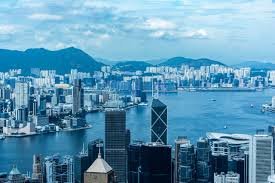
The IMF concluded its latest review of Hong Kong by describing the economy as resilient and still recovering from years of disruption that began with the pandemic and extended through political turmoil, high interest rates and a prolonged property downturn.
The fund said economic growth strengthened in 2025 and early 2026, supported by technology-related exports, recovering financial activity and improving private demand.
What is confirmed is that Hong Kong’s economy accelerated sharply in the first quarter of 2026. Official figures released this week showed gross domestic product expanding by 5.9 percent year-on-year, substantially faster than previous quarters.
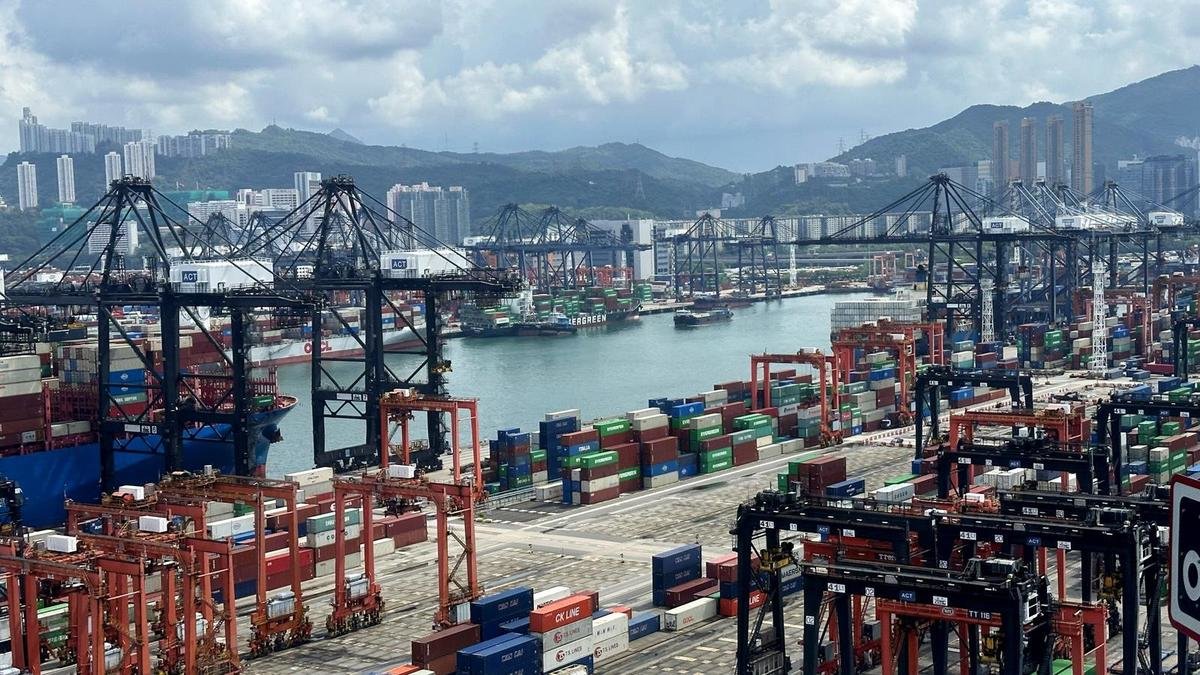
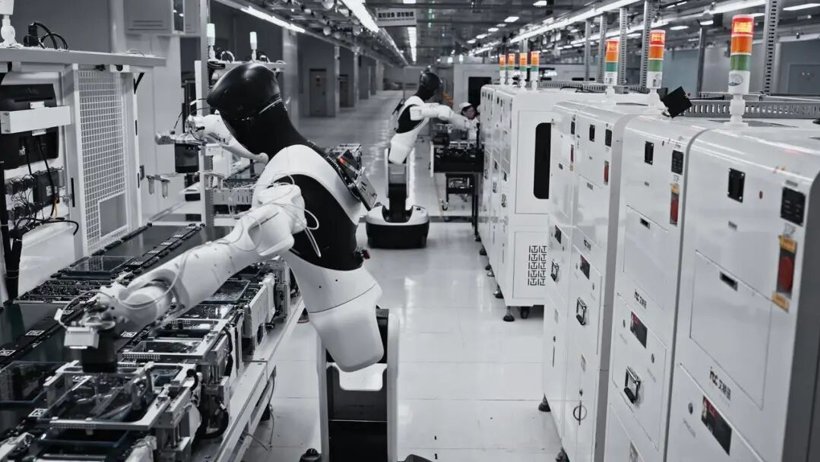
Exports tied to electronics, artificial intelligence infrastructure and regional trade flows were major contributors.
Financial fundraising activity also improved, reinforcing Hong Kong’s role as China’s main offshore capital market.
The IMF nevertheless warned that the recovery remains incomplete.
Economic activity is still below its long-term pre-pandemic trajectory.
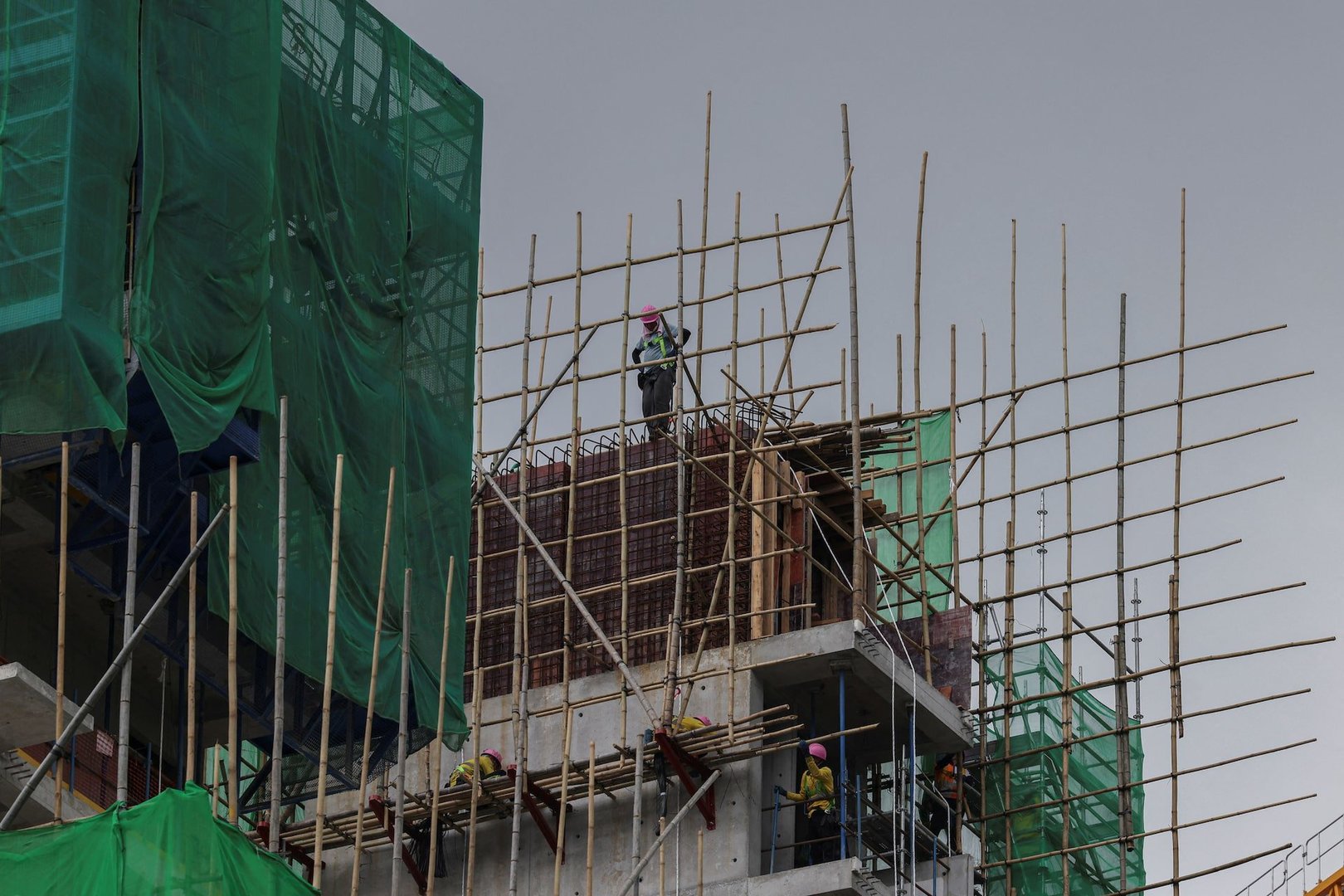
Private investment remains subdued, labor-force participation has not fully recovered and commercial real estate continues to face structural pressure from weak office demand and changing retail patterns.
The key issue is Hong Kong’s extreme exposure to external shocks.
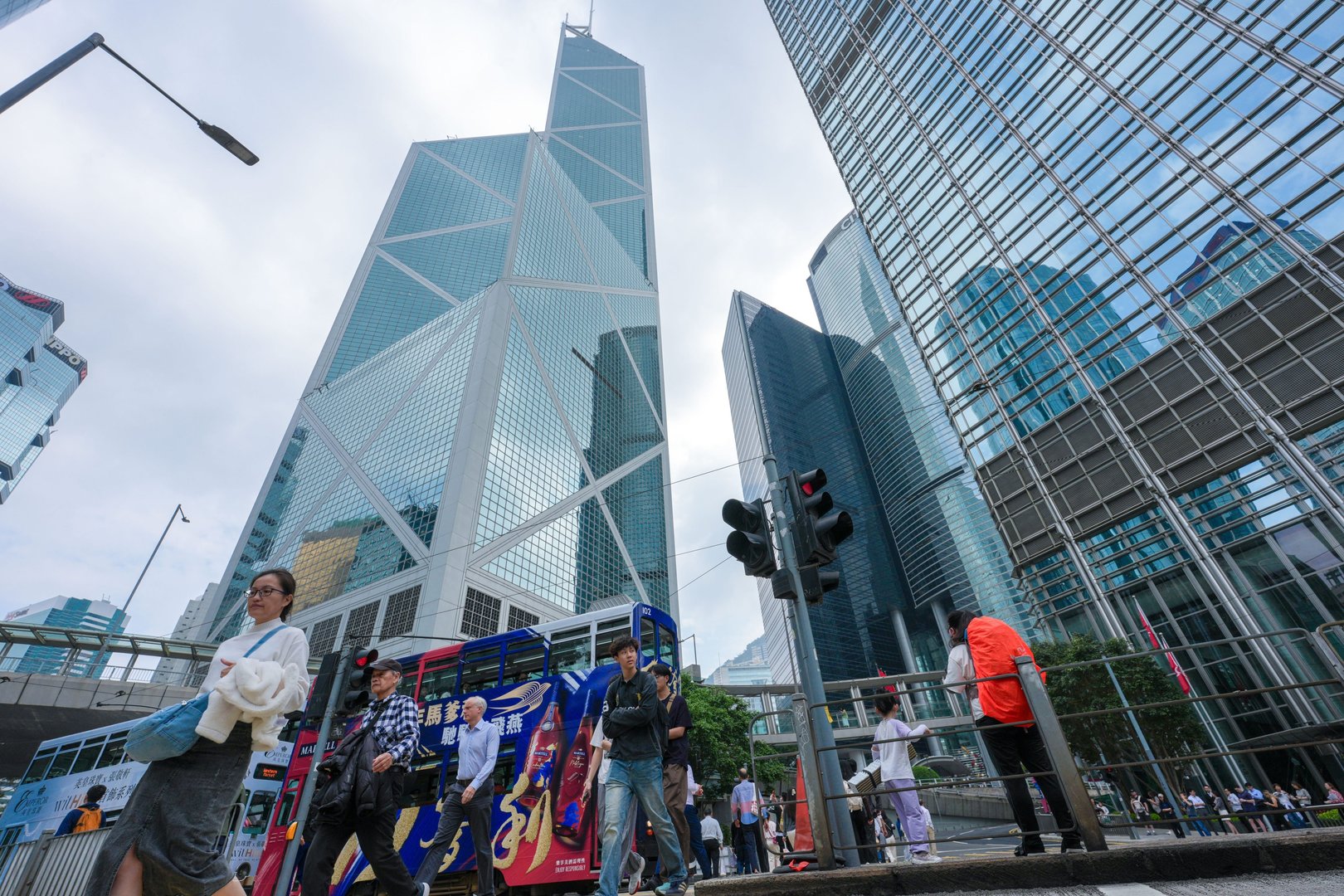
The city operates as one of the world’s most open financial and trading hubs, with a currency peg to the US dollar and deep integration into global capital flows.
That structure provides stability during normal periods but also transmits global stress rapidly into the domestic economy.
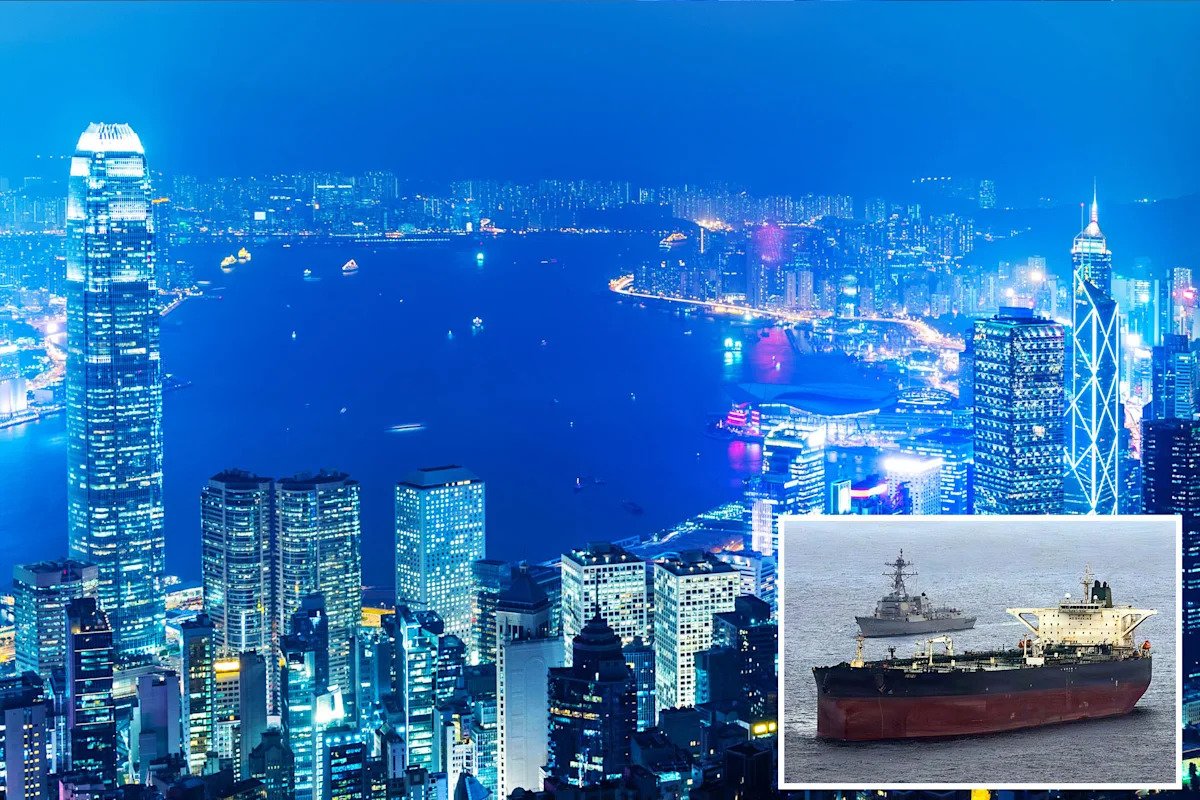
The IMF identified the Middle East conflict as the central near-term threat.
Rising oil prices, tighter financial conditions and growing geopolitical fragmentation are already affecting global trade and investment patterns.
The organization warned that prolonged disruption to energy supplies or shipping routes could intensify inflation pressures worldwide while weakening demand across Asia.
Hong Kong is particularly vulnerable because it imports virtually all of its energy and depends heavily on trade-sensitive sectors.
Higher fuel prices raise costs for transport, logistics, aviation and manufacturing supply chains.
At the same time, tighter monetary conditions linked to global inflation can increase borrowing costs across the city’s highly leveraged property and corporate sectors.
The IMF projected Hong Kong’s economic growth would slow to roughly 2.4 percent in 2026 despite the strong start to the year.
The moderation reflects expectations of weaker external demand and more restrictive financial conditions as geopolitical tensions continue to affect commodity prices and investor sentiment.
Financial stability remains a critical concern beneath the headline growth figures.
Hong Kong’s banking sector remains well-capitalized and liquid, according to the IMF, and the Linked Exchange Rate System tying the Hong Kong dollar to the US dollar continues to function smoothly.
However, the fund stressed that stress could emerge in areas exposed to falling commercial property valuations and debt-servicing pressure.
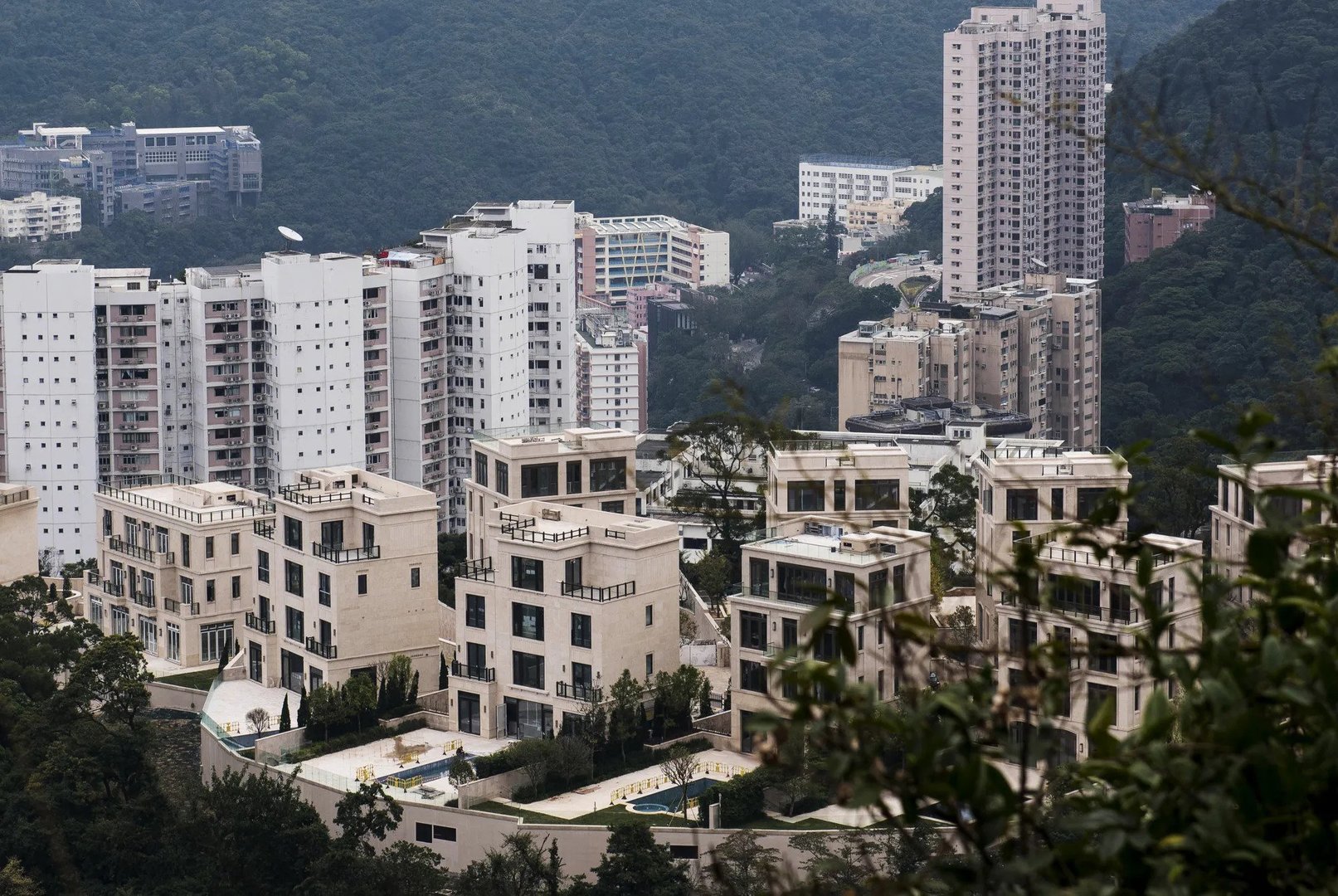
Commercial real estate remains one of the city’s weakest sectors.
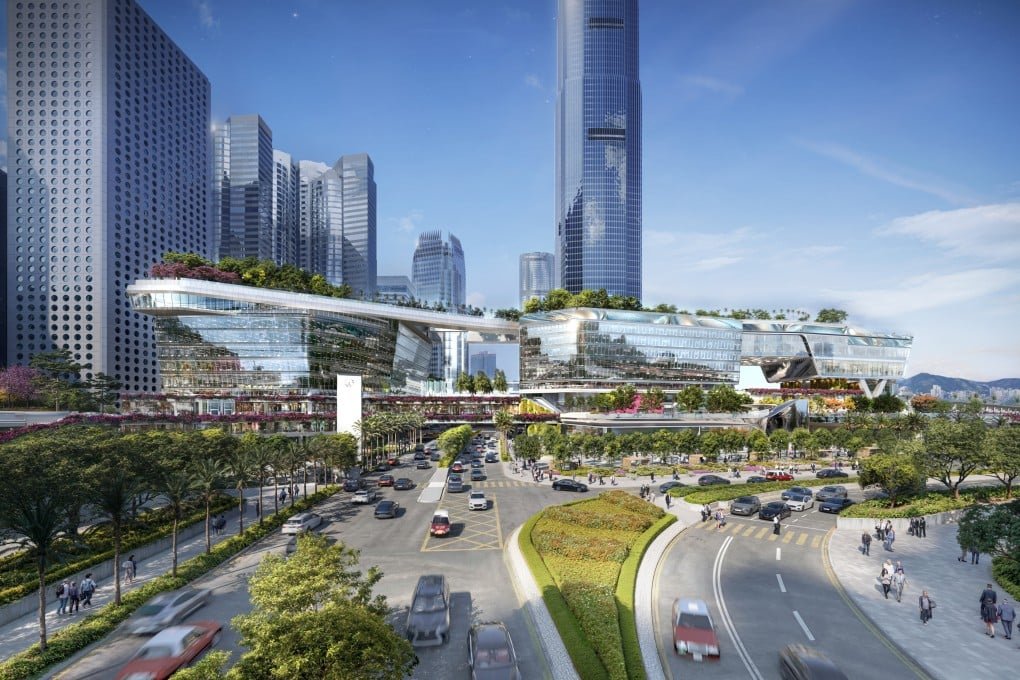
Office vacancies remain elevated, retail landlords continue to face structural shifts in consumer behavior and asset prices remain well below their peak levels.
Higher global interest rates have compounded the pressure by increasing financing costs and reducing investor appetite for leveraged property exposure.
The IMF also highlighted broader geopolitical fragmentation as a long-term structural risk.
Hong Kong’s economy increasingly depends on acting as a financial and commercial connector between mainland China and international markets.
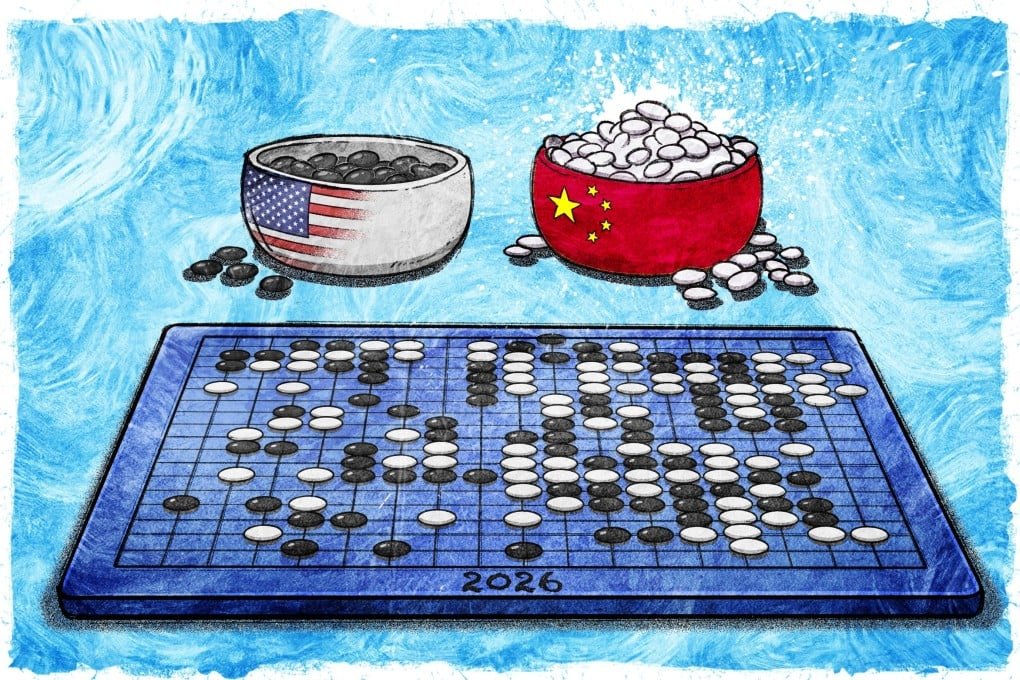
That role remains valuable, particularly in cross-border finance and offshore renminbi business, but it also exposes the city more directly to tensions involving trade restrictions, sanctions risks and strategic competition between major powers.
At the same time, the fund acknowledged that Hong Kong retains significant institutional strengths.
Foreign exchange reserves remain large, banking regulation is regarded as robust and public debt levels remain comparatively low.
The IMF also pointed to renewed activity in equity fundraising and asset management as signs that global investors continue to use Hong Kong as a gateway to Chinese markets despite geopolitical tensions.
The organization urged Hong Kong authorities to maintain supportive fiscal policy in the short term while preparing longer-term revenue reforms.
The IMF specifically raised the possibility of broadening the tax base through measures such as a goods and services tax to stabilize government finances as spending pressures rise and land-related revenue weakens.
Another emerging pressure point is demographics and labor supply.
Hong Kong’s labor-force participation rate remains below pre-pandemic levels, reflecting population aging, outward migration and structural workforce shifts.
The IMF argued that improving workforce participation and investing in innovation, digital finance and advanced technology sectors will be necessary to sustain future growth.
The broader global backdrop remains unstable.
The IMF has repeatedly warned that escalation in the Middle East could trigger more severe economic scenarios involving oil prices above one hundred dollars per barrel, sharper inflation spikes and abrupt tightening in global financial conditions.
Those risks matter disproportionately to trade-dependent financial centers like Hong Kong.
For now, the city’s economy continues to expand, financial markets remain orderly and authorities are maintaining their broader growth outlook.
But the IMF’s message is direct: Hong Kong’s resilience depends less on local momentum than on whether the global system avoids a deeper geopolitical and energy-driven economic shock.
The IMF concluded its latest review of Hong Kong by describing the economy as resilient and still recovering from years of disruption that began with the pandemic and extended through political turmoil, high interest rates and a prolonged property downturn.
The fund said economic growth strengthened in 2025 and early 2026, supported by technology-related exports, recovering financial activity and improving private demand.
What is confirmed is that Hong Kong’s economy accelerated sharply in the first quarter of 2026. Official figures released this week showed gross domestic product expanding by 5.9 percent year-on-year, substantially faster than previous quarters.
Exports tied to electronics, artificial intelligence infrastructure and regional trade flows were major contributors.
Financial fundraising activity also improved, reinforcing Hong Kong’s role as China’s main offshore capital market.
The IMF nevertheless warned that the recovery remains incomplete.
Economic activity is still below its long-term pre-pandemic trajectory.
Private investment remains subdued, labor-force participation has not fully recovered and commercial real estate continues to face structural pressure from weak office demand and changing retail patterns.
The key issue is Hong Kong’s extreme exposure to external shocks.
The city operates as one of the world’s most open financial and trading hubs, with a currency peg to the US dollar and deep integration into global capital flows.
That structure provides stability during normal periods but also transmits global stress rapidly into the domestic economy.
The IMF identified the Middle East conflict as the central near-term threat.
Rising oil prices, tighter financial conditions and growing geopolitical fragmentation are already affecting global trade and investment patterns.
The organization warned that prolonged disruption to energy supplies or shipping routes could intensify inflation pressures worldwide while weakening demand across Asia.
Hong Kong is particularly vulnerable because it imports virtually all of its energy and depends heavily on trade-sensitive sectors.
Higher fuel prices raise costs for transport, logistics, aviation and manufacturing supply chains.
At the same time, tighter monetary conditions linked to global inflation can increase borrowing costs across the city’s highly leveraged property and corporate sectors.
The IMF projected Hong Kong’s economic growth would slow to roughly 2.4 percent in 2026 despite the strong start to the year.
The moderation reflects expectations of weaker external demand and more restrictive financial conditions as geopolitical tensions continue to affect commodity prices and investor sentiment.
Financial stability remains a critical concern beneath the headline growth figures.
Hong Kong’s banking sector remains well-capitalized and liquid, according to the IMF, and the Linked Exchange Rate System tying the Hong Kong dollar to the US dollar continues to function smoothly.
However, the fund stressed that stress could emerge in areas exposed to falling commercial property valuations and debt-servicing pressure.
Commercial real estate remains one of the city’s weakest sectors.
Office vacancies remain elevated, retail landlords continue to face structural shifts in consumer behavior and asset prices remain well below their peak levels.
Higher global interest rates have compounded the pressure by increasing financing costs and reducing investor appetite for leveraged property exposure.
The IMF also highlighted broader geopolitical fragmentation as a long-term structural risk.
Hong Kong’s economy increasingly depends on acting as a financial and commercial connector between mainland China and international markets.
That role remains valuable, particularly in cross-border finance and offshore renminbi business, but it also exposes the city more directly to tensions involving trade restrictions, sanctions risks and strategic competition between major powers.
At the same time, the fund acknowledged that Hong Kong retains significant institutional strengths.
Foreign exchange reserves remain large, banking regulation is regarded as robust and public debt levels remain comparatively low.
The IMF also pointed to renewed activity in equity fundraising and asset management as signs that global investors continue to use Hong Kong as a gateway to Chinese markets despite geopolitical tensions.
The organization urged Hong Kong authorities to maintain supportive fiscal policy in the short term while preparing longer-term revenue reforms.
The IMF specifically raised the possibility of broadening the tax base through measures such as a goods and services tax to stabilize government finances as spending pressures rise and land-related revenue weakens.
Another emerging pressure point is demographics and labor supply.
Hong Kong’s labor-force participation rate remains below pre-pandemic levels, reflecting population aging, outward migration and structural workforce shifts.
The IMF argued that improving workforce participation and investing in innovation, digital finance and advanced technology sectors will be necessary to sustain future growth.
The broader global backdrop remains unstable.
The IMF has repeatedly warned that escalation in the Middle East could trigger more severe economic scenarios involving oil prices above one hundred dollars per barrel, sharper inflation spikes and abrupt tightening in global financial conditions.
Those risks matter disproportionately to trade-dependent financial centers like Hong Kong.
For now, the city’s economy continues to expand, financial markets remain orderly and authorities are maintaining their broader growth outlook.
But the IMF’s message is direct: Hong Kong’s resilience depends less on local momentum than on whether the global system avoids a deeper geopolitical and energy-driven economic shock.