U.S. inflation climbs to 3.8 percent as tariffs, energy shocks, and global tensions raise costs and deepen political pressure on the White House
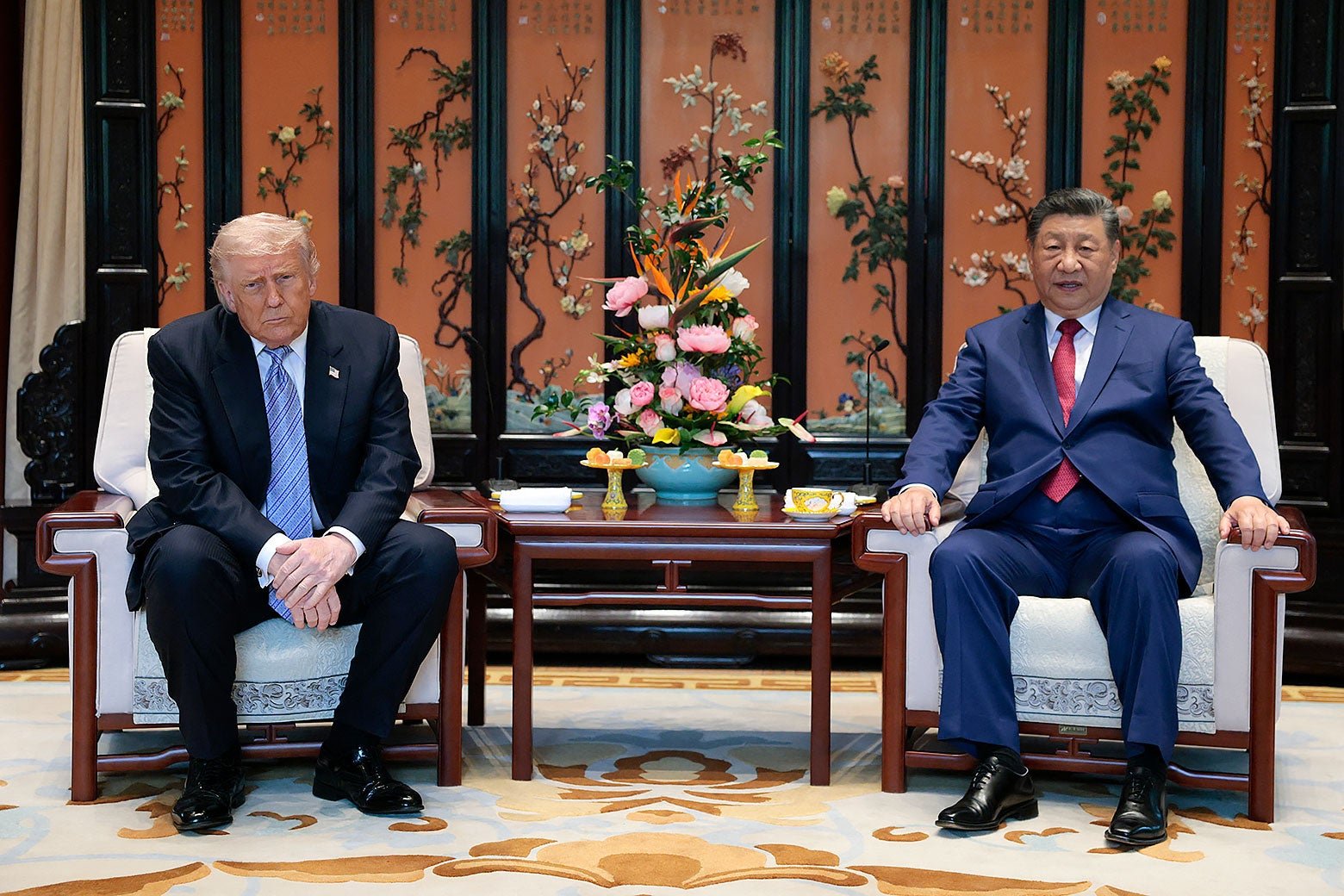
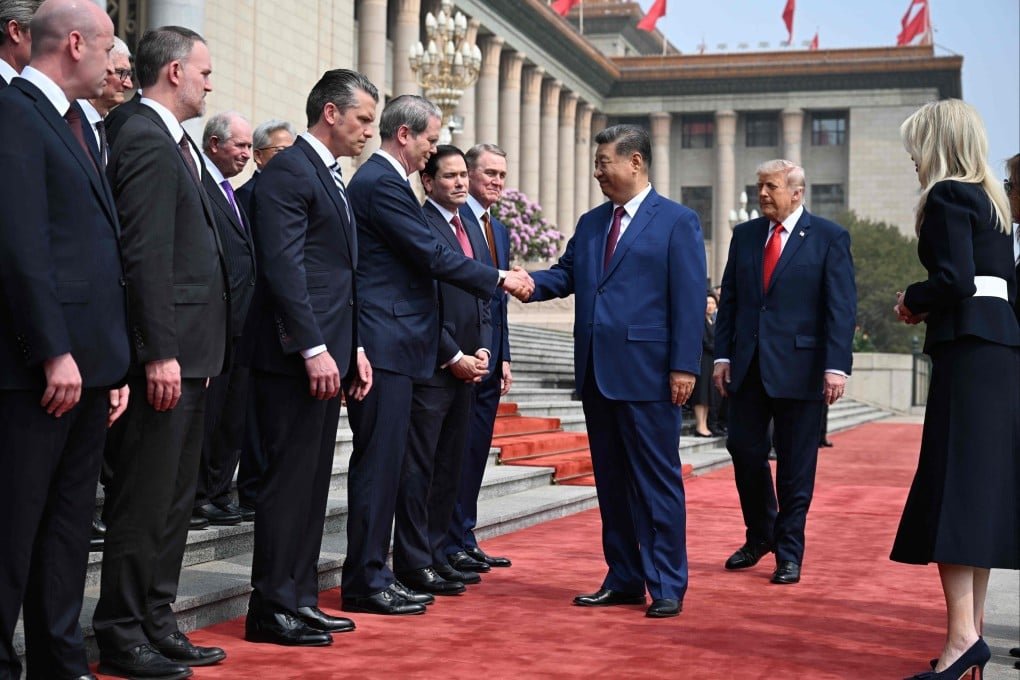
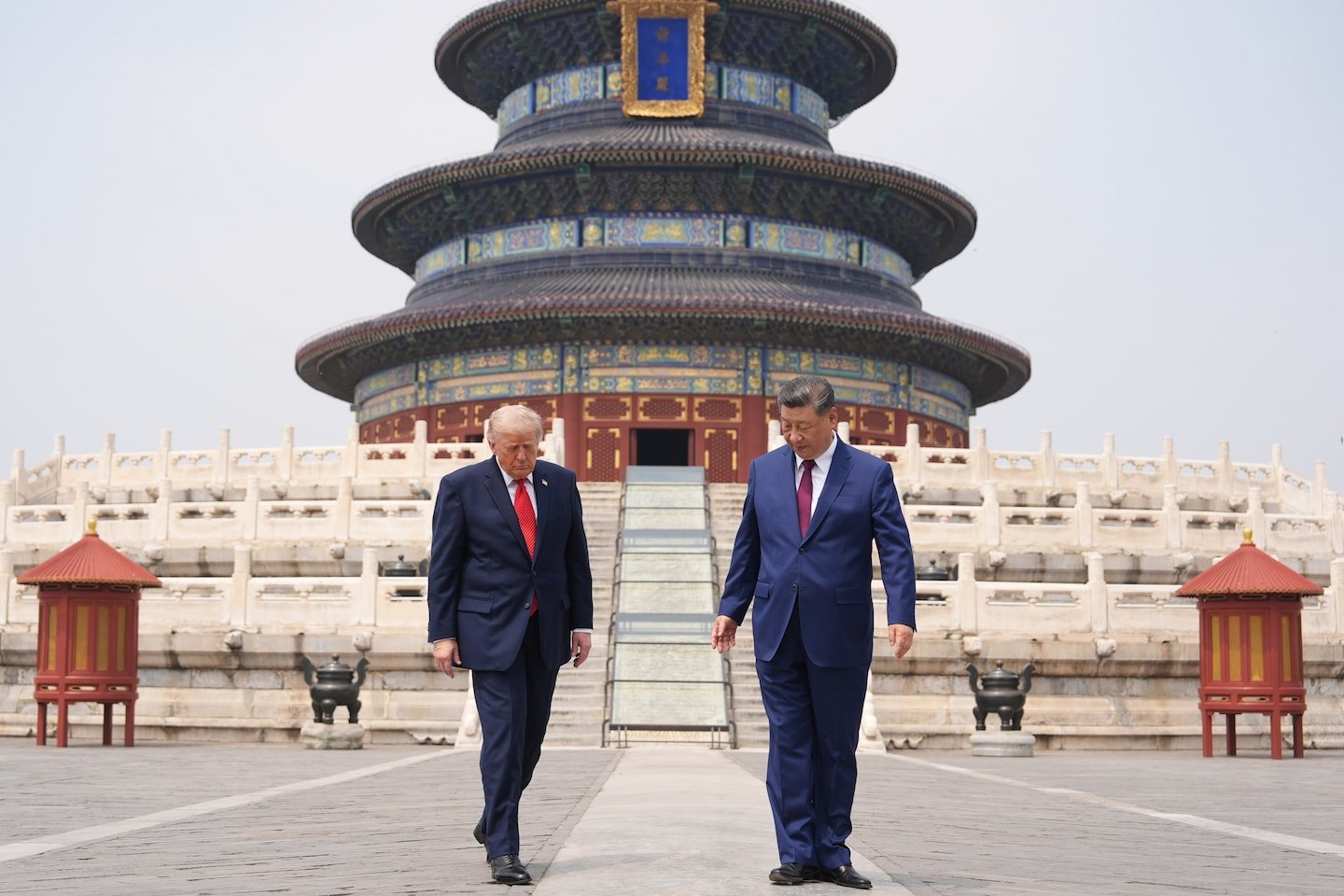
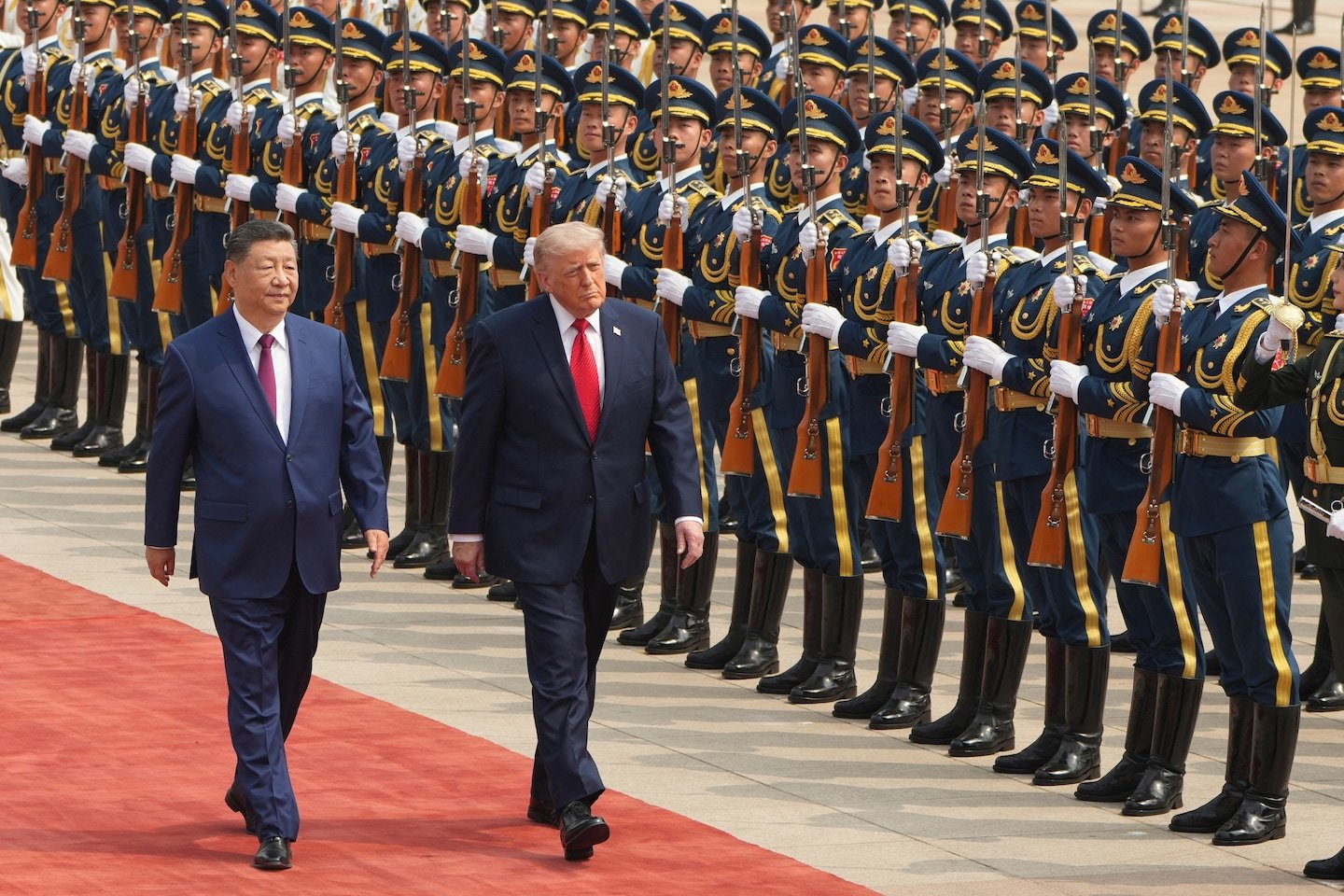
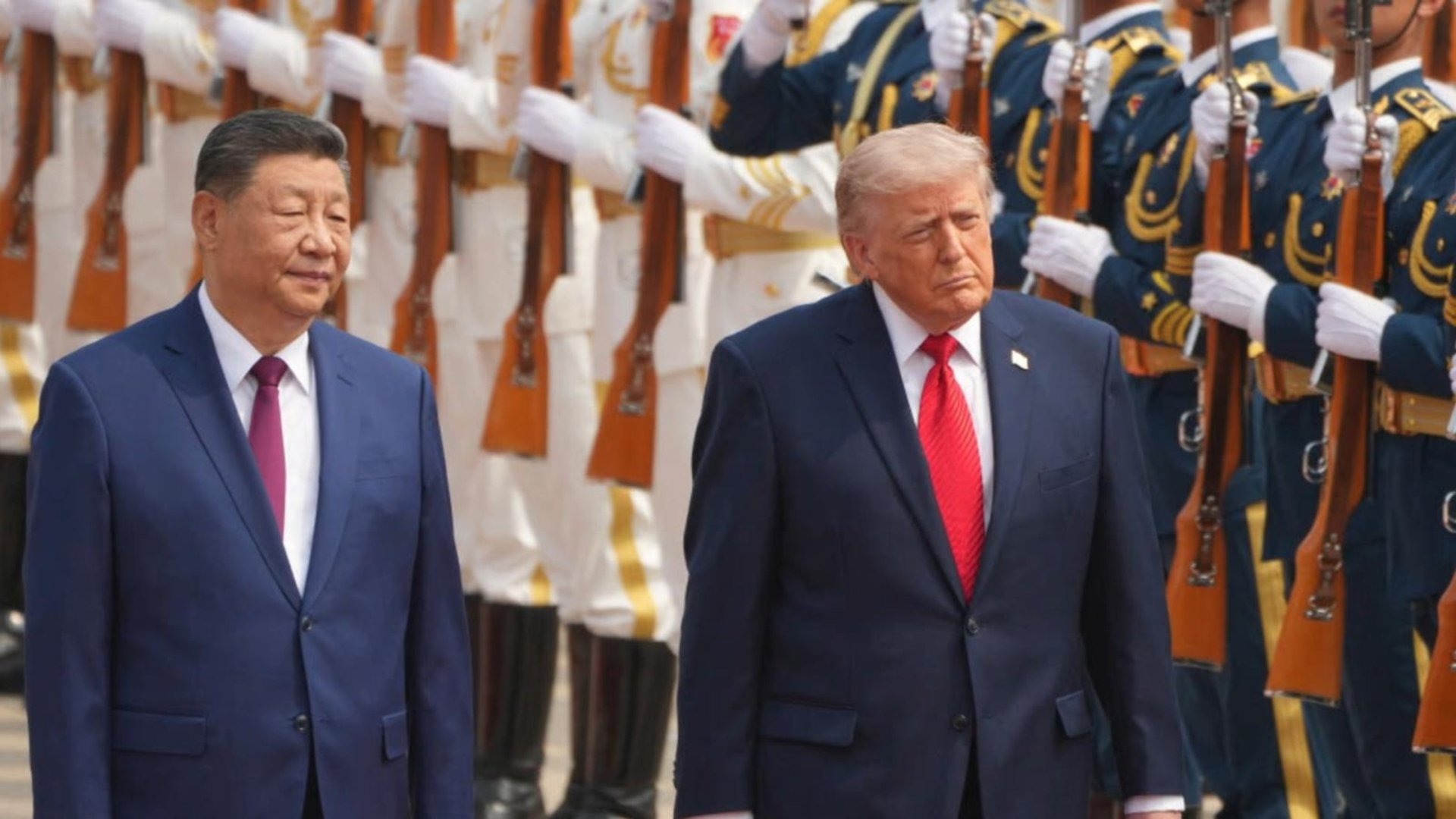
U.S. economic policy under President Donald Trump is facing renewed scrutiny as rising inflation and global supply shocks converge with the political fallout of his recent state visit to China, placing domestic affordability at the center of his administration’s immediate challenge.

The latest available data show annual consumer inflation in the United States rising to three point eight percent in April, marking an increase from earlier levels after months of gradual price pressure.

Economic analysts attribute the acceleration to a combination of factors, including higher energy costs, trade tariffs, and disruptions linked to international conflict, particularly tensions affecting global oil routes.

The timing of the inflation surge has sharpened political stakes.

The increase comes as inflation is reported to be outpacing wage growth, meaning household purchasing power is effectively declining even as employment remains stable.

Forecasts from regional Federal Reserve indicators suggest inflation could climb further in the near term, with estimates pointing toward levels above four percent if energy prices remain elevated.

Energy markets have become a key transmission channel for inflation.

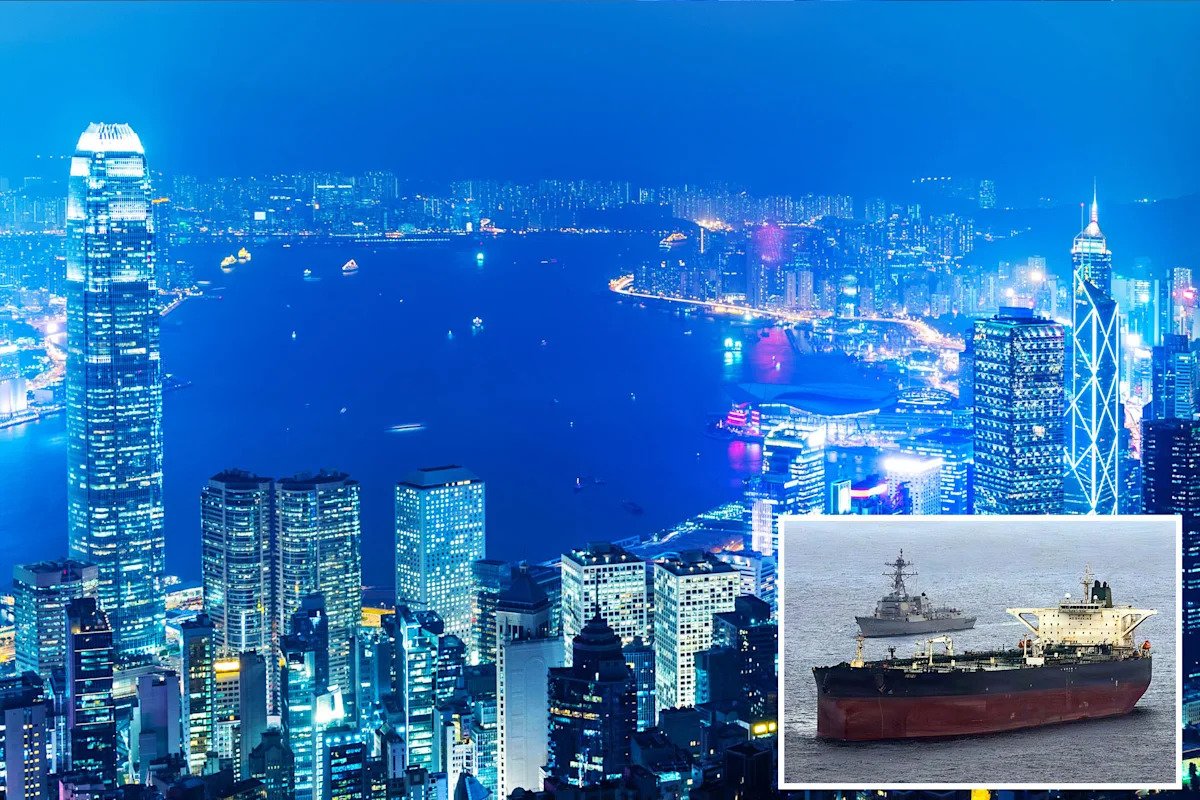
Rising gasoline prices have been linked to geopolitical instability and constraints on major shipping routes, which have tightened global oil supply expectations.

These pressures have fed into transportation, utilities, and consumer goods pricing, extending inflation beyond isolated sectors into everyday household spending categories.

The broader economic impact is also reflected in financial markets, where rising government borrowing costs have added pressure to interest rates.

The yield on ten-year U.S. government debt has increased in recent trading, signaling higher long-term financing costs that affect mortgages, auto loans, and business credit conditions.

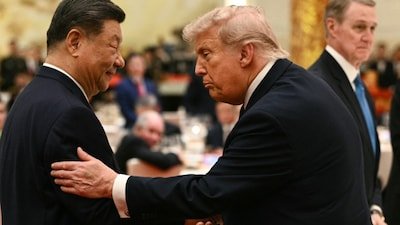
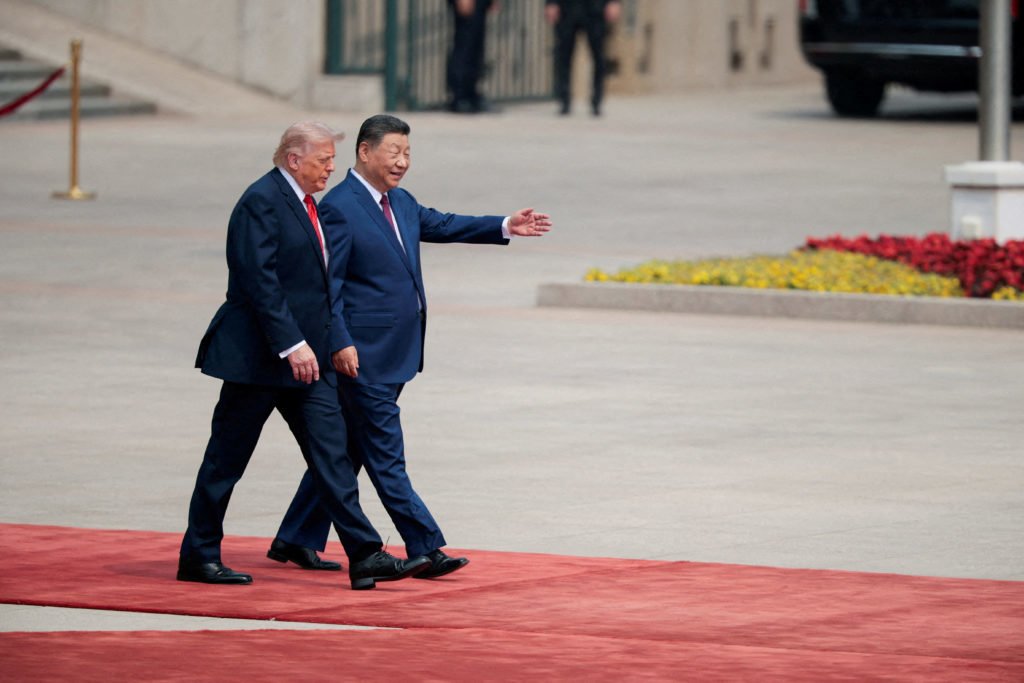
President Trump’s recent trip to China was intended in part to stabilize trade relations and secure economic commitments that could offset domestic cost pressures.

The administration highlighted potential agreements involving aircraft purchases and agricultural exports, including Boeing aircraft sales and soybean trade expansion.

However, no comprehensive or fully confirmed trade package has been publicly detailed, and key elements remain unfinalized.

The absence of clear economic deliverables has intensified scrutiny of the trip’s domestic political value.

While the administration presented the visit as diplomatically productive, the immediate economic indicators at home have continued to move in the opposite direction, reinforcing perceptions that international engagement has not yet translated into measurable relief for consumers.

Political reactions have been sharply divided.

Supporters of the administration argue that inflationary pressure is largely a consequence of external shocks, including energy disruptions and global instability, while critics point to tariff policy and broader economic strategy as contributing factors that may be amplifying price increases.

Within the administration, officials have emphasized that inflation remains a central priority and have pointed to future policy measures aimed at reducing costs in key sectors such as food and energy.

However, market conditions suggest that any stabilization will depend heavily on global supply dynamics as well as domestic fiscal and trade policy decisions.

The current situation places the White House in a difficult position: attempting to maintain diplomatic momentum abroad while managing rising cost-of-living pressures at home.

With inflation eroding real wages and energy costs remaining volatile, economic performance is likely to remain the dominant political issue in the near term, shaping both policy choices and electoral strategy.

The immediate consequence is a tightening policy environment in which economic outcomes, rather than diplomatic messaging, will determine public confidence and political traction heading into the next major electoral cycle.
Organizers are finalizing plans for the latest edition of the Marina Bay food and music festival, reflecting Singapore’s continued focus on attracting visitors through large-scale lifestyle and cultural events.
International operators are urging Thailand to expand reliable clean-energy infrastructure as competition intensifies to attract advanced data centers and artificial intelligence investments.
Regional governments are accelerating emergency energy-sharing arrangements and cross-border grid cooperation to reduce vulnerability to potential disruptions in Middle Eastern shipping routes.
Residents and farmers in Chiang Mai and Chiang Rai staged demonstrations calling for urgent action on worsening water pollution and scarcity that they say is affecting livelihoods and increasing living costs.
Proposed amendments would grant authorities greater power to vet and formally recognize human rights organizations, prompting concerns from civil society groups about restrictions on independent oversight.
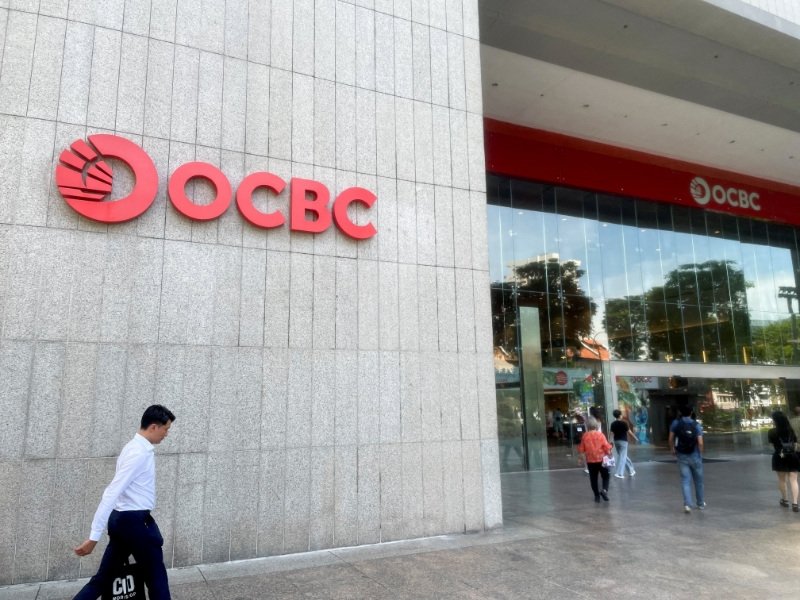
Singapore-based OCBC Bank introduced gold trading and domestic vault storage services as demand rises for traditional safe-haven assets amid geopolitical and economic uncertainty.
The Philippines was unsuccessful in its bid for a non-permanent seat on the UN Security Council, a setback that analysts linked to domestic political divisions and foreign policy challenges.
The decision by PAS to sever ties with Bersatu reshapes Malaysia’s opposition landscape and could alter political dynamics ahead of upcoming state elections.
President Prabowo Subianto named senior officials to lead the new free meals agency, laying the administrative foundation for a nationwide welfare initiative aimed at improving nutrition and human capital.
Economists lowered Singapore’s growth forecast to 3.3% and increased inflation expectations, citing higher energy costs and supply chain pressures linked to ongoing instability in the Middle East.
The Indonesian military has reportedly begun deploying advanced Indian-made supersonic cruise missiles near key maritime chokepoints, underscoring a stronger emphasis on protecting national sovereignty along a critical global shipping route.
A new long-term economic assessment projects massive investment in high-speed rail, smart electricity networks and digital connectivity as Thailand expands its infrastructure base over the coming decades.
Policymakers and diplomats meeting in Hanoi discussed supply chain resilience, artificial intelligence governance and ASEAN’s role in navigating intensifying competition among major powers.
Governments and industry players are integrating infrastructure across the SIJORI Growth Triangle, creating a multi-gigawatt data center ecosystem designed to support growing artificial intelligence demand across Southeast Asia.
Thailand’s National Electric Vehicle Policy Board approved new measures including extended registration deadlines, export incentives and additional support for hybrid vehicles to reinforce the country’s position in the regional automotive transition.
Indonesia’s reserves dropped to their lowest level in two years, prompting Bank Indonesia to maintain market interventions and elevated interest rates amid capital outflows and a widening current account deficit.
The Malaysian Investment Development Authority reported nearly RM93 billion in approved investments during the first quarter, driven by strong inflows into semiconductor manufacturing and digital infrastructure.
A powerful earthquake hit the southern Philippine island of Mindanao, causing localized structural damage and prompting tsunami advisories in neighboring coastal areas, including Malaysia’s Sabah state.
Officials from Tokyo, Washington and Manila agreed to deepen intelligence sharing, coordinate maritime patrols and advance discussions on exclusive economic zone boundaries amid rising tensions in the South China Sea.
Thai Prime Minister Anutin Charnvirakul and Vietnamese Prime Minister Le Minh Hung agreed in Hanoi to strengthen border security cooperation and pursue a bilateral trade target of US$25 billion, reinforcing economic integration and regional diplomatic coordination.
Regional leaders acknowledge that weakening external demand and broader economic volatility are increasing pressure to deepen intra-ASEAN trade and cooperation as traditional growth drivers become less reliable.
New regional training and communications initiatives are gaining support as governments seek to improve coordination and maintain connectivity during major natural disasters.
Regional governments are continuing to promote smart-city initiatives and digital modernization programs as part of broader efforts to strengthen innovation and long-term competitiveness.
Beyond the shrimp dispute with Malaysia, Thai officials are reviewing broader risks to agricultural and food exports to prevent additional barriers from affecting trade within the ASEAN Economic Community.
Community groups staged demonstrations calling for urgent government intervention to address industrial contamination of waterways that residents say threatens public health and agricultural livelihoods.
The global sustainability research gathering is being held in Asia for the first time, bringing academics and industry leaders together to discuss climate challenges and corporate transition strategies.
Speaking in Singapore, ASEAN Secretary-General Kao Kim Hourn emphasized that collaboration between governments, businesses and researchers will be critical to achieving the region’s sustainability goals.
The first round of awards under the ASEAN-UK Health Security Partnership aims to strengthen pandemic preparedness and improve cross-border public health cooperation through 2030.
As chair of the regional bloc in 2026, the Philippines is prioritizing maritime security issues and support for international legal norms as central elements of its diplomatic program.
ASEAN initiatives aimed at narrowing development gaps among member states continue to advance, with policymakers emphasizing stronger connectivity and a more resilient regional economy.
Governments and industry groups are exploring deeper regional cooperation as geopolitical tensions and trade disruptions increase concerns over the vulnerability of Southeast Asian supply chains.
Foreign ministers and senior officials are seeking to rebuild strategic trust and strengthen maritime security cooperation following concerns raised at the 2026 Shangri-La Dialogue.
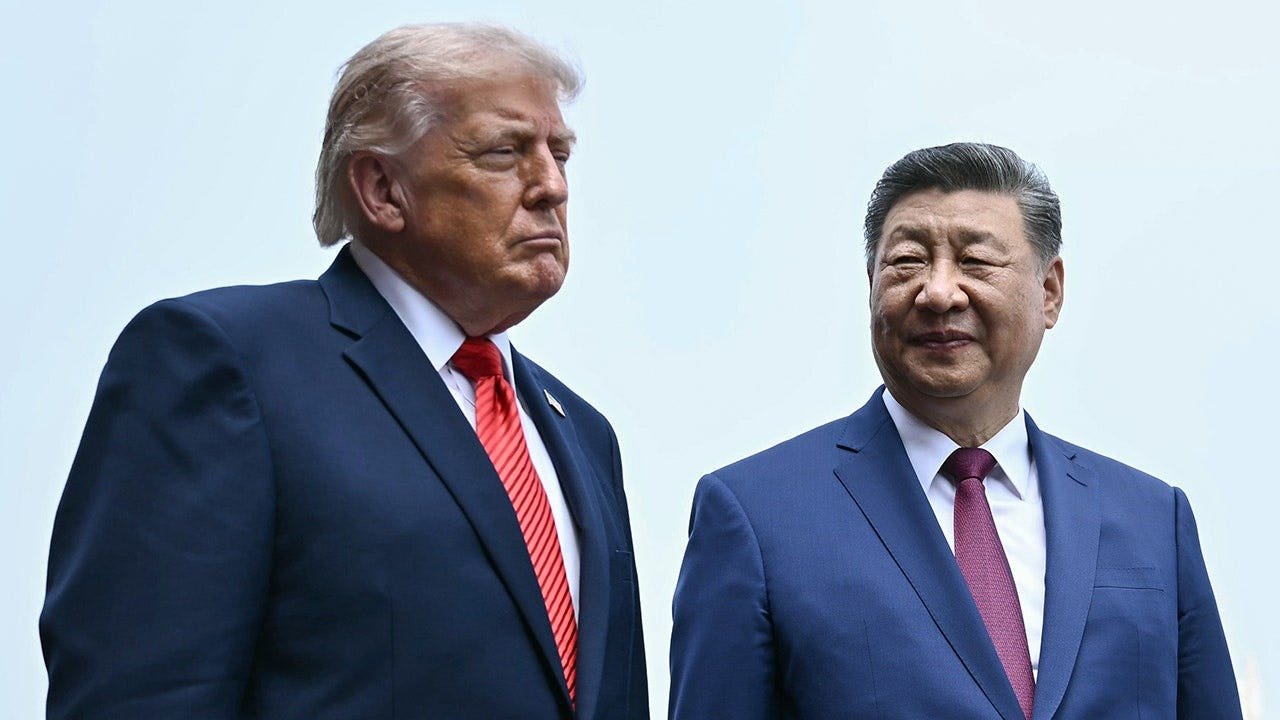
Regional analysis suggests many ASEAN stakeholders continue to view China as a preferred economic and strategic partner, citing its extensive infrastructure presence and long-term commercial engagement across Southeast Asia.
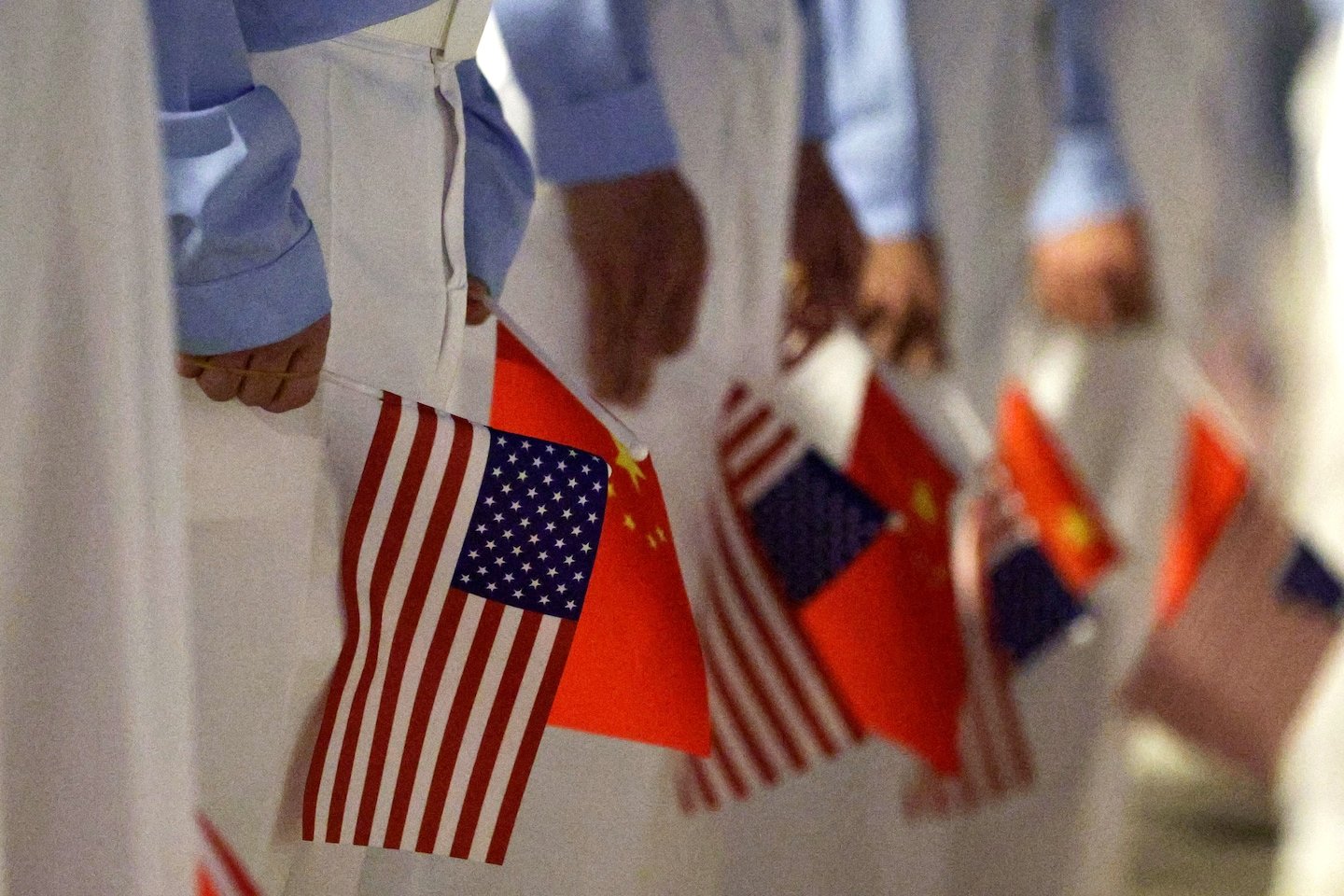
Diplomats and business leaders meeting in Bangkok identified artificial intelligence, energy transition pressures and other major disruptions as key challenges as ASEAN prepares for its 2027 milestone anniversary.
New assessments indicate Thailand’s economic recovery continues to trail several regional peers, prompting calls for fresh policy initiatives to improve competitiveness ahead of major international economic meetings later this year.
Bangkok is considering regional and international trade action after Malaysia suspended imports of five Thai shrimp species, although officials say bilateral negotiations will remain the first priority.
Political parties from across Southeast Asia met at the ASEAN Future Forum 2026 to promote connectivity and reinforce regional unity amid rising geopolitical pressures and long-term integration goals.
The government is fast-tracking a new National AI Committee tasked with developing labor retraining and adaptation measures as concerns grow over the impact of automation on employment and social stability.
A powerful offshore earthquake near Sarangani in the Philippines prompted tsunami alerts in parts of the southern Philippines and Indonesia, with authorities warning that hazardous wave activity could continue for several hours.
Thai policymakers are evaluating a proposed automation tax after the Office of the National Economic and Social Development Council warned that more than nine million workers could face significant disruption from generative artificial intelligence in the coming years.
South Korea’s An Seyoung successfully defended her women’s singles crown, while Canada’s Victor Lai defeated Indonesia’s Jonatan Christie to secure a landmark victory at one of the sport’s most prominent tournaments.
The Monetary Authority of Singapore has introduced enhanced disclosure requirements for retail investment products, requiring clearer product summaries to improve investor understanding of increasingly sophisticated financial instruments.
Representatives from the three countries finalized agreements designed to streamline customs procedures and logistics networks, supporting broader efforts to improve regional connectivity and cross-border commerce.
Singapore unveiled the 44-meter Skyslides attraction at Skypark Sentosa as part of ongoing efforts to refresh tourism offerings and attract international visitors seeking new leisure experiences.
At the 15th Celebration of Thai Silk in Bangkok, Prime Minister Anutin Charnvirakul declared 2026 the Golden Year of Thai Textiles, launching a campaign aimed at boosting luxury exports and strengthening Thailand’s cultural influence abroad.
Vietnamese automaker VinFast used the Philippines International Motor Show to showcase a broader electric mobility ecosystem as it seeks to expand its presence in regional markets traditionally dominated by Japanese and Chinese manufacturers.
Officials from Washington and Manila advanced joint frameworks covering critical infrastructure protection and emergency response coordination, further strengthening bilateral cooperation in security and resilience planning.
The ASEAN Secretariat announced the first 20 grant recipients under the ASEAN-UK Health Security Partnership, supporting projects focused on antimicrobial resistance, climate-related health risks, and cross-border disease threats.
Japanese Technology Firm Fujitsu Launches Advanced Artificial Intelligence Tool for Corporate Disclosures
South Africa Officially Launches Nationwide Campaign for Highly Contested Local Government Elections
United Kingdom Commits Additional Funding for Unexploded Ordnance Clearance in Laos
Singapore Announces Stringent New Greenhouse Gas Regulations for Commercial Cooling Systems
Cambodia and Thailand Hold High-Level Border Security Talks at United Nations Headquarters
Myanmar Military Government and China Sign Major Agreement to Upgrade Media and Cultural Cooperation
Knife Attack at Swiss Train Station Leaves Three Injured in Suspected Act of Domestic Terrorism
Transnational Extortion Gang Threatens Canadian Police With Army of One Thousand Armed Operatives
Australia Imposes Forty-Two-Day Quarantine on Cruise Ship Passengers Following Deadly Hantavirus Outbreak
International Monetary Fund Unlocks Seven Hundred Million United States Dollars for Sri Lanka Following Economic Reforms
China and Canada Foreign Ministers Meet in Ottawa in Effort to Stabilize Strained Diplomatic Ties
Indonesia Demands Urgent United Nations Security Council Reform Amid Escalating Global Conflicts
Extreme Weather Patterns Trigger Severe Drought in Madagascar and Destructive Flooding in East Africa
Indian State of Karnataka Faces Political Upheaval as Chief Minister Siddaramaiah Abruptly Resigns
Philippines and Japan Reaffirm Defense Ties as Crucial for Indo-Pacific Regional Stability
Norway Joins French Nuclear Deterrence Initiative in Major Shift for European Security Architecture
Global Critical Mineral Alliances Expand as Western Nations Move to Counter Chinese Supply Dominance
United States Imposes Fifty Percent Tariffs on Mexican Steel and Aluminum Ahead of Trade Pact Review
European Union and China Head Toward Major Trade Conflict Over Clean Technology Exports
United States Economic Growth Severely Downgraded to One Point Six Percent as Stagflation Fears Mount
World Health Organization Warns Central African Ebola Epidemic is Outpacing Containment Efforts
United States Treasury Department Conditions Sanctions Relief on Reopening of the Strait of Hormuz
Iranian Air Defenses Intercept and Destroy United States Military Drone Over Bushehr Province
Iranian Armed Forces Launch Ballistic Missiles Toward Unspecified Targets Prompting Regional Condemnation
United Nations Secretary-General Warns Global Order Facing Highest Level of Conflict Since 1945
Israel Issues Sweeping Evacuation Orders in Southern Lebanon Amid Intensified Hezbollah Conflict
Russia Announces Systemic Military Strikes Targeting Ukrainian Defense and Energy Infrastructure
United States and Iranian Negotiators Reach Draft Agreement to Extend Ceasefire and Resume Nuclear Talks
United Nations Security Council Deeply Divided Over United States Capture of Venezuelan President
US and Iran Exchange Direct Military Strikes Amid Fragile Gulf Ceasefire
World Health Organization Warns of Catastrophic Ebola Outbreak in DR Congo
Russia Threatens New Wave of Strikes on Ukrainian Infrastructure and Embassies
Scientists Warn Atlantic Ocean Currents Could Collapse Faster Than Projected
Anthropic Reaches $900 Billion Valuation in Historic AI Funding Round
Washington Imposes Crippling Sanctions on Iranian Maritime Authority
Japan and the Philippines Initiate Strategic Intelligence-Sharing Pact
Microsoft Deploys Autonomous Computer-Using AI Agents to Global Markets
Anthropic Secures $45 Billion Compute Infrastructure Agreement With SpaceX
U.S. Director of National Intelligence Resigns Amid Administration Shakeup
Micron Technology Crosses Trillion-Dollar Valuation Amid Unprecedented Hardware Demand
Canada and Germany Finalize Historic Long-Term LNG Export Agreement
China Expands International Travel Restrictions on Domestic AI Researchers
Japan Approves Sweeping Overhaul of National Intelligence Apparatus
Global Airlines Scramble Logistics as Middle East Airspace Remains Fractured
Japan's Naphtha Imports Plunge 47 Percent Amid Strait of Hormuz Closure
Global Crude Prices Retreat Below $96 as Gulf Tensions Momentarily Ease
Generative AI Outperforms Human Baselines in Landmark Global Creativity Study
NASA Partners With Private Aerospace to Unveil Permanent Lunar Base Architecture
South Korean Equity Markets Surge on Next-Generation Memory Chip Frenzy
U.S. Treasury Yields Slip as Energy-Driven Inflation Anxiety Cools