Lawmakers are being urged to reassess the legal protections granted to Hong Kong’s overseas economic offices amid concerns about potential intelligence operations on U.S. soil
A system-driven policy debate in Washington is intensifying around the legal status and operational oversight of Hong Kong’s overseas economic and trade offices, as members of Congress confront renewed calls to examine whether these entities are being used for intelligence-related activities under the cover of diplomatic and commercial engagement.
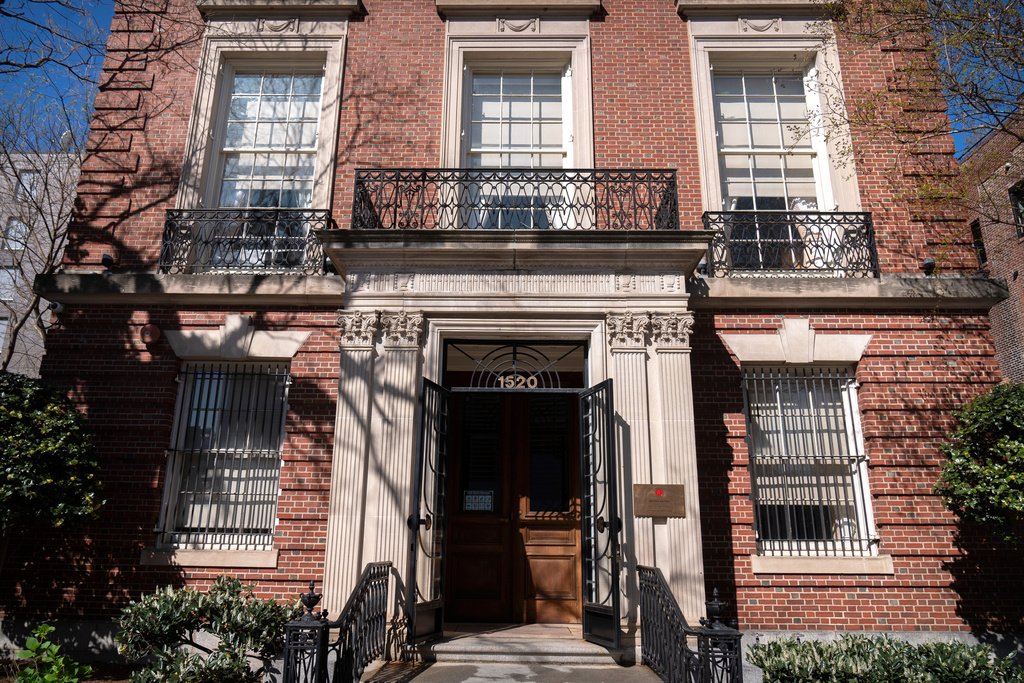
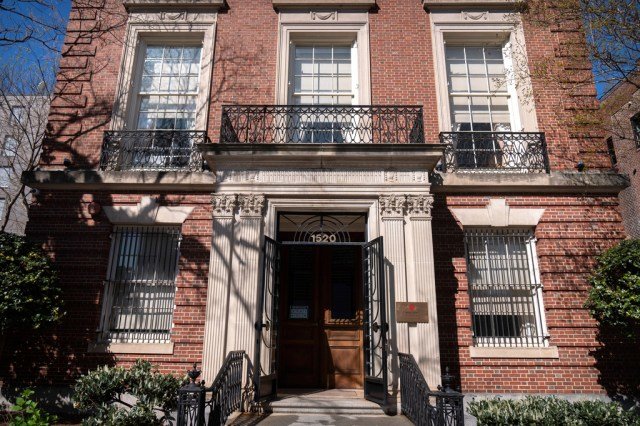
What is confirmed is that Hong Kong maintains official overseas economic and trade offices that operate in multiple global cities, including in the United States, where they are formally designated to promote trade, investment, and economic cooperation.
These offices typically enjoy certain diplomatic-style privileges, including operational protections that can limit the scope of routine oversight by local authorities.
The current congressional debate centers on whether those protections remain appropriate given broader geopolitical shifts and long-standing concerns raised by some policymakers about the potential for foreign intelligence activity operating through semi-diplomatic institutions.
The core issue is not the existence of the offices themselves, but the extent to which their legal status may constrain monitoring, transparency, or enforcement actions if national security concerns arise.
Hong Kong’s political system has undergone significant changes in recent years under the framework of increased integration with mainland China’s governance structure.
That shift has led some lawmakers in the United States and allied countries to reassess assumptions about the independence of Hong Kong-based institutions, including those operating abroad under economic or cultural mandates.
The legal complexity lies in the hybrid nature of these offices.
They are not traditional embassies, yet they often function with similar privileges in practice.
This creates a regulatory gap: they are expected to conduct commercial diplomacy while simultaneously being granted protections that can resemble those of formal diplomatic missions, complicating oversight when security concerns are raised.
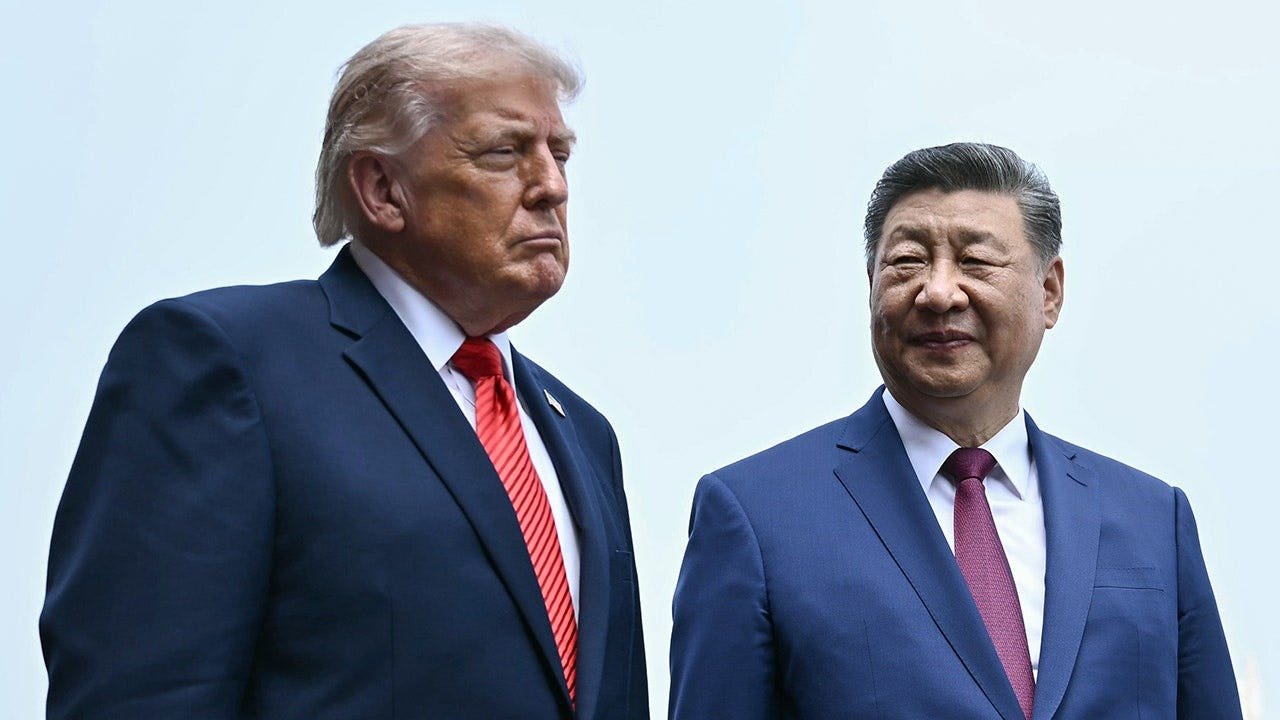
The renewed congressional attention reflects broader tensions in U.S.–China relations, where economic engagement, technology competition, and national security concerns increasingly overlap.
Within that environment, institutions that sit between commerce and state representation have become focal points for scrutiny, particularly when their governance structure is closely linked to a foreign central authority.
Supporters of maintaining the current arrangements argue that trade promotion offices play a practical role in facilitating business ties and that removing or restricting their privileges could reduce economic engagement.
Critics argue that the existing framework does not adequately reflect current geopolitical realities and may leave gaps in enforcement if hostile intelligence activity were to occur under diplomatic protection.
The immediate consequence of the debate is increased pressure on Congress to clarify the legal status of Hong Kong’s overseas offices and determine whether existing protections should be revised, restricted, or subject to additional transparency requirements.
That process is now moving from political discussion toward potential legislative review, with implications for how quasi-diplomatic institutions operate within the United States going forward.
What is confirmed is that Hong Kong maintains official overseas economic and trade offices that operate in multiple global cities, including in the United States, where they are formally designated to promote trade, investment, and economic cooperation.
These offices typically enjoy certain diplomatic-style privileges, including operational protections that can limit the scope of routine oversight by local authorities.
The current congressional debate centers on whether those protections remain appropriate given broader geopolitical shifts and long-standing concerns raised by some policymakers about the potential for foreign intelligence activity operating through semi-diplomatic institutions.
The core issue is not the existence of the offices themselves, but the extent to which their legal status may constrain monitoring, transparency, or enforcement actions if national security concerns arise.
Hong Kong’s political system has undergone significant changes in recent years under the framework of increased integration with mainland China’s governance structure.
That shift has led some lawmakers in the United States and allied countries to reassess assumptions about the independence of Hong Kong-based institutions, including those operating abroad under economic or cultural mandates.
The legal complexity lies in the hybrid nature of these offices.
They are not traditional embassies, yet they often function with similar privileges in practice.
This creates a regulatory gap: they are expected to conduct commercial diplomacy while simultaneously being granted protections that can resemble those of formal diplomatic missions, complicating oversight when security concerns are raised.
The renewed congressional attention reflects broader tensions in U.S.–China relations, where economic engagement, technology competition, and national security concerns increasingly overlap.
Within that environment, institutions that sit between commerce and state representation have become focal points for scrutiny, particularly when their governance structure is closely linked to a foreign central authority.
Supporters of maintaining the current arrangements argue that trade promotion offices play a practical role in facilitating business ties and that removing or restricting their privileges could reduce economic engagement.
Critics argue that the existing framework does not adequately reflect current geopolitical realities and may leave gaps in enforcement if hostile intelligence activity were to occur under diplomatic protection.
The immediate consequence of the debate is increased pressure on Congress to clarify the legal status of Hong Kong’s overseas offices and determine whether existing protections should be revised, restricted, or subject to additional transparency requirements.
That process is now moving from political discussion toward potential legislative review, with implications for how quasi-diplomatic institutions operate within the United States going forward.