A proposed two-hundred-plane Boeing deal and plans for a new US-China trade mechanism signal a tactical thaw in commercial relations after nearly a decade of aerospace deadlock.
The central driver of the latest US-China trade breakthrough is a renewed attempt by the Trump administration and the Chinese government to rebuild a structured commercial relationship without reversing broader strategic rivalry.
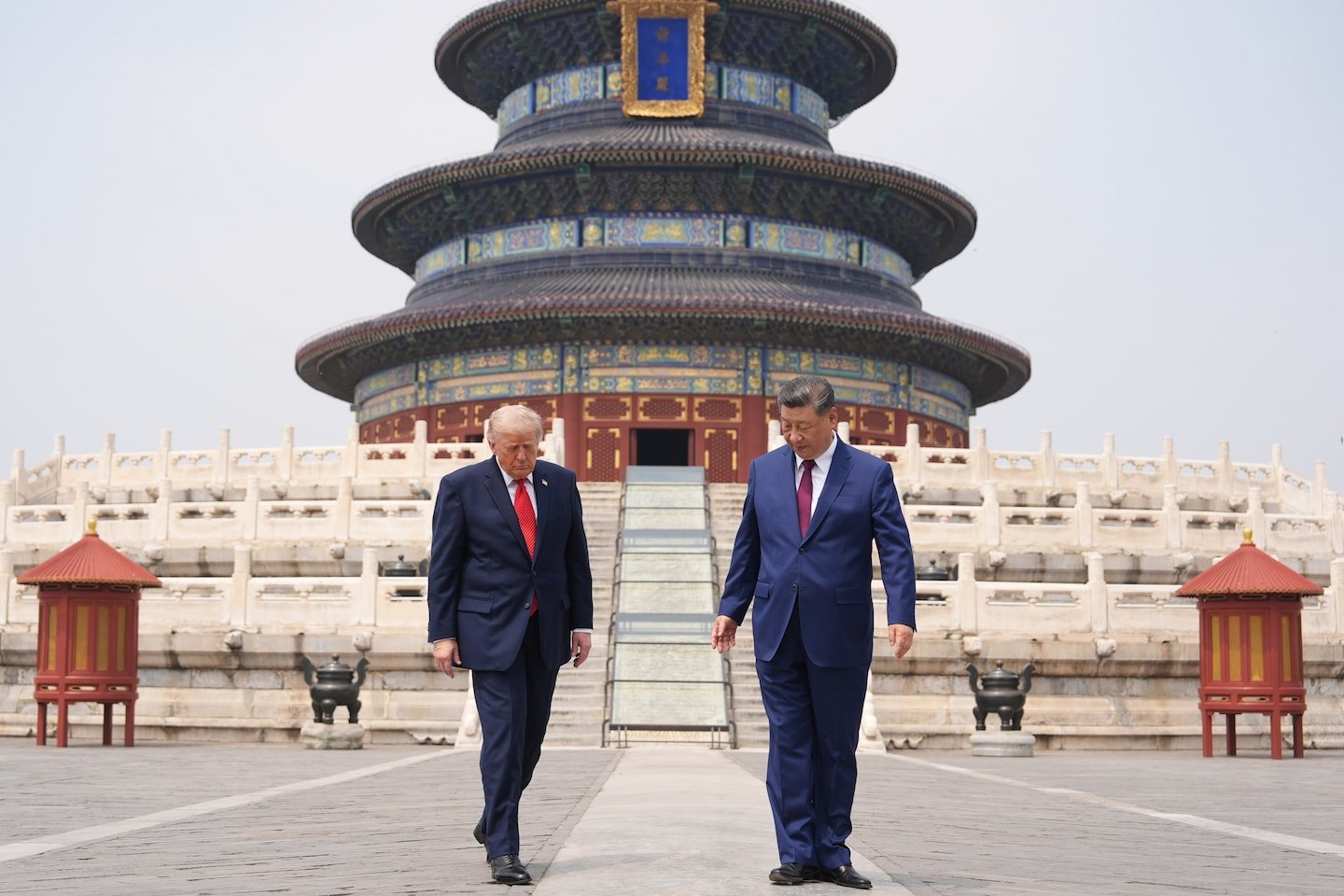
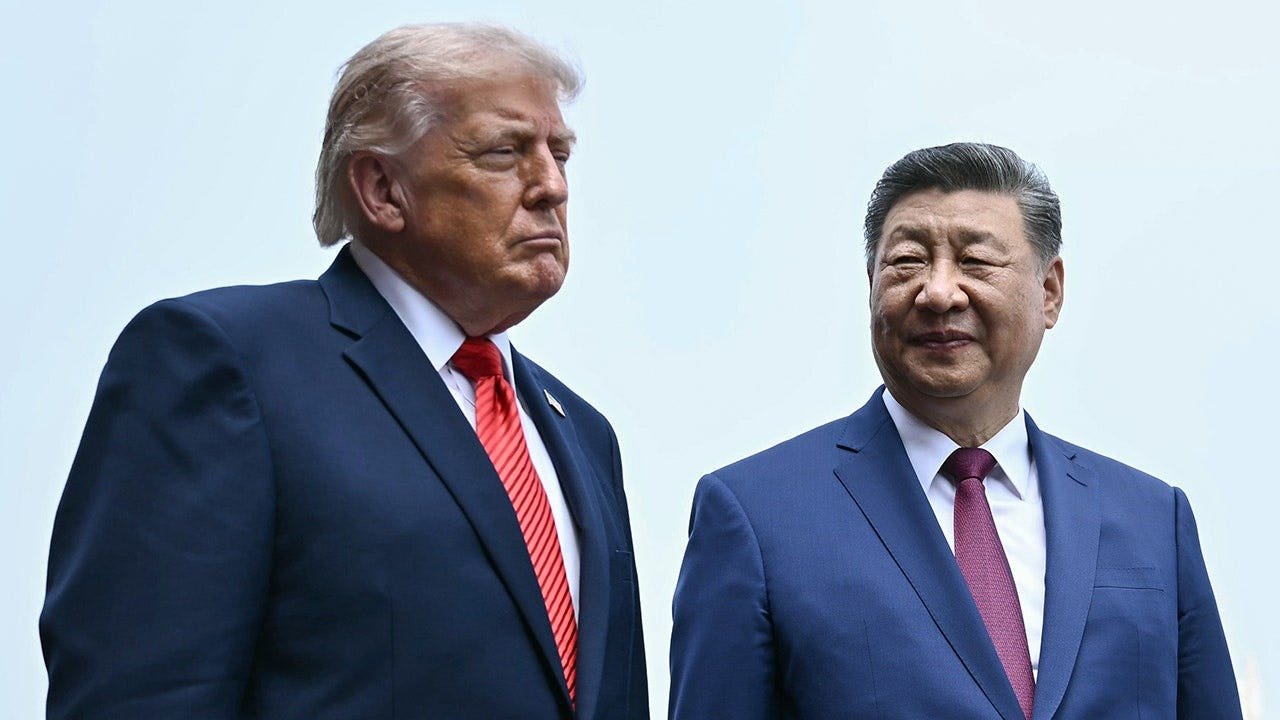
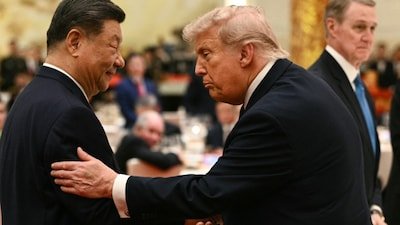
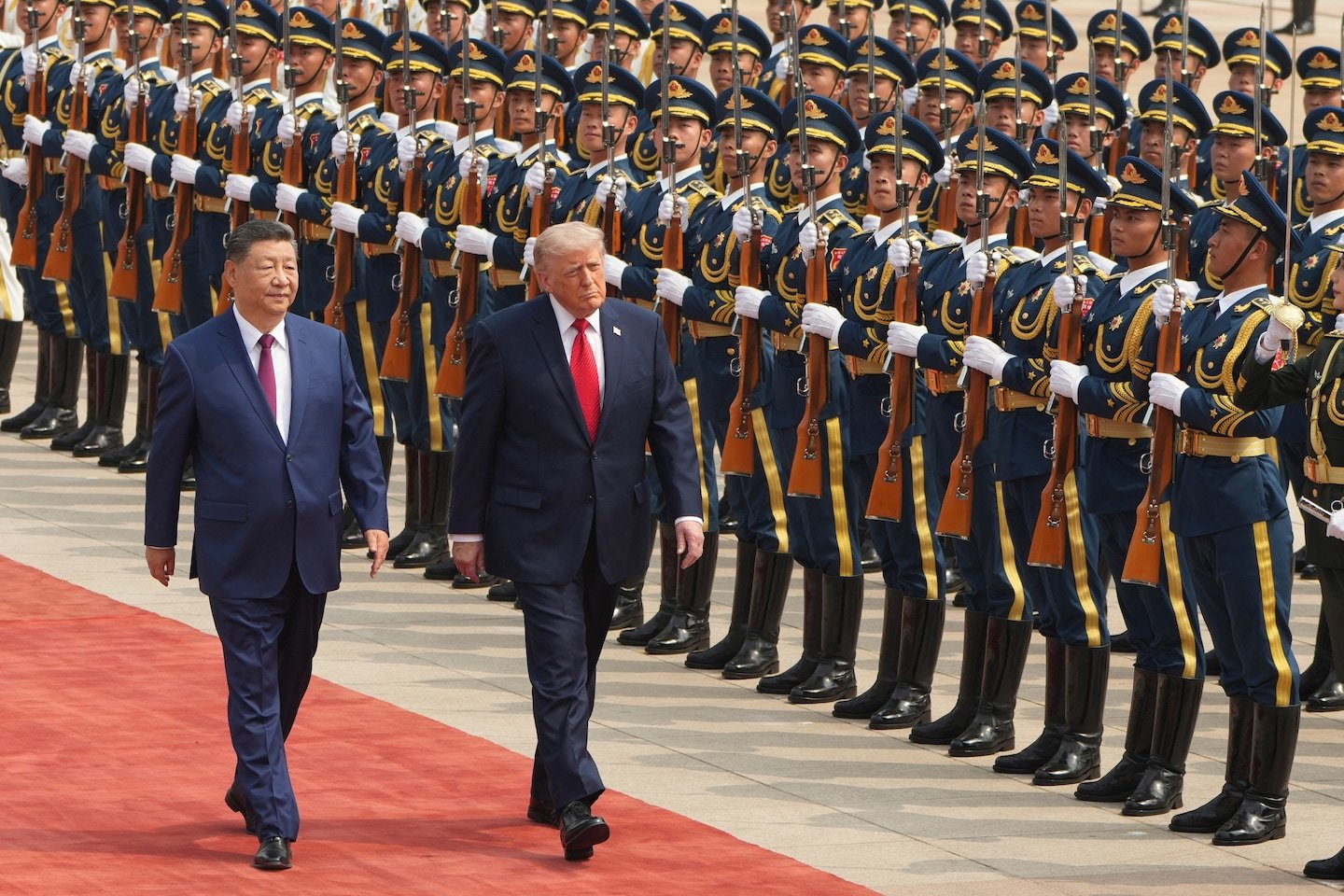
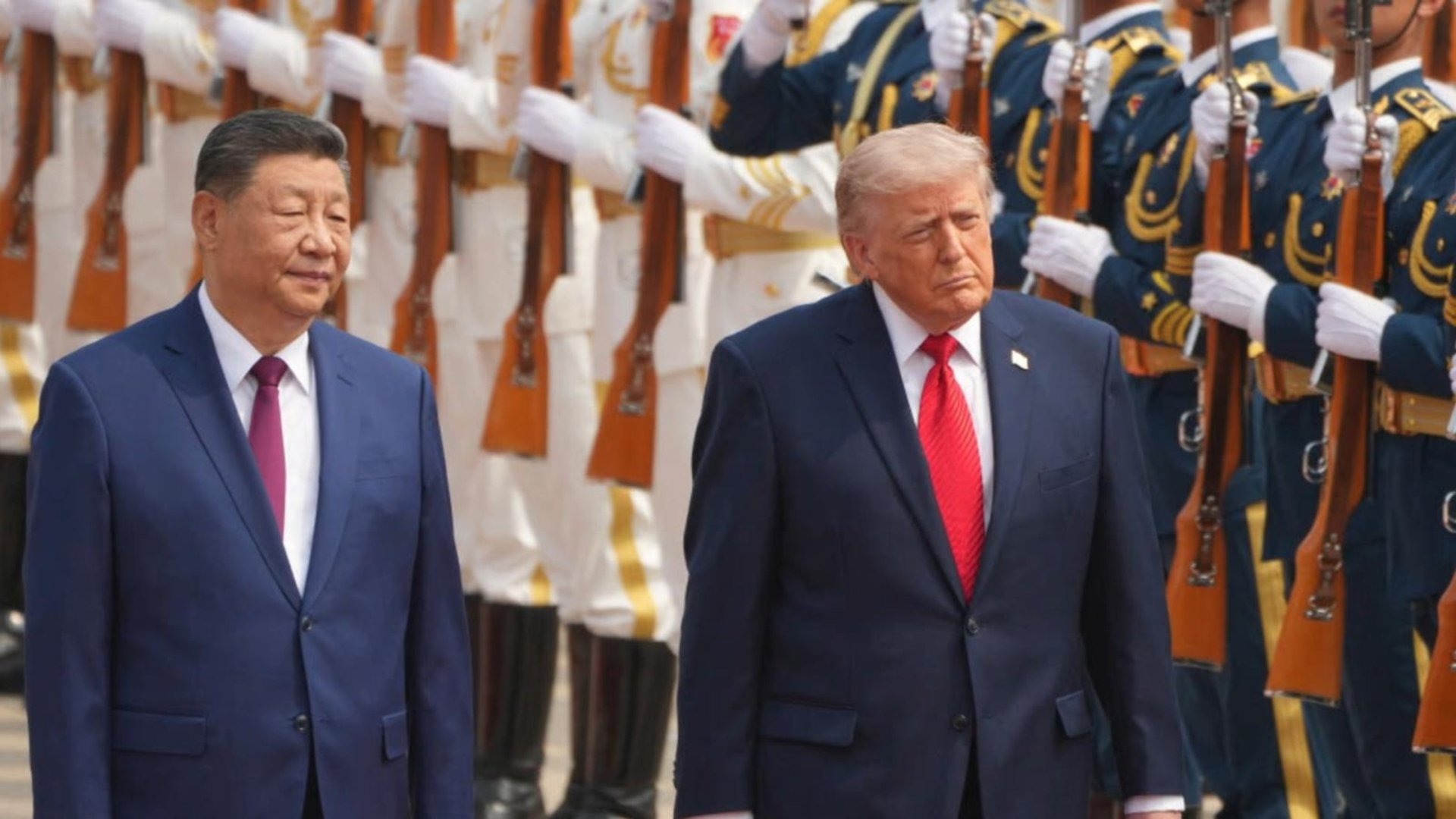
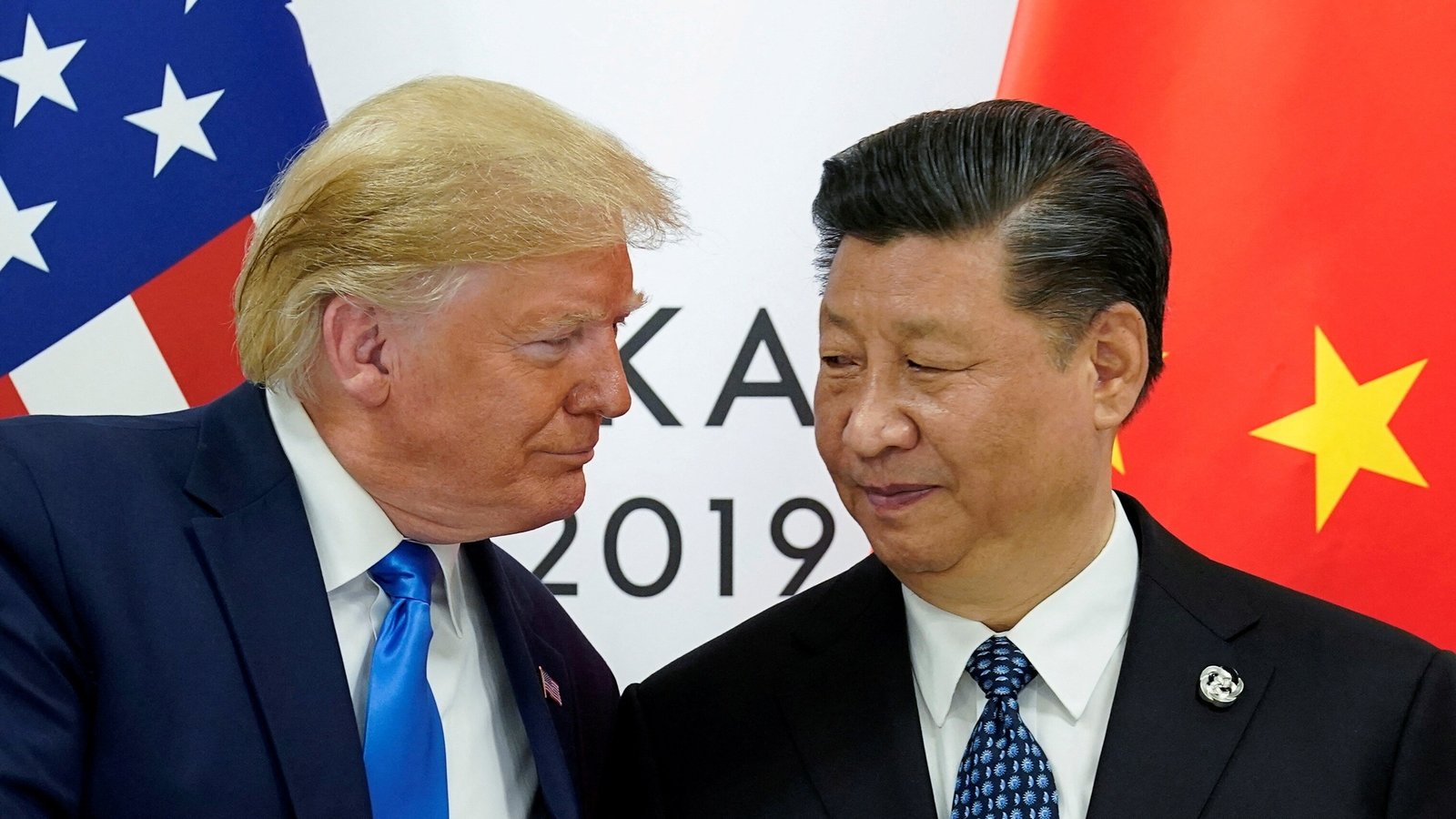
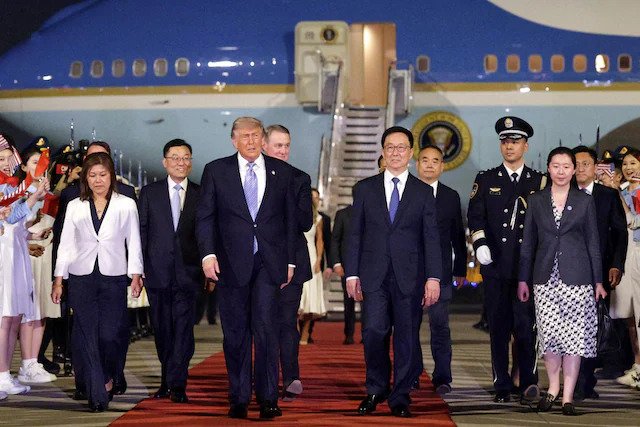
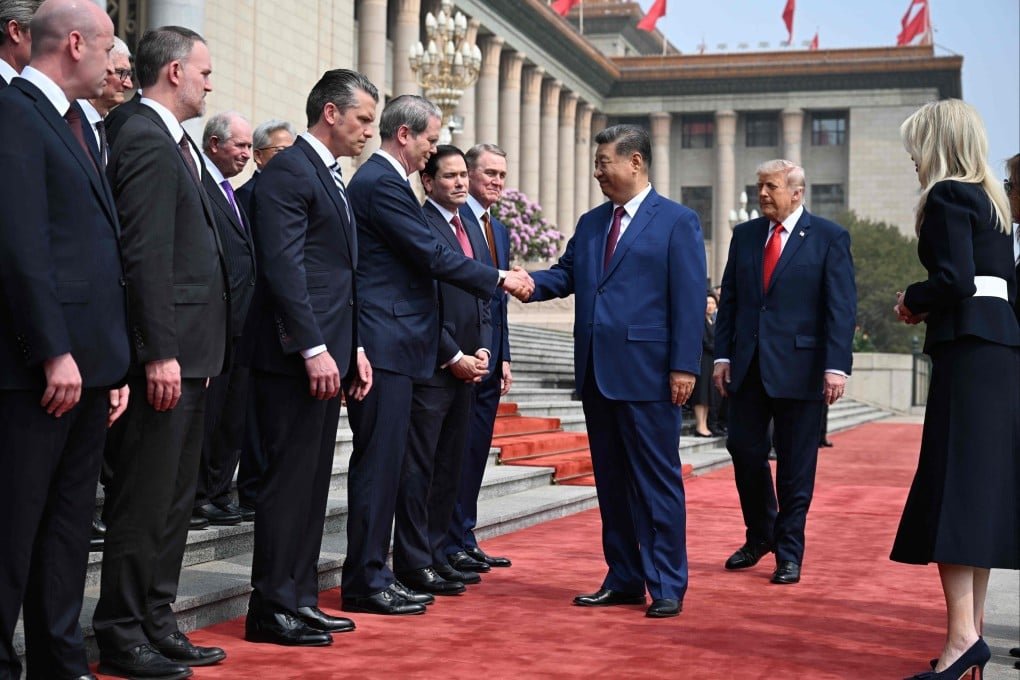
That effort moved into public view during President Donald Trump’s state visit to Beijing, where Treasury Secretary Scott Bessent said China was expected to place major Boeing aircraft orders and both sides were discussing the creation of a joint “board of trade” to manage economic ties.
What is confirmed is that Trump announced China had agreed to purchase two hundred Boeing aircraft, with the possibility of additional orders that could eventually raise the total substantially higher.
Boeing chief executive Kelly Ortberg traveled with Trump as part of a high-profile delegation of American business leaders.
The visit marked the first major push to reopen Boeing’s access to the Chinese market after years of commercial paralysis driven by geopolitical tensions, export disputes and safety controversies surrounding the 737 Max.
The proposed aircraft purchase would represent Boeing’s first major Chinese order in nearly a decade.
That matters because China was once one of Boeing’s most important long-term growth markets.
The freeze in large-scale orders after 2017 became a symbol of the wider deterioration in US-China relations.
Trade wars, technology restrictions, sanctions disputes and national security competition steadily reduced commercial trust between the two governments.
The aviation dispute was intensified by Boeing’s own operational crises.
Two fatal 737 Max crashes led to a prolonged global grounding campaign, and Chinese regulators were among the slowest to restore confidence in the aircraft.
Additional manufacturing and quality-control issues further weakened Boeing’s standing at a time when Europe’s Airbus expanded its footprint in China.
Beijing increasingly diversified suppliers while also accelerating support for its domestic aerospace industry.
The new negotiations therefore carry significance far beyond aircraft sales.
Washington is trying to re-establish selective economic interdependence in sectors considered commercially valuable but strategically manageable.
Bessent’s proposal for a bilateral trade board reflects that approach.
The mechanism under discussion would reportedly focus on “non-critical” and “non-strategic” sectors, creating a formal channel for resolving disputes, encouraging investment and preventing politically damaging disruptions in areas where both economies still depend heavily on each other.
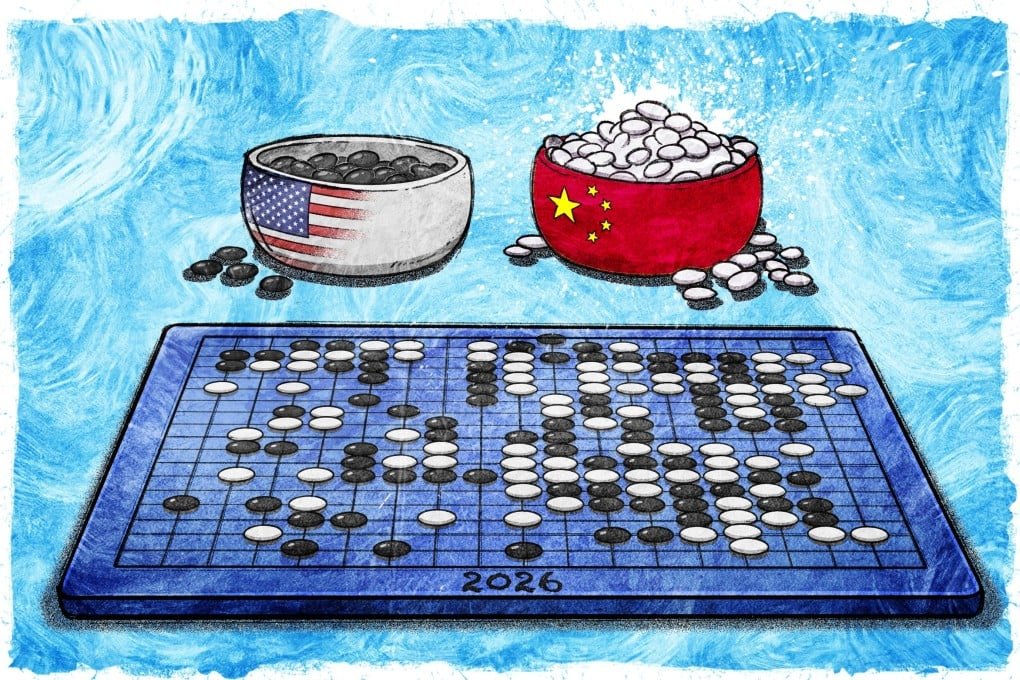
The structure being discussed is notable because it signals a shift away from the assumption that the US and China can fully decouple economically.
Instead, both governments appear to be moving toward compartmentalisation: competing aggressively in advanced technologies and security-sensitive industries while preserving trade flows in sectors such as aviation, agriculture, energy and consumer manufacturing.
Trump’s delegation also pursued broader export opportunities involving American agriculture and energy products.
Chinese purchases of soybeans, beef and oil have historically served as politically useful deliverables during periods of diplomatic engagement.
The administration is attempting to frame these purchases as evidence that Trump’s confrontational trade posture can eventually produce commercial concessions from Beijing.
For China, the incentives are equally practical.
Chinese airlines face enormous long-term fleet demand as domestic and regional air travel continues expanding.
Airbus alone cannot fully satisfy future aircraft needs, particularly if geopolitical conditions improve enough to reduce regulatory friction around Boeing deliveries.
Restoring some degree of balance between Airbus and Boeing also gives Beijing greater negotiating leverage with both manufacturers.
At the same time, Chinese officials have been careful not to publicly overstate commitments.
While Trump described the order as agreed, Beijing has released comparatively limited detail about timelines, aircraft types, financing arrangements or final contractual terms.
That distinction matters because aviation agreements between China and foreign manufacturers often involve lengthy regulatory sequencing, state-linked leasing entities and phased approvals rather than immediate finalised purchases.
Financial markets reacted cautiously rather than euphorically.
Boeing shares fell after investors concluded the announced order size was smaller than some earlier market expectations that had floated figures closer to five hundred aircraft.
The reaction underscored how deeply political signalling now shapes valuation around US-China business activity.
Investors are not simply pricing airplane demand; they are pricing the durability of political détente.
The talks are unfolding against a far more unstable global backdrop than during Trump’s first term.
Conflict in the Middle East has increased concerns about energy security and supply chain vulnerability.
The United States and China remain divided over semiconductors, artificial intelligence infrastructure, military competition and Taiwan.
Those disputes have not disappeared.
Instead, the current negotiations suggest both governments are trying to prevent total economic fragmentation while continuing to compete strategically.
The inclusion of top corporate executives in Trump’s Beijing delegation reflects another important shift.
Large American multinationals increasingly view access to Asian growth markets as economically indispensable even as Washington tightens controls on advanced technology exports.
Aerospace, industrial manufacturing and energy firms remain heavily dependent on international demand cycles that cannot be replaced by domestic consumption alone.
For Boeing specifically, the stakes are unusually high.
The company has spent years battling production delays, regulatory scrutiny and reputational damage.
Reopening China as a large-scale customer would strengthen backlog visibility, support factory output planning and improve long-term cash flow expectations.
It would also provide symbolic evidence that Boeing remains globally competitive despite mounting pressure from Airbus and emerging Chinese aerospace ambitions.
The negotiations also reveal how trade diplomacy under Trump continues to prioritize headline commercial transactions.
Large aircraft orders provide immediate political optics because they are easy to quantify, tied to manufacturing employment and associated with strategic industries.
But the broader significance lies in the attempt to institutionalise selective cooperation through a formal trade-management framework.
The next phase will focus on whether preliminary political commitments become operational agreements.
Boeing executives and Chinese regulators are already engaged in follow-up discussions tied to approvals, delivery schedules and commercial implementation.
That process, rather than summit-stage announcements alone, will determine whether the current thaw develops into a sustained reopening of one of the world’s most consequential economic relationships.
That effort moved into public view during President Donald Trump’s state visit to Beijing, where Treasury Secretary Scott Bessent said China was expected to place major Boeing aircraft orders and both sides were discussing the creation of a joint “board of trade” to manage economic ties.
What is confirmed is that Trump announced China had agreed to purchase two hundred Boeing aircraft, with the possibility of additional orders that could eventually raise the total substantially higher.
Boeing chief executive Kelly Ortberg traveled with Trump as part of a high-profile delegation of American business leaders.
The visit marked the first major push to reopen Boeing’s access to the Chinese market after years of commercial paralysis driven by geopolitical tensions, export disputes and safety controversies surrounding the 737 Max.
The proposed aircraft purchase would represent Boeing’s first major Chinese order in nearly a decade.
That matters because China was once one of Boeing’s most important long-term growth markets.
The freeze in large-scale orders after 2017 became a symbol of the wider deterioration in US-China relations.
Trade wars, technology restrictions, sanctions disputes and national security competition steadily reduced commercial trust between the two governments.
The aviation dispute was intensified by Boeing’s own operational crises.
Two fatal 737 Max crashes led to a prolonged global grounding campaign, and Chinese regulators were among the slowest to restore confidence in the aircraft.
Additional manufacturing and quality-control issues further weakened Boeing’s standing at a time when Europe’s Airbus expanded its footprint in China.
Beijing increasingly diversified suppliers while also accelerating support for its domestic aerospace industry.
The new negotiations therefore carry significance far beyond aircraft sales.
Washington is trying to re-establish selective economic interdependence in sectors considered commercially valuable but strategically manageable.
Bessent’s proposal for a bilateral trade board reflects that approach.
The mechanism under discussion would reportedly focus on “non-critical” and “non-strategic” sectors, creating a formal channel for resolving disputes, encouraging investment and preventing politically damaging disruptions in areas where both economies still depend heavily on each other.
The structure being discussed is notable because it signals a shift away from the assumption that the US and China can fully decouple economically.
Instead, both governments appear to be moving toward compartmentalisation: competing aggressively in advanced technologies and security-sensitive industries while preserving trade flows in sectors such as aviation, agriculture, energy and consumer manufacturing.
Trump’s delegation also pursued broader export opportunities involving American agriculture and energy products.
Chinese purchases of soybeans, beef and oil have historically served as politically useful deliverables during periods of diplomatic engagement.
The administration is attempting to frame these purchases as evidence that Trump’s confrontational trade posture can eventually produce commercial concessions from Beijing.
For China, the incentives are equally practical.
Chinese airlines face enormous long-term fleet demand as domestic and regional air travel continues expanding.
Airbus alone cannot fully satisfy future aircraft needs, particularly if geopolitical conditions improve enough to reduce regulatory friction around Boeing deliveries.
Restoring some degree of balance between Airbus and Boeing also gives Beijing greater negotiating leverage with both manufacturers.
At the same time, Chinese officials have been careful not to publicly overstate commitments.
While Trump described the order as agreed, Beijing has released comparatively limited detail about timelines, aircraft types, financing arrangements or final contractual terms.
That distinction matters because aviation agreements between China and foreign manufacturers often involve lengthy regulatory sequencing, state-linked leasing entities and phased approvals rather than immediate finalised purchases.
Financial markets reacted cautiously rather than euphorically.
Boeing shares fell after investors concluded the announced order size was smaller than some earlier market expectations that had floated figures closer to five hundred aircraft.
The reaction underscored how deeply political signalling now shapes valuation around US-China business activity.
Investors are not simply pricing airplane demand; they are pricing the durability of political détente.
The talks are unfolding against a far more unstable global backdrop than during Trump’s first term.
Conflict in the Middle East has increased concerns about energy security and supply chain vulnerability.
The United States and China remain divided over semiconductors, artificial intelligence infrastructure, military competition and Taiwan.
Those disputes have not disappeared.
Instead, the current negotiations suggest both governments are trying to prevent total economic fragmentation while continuing to compete strategically.
The inclusion of top corporate executives in Trump’s Beijing delegation reflects another important shift.
Large American multinationals increasingly view access to Asian growth markets as economically indispensable even as Washington tightens controls on advanced technology exports.
Aerospace, industrial manufacturing and energy firms remain heavily dependent on international demand cycles that cannot be replaced by domestic consumption alone.
For Boeing specifically, the stakes are unusually high.
The company has spent years battling production delays, regulatory scrutiny and reputational damage.
Reopening China as a large-scale customer would strengthen backlog visibility, support factory output planning and improve long-term cash flow expectations.
It would also provide symbolic evidence that Boeing remains globally competitive despite mounting pressure from Airbus and emerging Chinese aerospace ambitions.
The negotiations also reveal how trade diplomacy under Trump continues to prioritize headline commercial transactions.
Large aircraft orders provide immediate political optics because they are easy to quantify, tied to manufacturing employment and associated with strategic industries.
But the broader significance lies in the attempt to institutionalise selective cooperation through a formal trade-management framework.
The next phase will focus on whether preliminary political commitments become operational agreements.
Boeing executives and Chinese regulators are already engaged in follow-up discussions tied to approvals, delivery schedules and commercial implementation.
That process, rather than summit-stage announcements alone, will determine whether the current thaw develops into a sustained reopening of one of the world’s most consequential economic relationships.