Analysts say Beijing’s upcoming policy direction and economic strategy may have a decisive influence on Hong Kong’s development, integration and global role.
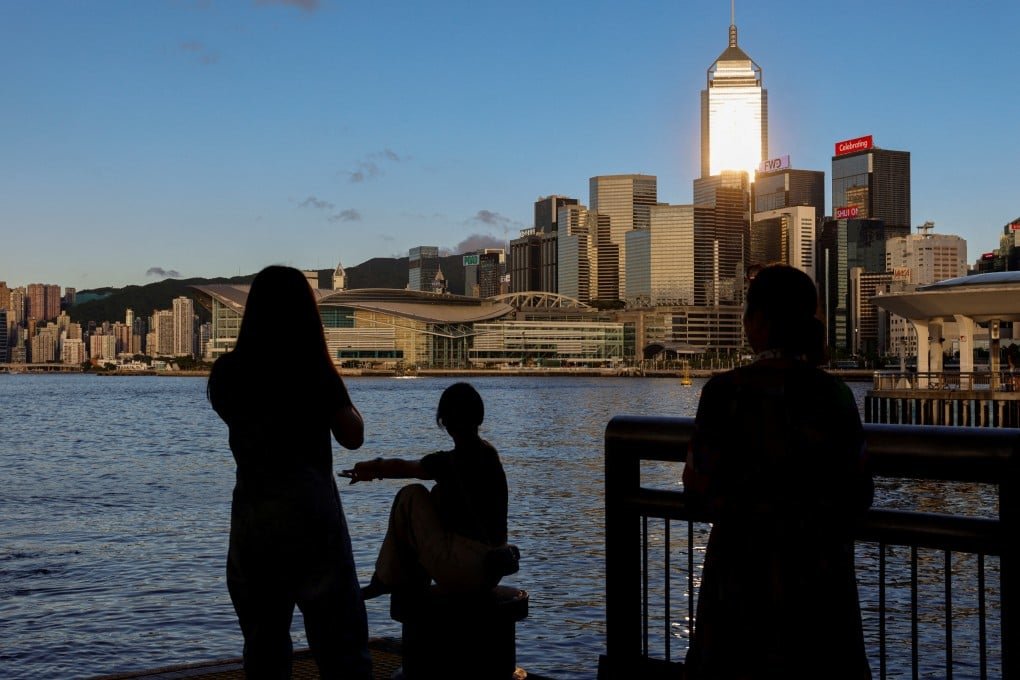
China’s policy priorities for the coming five years are likely to have a profound impact on Hong Kong’s economic trajectory, financial markets and integration with the mainland, analysts say, highlighting how closely the city’s future is tied to developments in Beijing.
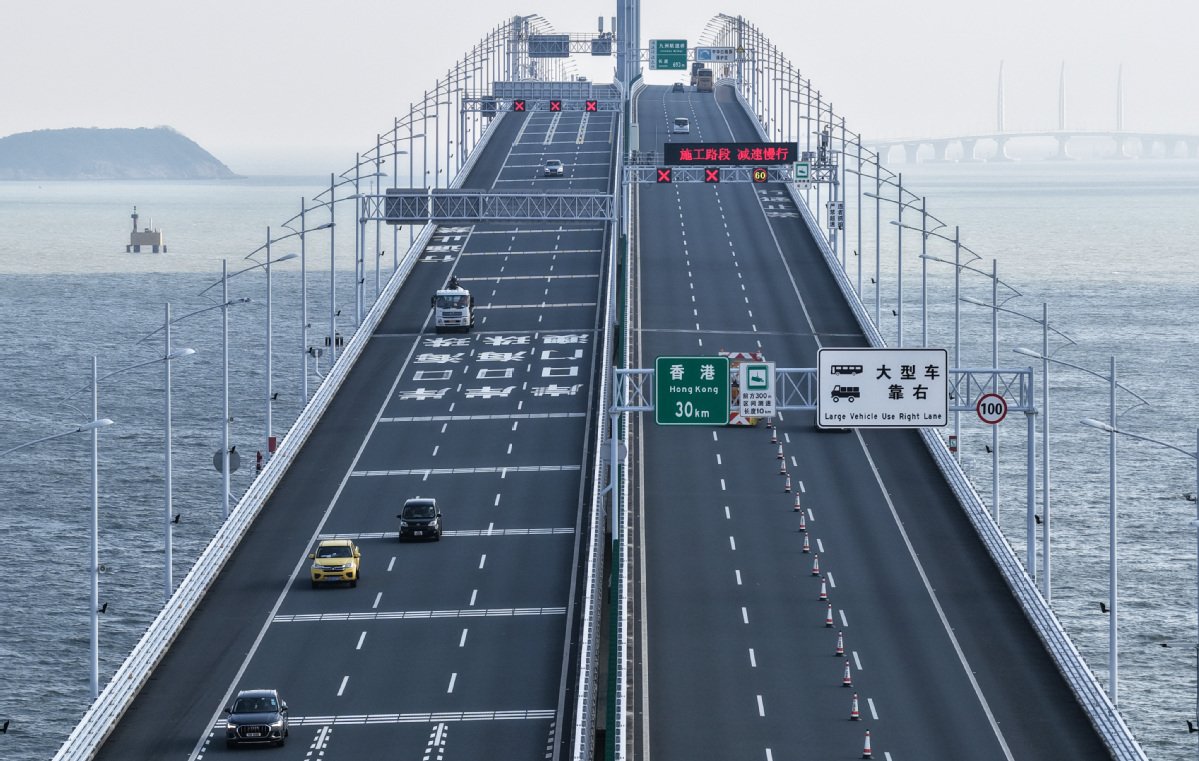
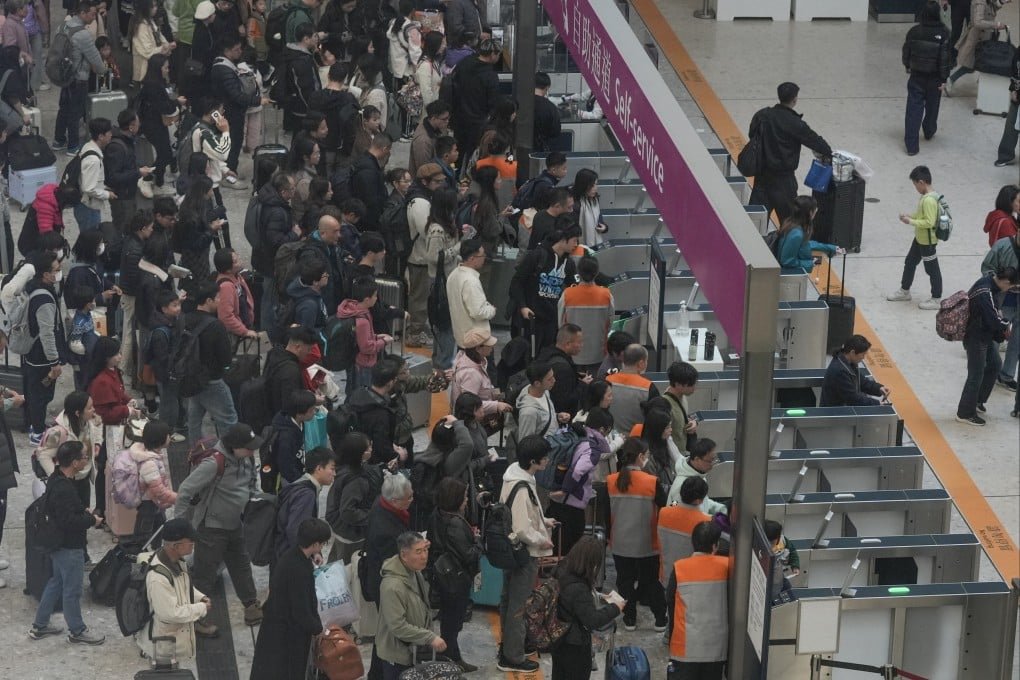
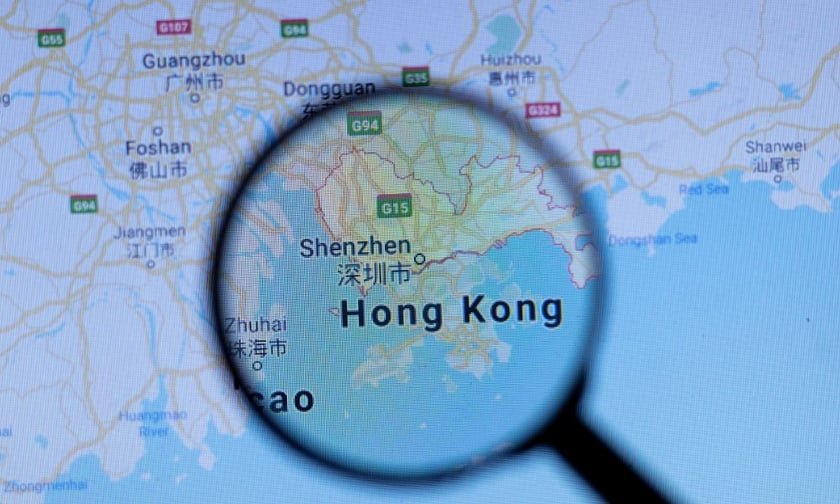
The period ahead coincides with China’s evolving national economic strategy and the continued implementation of major initiatives such as the Greater Bay Area integration plan, which links Hong Kong with neighbouring cities including Shenzhen and Guangzhou.
The initiative is designed to deepen cooperation across finance, technology, infrastructure and innovation throughout southern China.
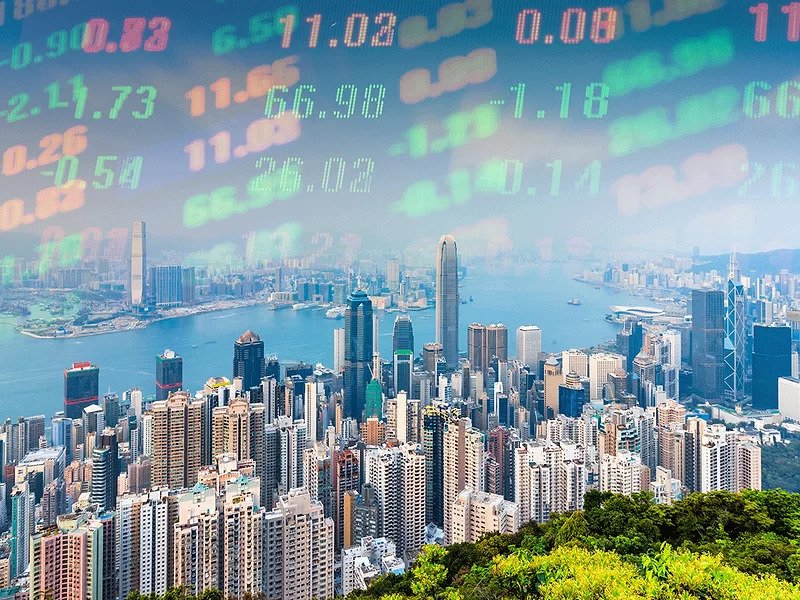
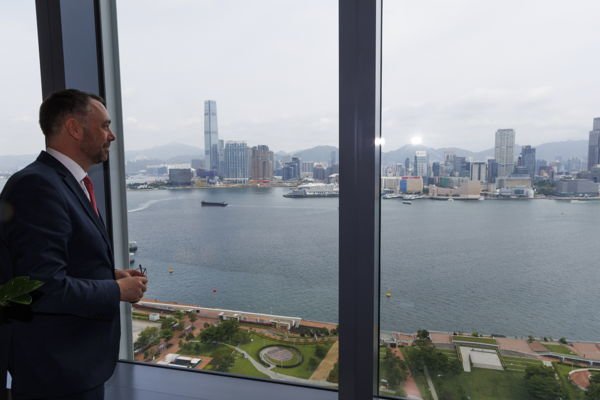
Hong Kong has long served as China’s principal international financial gateway, connecting global capital with mainland markets.
As Beijing pursues economic transformation focused on advanced technology, green industries and domestic consumption, the city is expected to play a critical supporting role by providing access to international finance, professional services and global investment networks.
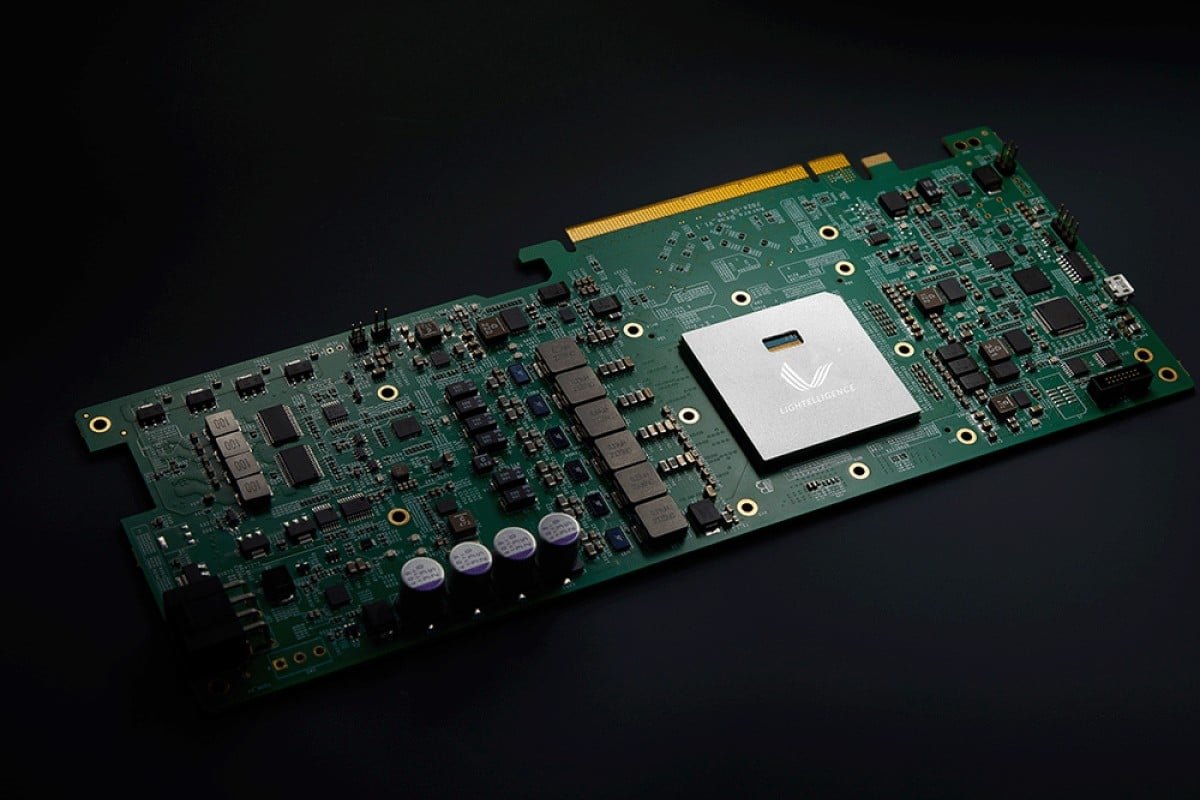
Observers say the next phase of national planning could significantly influence Hong Kong’s regulatory environment, economic diversification efforts and cross-border collaboration in sectors such as biotechnology, artificial intelligence and advanced manufacturing.
Policy signals from Beijing may shape how capital flows through Hong Kong and determine the pace of deeper financial integration with mainland markets.
One key factor is the continued development of programmes that link the territory’s financial system with those of mainland China.
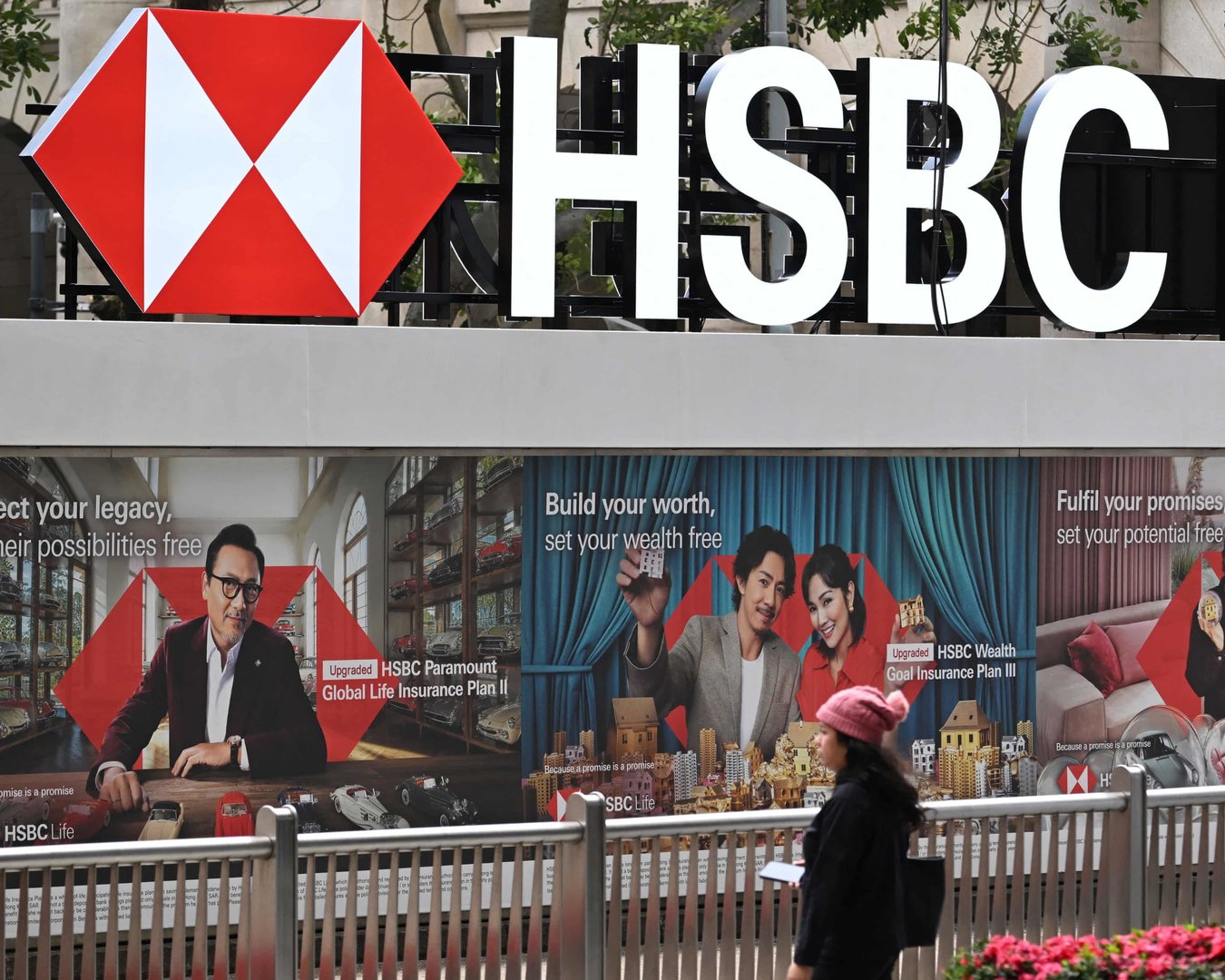
Initiatives such as Stock Connect, Bond Connect and Wealth Management Connect have already expanded cross-border investment channels, allowing global investors to access mainland assets while enabling Chinese capital to reach international markets through Hong Kong.
At the same time, Beijing has emphasised innovation-driven growth as a central priority for the coming decade.
Hong Kong’s universities, research institutions and technology parks are increasingly collaborating with mainland counterparts, particularly within the Greater Bay Area, to advance scientific research and high-tech entrepreneurship.
Economic stability on the mainland will also be critical for Hong Kong’s outlook.
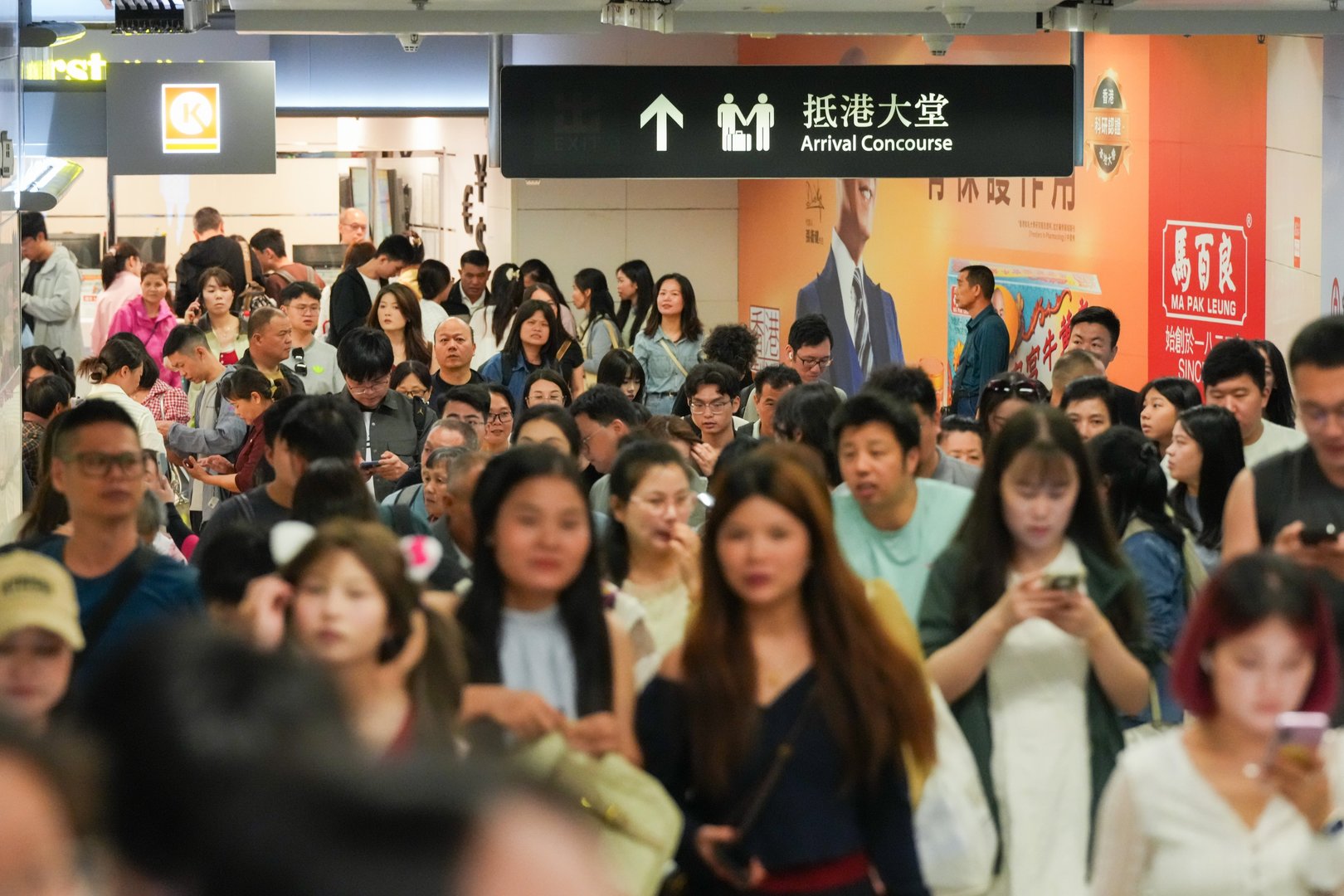
Mainland China remains the city’s largest trading partner and a major source of tourism, investment and financial activity.
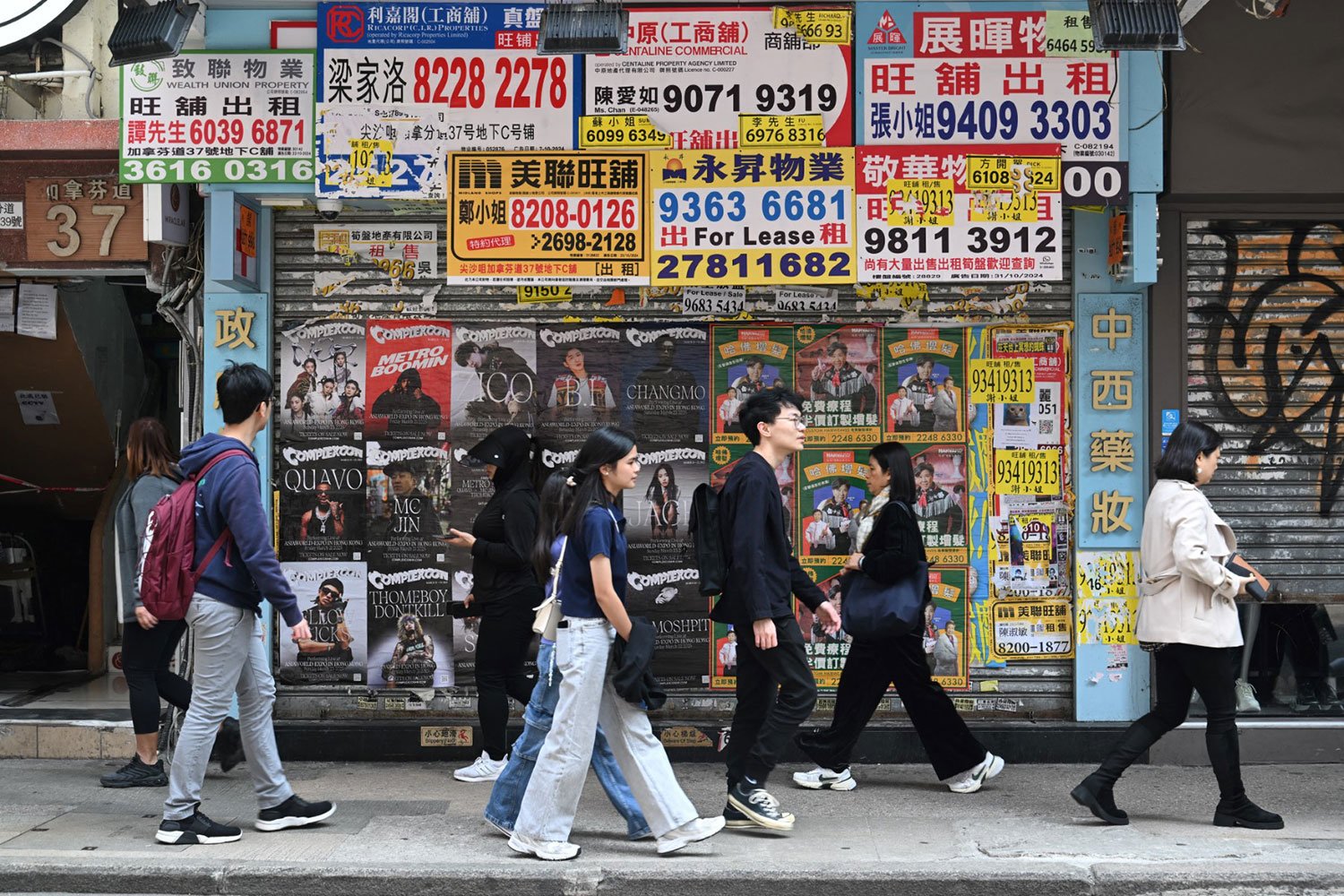
Strong growth on the mainland tends to support Hong Kong’s property market, stock exchange and broader services sector.
For policymakers and businesses in Hong Kong, the coming five years are therefore seen as a decisive period.
Decisions made in Beijing regarding industrial policy, financial reform and regional development are likely to shape how the city evolves as both an international financial centre and a key bridge between China and the global economy.
The period ahead coincides with China’s evolving national economic strategy and the continued implementation of major initiatives such as the Greater Bay Area integration plan, which links Hong Kong with neighbouring cities including Shenzhen and Guangzhou.
The initiative is designed to deepen cooperation across finance, technology, infrastructure and innovation throughout southern China.
Hong Kong has long served as China’s principal international financial gateway, connecting global capital with mainland markets.
As Beijing pursues economic transformation focused on advanced technology, green industries and domestic consumption, the city is expected to play a critical supporting role by providing access to international finance, professional services and global investment networks.
Observers say the next phase of national planning could significantly influence Hong Kong’s regulatory environment, economic diversification efforts and cross-border collaboration in sectors such as biotechnology, artificial intelligence and advanced manufacturing.
Policy signals from Beijing may shape how capital flows through Hong Kong and determine the pace of deeper financial integration with mainland markets.
One key factor is the continued development of programmes that link the territory’s financial system with those of mainland China.
Initiatives such as Stock Connect, Bond Connect and Wealth Management Connect have already expanded cross-border investment channels, allowing global investors to access mainland assets while enabling Chinese capital to reach international markets through Hong Kong.
At the same time, Beijing has emphasised innovation-driven growth as a central priority for the coming decade.
Hong Kong’s universities, research institutions and technology parks are increasingly collaborating with mainland counterparts, particularly within the Greater Bay Area, to advance scientific research and high-tech entrepreneurship.
Economic stability on the mainland will also be critical for Hong Kong’s outlook.
Mainland China remains the city’s largest trading partner and a major source of tourism, investment and financial activity.
Strong growth on the mainland tends to support Hong Kong’s property market, stock exchange and broader services sector.
For policymakers and businesses in Hong Kong, the coming five years are therefore seen as a decisive period.
Decisions made in Beijing regarding industrial policy, financial reform and regional development are likely to shape how the city evolves as both an international financial centre and a key bridge between China and the global economy.