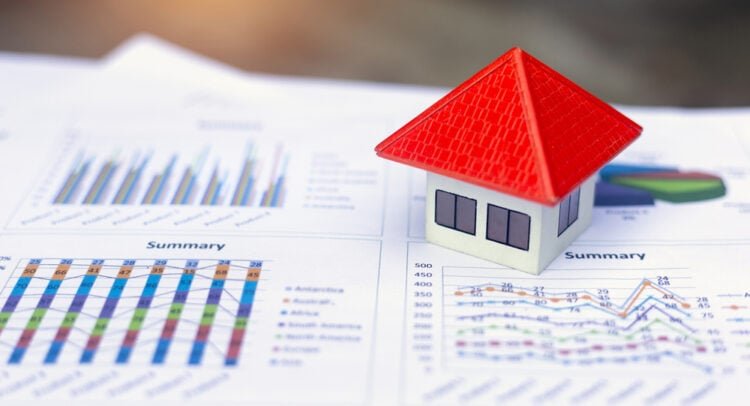
Official data shows residential prices rising in March while rents continue an extended upward streak, reflecting a market shaped by shifting interest rates, returning demand, and tight supply conditions.
SYSTEM-DRIVEN dynamics define Hong Kong’s housing market, where pricing and rents are being shaped less by isolated transactions and more by interest rates, capital flows, and structural supply constraints.
In March, Hong Kong’s lived-in residential property prices rose by 1.4 percent month-on-month, extending a broader upward trend that has emerged after several years of decline.
The increase contributed to a stronger first-quarter performance, with prices rising by 4.4 percent overall.
The official index tracking second-hand home values shows that the market has now recorded multiple consecutive months of gains, indicating that the earlier downturn has stabilized into a gradual recovery phase rather than continued contraction.
At the same time, the rental market has continued to tighten.
Rents have increased for five consecutive months, reaching new highs in the latest readings.
This divergence between prices and rents reflects a key structural shift: while purchase activity is recovering, rental demand remains persistently strong, driven by inflows of workers and students, limited housing supply, and affordability barriers that keep many residents in the rental sector rather than ownership.
The recovery in prices is not uniform or explosive.
Monthly gains have moderated compared with earlier months, suggesting that momentum is present but sensitive to broader financial conditions.
Interest rates remain a central variable, with borrowing costs still influencing buyer affordability and transaction volume.
In parallel, sentiment has been supported by improved equity market performance and expectations that policy easing cycles could continue to filter into property demand.
Even with recent gains, the market remains well below its historical peak reached in 2021, reflecting the depth of the prior correction.
That downturn was driven by sustained high mortgage costs, weaker economic conditions, and reduced demand following demographic and policy shifts.
The current rebound therefore represents partial recovery rather than a full return to prior valuations.
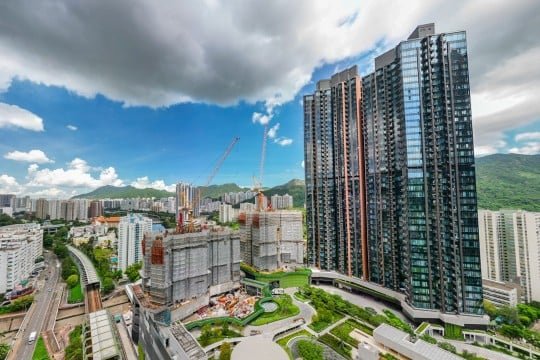
Supply constraints continue to reinforce pricing pressure.
New inventory has been absorbed gradually, while developers have adjusted pricing strategies to encourage sales, particularly in smaller residential units where demand has been most resilient.
This has helped stabilize transaction volumes, which in turn supports price recovery even in a high-cost financing environment.
The rental surge carries broader implications for affordability and household financial pressure.
As rents rise while ownership costs remain high, more residents are effectively pushed into long-term renting, increasing competition for limited units.
This dynamic strengthens rental yields and attracts investors, but also reinforces structural affordability challenges in one of the world’s most expensive housing markets.
The current phase of the market is therefore defined by a dual movement: gradual price recovery in the sales market alongside sustained upward pressure in rents.
Together, they signal a housing system adjusting to a new equilibrium shaped by higher interest rates than the previous decade, evolving demand patterns, and persistent supply limitations.
In March, Hong Kong’s lived-in residential property prices rose by 1.4 percent month-on-month, extending a broader upward trend that has emerged after several years of decline.
The increase contributed to a stronger first-quarter performance, with prices rising by 4.4 percent overall.
The official index tracking second-hand home values shows that the market has now recorded multiple consecutive months of gains, indicating that the earlier downturn has stabilized into a gradual recovery phase rather than continued contraction.
At the same time, the rental market has continued to tighten.
Rents have increased for five consecutive months, reaching new highs in the latest readings.
This divergence between prices and rents reflects a key structural shift: while purchase activity is recovering, rental demand remains persistently strong, driven by inflows of workers and students, limited housing supply, and affordability barriers that keep many residents in the rental sector rather than ownership.
The recovery in prices is not uniform or explosive.
Monthly gains have moderated compared with earlier months, suggesting that momentum is present but sensitive to broader financial conditions.
Interest rates remain a central variable, with borrowing costs still influencing buyer affordability and transaction volume.
In parallel, sentiment has been supported by improved equity market performance and expectations that policy easing cycles could continue to filter into property demand.
Even with recent gains, the market remains well below its historical peak reached in 2021, reflecting the depth of the prior correction.
That downturn was driven by sustained high mortgage costs, weaker economic conditions, and reduced demand following demographic and policy shifts.
The current rebound therefore represents partial recovery rather than a full return to prior valuations.
Supply constraints continue to reinforce pricing pressure.
New inventory has been absorbed gradually, while developers have adjusted pricing strategies to encourage sales, particularly in smaller residential units where demand has been most resilient.
This has helped stabilize transaction volumes, which in turn supports price recovery even in a high-cost financing environment.
The rental surge carries broader implications for affordability and household financial pressure.
As rents rise while ownership costs remain high, more residents are effectively pushed into long-term renting, increasing competition for limited units.
This dynamic strengthens rental yields and attracts investors, but also reinforces structural affordability challenges in one of the world’s most expensive housing markets.
The current phase of the market is therefore defined by a dual movement: gradual price recovery in the sales market alongside sustained upward pressure in rents.
Together, they signal a housing system adjusting to a new equilibrium shaped by higher interest rates than the previous decade, evolving demand patterns, and persistent supply limitations.