The April 2026 Hong Kong showcase confirms sustained demand in Asian numismatics, with over 7,700 lots sold and strong performance across coins and paper money.
The April 2026 Hong Kong showcase auction conducted by Stack’s Bowers & Ponterio was driven primarily by market demand for rare coins and paper money, reflecting the continued strength of global numismatics and sustained appetite in Asia’s collecting sector.
What is confirmed is that the multi-session sale, held over roughly one week in mid-April 2026, generated more than thirty million dollars in total realized value, including post-auction sales adjustments.
The auction offered over 7,700 individual lots and achieved a sell-through rate of approximately ninety-six percent, indicating that nearly all material found a buyer.
The structure of the event combined high-end numismatic rarities with broadly accessible collector material, spanning Chinese provincial issues, imperial-era coinage, modern Asian patterns, and world paper currency.
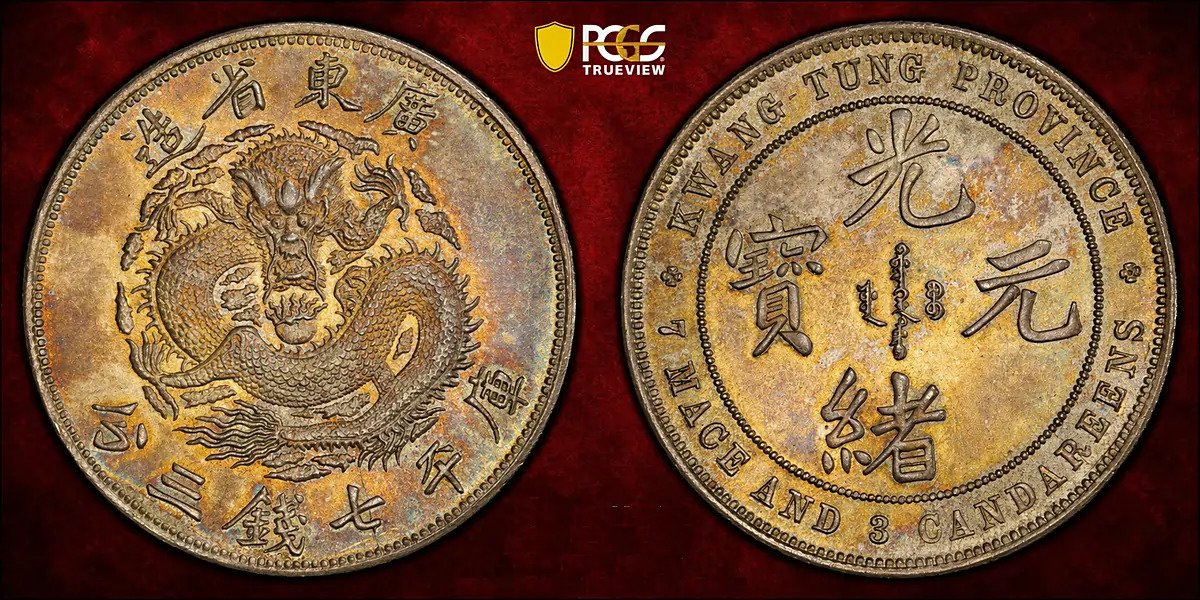
The strongest prices came from rare Chinese coins and patterns, many of which attracted competitive bidding from international collectors and dealers.
Several standout pieces significantly exceeded pre-sale expectations, reinforcing the depth of demand at the top end of the market.
A major component of the sale was a dedicated collection segment that included early twentieth-century Chinese and regional issues, where multiple coins reached mid-six-figure dollar results.
These outcomes were consistent with a broader pattern in recent years in which high-grade Chinese numismatic material continues to outperform estimates, particularly in certified mint-state conditions.
Paper money sessions also contributed meaningfully to the overall total.
Rare banknotes from Asia, Europe, and colonial-era territories achieved strong results, with multiple lots setting individual benchmarks for their categories.
The breadth of participation across sessions suggests a market that remains liquid across both coins and currency, not solely concentrated in trophy assets.
The key issue in this auction is not a single record price but the combination of high sell-through and sustained global participation.
A sell-through rate near ninety-six percent at this scale indicates a highly efficient absorption of supply, with limited unsold inventory and consistent demand across price tiers.
This level of clearance is typically interpreted as a sign of stable collector confidence rather than speculative bidding spikes.
Compared with prior Hong Kong sales by major auction houses, the results align with a pattern of large-format numismatic auctions regularly surpassing the thirty million dollar threshold in recent years.
The Hong Kong market continues to function as a central hub for Asian coinage, particularly for Chinese imperial, republican, and pattern issues, which often attract cross-border competition from North American and European bidders.
The broader implication is that the high-end numismatic market remains structurally resilient even amid broader fluctuations in luxury collectibles.
Demand is concentrated in authenticated, high-grade rarities with established provenance, while mid-tier material continues to trade actively but with more selective bidding intensity.
With the April 2026 results, Stack’s Bowers reinforces its position as a dominant intermediary in the Asian numismatic auction space, while the strong clearance rate signals that collector demand remains sufficiently deep to absorb large, multi-thousand-lot offerings without significant market saturation.
The auction closes with the market maintaining its established trajectory: high-value Chinese and world rarities continue to anchor price performance, while broad participation across thousands of lots sustains overall liquidity and turnover at scale.
What is confirmed is that the multi-session sale, held over roughly one week in mid-April 2026, generated more than thirty million dollars in total realized value, including post-auction sales adjustments.
The auction offered over 7,700 individual lots and achieved a sell-through rate of approximately ninety-six percent, indicating that nearly all material found a buyer.
The structure of the event combined high-end numismatic rarities with broadly accessible collector material, spanning Chinese provincial issues, imperial-era coinage, modern Asian patterns, and world paper currency.
The strongest prices came from rare Chinese coins and patterns, many of which attracted competitive bidding from international collectors and dealers.
Several standout pieces significantly exceeded pre-sale expectations, reinforcing the depth of demand at the top end of the market.
A major component of the sale was a dedicated collection segment that included early twentieth-century Chinese and regional issues, where multiple coins reached mid-six-figure dollar results.
These outcomes were consistent with a broader pattern in recent years in which high-grade Chinese numismatic material continues to outperform estimates, particularly in certified mint-state conditions.
Paper money sessions also contributed meaningfully to the overall total.
Rare banknotes from Asia, Europe, and colonial-era territories achieved strong results, with multiple lots setting individual benchmarks for their categories.
The breadth of participation across sessions suggests a market that remains liquid across both coins and currency, not solely concentrated in trophy assets.
The key issue in this auction is not a single record price but the combination of high sell-through and sustained global participation.
A sell-through rate near ninety-six percent at this scale indicates a highly efficient absorption of supply, with limited unsold inventory and consistent demand across price tiers.
This level of clearance is typically interpreted as a sign of stable collector confidence rather than speculative bidding spikes.
Compared with prior Hong Kong sales by major auction houses, the results align with a pattern of large-format numismatic auctions regularly surpassing the thirty million dollar threshold in recent years.
The Hong Kong market continues to function as a central hub for Asian coinage, particularly for Chinese imperial, republican, and pattern issues, which often attract cross-border competition from North American and European bidders.
The broader implication is that the high-end numismatic market remains structurally resilient even amid broader fluctuations in luxury collectibles.
Demand is concentrated in authenticated, high-grade rarities with established provenance, while mid-tier material continues to trade actively but with more selective bidding intensity.
With the April 2026 results, Stack’s Bowers reinforces its position as a dominant intermediary in the Asian numismatic auction space, while the strong clearance rate signals that collector demand remains sufficiently deep to absorb large, multi-thousand-lot offerings without significant market saturation.
The auction closes with the market maintaining its established trajectory: high-value Chinese and world rarities continue to anchor price performance, while broad participation across thousands of lots sustains overall liquidity and turnover at scale.