A major auction result involving a rare impression of the iconic Japanese print underscores sustained demand for blue-chip artworks in Asia’s financial hub despite broader market uncertainty.
SYSTEM-DRIVEN dynamics in the global art market are increasingly shaping where high-value cultural assets are traded, how liquidity forms around them, and which cities maintain relevance as auction hubs.
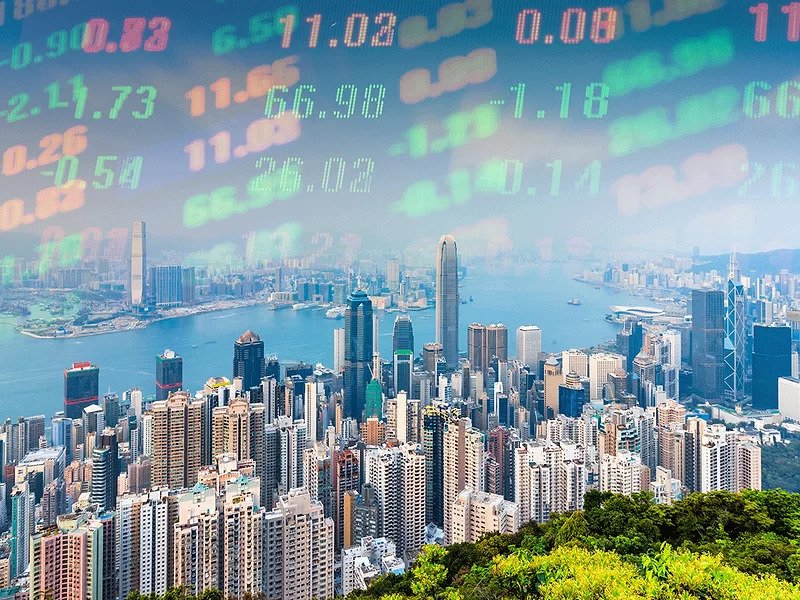
Hong Kong, long positioned as a gateway between Western collectors and Asian capital, has once again been reinforced by a high-profile sale involving Katsushika Hokusai’s iconic woodblock print, The Great Wave off Kanagawa.
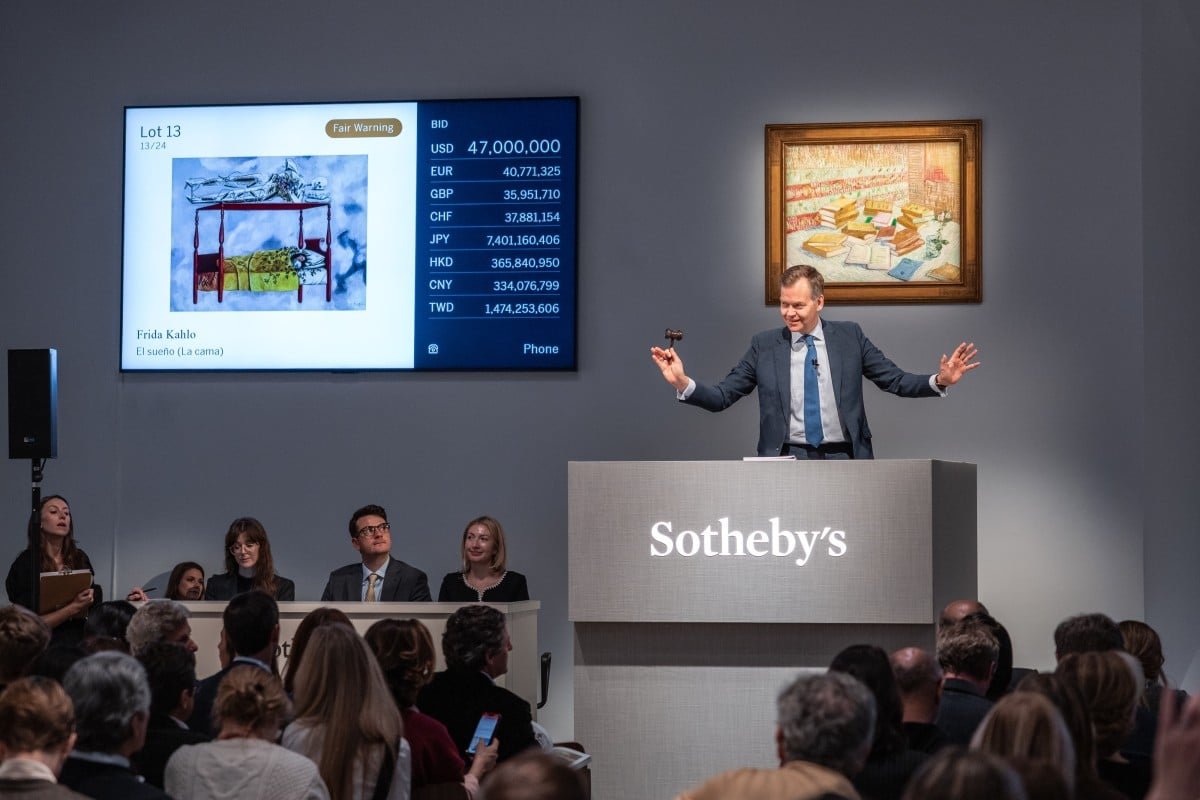
What is confirmed is that a rare impression of the work was sold at a Hong Kong auction, attracting strong collector interest and competitive bidding.
The sale is being interpreted within the industry as a signal that demand for blue-chip historical artworks remains intact even as segments of the broader art market experience uneven performance.
The identity of the buyer and full transaction details were not disclosed, consistent with standard practice in high-value auction sales.
The Great Wave is one of the most recognized images in global art history, produced in the early nineteenth century as part of Hokusai’s Thirty-Six Views of Mount Fuji series.
Its market value derives from both cultural significance and scarcity, as surviving impressions in strong condition are limited and increasingly held in long-term private collections or institutions.
When such works reappear at auction, they function less as typical market inventory and more as rare liquidity events in an otherwise illiquid asset class.
The Hong Kong sale reflects a broader structural reality in the global art ecosystem: ultra-high-end works continue to circulate through a small number of international auction centers where capital concentration is strongest.
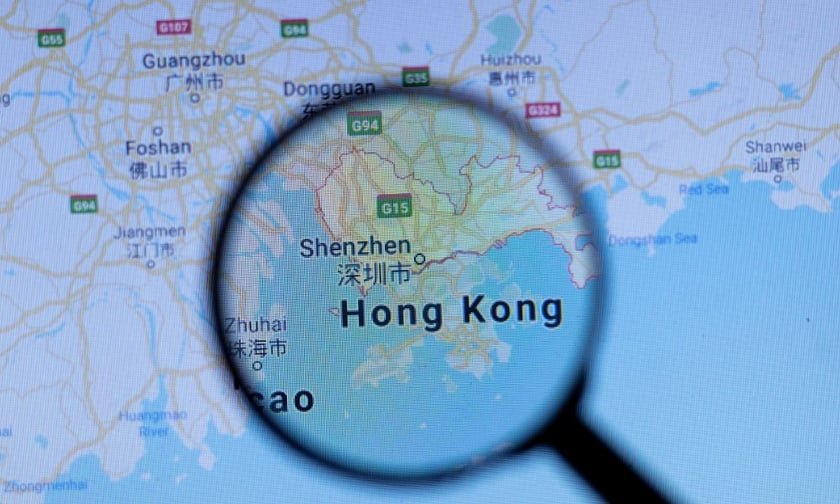
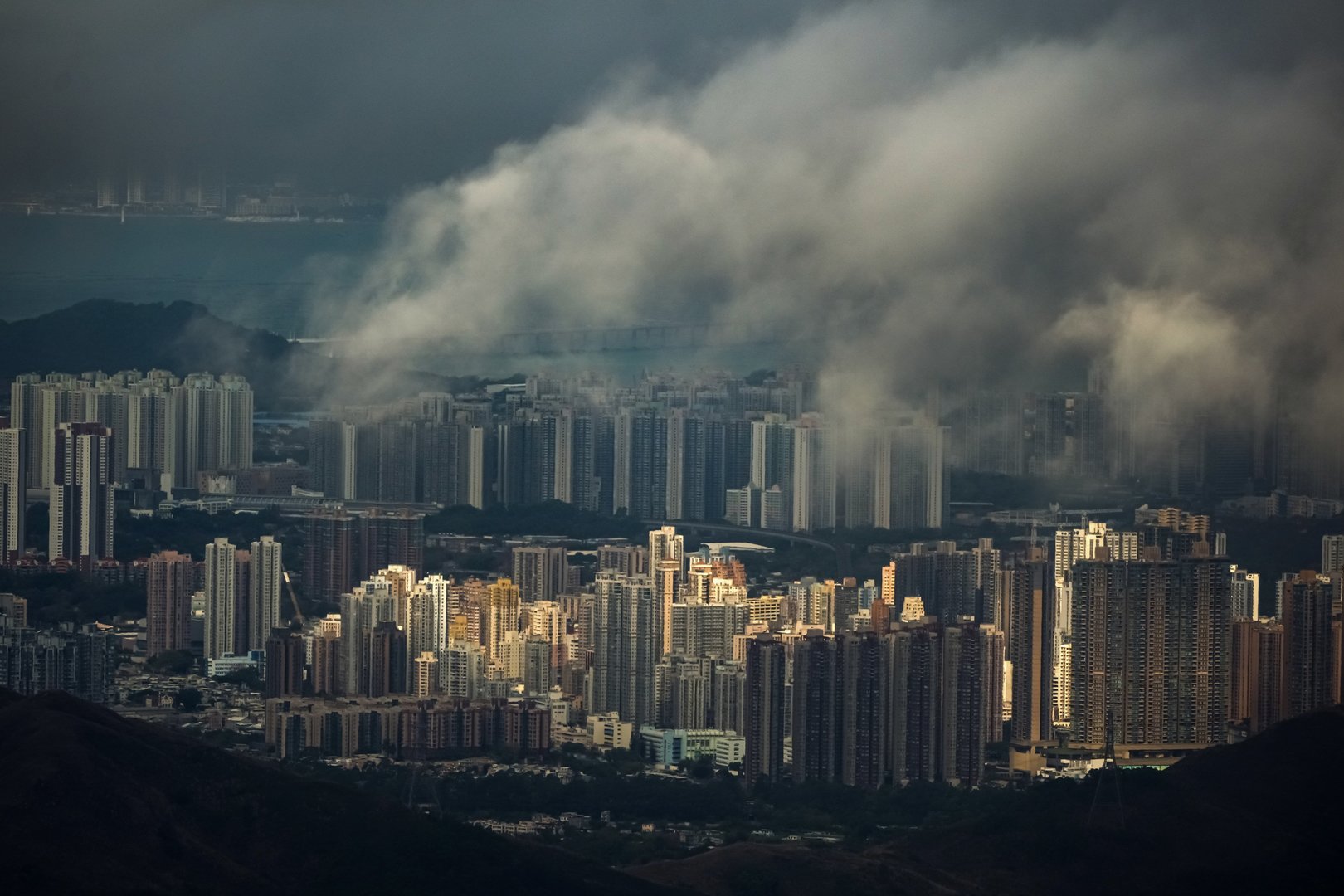
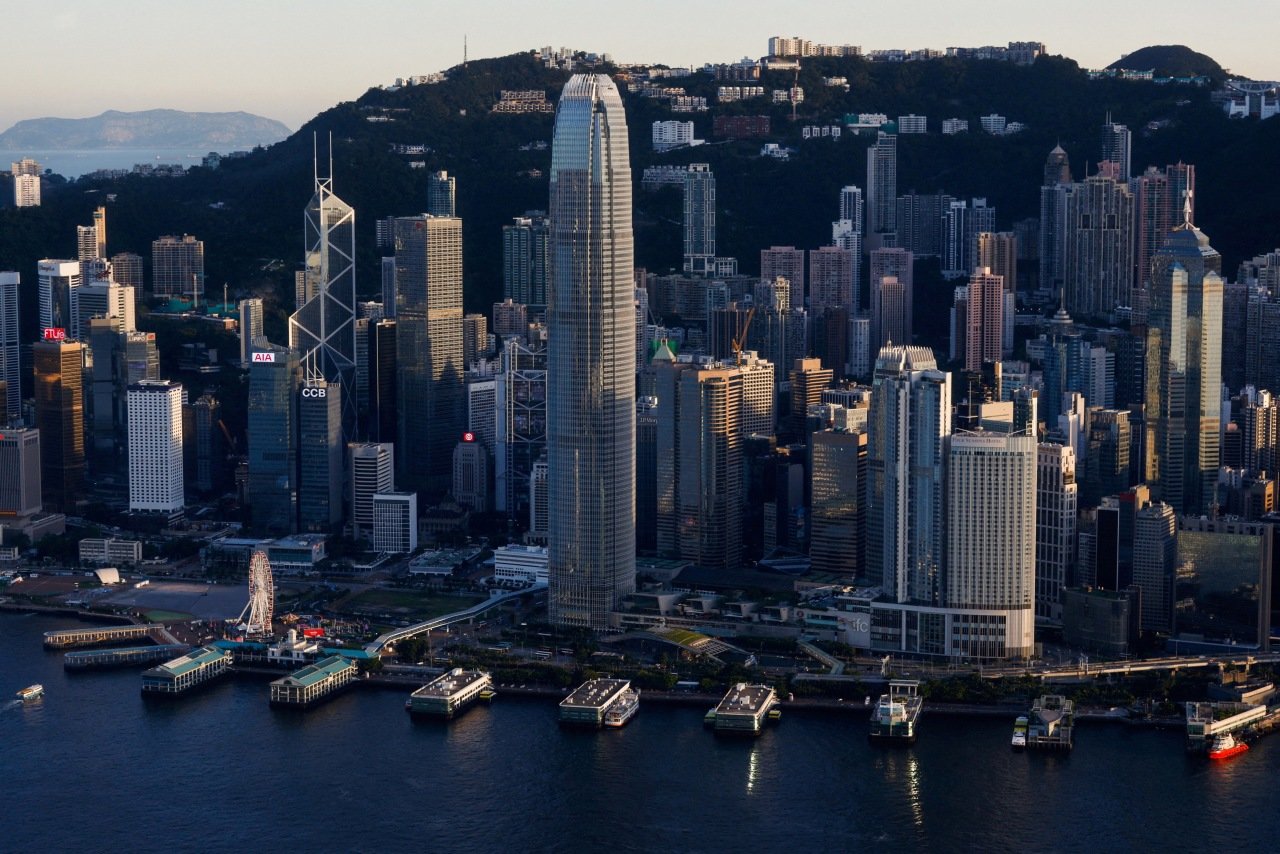
Despite periodic volatility in regional demand, Hong Kong remains a critical node due to its proximity to mainland Chinese collectors, established auction infrastructure, and its role as a neutral meeting point for international sellers.
In recent cycles, the city’s art market has faced pressure from macroeconomic uncertainty, shifting wealth patterns, and fluctuating cross-border buying activity.
However, the persistence of strong bidding for landmark works suggests that demand at the very top tier is less sensitive to short-term economic conditions than mid-market segments.
Instead, it is driven by long-term wealth preservation strategies, cultural prestige, and competition for globally recognized assets.
The mechanism behind such sales is straightforward but highly concentrated.
A limited supply of museum-quality works meets a global base of ultra-wealthy buyers, with auction houses acting as price discovery intermediaries.
When a piece like The Great Wave enters the market, it compresses this dynamic into a single event, producing outsized attention and reinforcing confidence in the broader category.
For Hong Kong, each successful high-profile auction reinforces its position in the global hierarchy of art trading centers alongside New York and London.
While lower-value segments of the market remain sensitive to liquidity conditions, the resilience of top-tier sales continues to anchor the city’s reputation as a key venue for international cultural capital flows.
The latest transaction therefore functions as both a market event and a structural signal: demand for canonical works of global art history remains concentrated, competitive, and firmly anchored in established auction hubs, with Hong Kong maintaining its role at the center of that system.
Hong Kong, long positioned as a gateway between Western collectors and Asian capital, has once again been reinforced by a high-profile sale involving Katsushika Hokusai’s iconic woodblock print, The Great Wave off Kanagawa.
What is confirmed is that a rare impression of the work was sold at a Hong Kong auction, attracting strong collector interest and competitive bidding.
The sale is being interpreted within the industry as a signal that demand for blue-chip historical artworks remains intact even as segments of the broader art market experience uneven performance.
The identity of the buyer and full transaction details were not disclosed, consistent with standard practice in high-value auction sales.
The Great Wave is one of the most recognized images in global art history, produced in the early nineteenth century as part of Hokusai’s Thirty-Six Views of Mount Fuji series.
Its market value derives from both cultural significance and scarcity, as surviving impressions in strong condition are limited and increasingly held in long-term private collections or institutions.
When such works reappear at auction, they function less as typical market inventory and more as rare liquidity events in an otherwise illiquid asset class.
The Hong Kong sale reflects a broader structural reality in the global art ecosystem: ultra-high-end works continue to circulate through a small number of international auction centers where capital concentration is strongest.
Despite periodic volatility in regional demand, Hong Kong remains a critical node due to its proximity to mainland Chinese collectors, established auction infrastructure, and its role as a neutral meeting point for international sellers.
In recent cycles, the city’s art market has faced pressure from macroeconomic uncertainty, shifting wealth patterns, and fluctuating cross-border buying activity.
However, the persistence of strong bidding for landmark works suggests that demand at the very top tier is less sensitive to short-term economic conditions than mid-market segments.
Instead, it is driven by long-term wealth preservation strategies, cultural prestige, and competition for globally recognized assets.
The mechanism behind such sales is straightforward but highly concentrated.
A limited supply of museum-quality works meets a global base of ultra-wealthy buyers, with auction houses acting as price discovery intermediaries.
When a piece like The Great Wave enters the market, it compresses this dynamic into a single event, producing outsized attention and reinforcing confidence in the broader category.
For Hong Kong, each successful high-profile auction reinforces its position in the global hierarchy of art trading centers alongside New York and London.
While lower-value segments of the market remain sensitive to liquidity conditions, the resilience of top-tier sales continues to anchor the city’s reputation as a key venue for international cultural capital flows.
The latest transaction therefore functions as both a market event and a structural signal: demand for canonical works of global art history remains concentrated, competitive, and firmly anchored in established auction hubs, with Hong Kong maintaining its role at the center of that system.