Strong rebound in passenger demand lifts HKIA to 5.74 million travelers in March, with four Asia-Pacific city pairs ranking among the world’s busiest international routes
SYSTEM-DRIVEN — The story is driven by the recovery and reconfiguration of global air travel demand flowing through Hong Kong International Airport, where network structure and regional connectivity are reshaping passenger volumes and global route rankings.
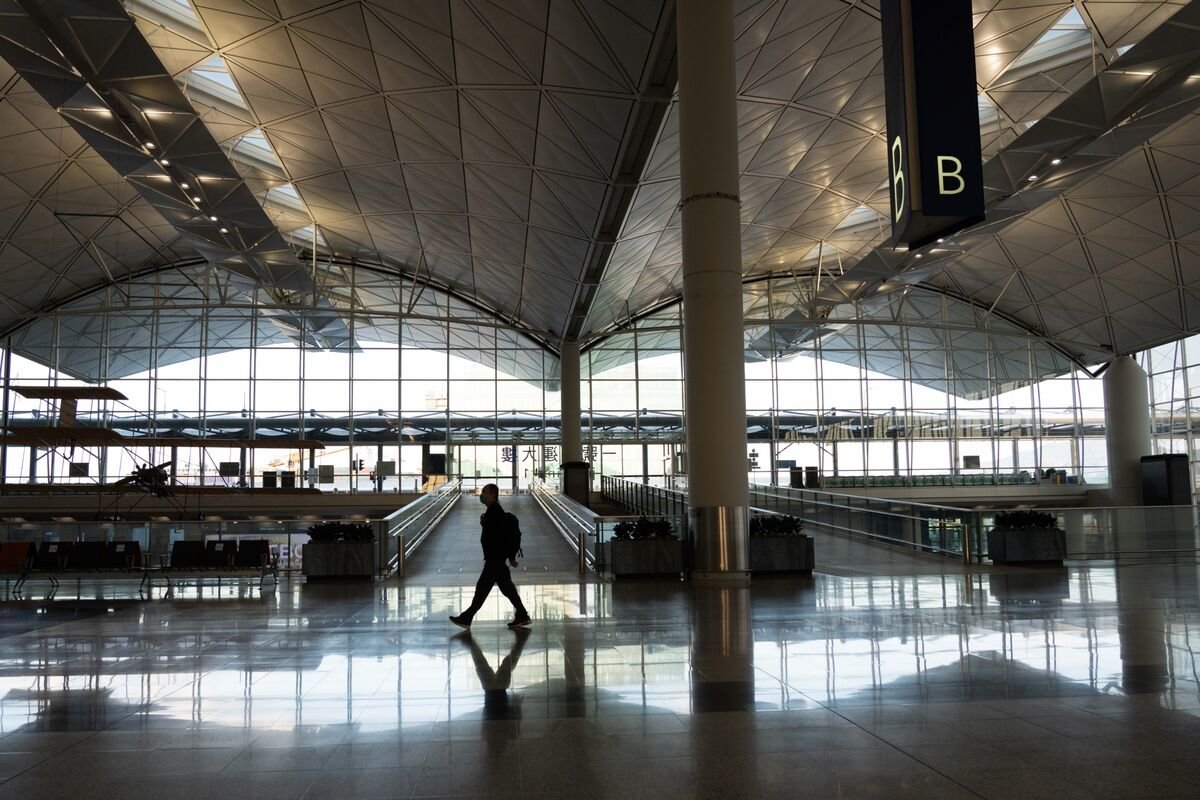
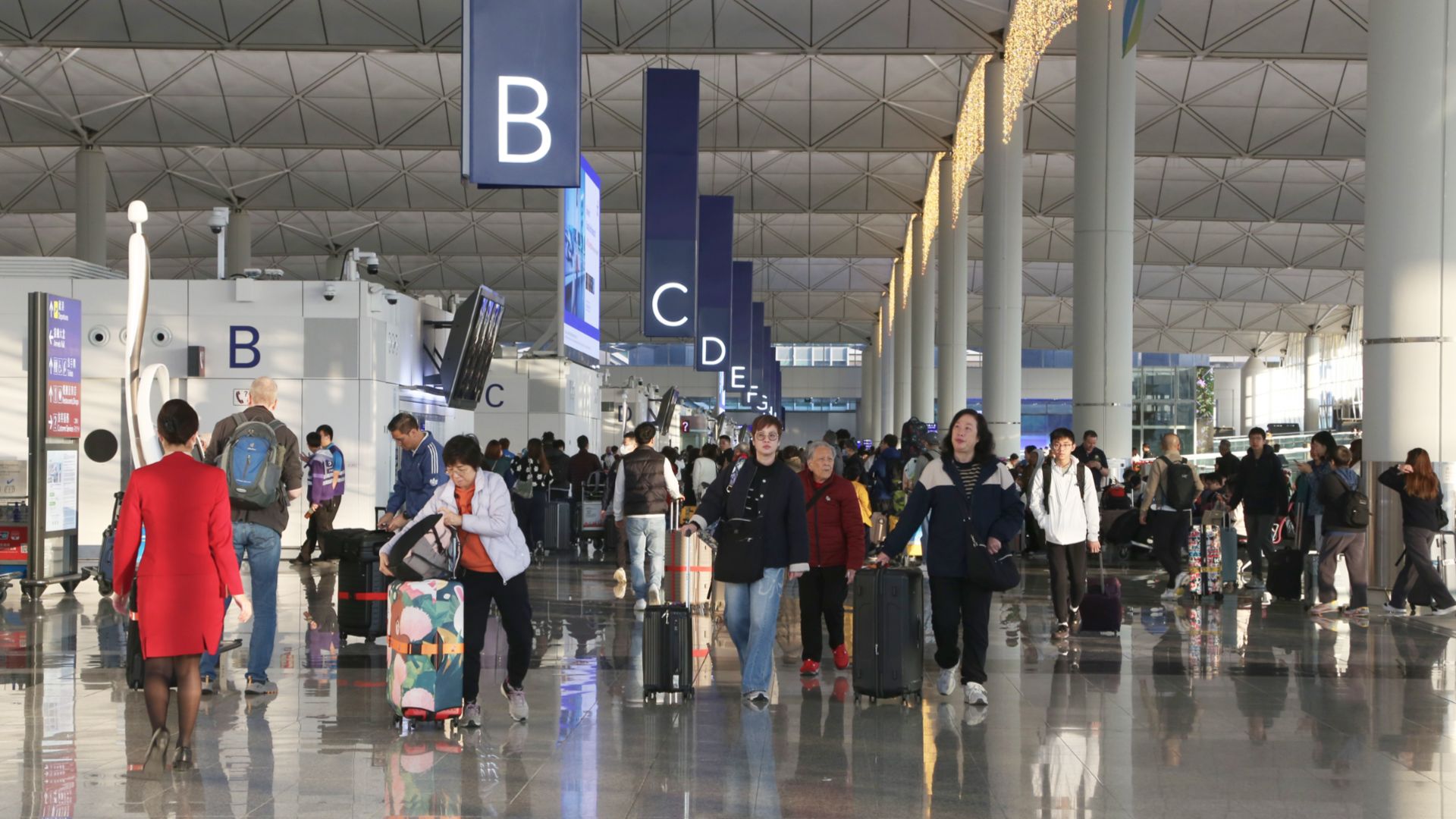
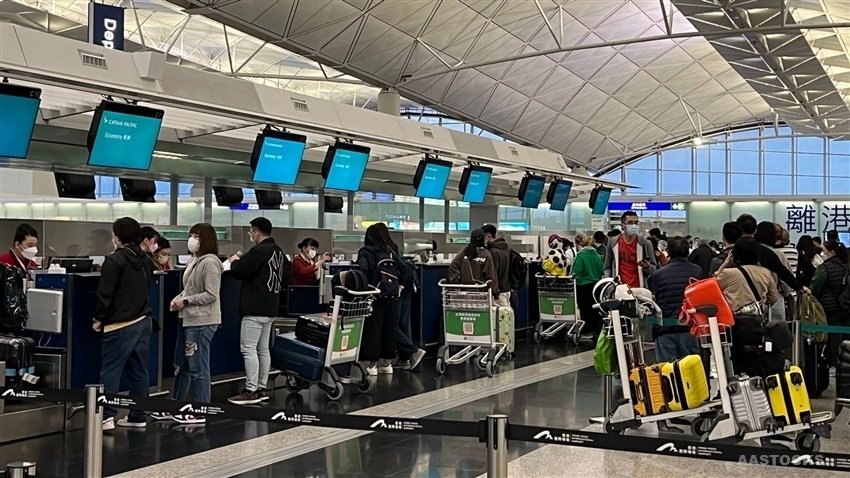
Hong Kong International Airport recorded a sharp rise in activity in March, handling about 5.74 million passengers, an increase of roughly 19.6 percent compared with the same period a year earlier.
The growth marks a continuation of sustained recovery across Asia’s aviation network after years of disruption, with Hong Kong increasingly functioning as a regional transit and short-haul hub rather than solely a long-haul gateway.
What is confirmed is that aircraft movements rose more modestly, by about 2.7 percent to around 34,100 flights.
This gap between passenger growth and flight growth indicates higher load factors—airlines are carrying more passengers per aircraft rather than simply increasing schedules.
It reflects tighter fleet utilization and stronger demand on established routes rather than rapid expansion of capacity.
A defining feature of the March data is the concentration of traffic in a small number of regional city pairs.
Four routes connected to Hong Kong—Hong Kong–Taipei, Hong Kong–Bangkok, Hong Kong–Manila, and Hong Kong–Seoul—ranked among the world’s ten busiest international routes during the month.
Hong Kong–Taipei led the global list, underscoring the intensity of cross-strait and regional travel flows in East and Southeast Asia.
The dominance of these routes highlights a structural shift in aviation demand.
Short-haul intra-Asia travel has recovered faster than long-haul intercontinental routes, driven by business travel normalization, tourism recovery, and dense economic linkages between major Asian cities.
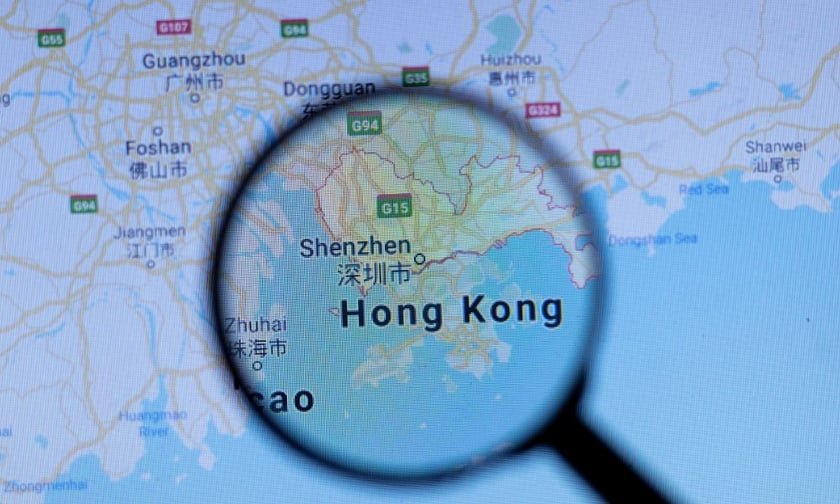
Hong Kong’s geographic position places it at the center of these corridors, even as competition from other regional hubs intensifies.
Passenger growth was primarily driven by increased transfer and transit traffic, alongside rising visitor arrivals.
This indicates that Hong Kong’s airport is regaining its role as a connecting hub, where passengers change flights between regional and international destinations.
Such transfer traffic is particularly sensitive to airline network decisions, alliance strategies, and pricing competitiveness across competing hubs in the region.
Cargo performance presented a more mixed picture.
Freight volumes declined compared with the previous year, reflecting shifts in global trade flows and softer export demand in some categories.
However, Hong Kong remains one of the world’s most important air cargo hubs, and fluctuations in monthly freight data are typically influenced by global supply chain timing rather than structural decline.
The broader context behind the passenger surge is a gradual rebalancing of global aviation.
As travel restrictions have fully receded, demand has not returned evenly.
Instead, it has concentrated along high-frequency regional corridors where price sensitivity, convenience, and business links drive repeated travel patterns.
Hong Kong’s traffic profile now reflects this reality more strongly than pre-pandemic long-haul dominance.
The implications for airlines are significant.
Carriers operating in and out of Hong Kong are increasingly optimizing for route density and frequency on short-haul routes, where competition is intense but demand is stable.
At the same time, airport operators are managing higher passenger throughput without proportional increases in flight movements, placing pressure on terminal efficiency and airspace coordination.
The result is a more concentrated but more efficient traffic structure, where a handful of city pairs dominate global rankings and regional mobility defines airport performance more than traditional long-haul connectivity metrics.
Hong Kong’s March figures reinforce its position as a high-density aviation hub embedded in Asia’s busiest travel corridors.
Hong Kong International Airport recorded a sharp rise in activity in March, handling about 5.74 million passengers, an increase of roughly 19.6 percent compared with the same period a year earlier.
The growth marks a continuation of sustained recovery across Asia’s aviation network after years of disruption, with Hong Kong increasingly functioning as a regional transit and short-haul hub rather than solely a long-haul gateway.
What is confirmed is that aircraft movements rose more modestly, by about 2.7 percent to around 34,100 flights.
This gap between passenger growth and flight growth indicates higher load factors—airlines are carrying more passengers per aircraft rather than simply increasing schedules.
It reflects tighter fleet utilization and stronger demand on established routes rather than rapid expansion of capacity.
A defining feature of the March data is the concentration of traffic in a small number of regional city pairs.
Four routes connected to Hong Kong—Hong Kong–Taipei, Hong Kong–Bangkok, Hong Kong–Manila, and Hong Kong–Seoul—ranked among the world’s ten busiest international routes during the month.
Hong Kong–Taipei led the global list, underscoring the intensity of cross-strait and regional travel flows in East and Southeast Asia.
The dominance of these routes highlights a structural shift in aviation demand.
Short-haul intra-Asia travel has recovered faster than long-haul intercontinental routes, driven by business travel normalization, tourism recovery, and dense economic linkages between major Asian cities.
Hong Kong’s geographic position places it at the center of these corridors, even as competition from other regional hubs intensifies.
Passenger growth was primarily driven by increased transfer and transit traffic, alongside rising visitor arrivals.
This indicates that Hong Kong’s airport is regaining its role as a connecting hub, where passengers change flights between regional and international destinations.
Such transfer traffic is particularly sensitive to airline network decisions, alliance strategies, and pricing competitiveness across competing hubs in the region.
Cargo performance presented a more mixed picture.
Freight volumes declined compared with the previous year, reflecting shifts in global trade flows and softer export demand in some categories.
However, Hong Kong remains one of the world’s most important air cargo hubs, and fluctuations in monthly freight data are typically influenced by global supply chain timing rather than structural decline.
The broader context behind the passenger surge is a gradual rebalancing of global aviation.
As travel restrictions have fully receded, demand has not returned evenly.
Instead, it has concentrated along high-frequency regional corridors where price sensitivity, convenience, and business links drive repeated travel patterns.
Hong Kong’s traffic profile now reflects this reality more strongly than pre-pandemic long-haul dominance.
The implications for airlines are significant.
Carriers operating in and out of Hong Kong are increasingly optimizing for route density and frequency on short-haul routes, where competition is intense but demand is stable.
At the same time, airport operators are managing higher passenger throughput without proportional increases in flight movements, placing pressure on terminal efficiency and airspace coordination.
The result is a more concentrated but more efficient traffic structure, where a handful of city pairs dominate global rankings and regional mobility defines airport performance more than traditional long-haul connectivity metrics.
Hong Kong’s March figures reinforce its position as a high-density aviation hub embedded in Asia’s busiest travel corridors.